


Sa Zoo
African Aviary
Nakakaganyak na mga Katotohanan
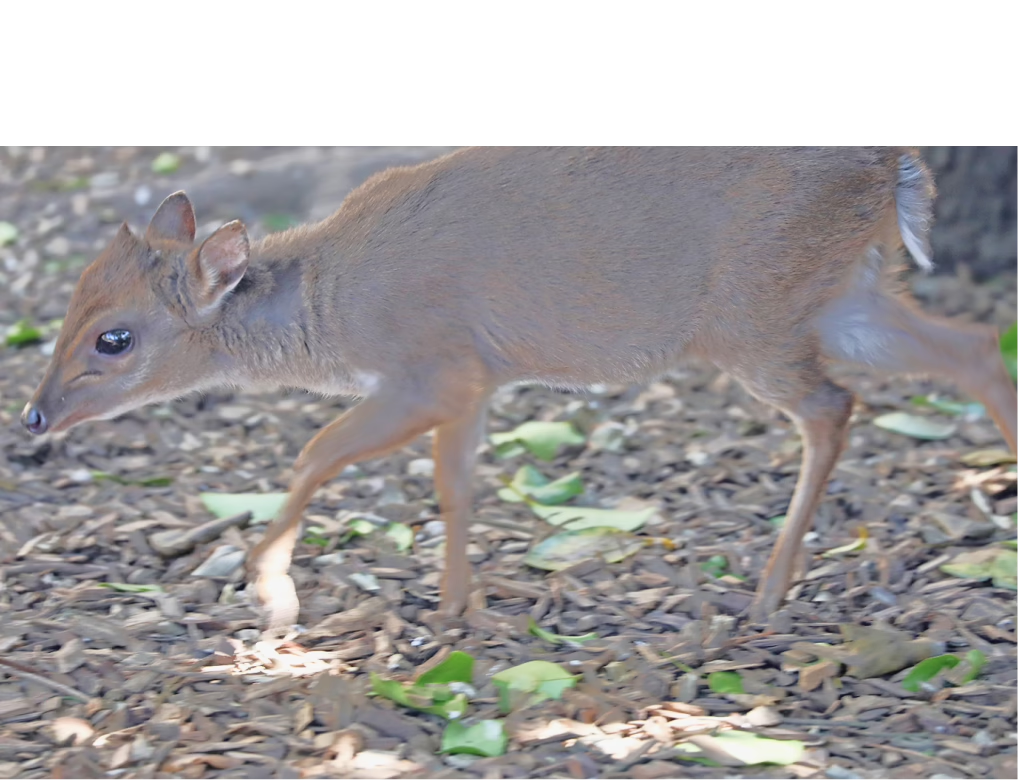
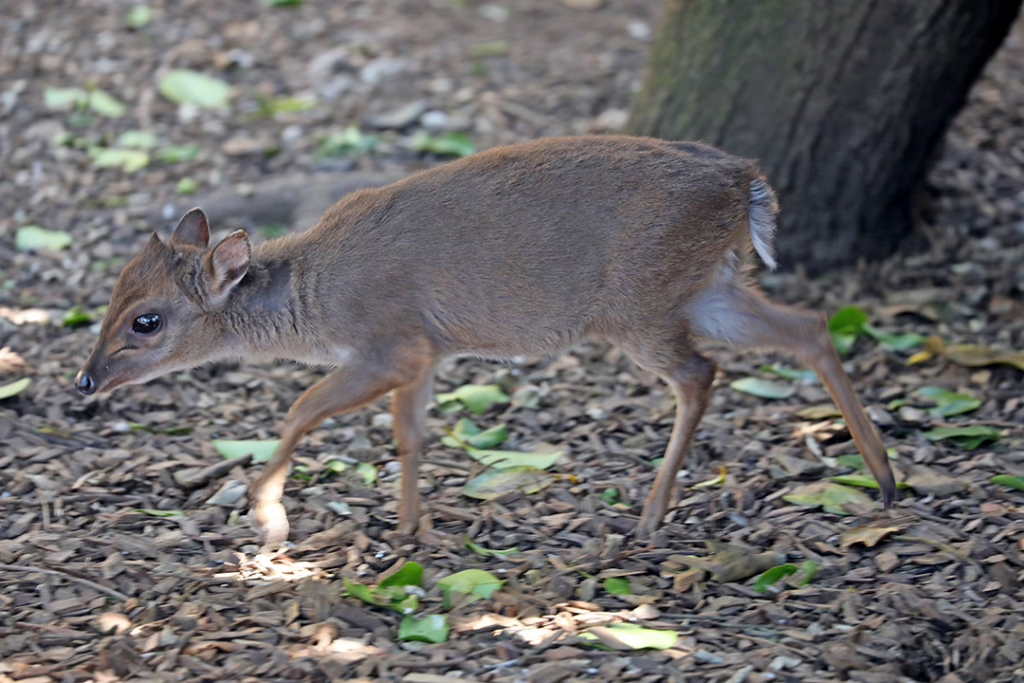
- Blue duikers get their common name from the bluish sheen to their coats. The word “duiker” is Afrikaans for “diver” reflecting their tendency to dive into the undergrowth when alarmed. Their scientific name monticola translates to “lives in the mountains”.
- Blue duikers are a type of antelope and a member of the order Artiodactyla, meaning they are an even-toed ungulate.
Mga Pisikal na Katangian
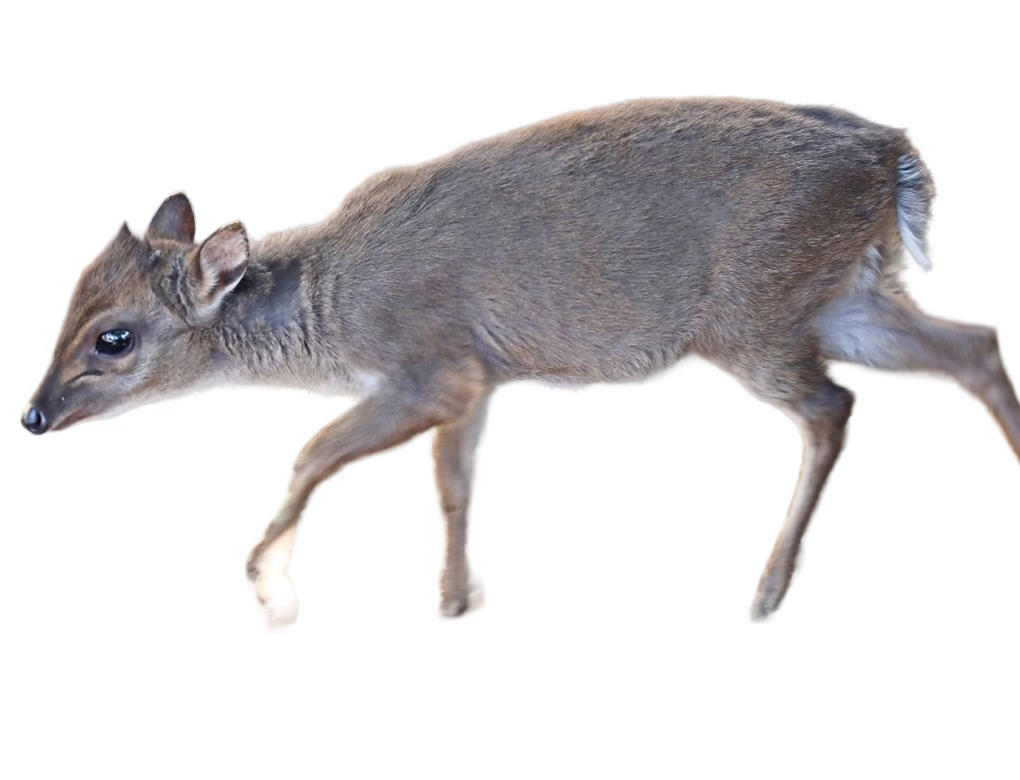
Blue duikers have a bluish / grayish / brownish coat and the coloration varies by region. They are the smallest of the duiker species, at 1.6 – 2.5 feet in length, standing 12 – 16 inches at the shoulder, and weighing 8.4 – 12 pounds.
They have a pair of 1 – 4 inch horns, which are mostly found on males. Females tend to be slightly larger than males. Blue duikers have proportionally long hind legs and are good jumpers. They have scent glands on their hooves and on their faces.
They will scent mark both their territory and members of their family.
Habitat
Blue duikers inhabit thickets, and a variety of forest types, up to 10,000 feet.
Diet
They eat fallen fruit, seeds, flowers, buds, shoots, fungi, insects and eggs.
Saklaw
They are found in central and southern Africa.
Sosyal na Pag-uugali
Male and female blue duikers will mate for life. After a 7.5 month gestation period, a single offspring is born (twins occurring very rarely). The mother will hide the baby away for 2 -3 months, visiting it to nurse several times a day. Baby blue duikers can stand 20 minutes after birth. After the baby is weaned, it will join its parents in their territory. Females reach maturity at 9 – 12 months, and males 12 – 18 months.
The average blue duiker lifespan is 10 – 12 years. Pairs have a territory of 6 – 10 acres, and will scent mark the boundaries of their territory and chase off any intruders.
Blue duikers communicate through scent marking, and vocalizations. In addition, they will also flick their tail as an alarm sign. They live solitarily or in bonded pairs. They are generally diurnal and spend most of their waking time foraging for food.
Katayuan sa Kalikasan
Iba pa
Threats to blue duikers include being hunted by humans for bushmeat. Non-human predators include: leopards, hyenas, civets, eagles, monitors, crocodiles and pythons.
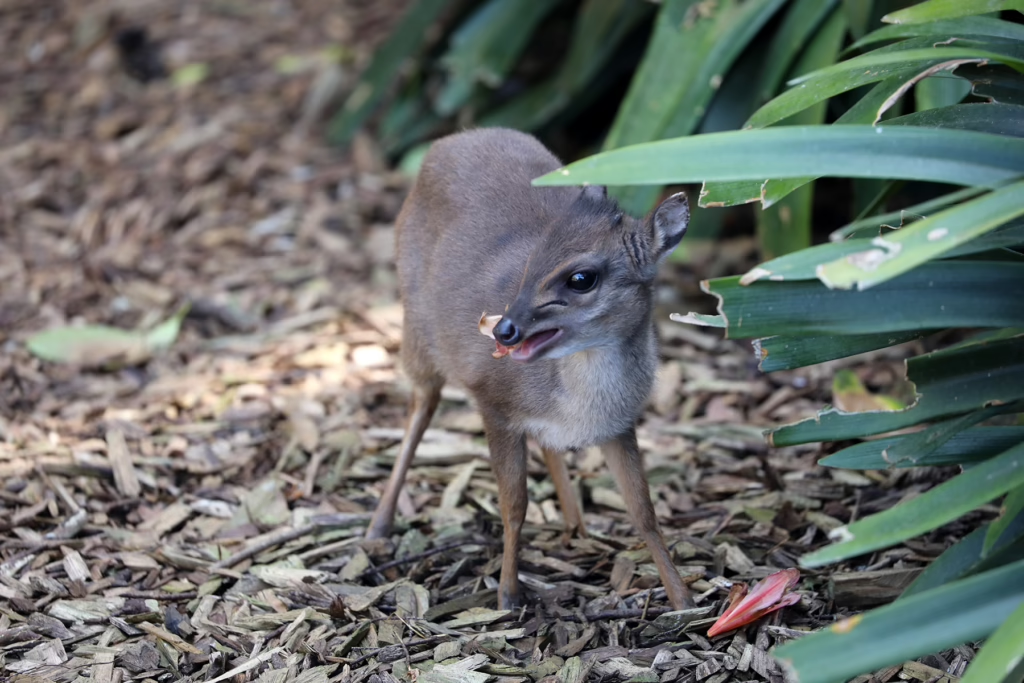
Alam niyo ba?
What color is a blue duiker?
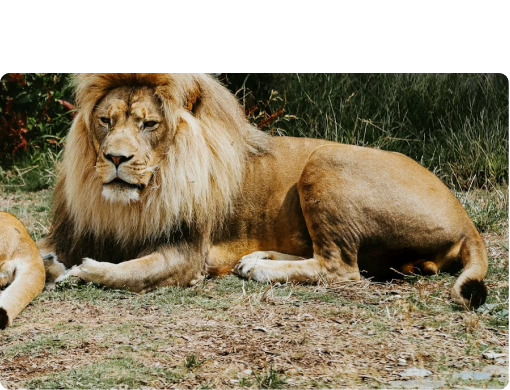
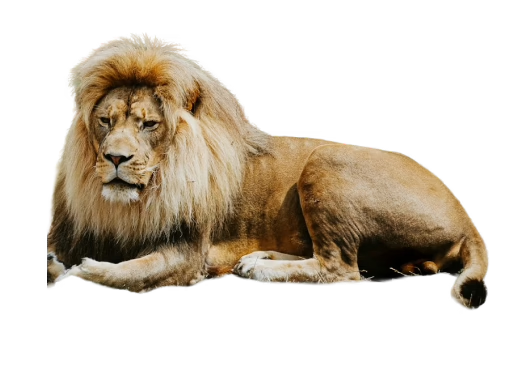
Aprikanong leon
MapanganibIsa sa mga pinakatanyag na hayop sa mundo, ang leon ng Africa ay simbolo ng lakas, sosyal na katalinuhan, at ligaw na Africa.
Blue duiker
Hindi Nakalulugod na KalagayanBilang pinakamaliit na species ng antelope at pinakamaliit na duiker sa mundo, mahalaga ang kanilang papel sa ekosistema ng kanilang kagubatan.
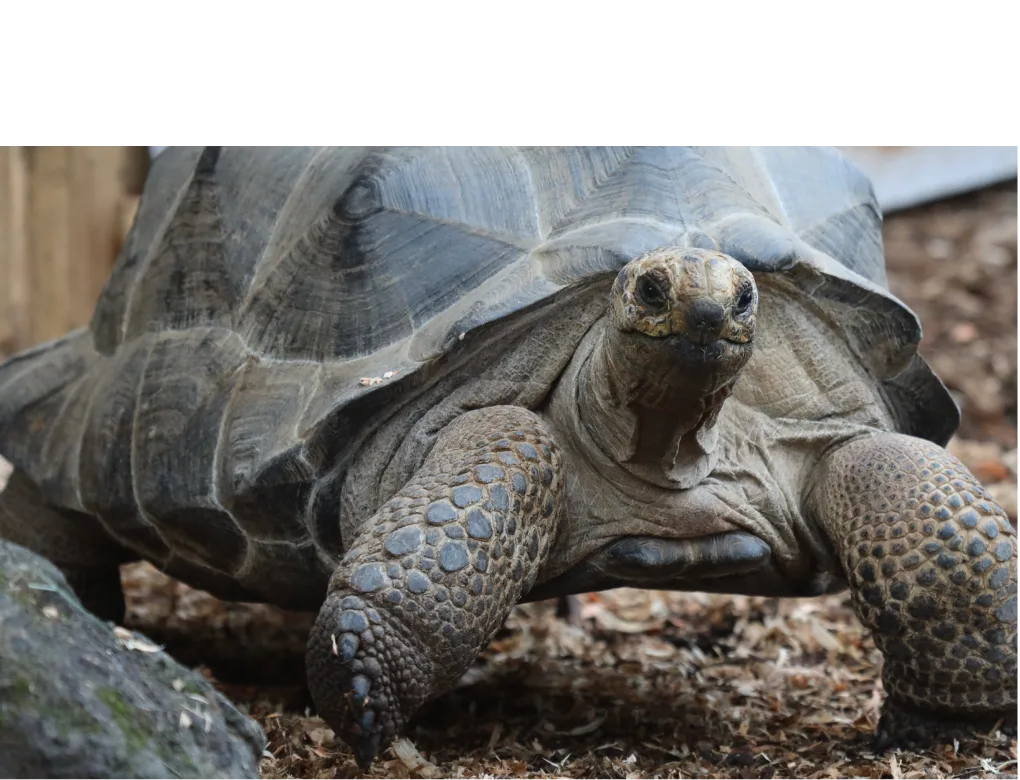
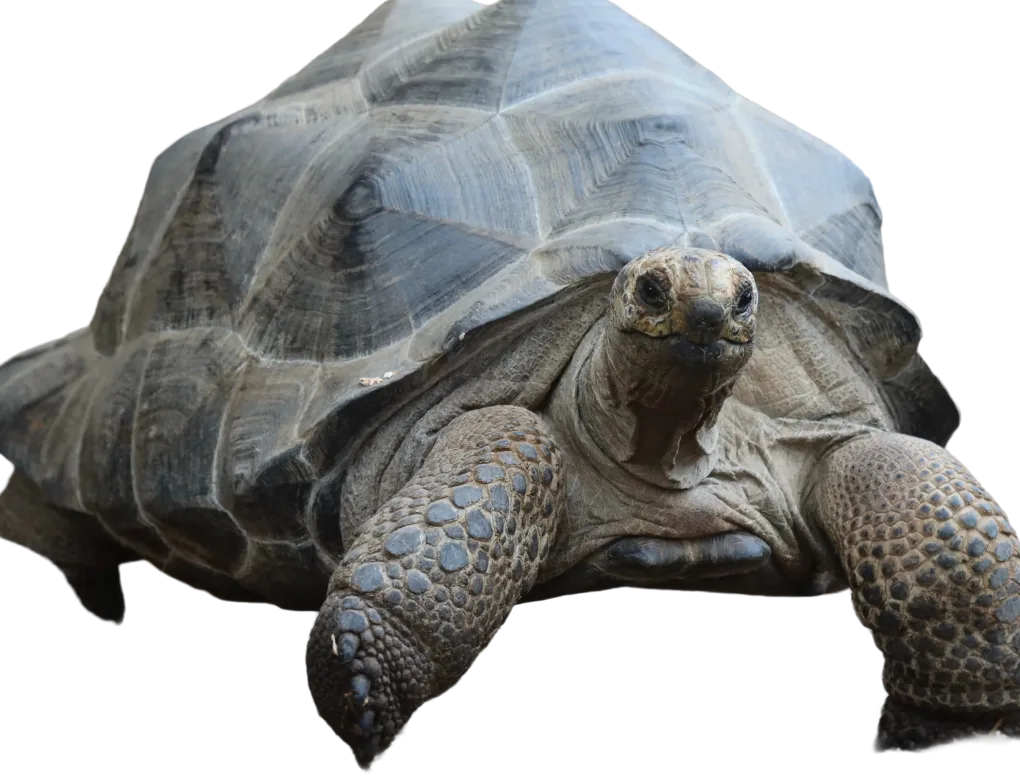
Aldabra tortoise
MapanganibBilang isa sa pinakamalaki at pinakamahaba ang buhay na mga land tortoise sa mundo, may ilan na tinatayang may 170 taon nang nabubuhay!
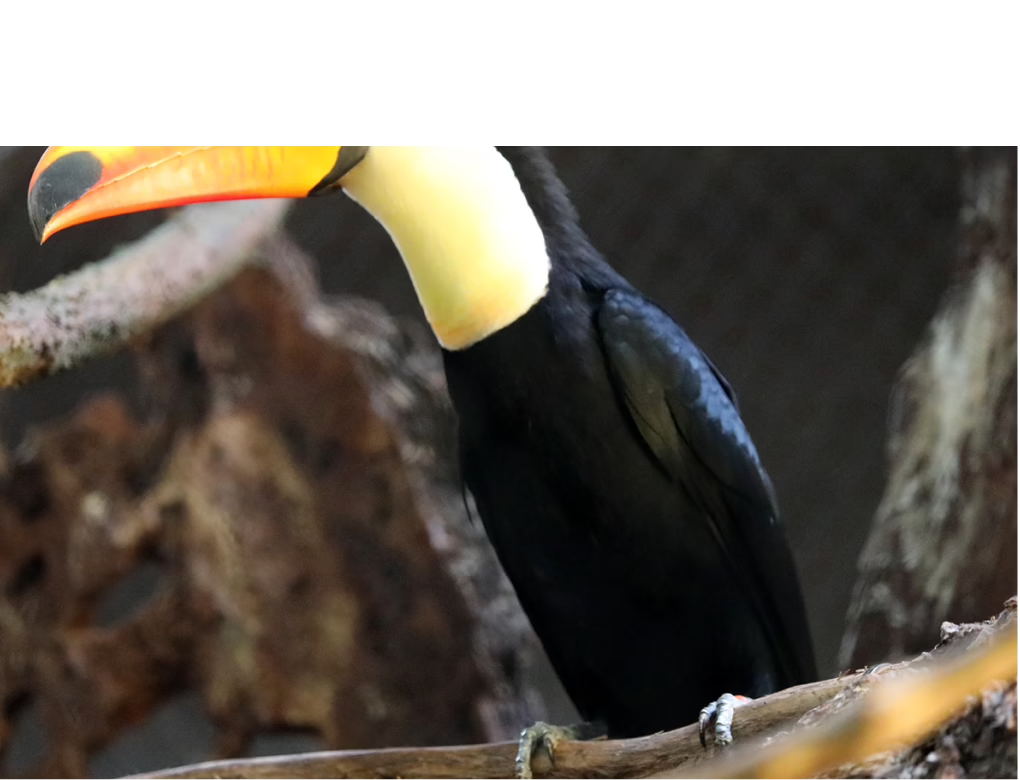
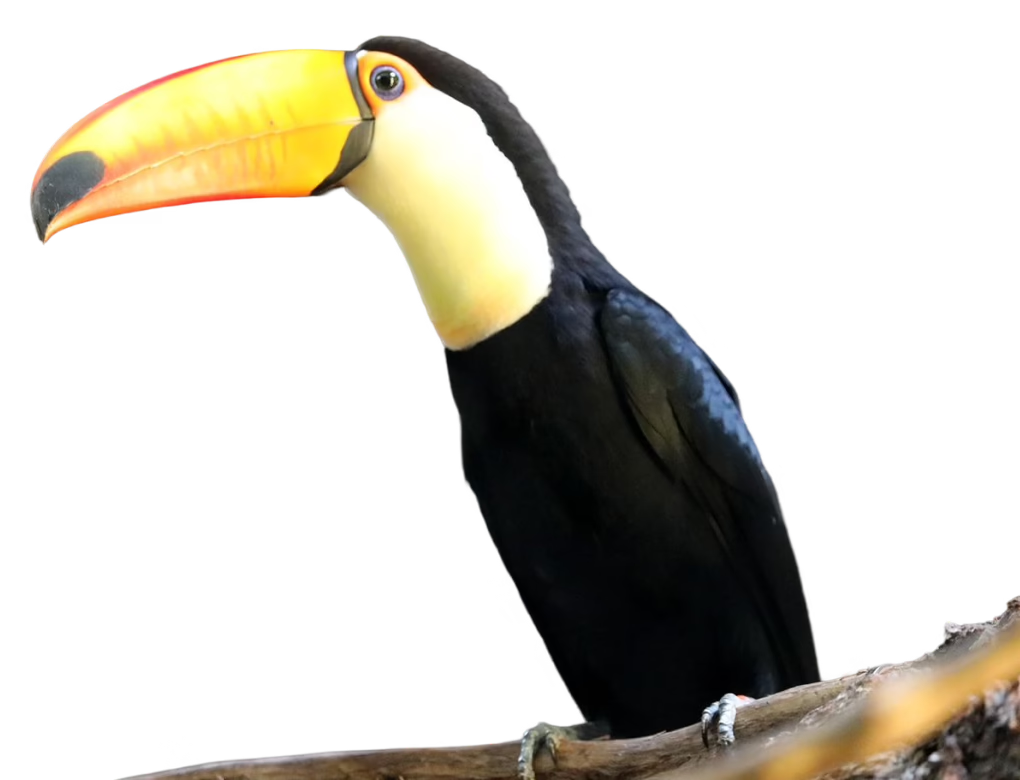
Toco toucan
Hindi Nakalulugod na KalagayanKilala sa malalaking bilog na balahibo at masiglang pag-uugali, ito ang pinakamalaking uri ng toucan.