


Sa Zoo
Bird Aviary across from Koala Crossing
Nakakaganyak na mga Katotohanan
Bali mynas are the national bird of Bali. They were first formally described by British ornithologist Lord Walter Rothschild in 1910. Since their “discovery”, their numbers have plummeted dramatically, despite their range being entirely limited to a National Park.
With their striking appearance these birds are extremely popular in the caged bird trade and a single bird can fetch thousands of dollars on the black market. In 2001, there were only 6 Bali mynas left in the wild and populations were being maintained by the release of captive birds, however, 39 captive birds slated for release into the wild were stolen, so problems still persist with the captive release program.
Mga Pisikal na Katangian
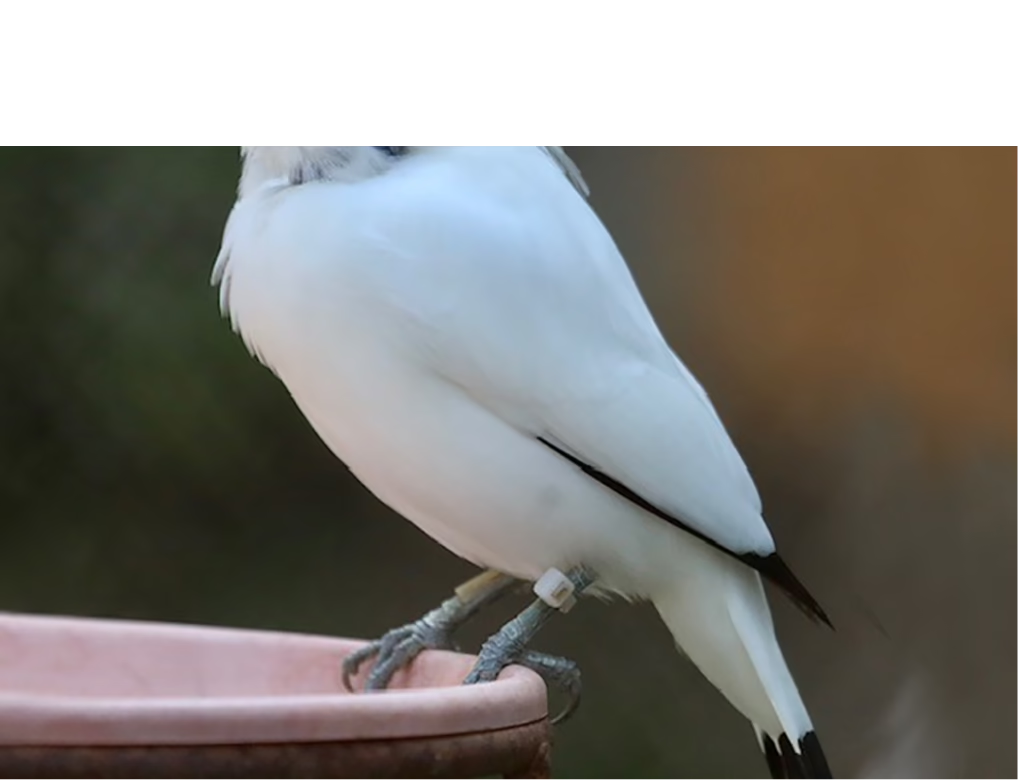
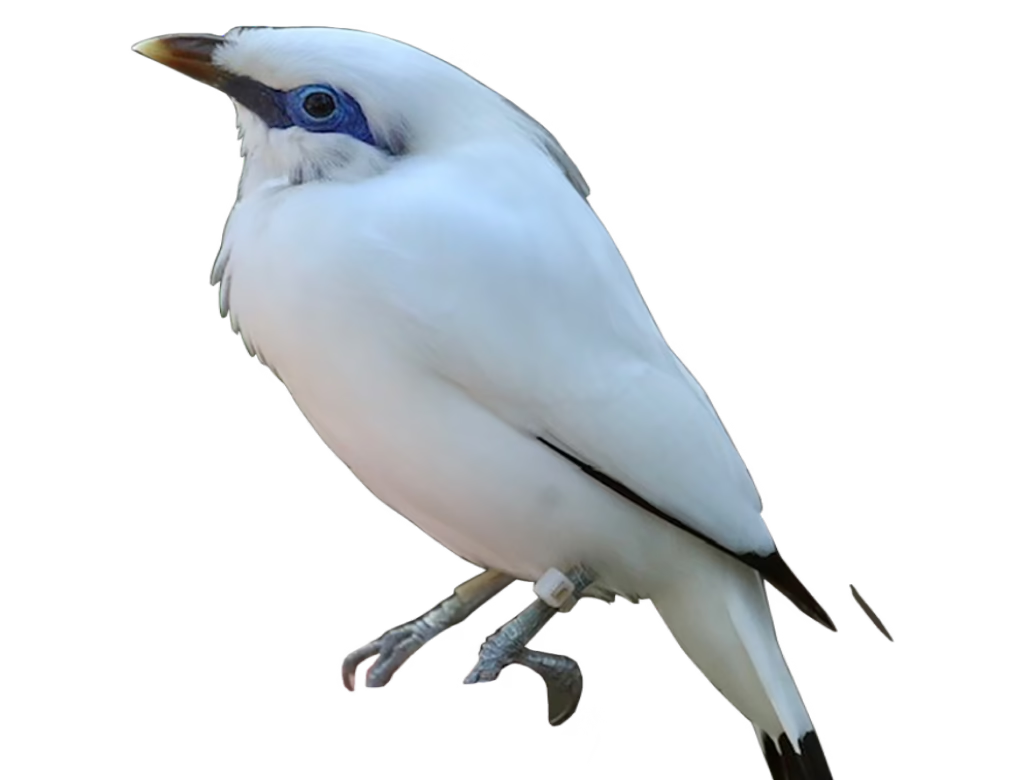
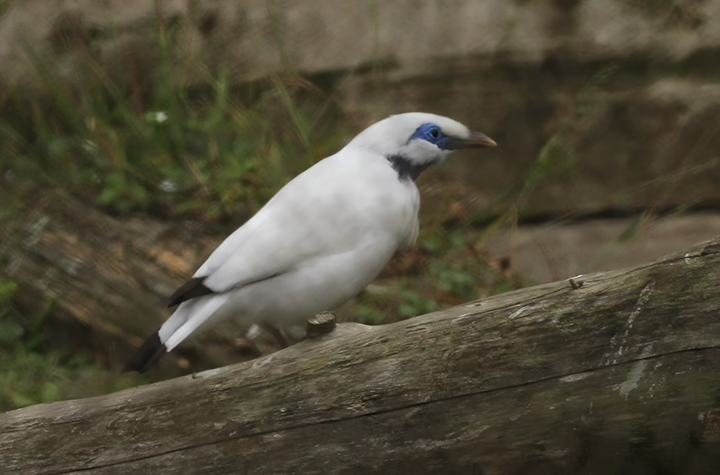
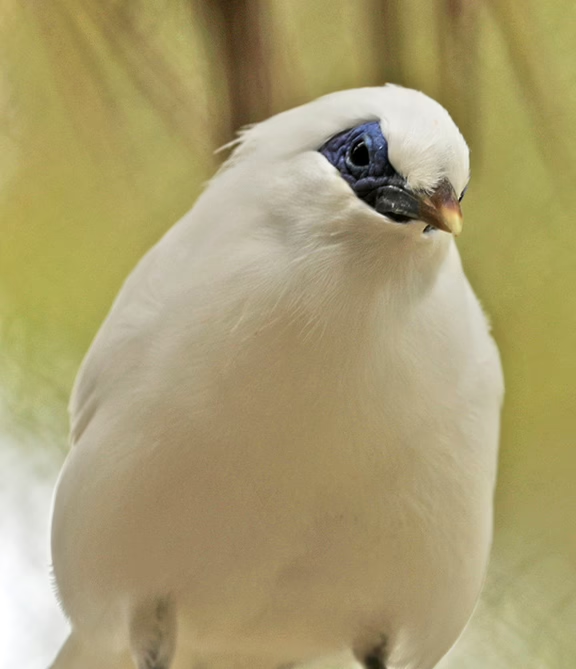
Male and female Bali mynas are similar in appearance. They weigh about 3 ounces and are approximately 10 inches in length. They are almost all white, with the exception of their wing and tail tips which are black. They have a crest and bright blue skin around the eyes. The bill is yellow-ish brown and the legs blue-ish gray.
They have a lifespan of up to 25 years in zoos.
Habitat
During breeding season Bali mynas are found in open shrub and palm savanna, during non-breeding season they are found in tropical forest edge and flooded savanna woodland.
Diet
They feed on seeds, small fruits, insects, worms and the occasional small reptile.
Saklaw
Their natural range is the island of Bali, Indonesia. The remaining wild population is confined to the West Bali National Park (Bali Barat). However, there is also a secondary population that was established on Nusa Penida Island off of Bali’s southeast coast.
Sosyal na Pag-uugali
Both sexes vocalize with a series of sharp, chattering calls. They are monogamous and will form long-term pair bonds, which they reinforce through mutual displays and preening behavior. Bali mynas will nest in a tree cavity and lay a clutch of 2 – 3 eggs. The female will incubate the eggs and both parents will help feed the young.
Status in the Wild
IUCN – Kritikal na Nanganganib
These birds are critically endangered due to the caged bird trade where they can fetch thousands of dollars on the black market. They are also threatened by habitat destruction and degradation.
Alam niyo ba?
What color eggs do females lay?
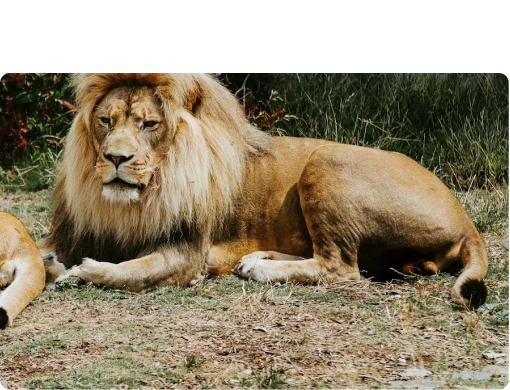
Aprikanong leon
MapanganibIsa sa mga pinakatanyag na hayop sa mundo, ang leon ng Africa ay simbolo ng lakas, sosyal na katalinuhan, at ligaw na Africa.

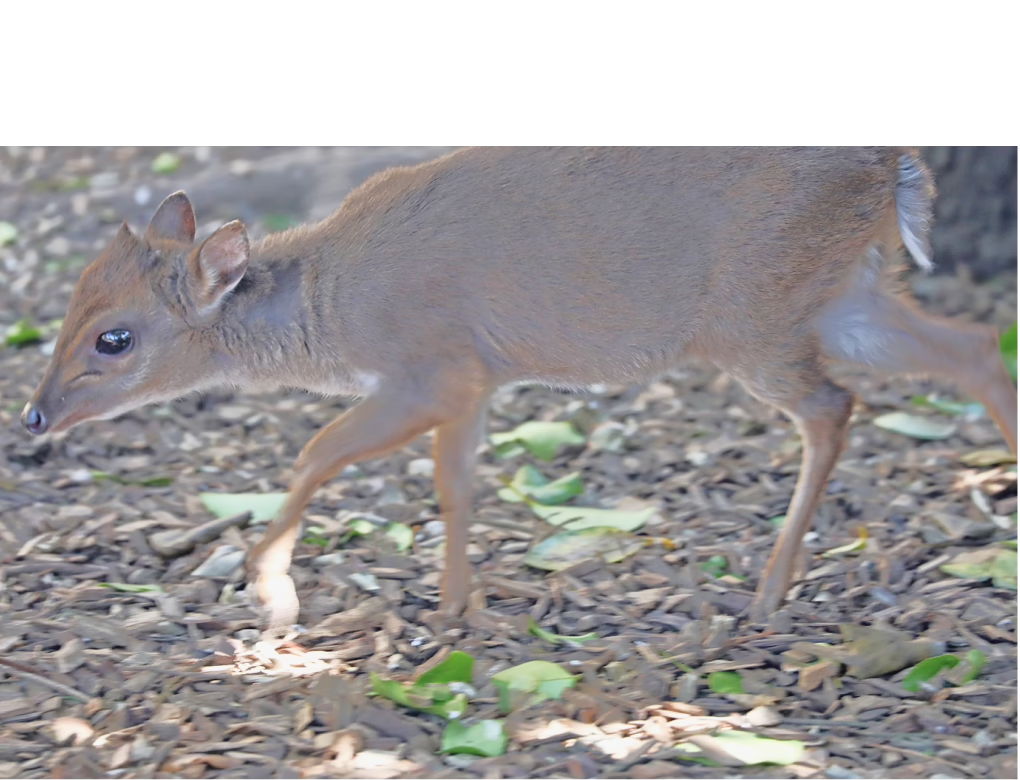
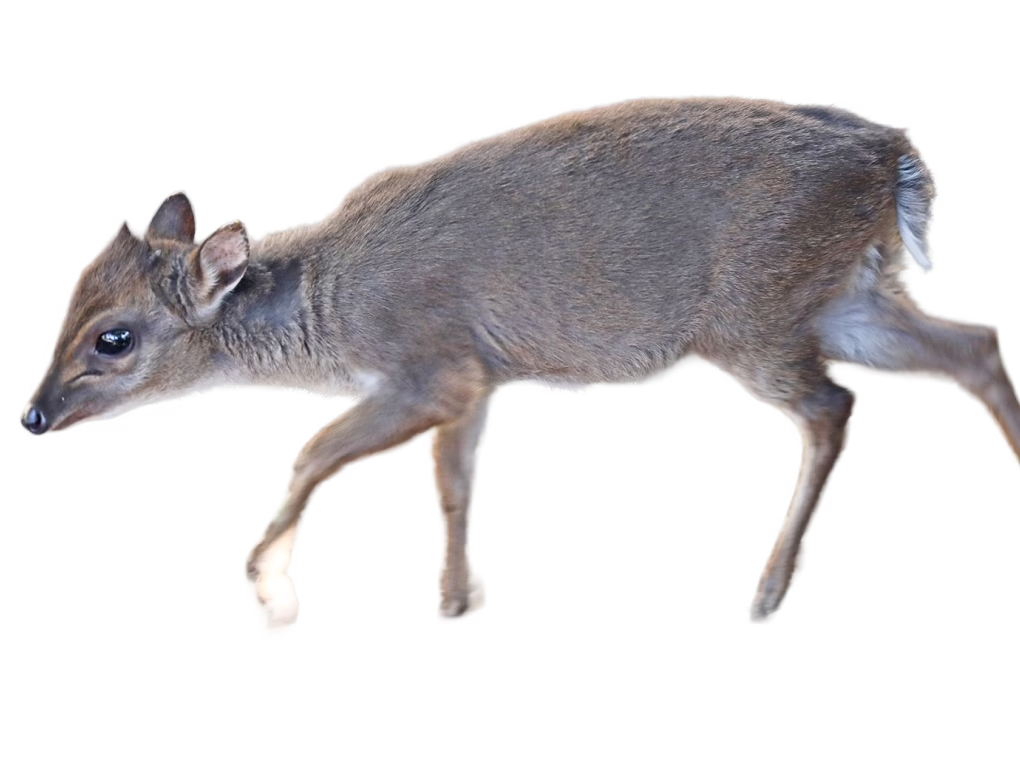
Blue duiker
Hindi Nakalulugod na KalagayanBilang pinakamaliit na species ng antelope at pinakamaliit na duiker sa mundo, mahalaga ang kanilang papel sa ekosistema ng kanilang kagubatan.
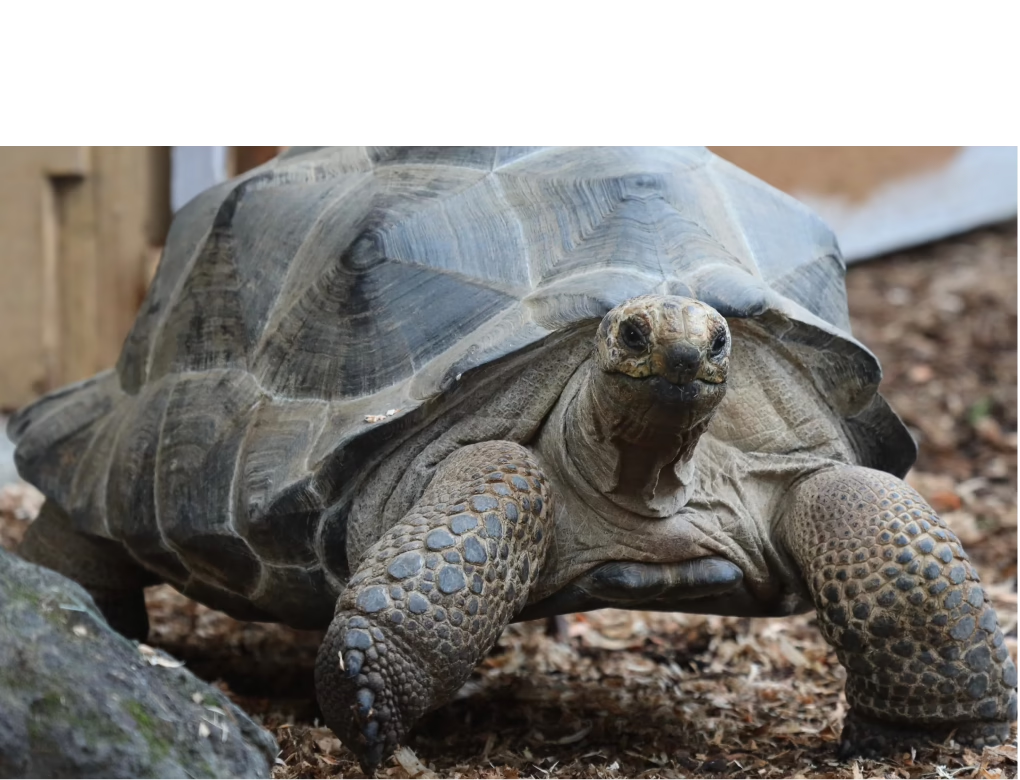
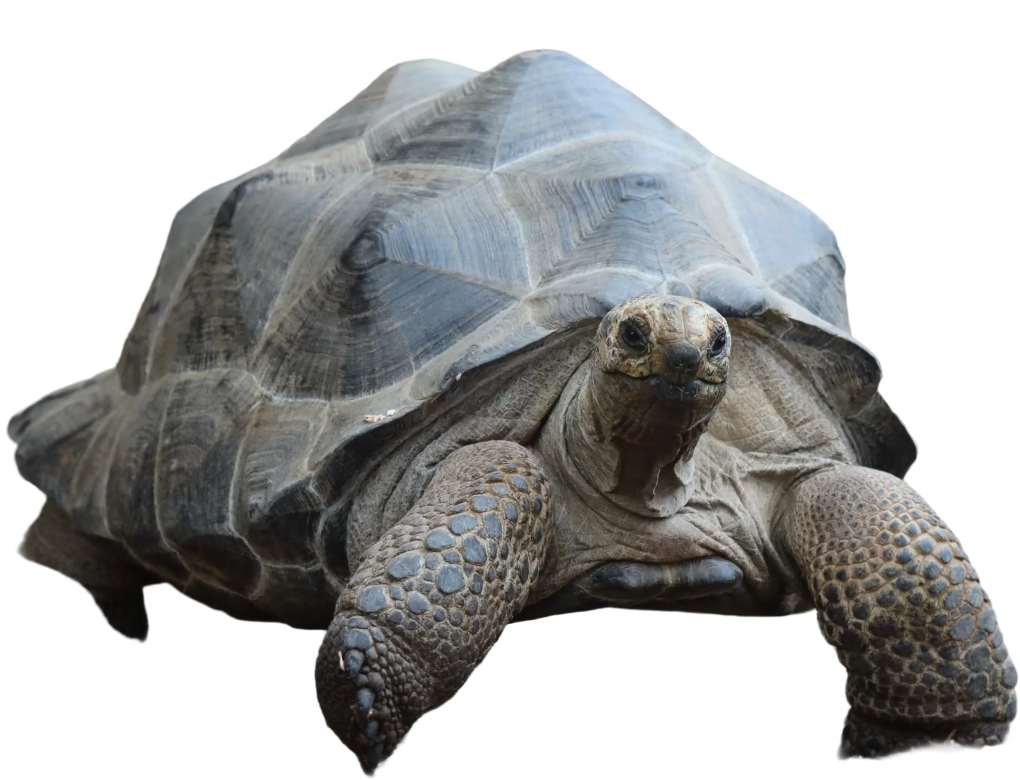
Aldabra tortoise
MapanganibBilang isa sa pinakamalaki at pinakamahaba ang buhay na mga land tortoise sa mundo, may ilan na tinatayang may 170 taon nang nabubuhay!
Toco toucan
Hindi Nakalulugod na KalagayanKilala sa malalaking bilog na balahibo at masiglang pag-uugali, ito ang pinakamalaking uri ng toucan.