



Sa Zoo
The Leanne B. Roberts African Savanna
Kamangha-manghang mga katotohanan
- Wild horse populations are largely feral animals; horses that were once domesticated but now roam free. The only true wild horse species are actually Przewalski’s horses found in Africa and Asia.
- When alarmed, zebras will announce danger with a barking alarm call that sounds like a hoarse “kua-kua” ending in a horse-like whinny.
- Grant’s zebras are the smallest subspecis of plains zebra, with shorter legs, and about 4 foot tall at the shoulder.
Mga pisikal na katangian
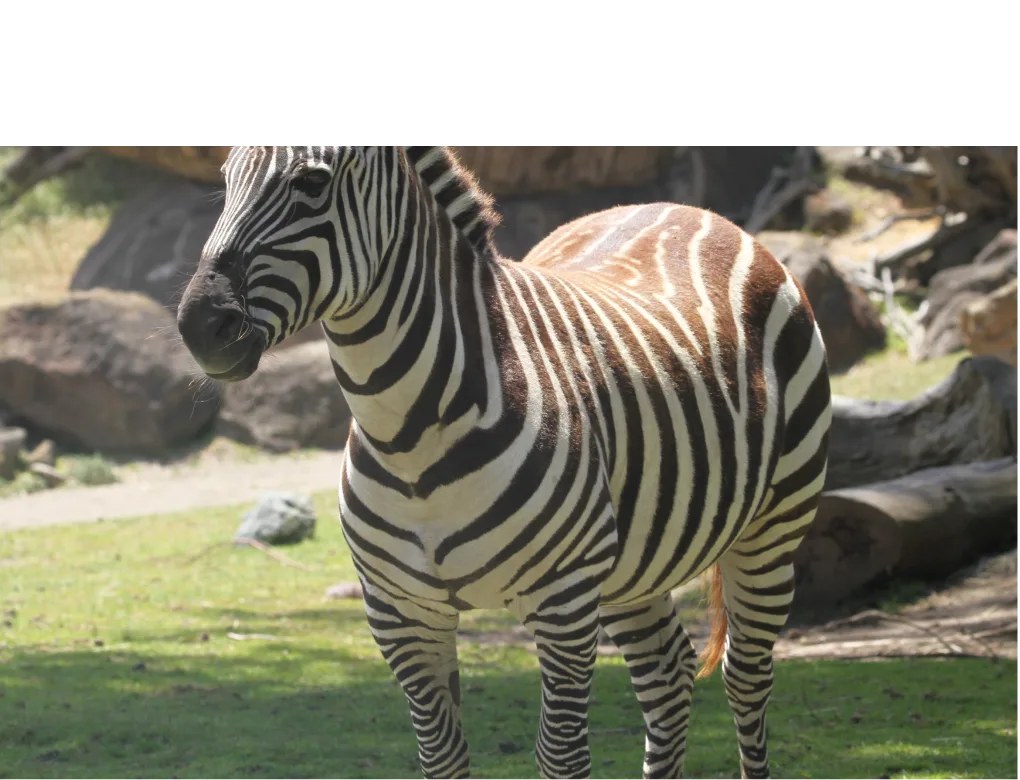
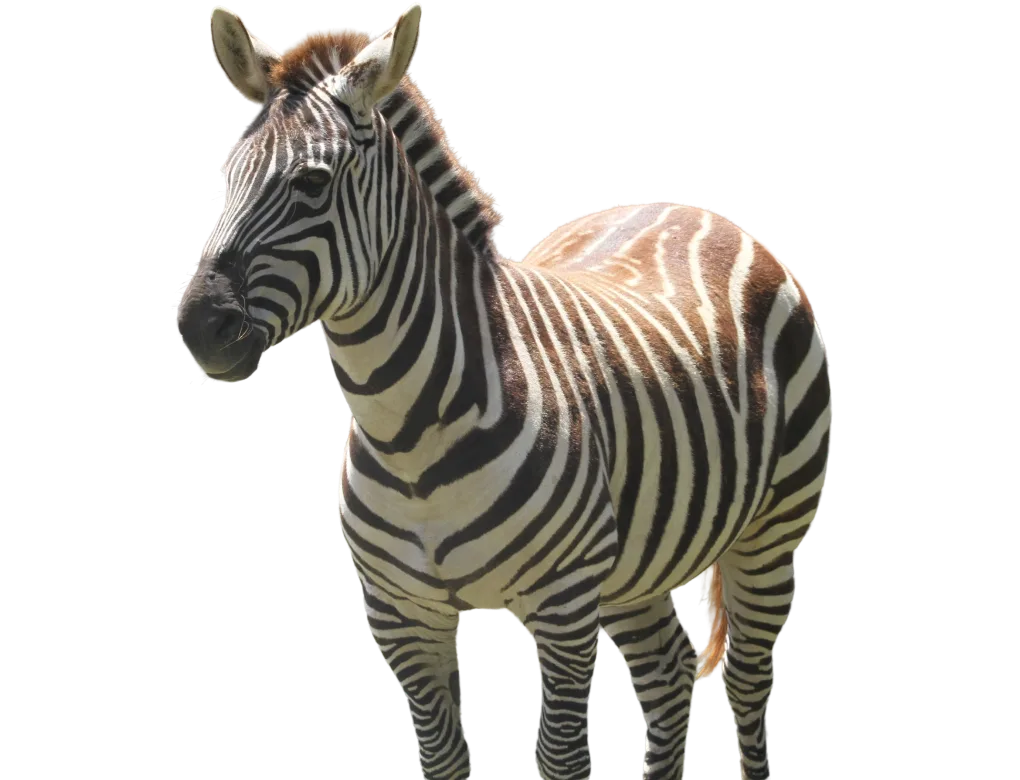
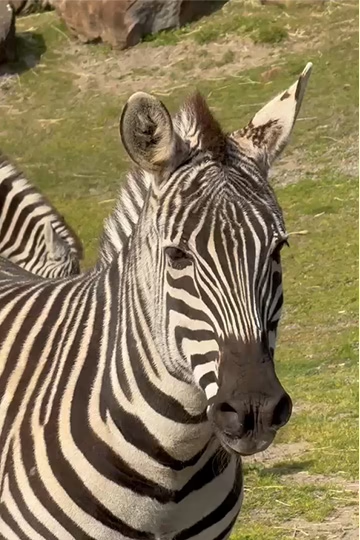
The zebra looks very much like a horse, although the mane is short and stands upright, and the body is stockier and relatively short-legged. Both males and females can weigh up to 800 pounds and stand 56 inches at the shoulder. The distinctive black and white stripes may make the zebra difficult to see in the light and shadow patterns of the grasslands. Stripes might also aid in temperature regulation and identification within the herd. Compared to other zebra subspecies, the Grant’s zebra has relatively thick stripes that meet at the belly and continue on the legs.
They have well developed sense of smell, hearing and vision in order to avoid predators and can run up to 40 miles per hour.
Lifespan is 20-25 years in the wild, and up to 29 years under human care.
Habitat
Grant’s zebra can be found in the grasslands, savannas and open country of eastern Africa including Kenya, Tanzania, Uganda, and parts of Ethiopia.
Diet
They prefer tall coarse grasses which, when removed, expose the shorter, more succulent blades preferred by wildebeest and gazelle. In the wild, they spend about 50% of their day grazing. At the Zoo, the zebras are fed a diet of hay, grain and browse.
Sosyal na pag-uugali
Within each herd, cohesive family sub-groups are composed of one stallion, several mares and young. Mares generally remain with their family group for many years. Often a group of 10 or 12 share a home range with wildebeest and ostrich. Surplus males may form bachelor herds; when males reach maturity, they may leave bachelor groups and attempt to establish their own family groups.
Lions are the most successful predators, preying chiefly on young, ill or aging zebras. When threatened, the herd will often form a circle around the most vulnerable members. Stallions will defend their herd from predators, like lions or hyenas, with kicks and butts, and they also commonly direct these efforts to challenging males. Stallions will fight for control of a harem of mares.
Single offspring are born after a gestation period of 360-396 days. Births can occur at any time during the year, although many births occur in the wet season. Foals weigh from 66-77 lbs, are striped brown and cream, and can stand and nurse very soon after birth.
Katayuan sa ligid
Grant’s zebras are listed as Least Concern by the IUCN. They are widespread and are not currently facing any serious threats; however, some localized populations have declined due to habitat loss, hunting and competition with domestic livestock. Fortunately, this species is able to recover from population loss, especially in protected areas.
Alam niyo ba?
How do zebras sleep?
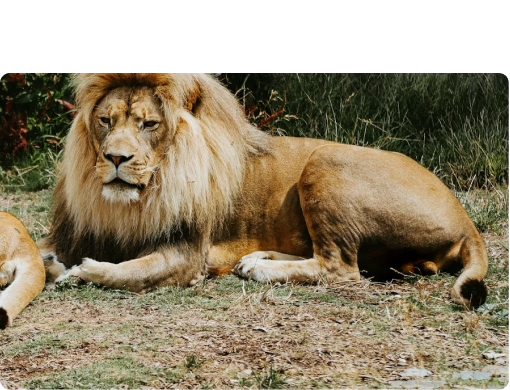
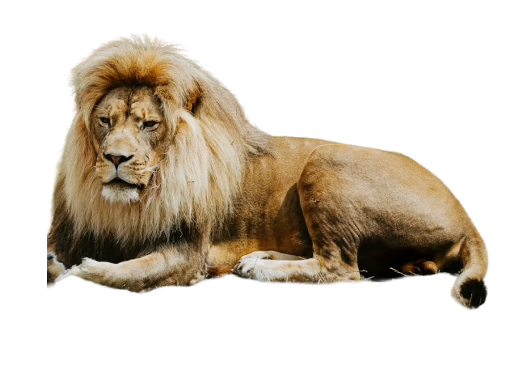
Aprikanong leon
MapanganibIsa sa mga pinakatanyag na hayop sa mundo, ang leon ng Africa ay simbolo ng lakas, sosyal na katalinuhan, at ligaw na Africa.
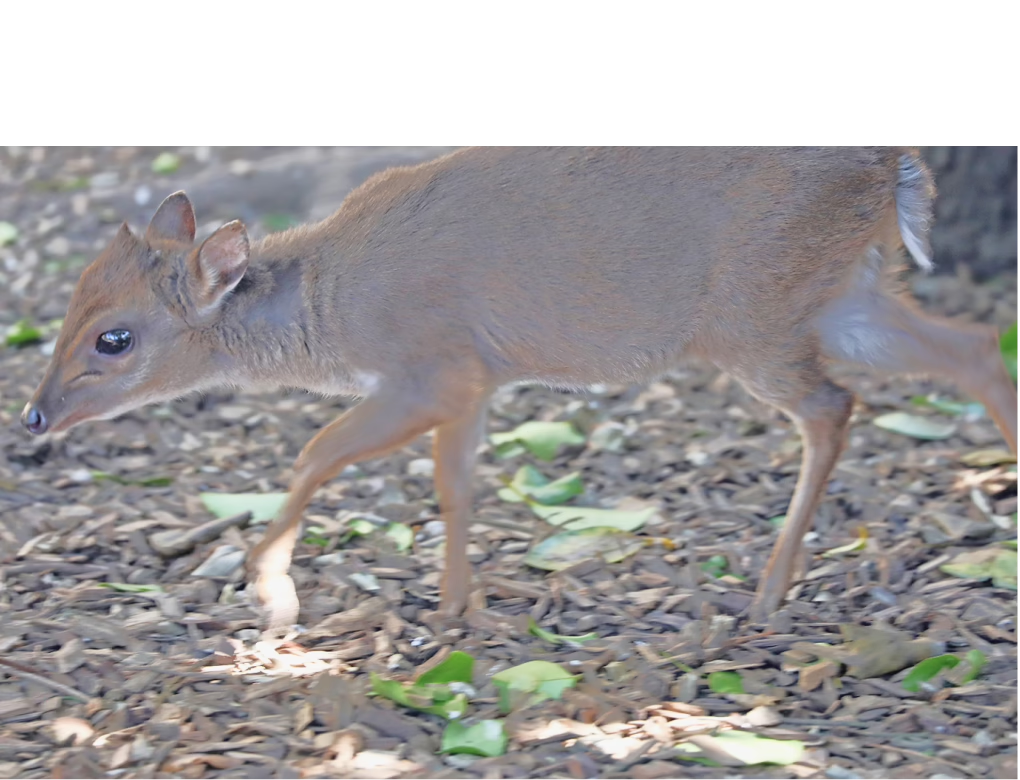
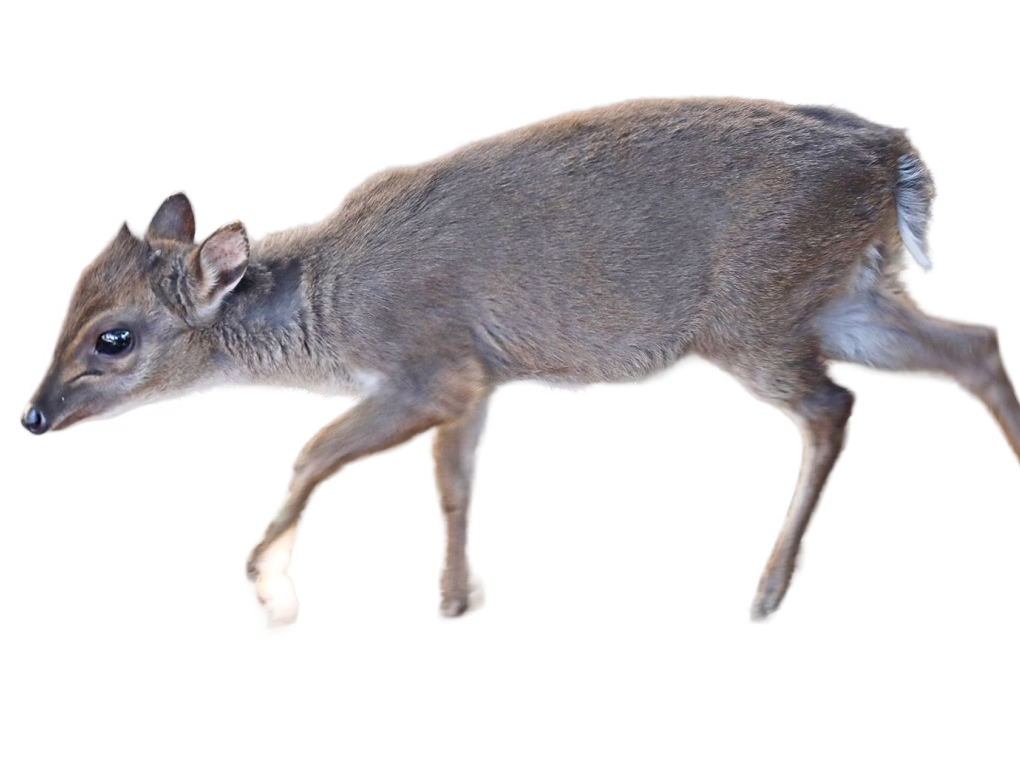
Blue duiker
Hindi Nakalulugod na KalagayanBilang pinakamaliit na species ng antelope at pinakamaliit na duiker sa mundo, mahalaga ang kanilang papel sa ekosistema ng kanilang kagubatan.
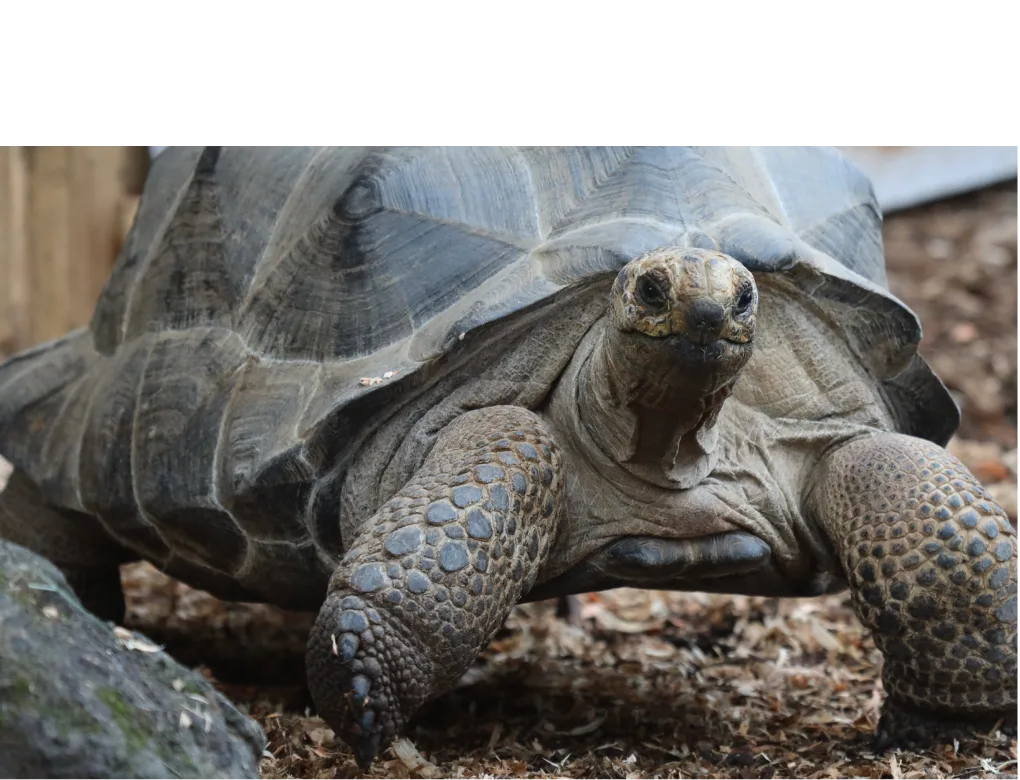
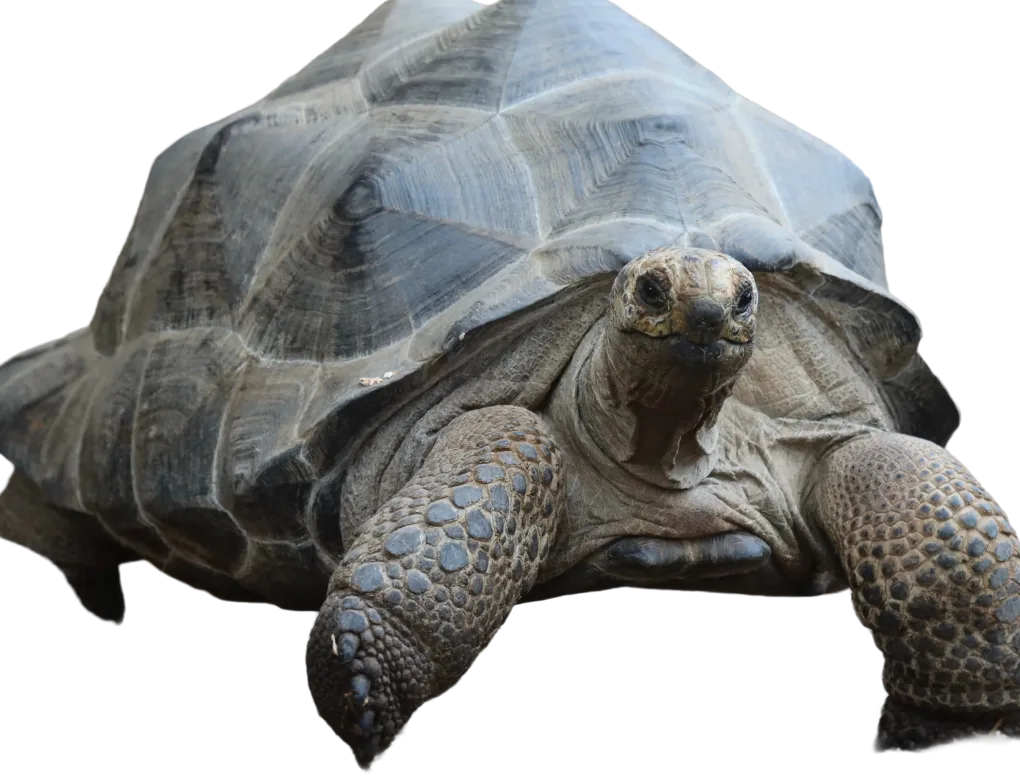
Aldabra tortoise
MapanganibBilang isa sa pinakamalaki at pinakamahaba ang buhay na mga land tortoise sa mundo, may ilan na tinatayang may 170 taon nang nabubuhay!
Toco toucan
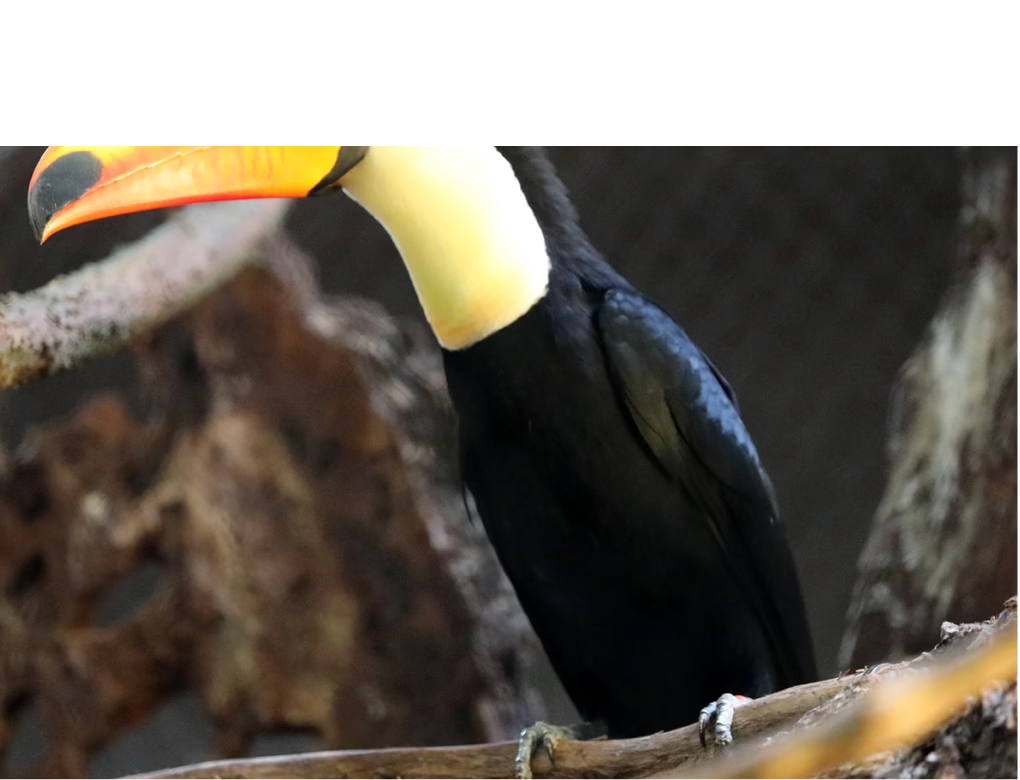
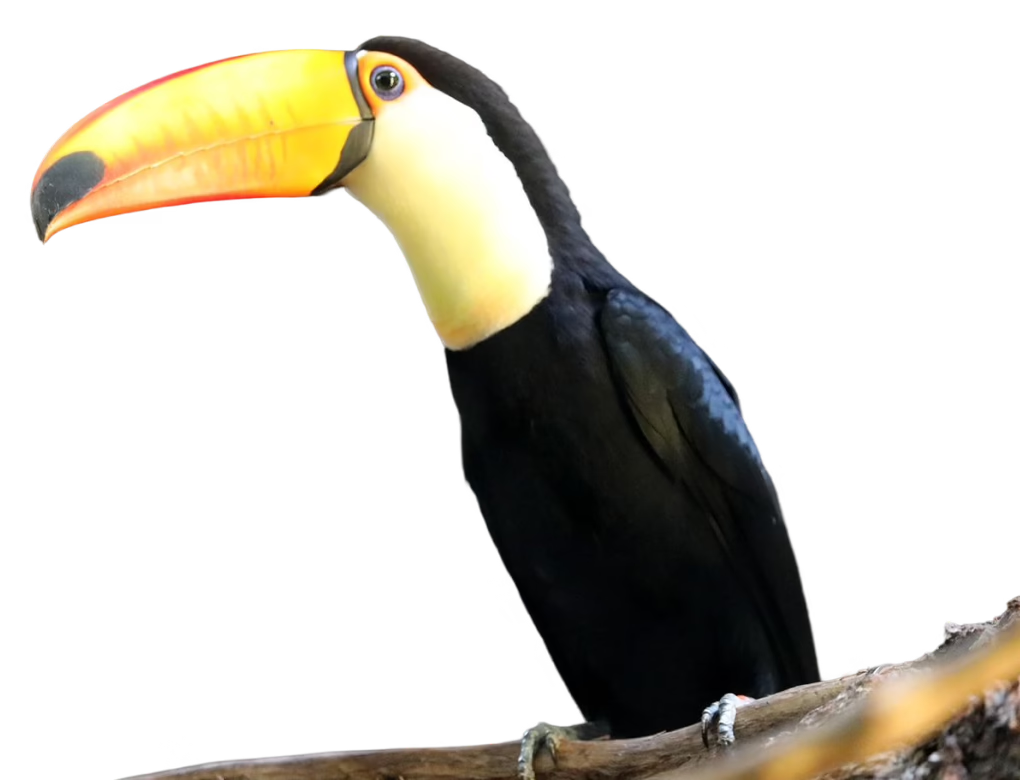
Hindi Nakalulugod na KalagayanKilala sa malalaking bilog na balahibo at masiglang pag-uugali, ito ang pinakamalaking uri ng toucan.