

Sa Zoo
Insect Zoo
Kamangha-manghang mga katotohanan
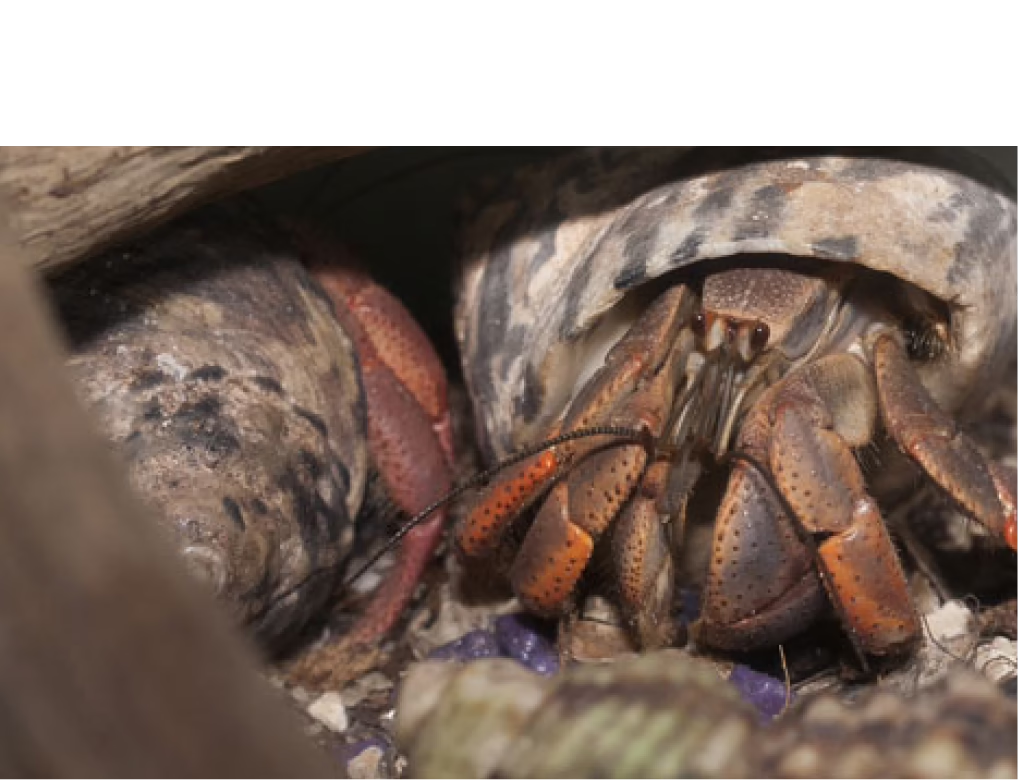
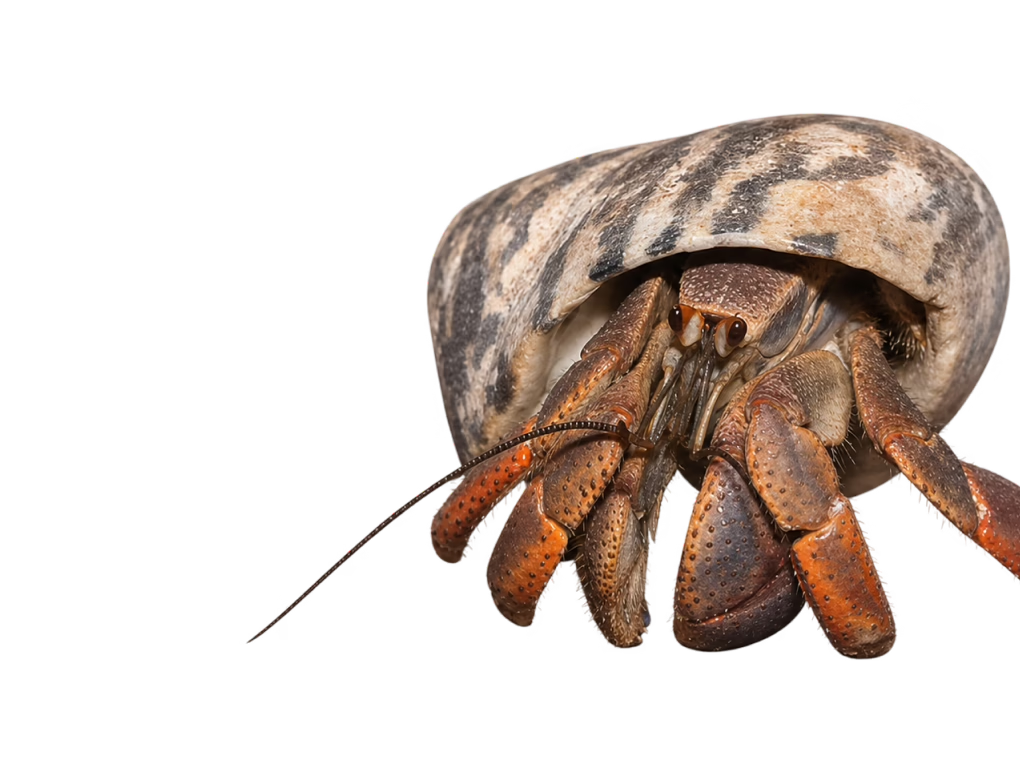
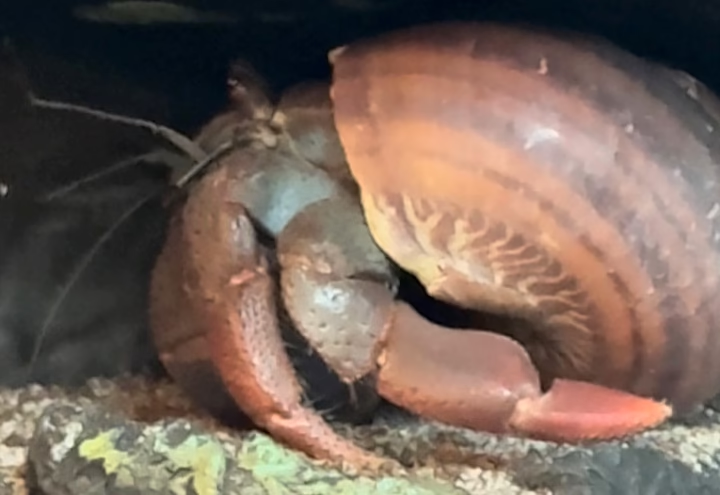
- Habang lumalaki ang laki ng hermit crab, kailangan nitong hanapin ang mas malaking shell at iwan ang dating ito. Ang ugaling ito na naninirahan sa isang shell na ginamit na ay nagdulot ng popular na pangalang “hermit crab”, bilang paghahambing sa isang hermit na naninirahan nang mag-isa.
- Hermit crabs have been heard making croaking sounds.
Mga pisikal na katangian
Most species have long, spirally curved abdomens, which are soft, unlike the hard, calcified abdomens seen in related crustaceans. The vulnerable abdomen is protected from predators by a salvaged empty seashell carried by the hermit crab, into which its whole body can retract.
Habitat
Land hermit crabs of many different species are found in tropical areas of the Indo-region, the western Atlantic, and the western Caribbean. They live close to the shoreline and must have access to land and water.
Diet
In the wild, hermit crabs are omnivorous scavengers, meaning they eat whatever they can find. At the Zoo, they are fed fish food, crab food, and various fruits and vegetables.
Sosyal na pag-uugali
Hermit crabs are nocturnal. They are most active during the night and they truly love the dark.
>As a hermit crab grows, it molts, shedding its exoskeleton and creating a new, larger one. A crab builds up enough water pressure in its body to split the old skin. A crab may eat its molted skin, possibly for its calcium, vitamins, and minerals.
Katayuan sa ligid
The land hermit crab is common and most are not globally endangered, but some regional populations face local threats and the commercial pet trade is unsustainable. Most land hermit crabs found in pet stores were taken from the wild as they do not successfully breed under human care.
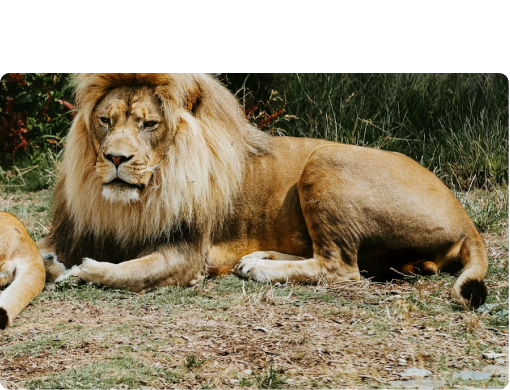
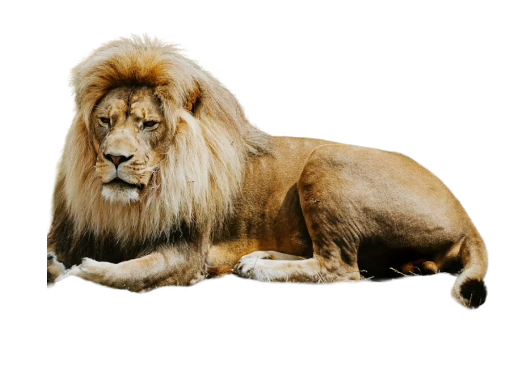
Aprikanong leon
MapanganibIsa sa mga pinakatanyag na hayop sa mundo, ang leon ng Africa ay simbolo ng lakas, sosyal na katalinuhan, at ligaw na Africa.
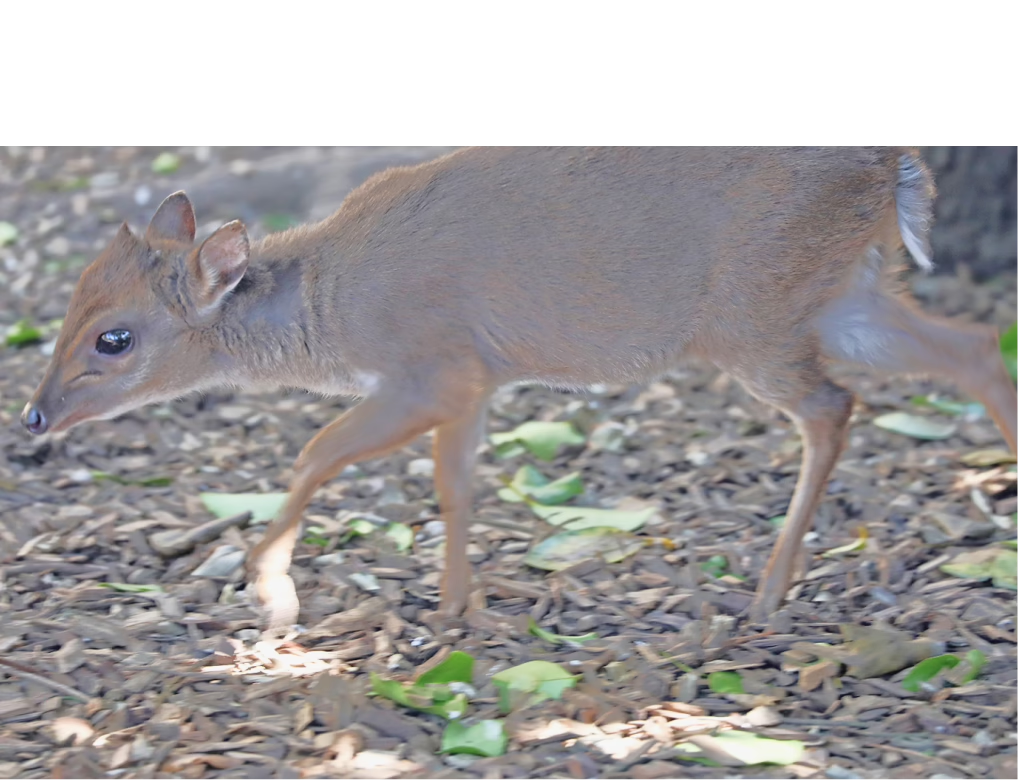
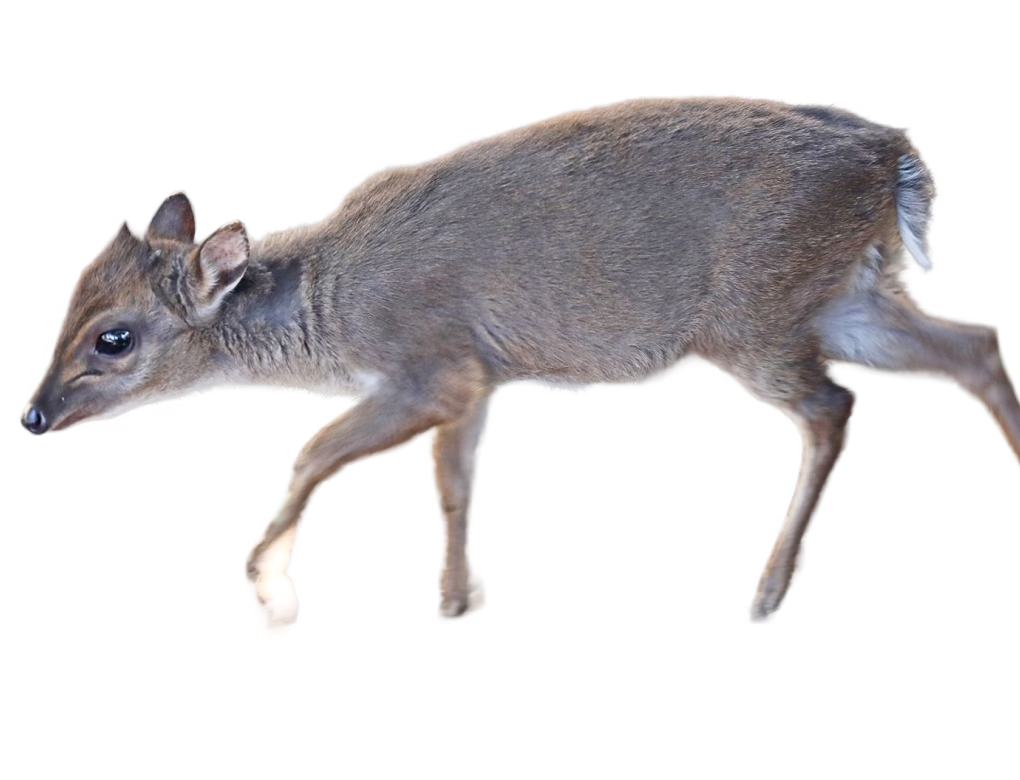
Blue duiker
Hindi Nakalulugod na KalagayanBilang pinakamaliit na species ng antelope at pinakamaliit na duiker sa mundo, mahalaga ang kanilang papel sa ekosistema ng kanilang kagubatan.
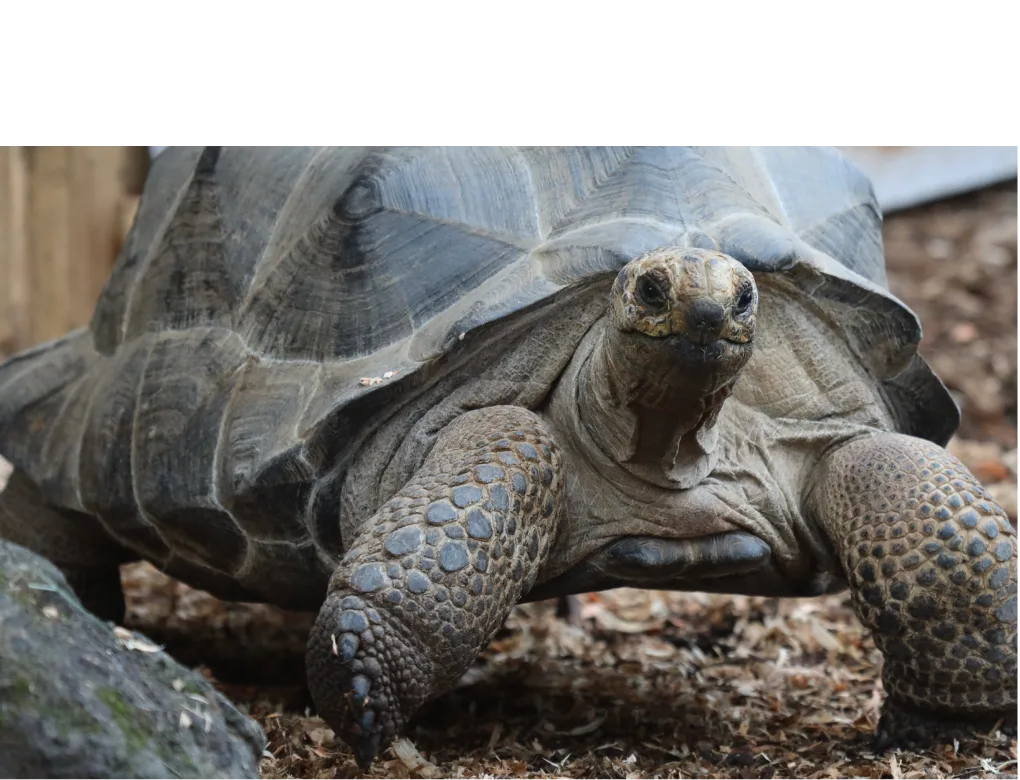
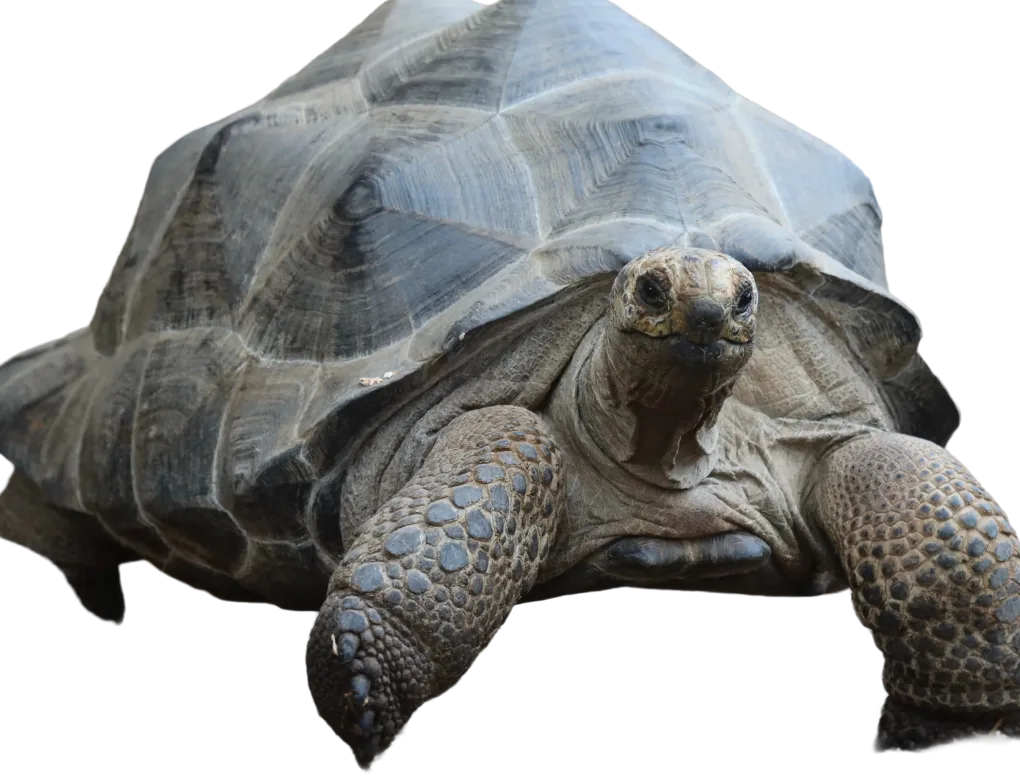
Aldabra tortoise
MapanganibBilang isa sa pinakamalaki at pinakamahaba ang buhay na mga land tortoise sa mundo, may ilan na tinatayang may 170 taon nang nabubuhay!
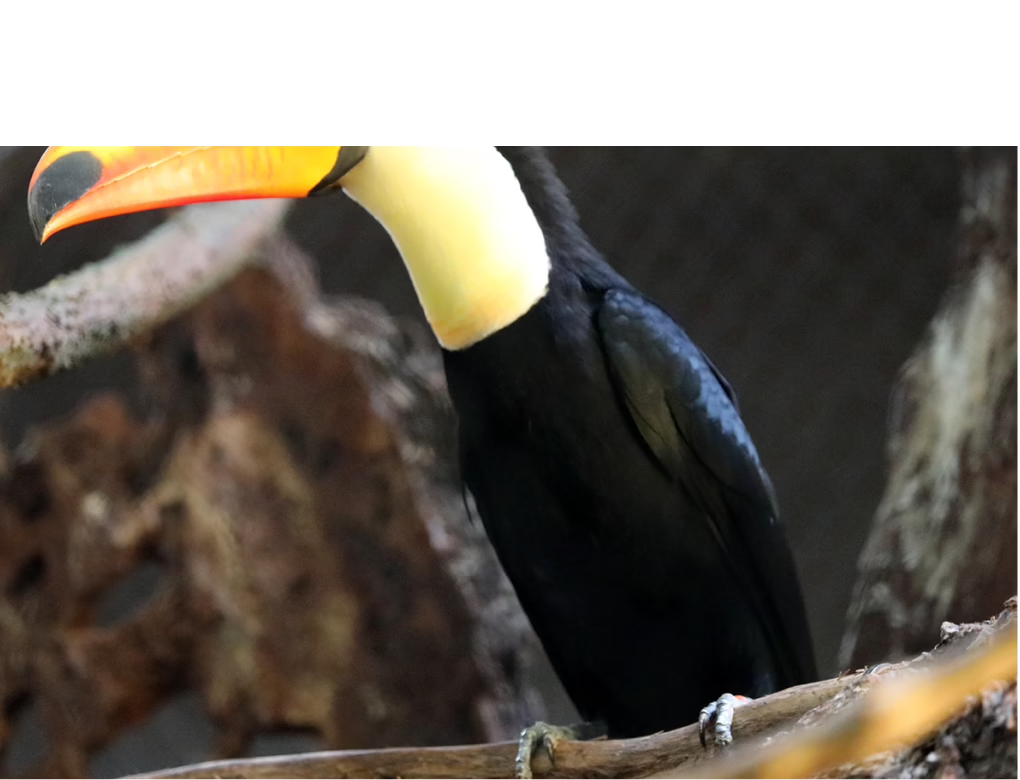
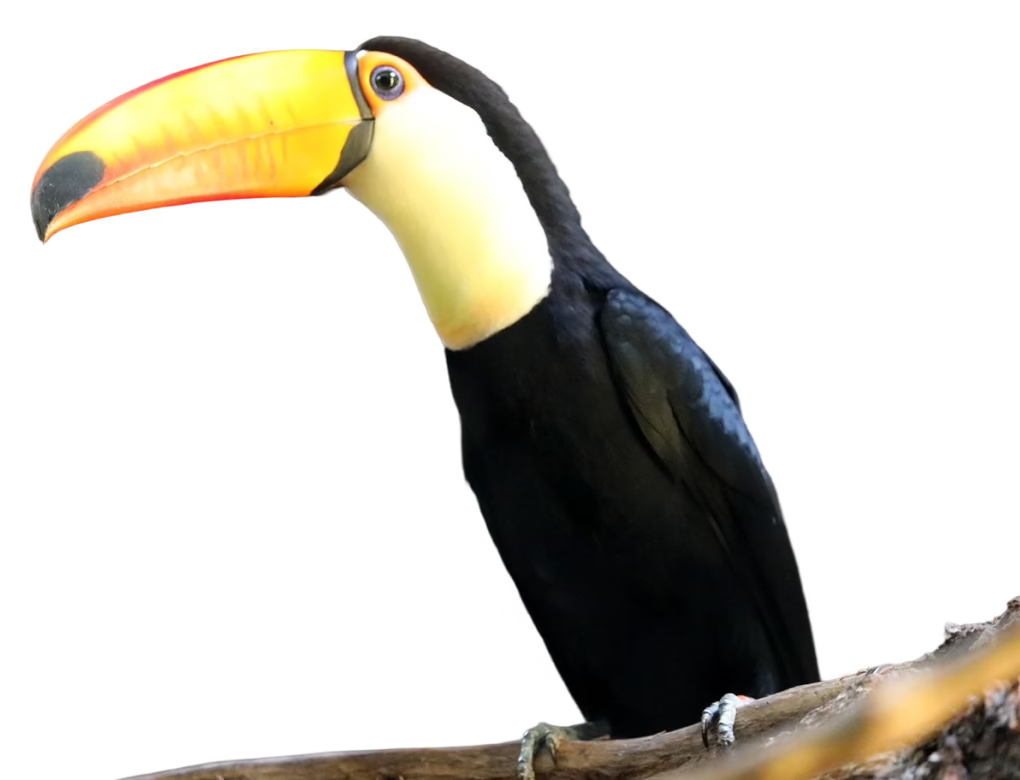
Toco toucan
Hindi Nakalulugod na KalagayanKilala sa malalaking bilog na balahibo at masiglang pag-uugali, ito ang pinakamalaking uri ng toucan.