



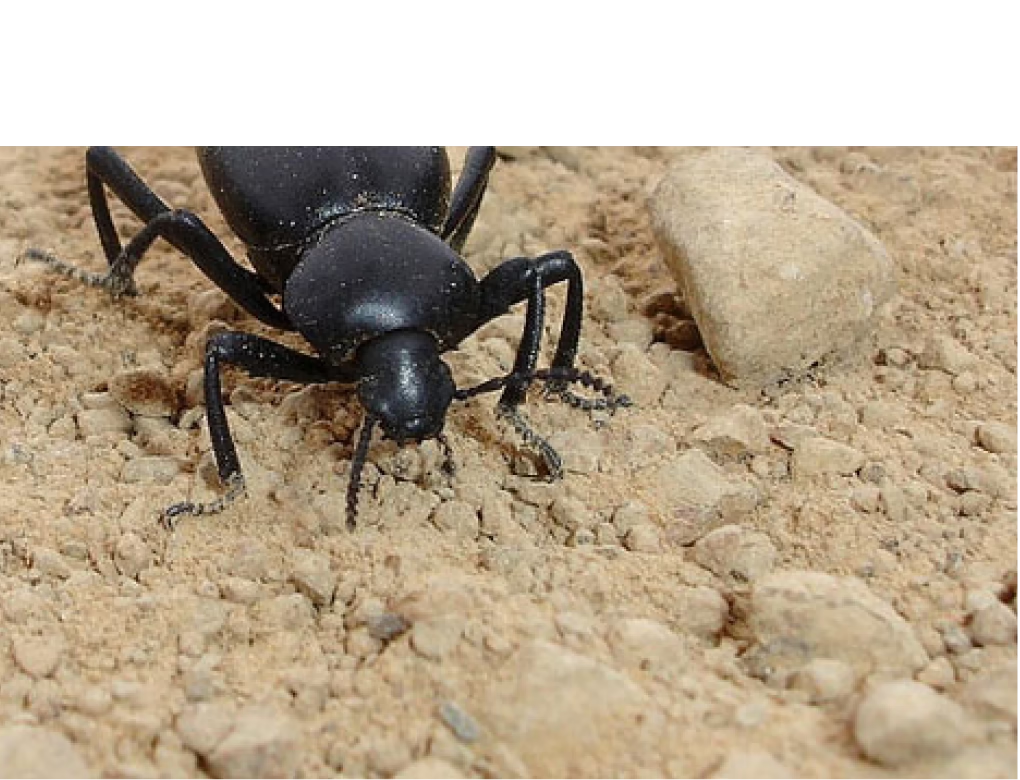
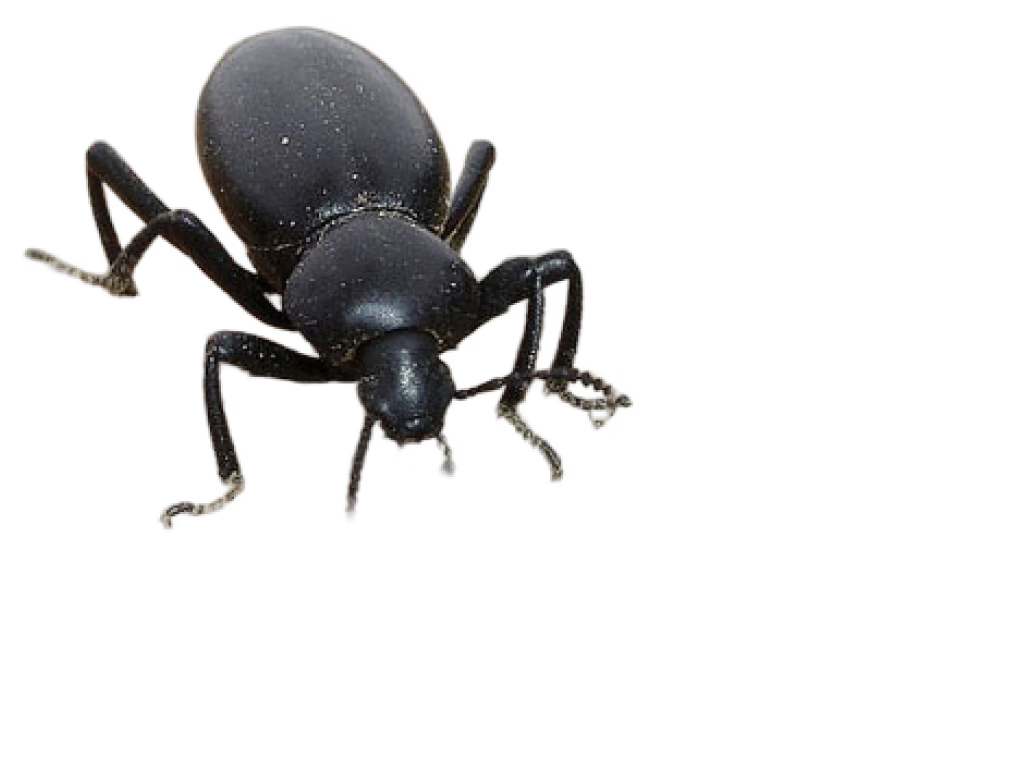
Pinnacate BeetleEleodes
Nakakaganyak na mga Katotohanan
- These beetles do not need to drink and can produce water metabolically.
- When disturbed , they will stand on their heads and elevate their rear end and emit a foul-smelling odor. This emission makes them unpalatable to would-be predators. Hence an alternate common name of “stink beetle” (NOT bug!)
Mga Pisikal na Katangian
The forewing (elytra) are fused so this beetle is flightless. They have chewing mouthparts and adults have a hard exoskeleton, smooth and black and are a little over an inch long. Antennae are thread-like, but some species’ are slightly enlarged at the terminal end and appear club-like. Complete metamorphosis with the egg laid in soil, the pupa under soil and the adult will live 3-15 years. The larvae are slender, cylindrical, light brown and worm-like, but with six legs; similar looking to a commercial mealworm. The larval stage may molt 9-20 times. Unable to tell males from females without a microscope and dissection.
Lokasyong tirahan/pagkain
The Pinnacate beetle live in Western U.S. from Arizona to California. 100 species in this genus in California. Common in many habitats but especially adapted to arid regions. They are general feeders and scavengers, and are ground-dwelling nocturnal beetles. Normally they are found under rocks and logs during the day. In the wild, they eat decaying plant matter. And at the Zoo, they are fed Apple, monkey chow, and lettuce.
Sosyal na Pag-uugali
When disturbed, some beetles (genus Eleodes) assume a defensive posture in which they stand on their head and release chemicals from a scent gland in the rear that produces noxious odors and turns skin brown.
Katayuan sa Kalikasan
Pinnacate Beetles are common and not endangered.
Iba pa
Pinnacate beetles can be found at the Insect Zoo.
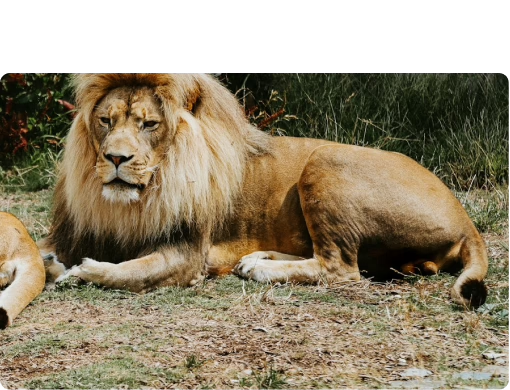
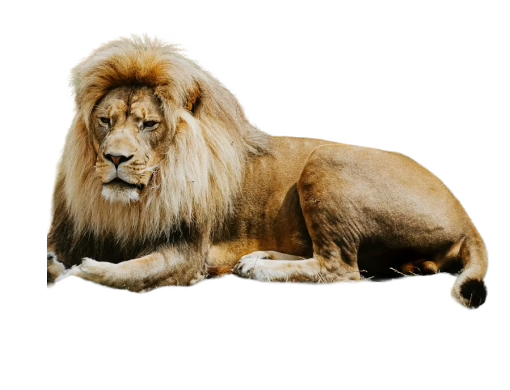
Aprikanong leon
MapanganibIsa sa mga pinakatanyag na hayop sa mundo, ang leon ng Africa ay simbolo ng lakas, sosyal na katalinuhan, at ligaw na Africa.
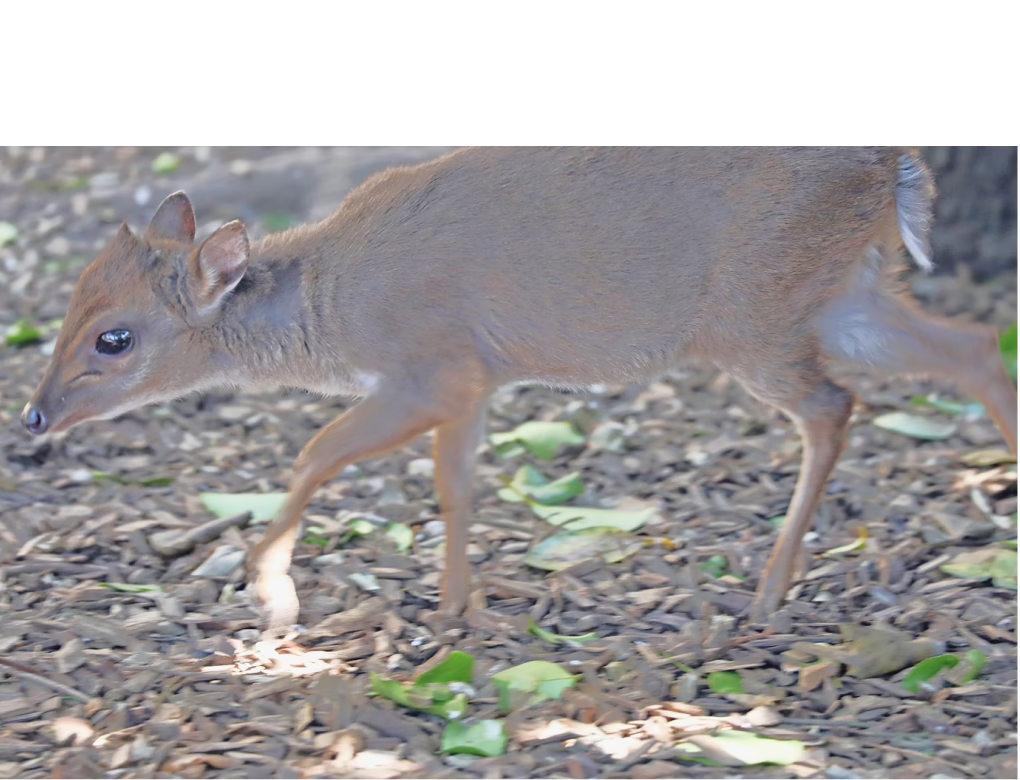
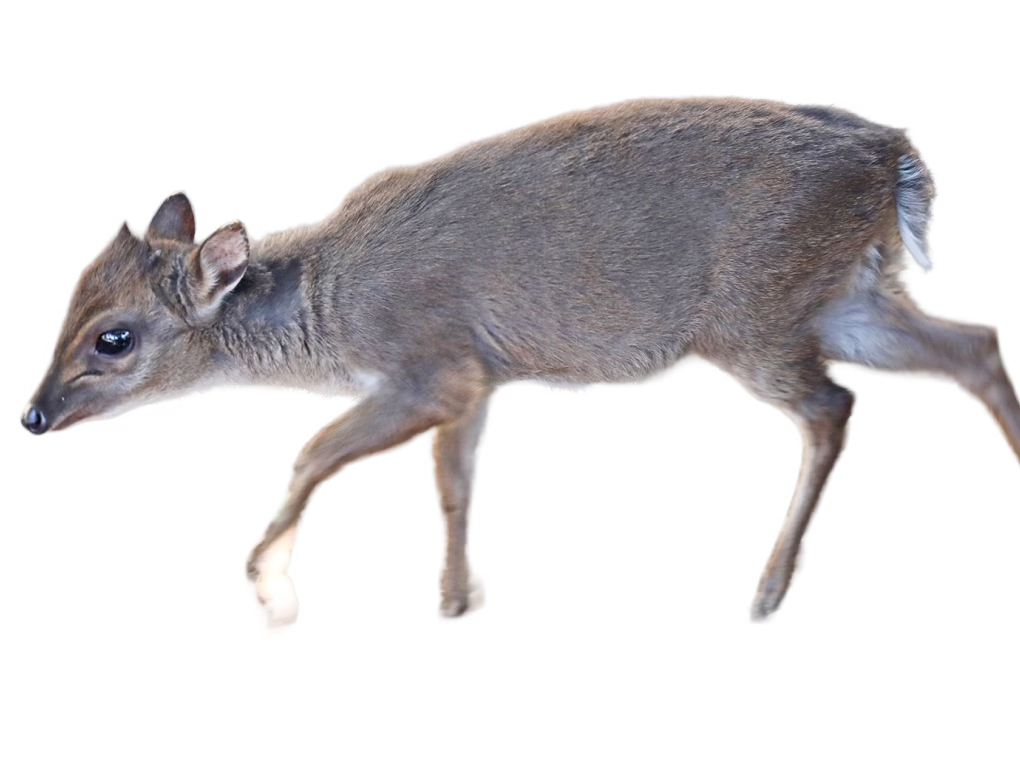
Blue duiker
Hindi Nakalulugod na KalagayanBilang pinakamaliit na species ng antelope at pinakamaliit na duiker sa mundo, mahalaga ang kanilang papel sa ekosistema ng kanilang kagubatan.
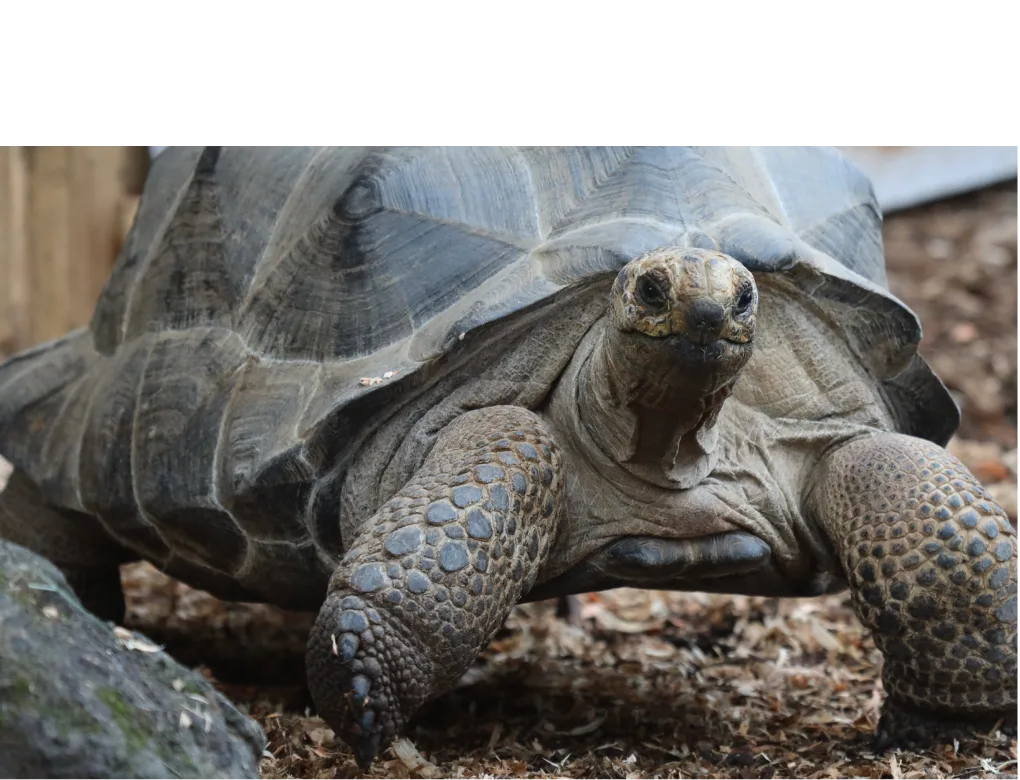
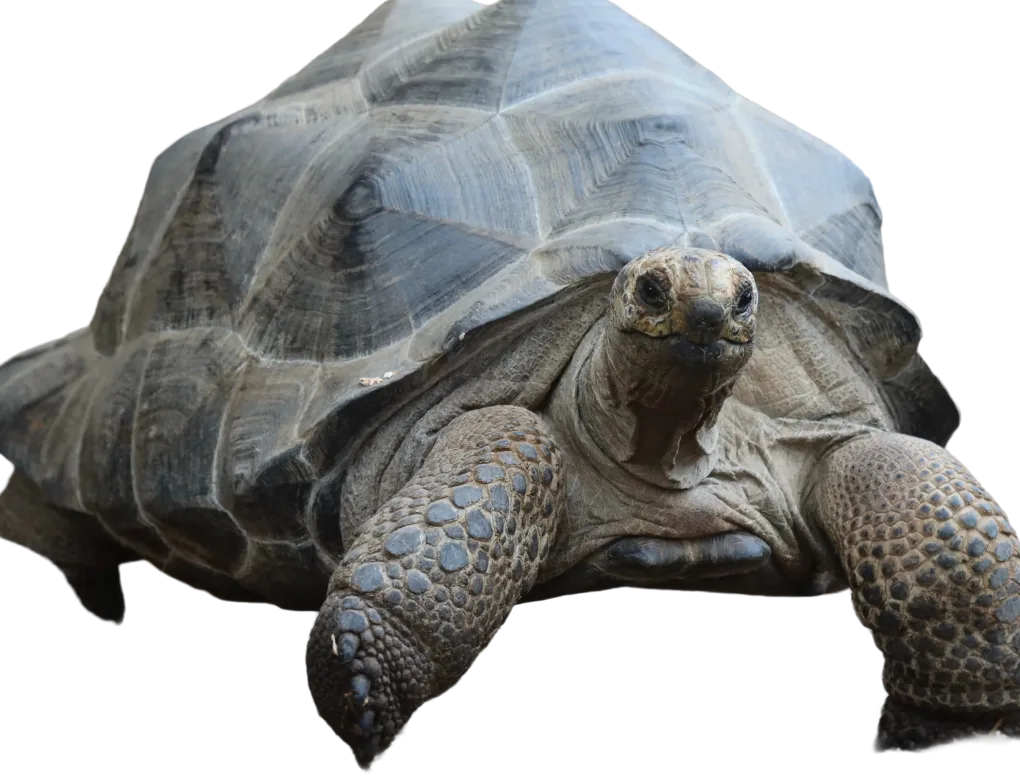
Aldabra tortoise
MapanganibBilang isa sa pinakamalaki at pinakamahaba ang buhay na mga land tortoise sa mundo, may ilan na tinatayang may 170 taon nang nabubuhay!
Toco toucan
Hindi Nakalulugod na KalagayanKilala sa malalaking bilog na balahibo at masiglang pag-uugali, ito ang pinakamalaking uri ng toucan.