



Sa Zoo
African Aviary, part of the Leanne B. Roberts African Savanna.
Nakakaganyak na mga Katotohanan
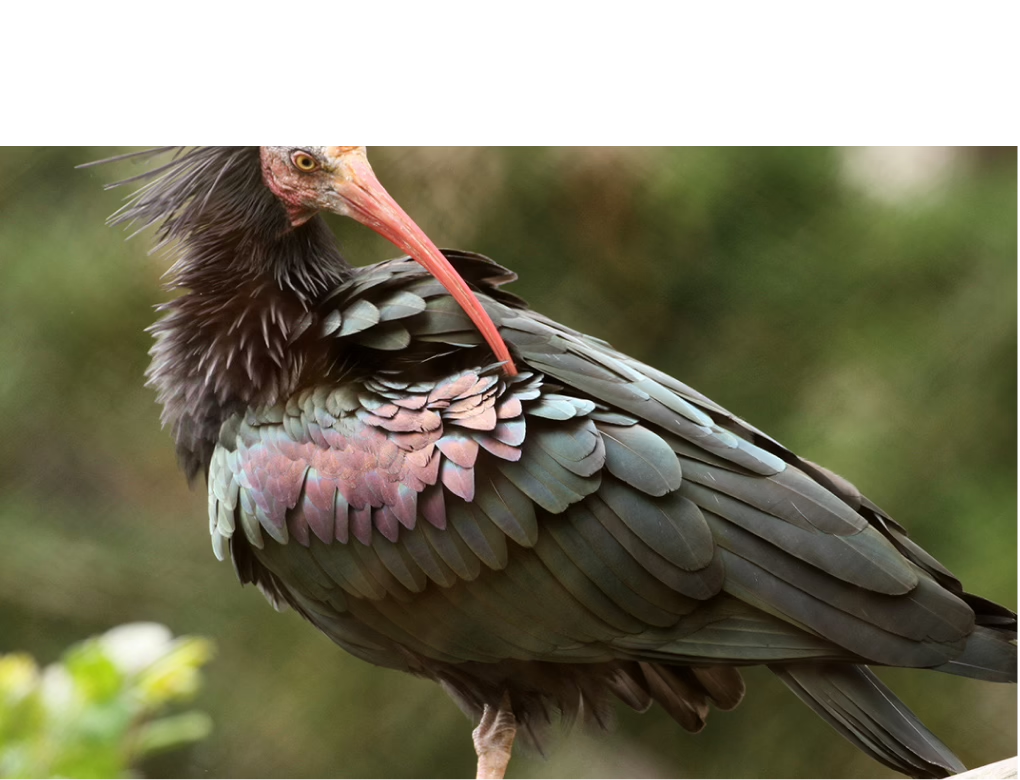
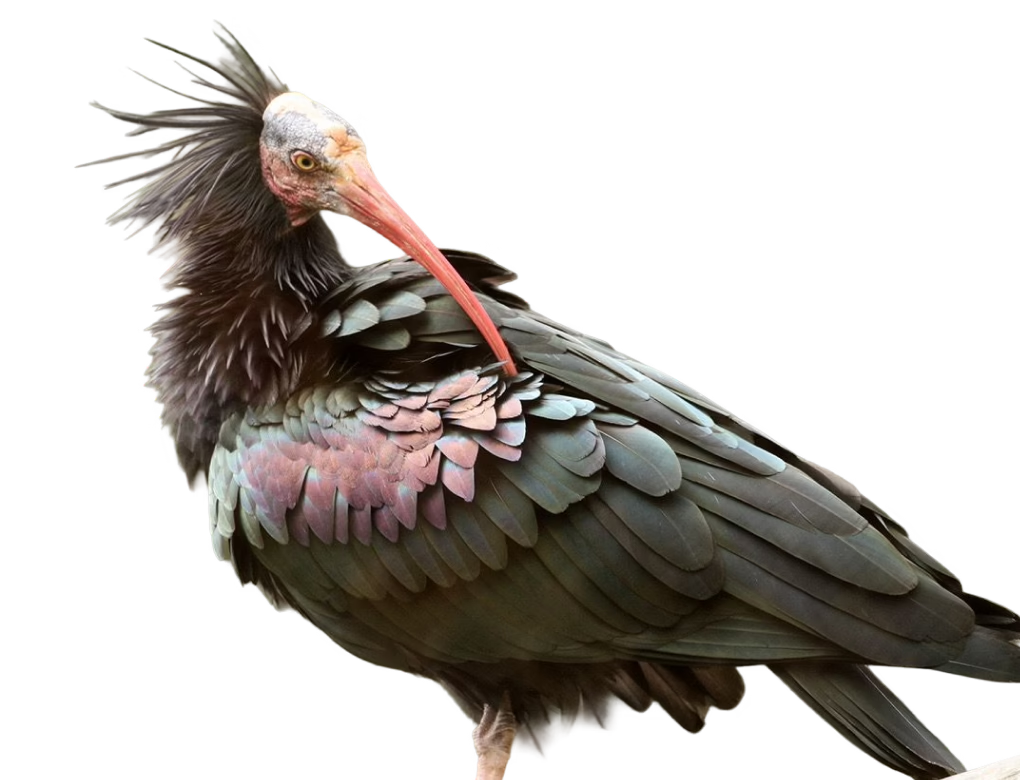
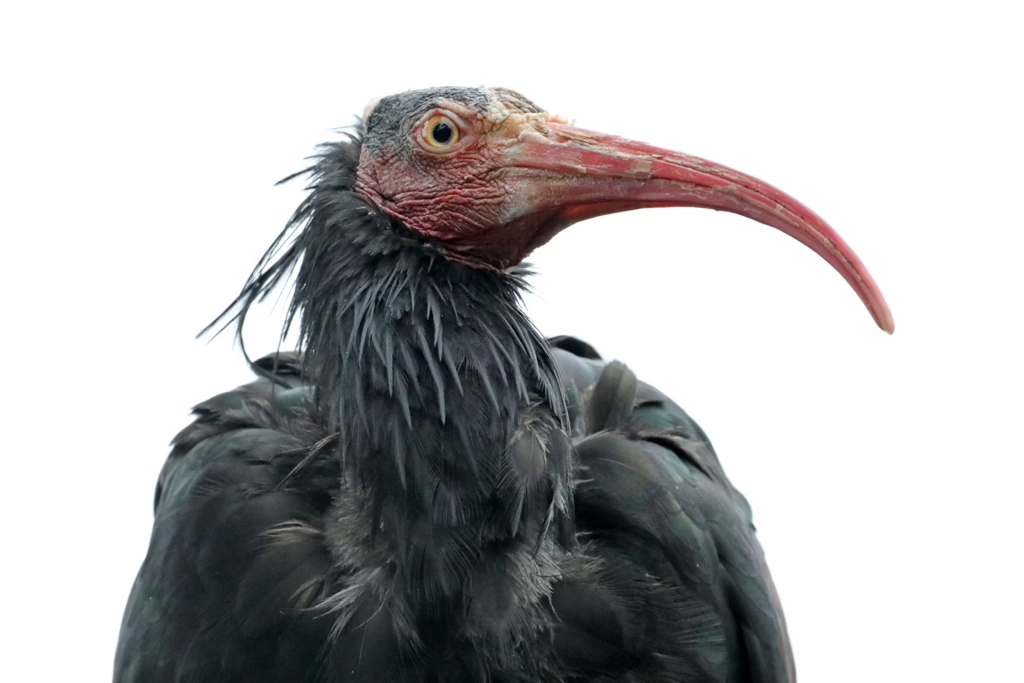
- They are also commonly known as northern bald ibis.
- Along with one other species of ibis, the Waldrapp was considered sacred in ancient Egypt.
- Their long, sensitive bill is well adapted for plucking small insects from soil or water.
Mga Pisikal na Katangian
These birds have a mostly black plumage with iridescent shades of green, violet and blue. Their head and neck are red and featherless, with exception to a shaggy ruff of feathers around the base of the neck. Their long downward-curving bill is also red. Both males and females have this coloration and are about the same size. Juvenile birds are duller in color, lacking the iridescent sheen, and have a grey head.
Lifespan is approximately 24 years.
Habitat
Historically these birds had a large range; today, they exist in small areas in Morocco, Syria and Turkey. They are found mostly in open, dry areas but also inhabit coastlines, wetlands, shallow river banks and rocky areas.
Diet
Waldrapp ibis are ominvores; eating insects, snails, small reptiles, other small birds, fish, mice, worms, carrion, as well as berries and aquatic plants.
Sosyal na Pag-uugali
These gregarious birds gather in groups of just a few individuals to around 100 birds. During most of the year they are found in loosely structured flocks of about 40. They spend much of their time foraging together during the day and roosting in trees or cliff edges at night. In the western parts of their range the birds are not migratory, but do tend to make seasonal migrations in Syria.
In February and March, they build nests of sticks on ledges of high cliffs near water. Both male and females help to create the nest and care for young. The female lays 2-4 eggs that are incubated for 24-28 days. Chicks fledge at 42-50 days; at this point they are completely feathered but will not acquire adult plumage until seven years of age.
Katayuan sa Kalikasan
Waldrapp ibis are listed as critically endangered by the IUCN; in fact, they are among the world’s most endangered avian species. Once common across central Europe, northern Africa and the Middle East, they are now isolated to sites where only about 420 wild birds remain. Waldrapp ibis are threatened by habitat loss as a result of wetland drainage and the creation of dams. Additionally, uncontrolled hunting, pesticides and climate change contribute to their population decline.
Thanks to an internationally coordinated Species Survival Plan, in which San Francisco Zoo participates, there are over 1,100 Waldrapp ibis in captivity. Offspring from zoos have even been released back to the wild, so that some colonies in Turkey consist entirely of captive-hatched ibis.
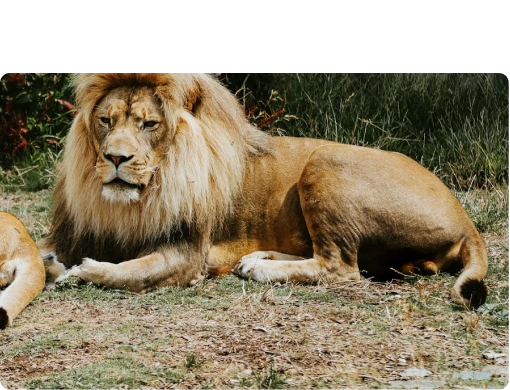
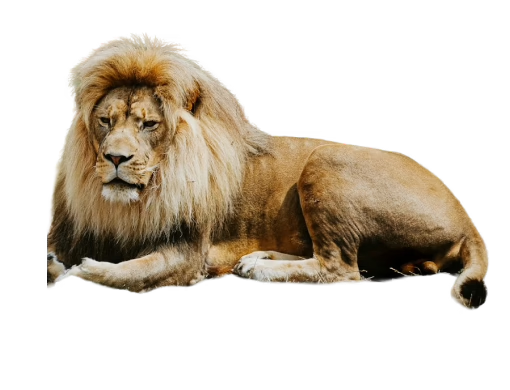
Aprikanong leon
MapanganibIsa sa mga pinakatanyag na hayop sa mundo, ang leon ng Africa ay simbolo ng lakas, sosyal na katalinuhan, at ligaw na Africa.
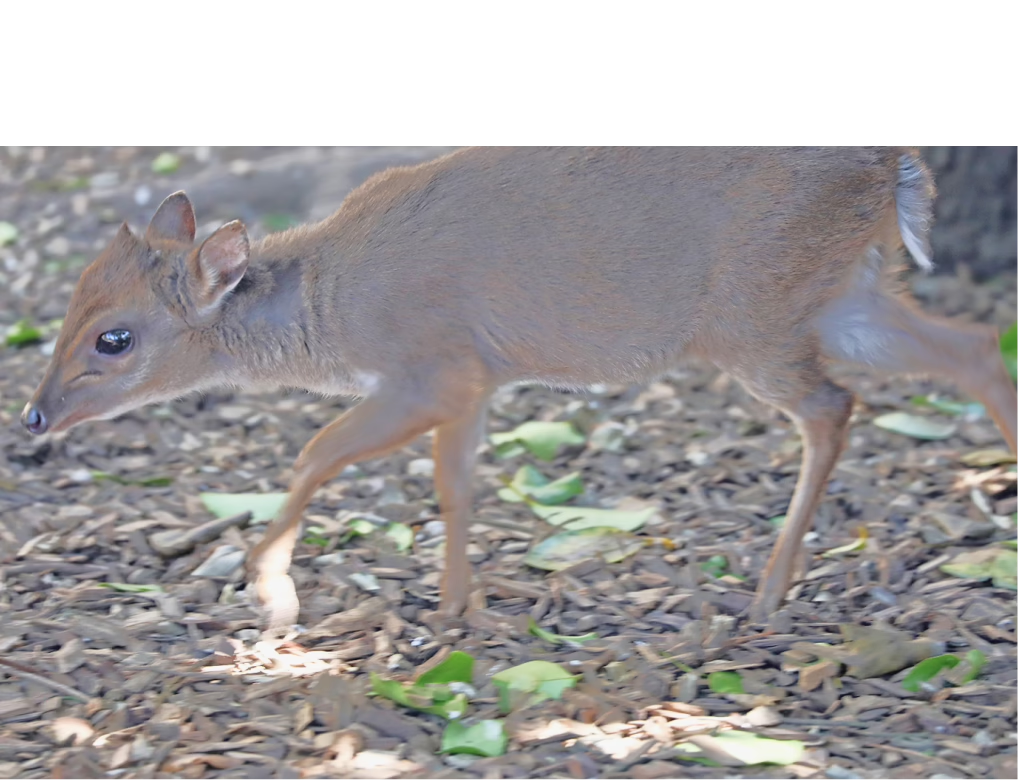
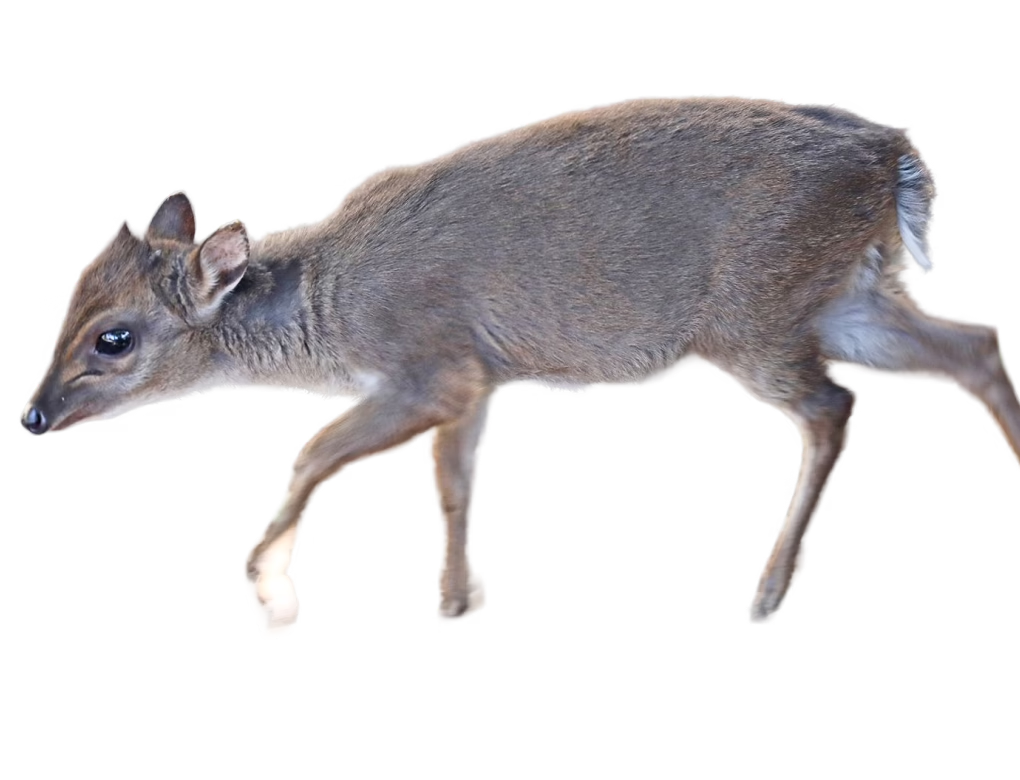
Blue duiker
Hindi Nakalulugod na KalagayanBilang pinakamaliit na species ng antelope at pinakamaliit na duiker sa mundo, mahalaga ang kanilang papel sa ekosistema ng kanilang kagubatan.
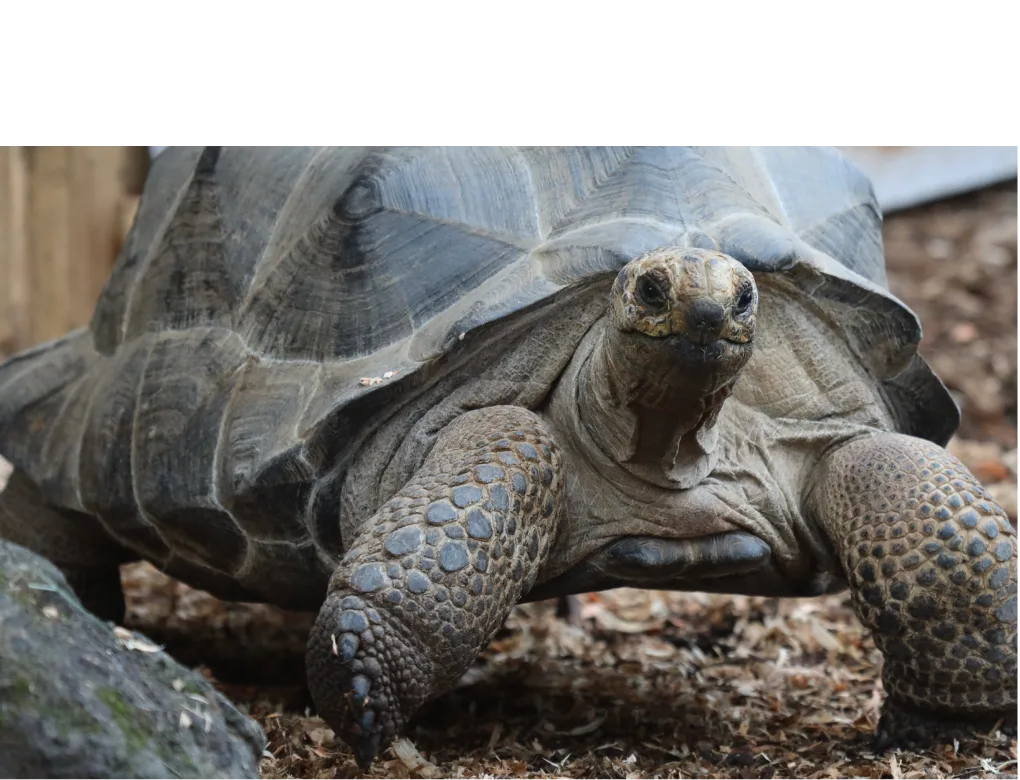
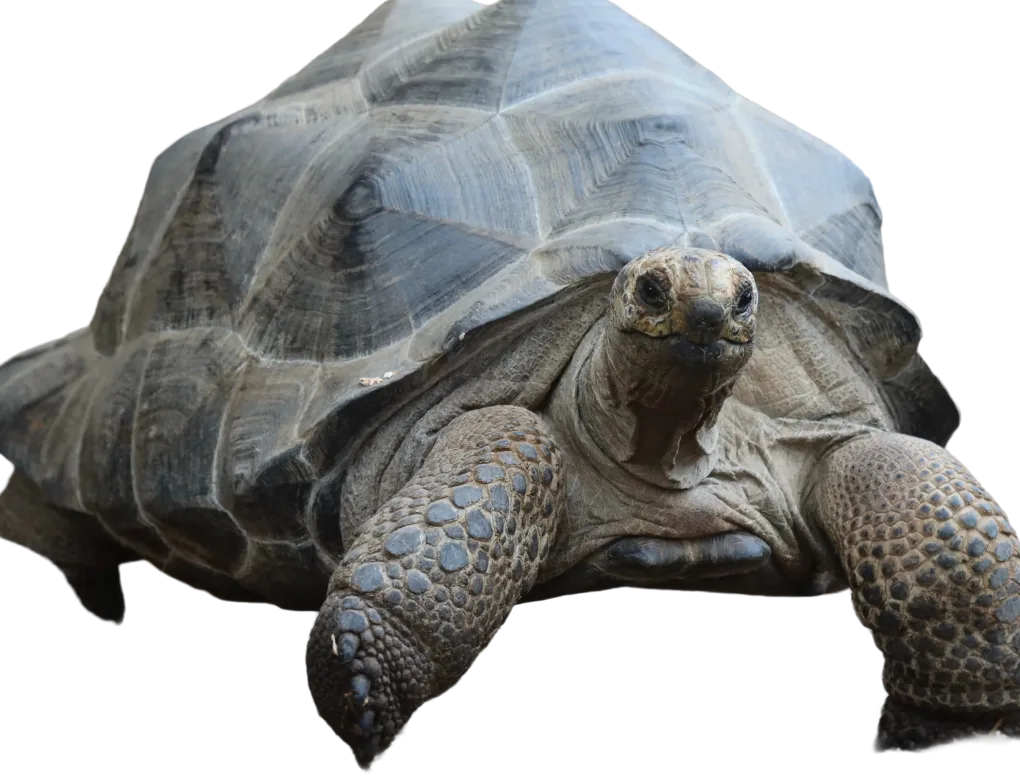
Aldabra tortoise
MapanganibBilang isa sa pinakamalaki at pinakamahaba ang buhay na mga land tortoise sa mundo, may ilan na tinatayang may 170 taon nang nabubuhay!
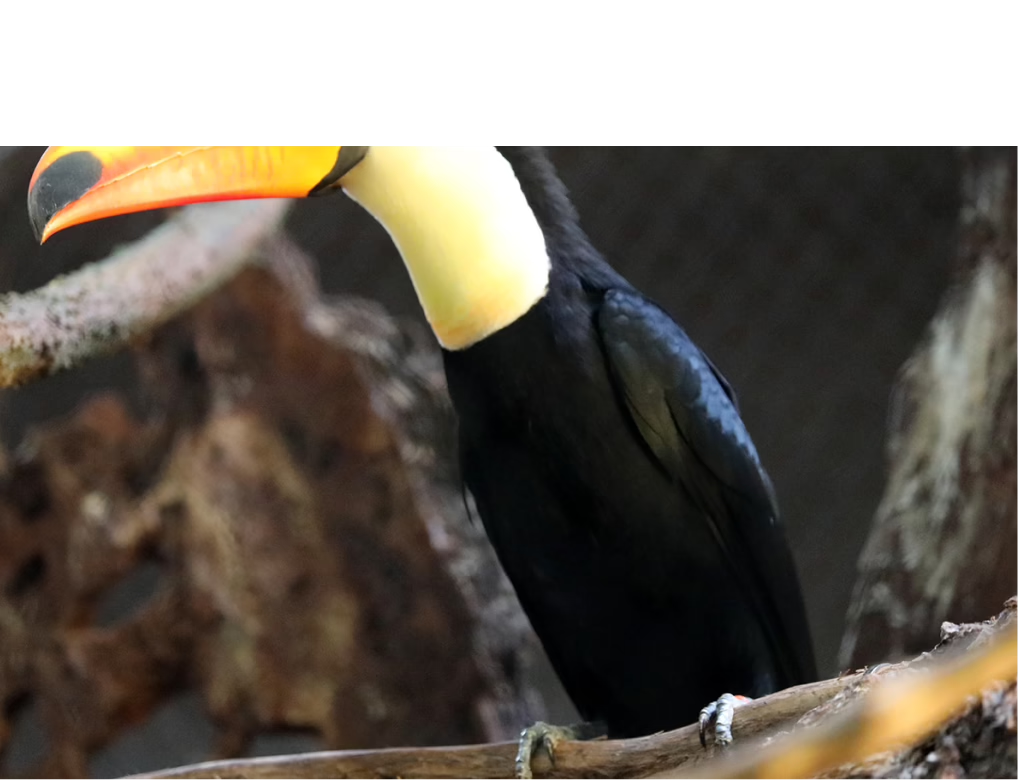
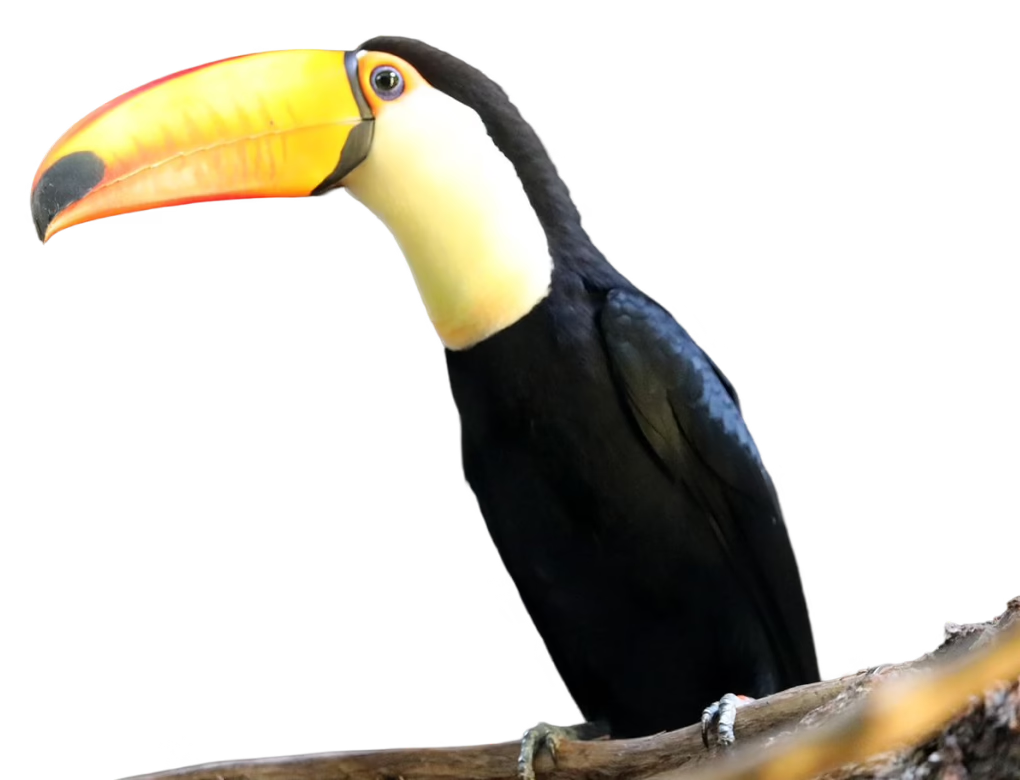
Toco toucan
Hindi Nakalulugod na KalagayanKilala sa malalaking bilog na balahibo at masiglang pag-uugali, ito ang pinakamalaking uri ng toucan.