



Sa Zoo
Bird Aviary across from Koala Crossing and at the Koret Animal Rescue and Resource Center
Nakakaganyak na mga Katotohanan
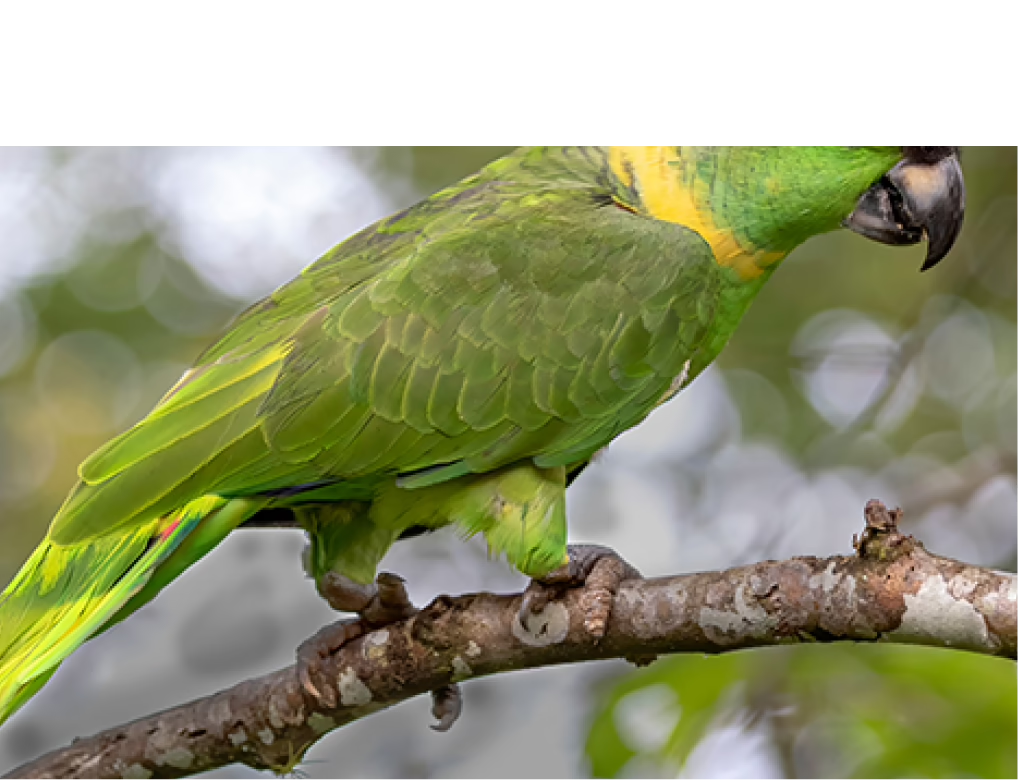
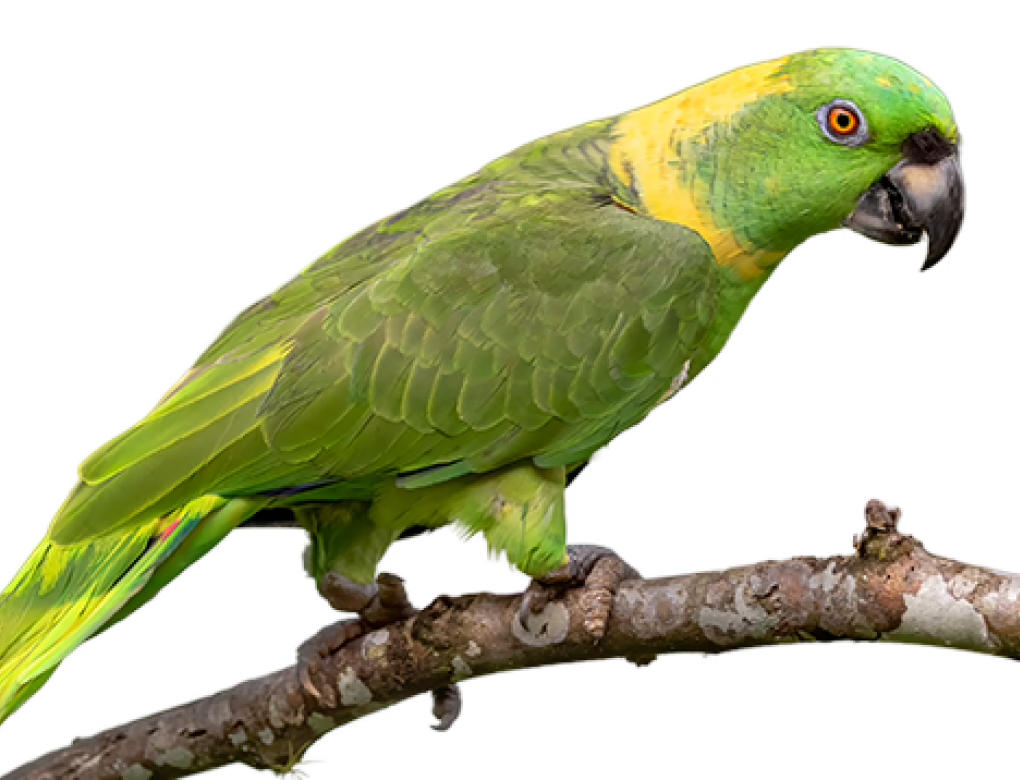
Yellow-naped amazons are also known as Yellow-fronted amazons or Yellow-headed amazons. They have complex vocalization patterns, which has given them a reputation in the illegal pet trade as being “talkers,” making them desirable pets. This has contributed to their critically endangered status.
Mga Pisikal na Katangian
Yellow-naped amazons are approximately 14 inches in length, weighing between 11 – 18 ounces. The are mostly green, with yellow on the top of head and back of neck, red and dark blue feathers on the wings, orange eyes, and a greyish beak and feet. Males and females are similar in size and coloration.
Diet
They feed on fruits, seeds and flowers. They will also eat planted crops if available.
Habitat
They are found in forests, thorn scrub and mangroves.
Sosyal na Pag-uugali
Yellow-naped amazons are monogamous during breeding season and will nest in a tree cavity. After 2 – 3 eggs are laid, it will take 25 – 26 days to incubate the eggs. Pairs have complex vocalizations that they will use to pair bond, called “duetting”.
They also vocalize to establish territory. Outside of breeding season, they can be seen flying overhead early or late in the day, to and from roosting sites in pairs or small groups. They stay local and do not migrate.
Katayuan sa Kalikasan
Yellow-naped amazons are found in coastal areas of southern Mexico and Central America.
>IUCN – Kritikal na Nanganganib
Iba pa
Threats to Yellow-naped amazons include habitat destruction and degradation. Much of their former habitat has been destroyed to plant sugar cane and rice. They are also highly prized in the illegal pet trade, with many eggs and chicks poached from nests. Some populations have seen a 98% decline over 3 generations or 35 years. There are an estimated 1,000 – 2,499 mature Yellow-naped amazons left in the wild.
Alam niyo ba?
How long can a Yellow-naped amazon live?
Aprikanong leon
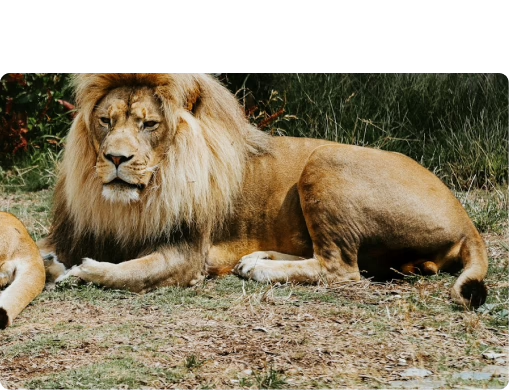
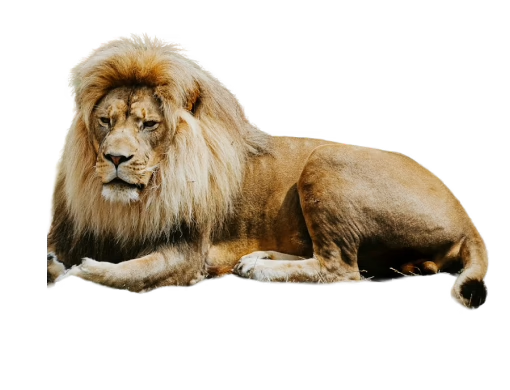
MapanganibIsa sa mga pinakatanyag na hayop sa mundo, ang leon ng Africa ay simbolo ng lakas, sosyal na katalinuhan, at ligaw na Africa.
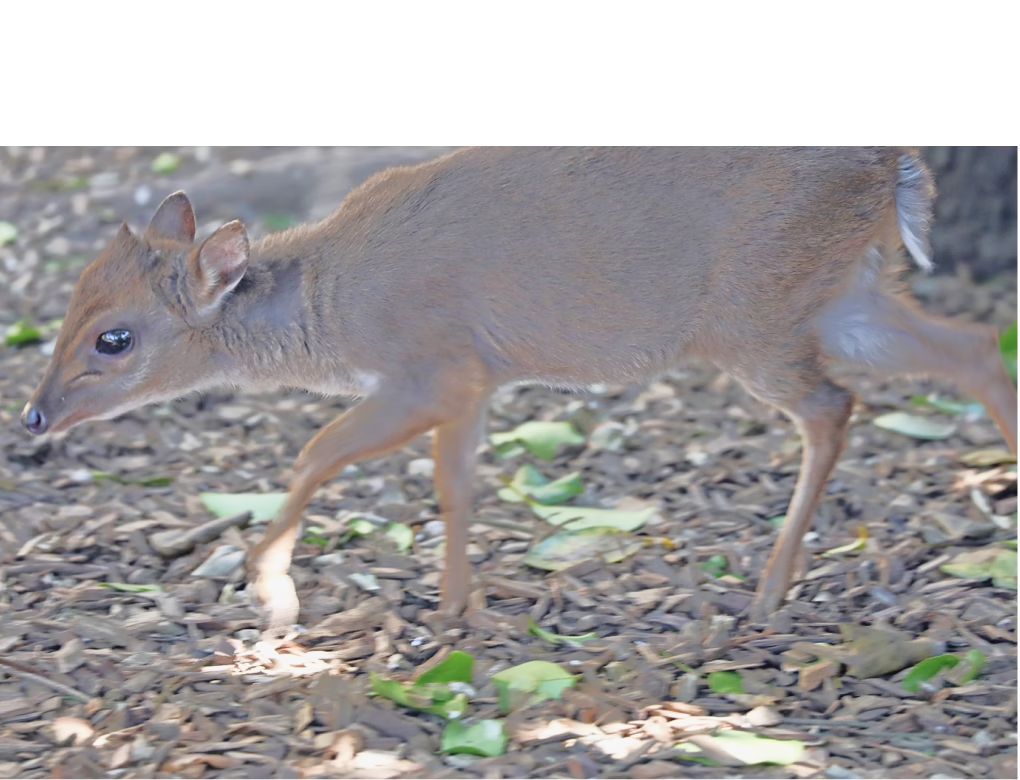
Blue duiker
Hindi Nakalulugod na KalagayanBilang pinakamaliit na species ng antelope at pinakamaliit na duiker sa mundo, mahalaga ang kanilang papel sa ekosistema ng kanilang kagubatan.
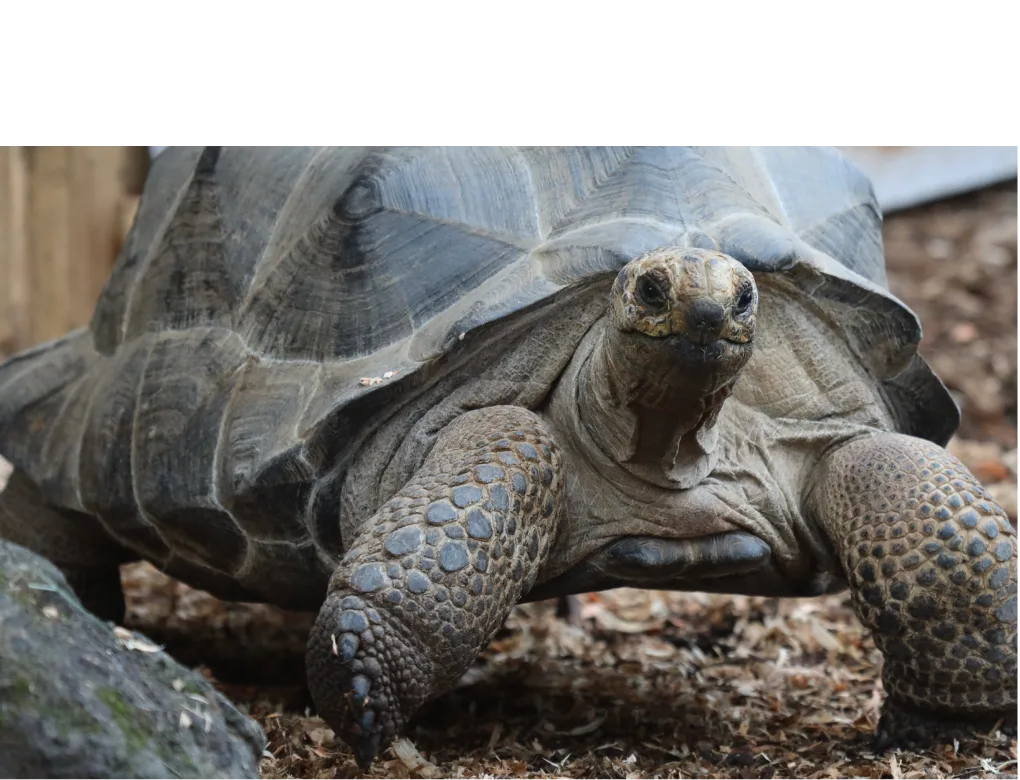
Aldabra tortoise
MapanganibBilang isa sa pinakamalaki at pinakamahaba ang buhay na mga land tortoise sa mundo, may ilan na tinatayang may 170 taon nang nabubuhay!
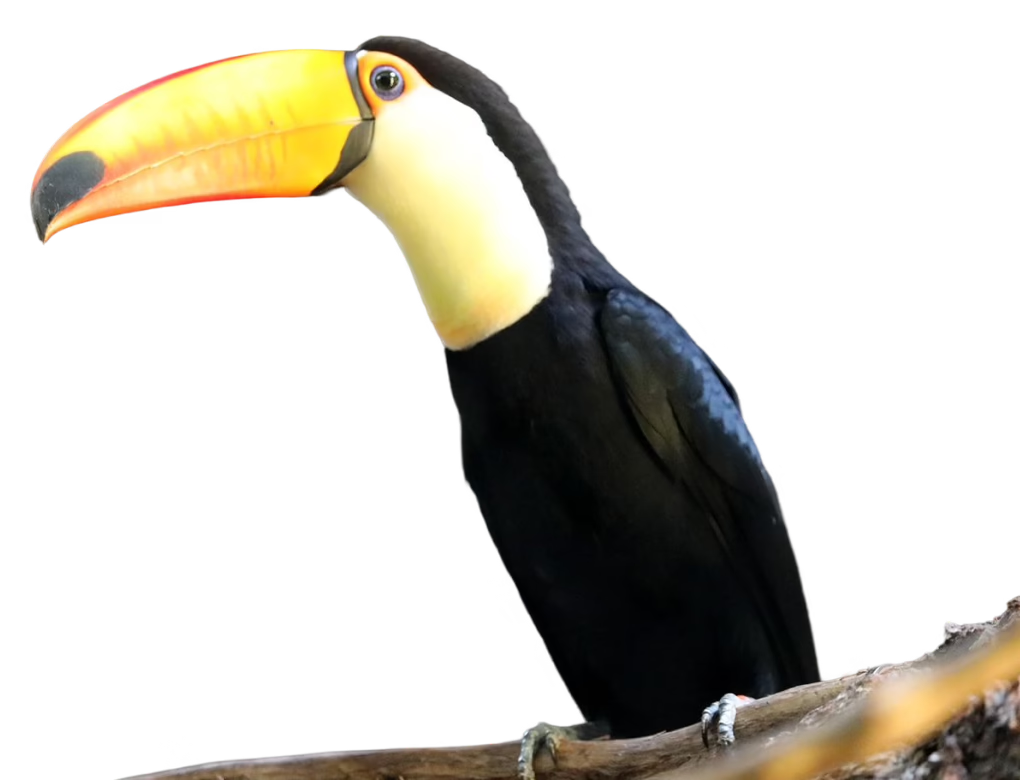
Toco toucan
Hindi Nakalulugod na KalagayanKilala sa malalaking bilog na balahibo at masiglang pag-uugali, ito ang pinakamalaking uri ng toucan.