





Program offerings include special field trips and dedicated day
A visit to the Zoo can sometimes be perceived as a place of serenity, or a chance to get away from the daily “noise.” But for some individuals, sudden shrieks, like the territorial calls emitted by black-and-white ruffed lemurs, may lead to anxiety or discomfort. San Francisco Zoo & Gardens has been working to accommodate those with heightened sensitivities, who might need less social interaction, or other challenges that neurodiverse individuals might face. From Tuesday, March 17 through Monday, March 23, SF Zoo will host its first Neurodiversity Celebration Week, with a dedicated day featuring informational booths, on Saturday, March 21.
“SF Zoo is truly a place for everyone,” said Cassandra Costello, CEO and Executive Director. “As such, it is important that our guests feel safe, supported and accepted whenever they visit the Zoo. I commend our staff for their on-going sensitivity to people that face different challenges, and how the professional zoo community has embraced the importance of every guest’s experience.”
Neurodiversity Celebration Week was founded as an international initiative in 2018 to address misconceptions and stereotypes when it comes to individuals with conditions such as autism, Tourette’s syndrome, ADHD, dyslexia, and other neurological differences, and promote inclusion in everyday life. At the Zoo, loud noises, especially those that are heard unexpectedly, like a lion roaring, may trigger discomfort for an individual. Perhaps the whistle from the steam train or music playing at the carousel might offer too much stimulation. Even the many olfactory smells may heighten anxiety.
“We have worked to identify what may appear unremarkable to non-neurodiverse individuals, as something that may, in fact, be triggering,” said Lamar Harris-Walker, Executive Vice President of Belonging. “We are also taking best practices gleaned from other zoos, and incorporating what we are learning from local organizations, to create an atmosphere here that is not only accessible, but comfortable.”
As part of the program, the Zoo has developed a downloadable sensory guide to allow users to better navigate their zoo visit. The guide offers helpful tips about different animal areas, and locations to take a breather away from crowds. Since last year, the Zoo has also offered a complimentary “sensory bag,” which can be checked out at the Membership Office. The sensory bag provides headphones, a communication card and a variety of fidgets. Fidgets serve as a calming effect, helping to manage sensory overload, and giving the user something to focus on.
On Saturday, March 21, the Zoo is offering early admission for members of the neurodiverse community and new pre-visit resources are being made available on the Zoo’s web site for visitors to download to provide context on what can be expected during their visit with us.
“This will allow our guests to better prepare for the day,” said Harris-Walker. “Zoo staff members will also go through new training on how to adapt to the needs of these visitors.”
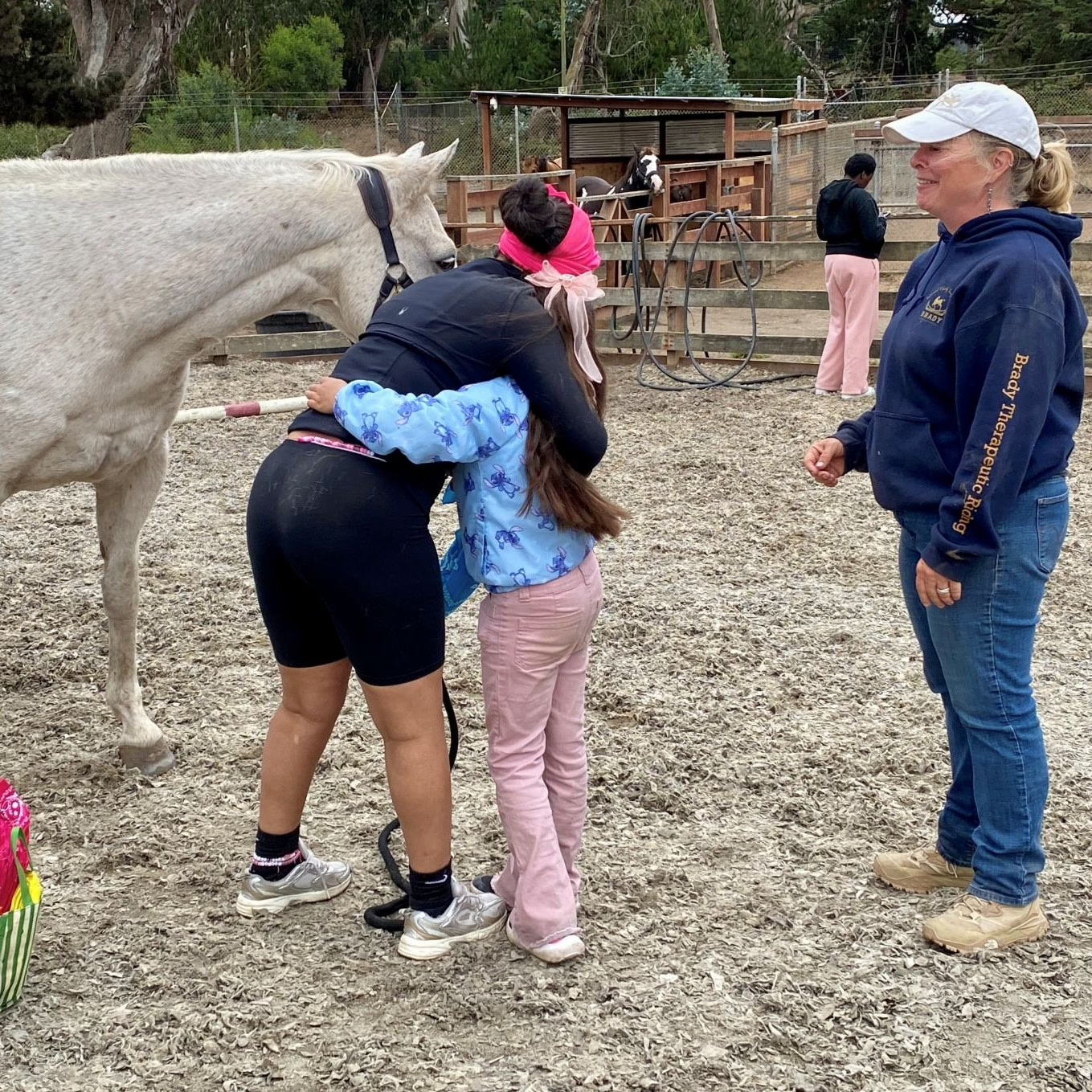
In collaboration with the Zoo, James S Brady Therapeutic Riding, the on-site equine-assisted therapy program that is the first such program in any zoo, will host special hands-on demonstrations with their program’s rescued horses in the Brady area on the southeast side of the Zoo. Brady will also join other organizations at special informational tables in the Madagascar area on Saturday, March 21. The Zoo will be fundraising for the community to ultimately offer field trips to those affected.