


Sa Zoo
Timog Amerika: Tropikal na Rainforest at Aviary
Kamangha-manghang mga katotohanan
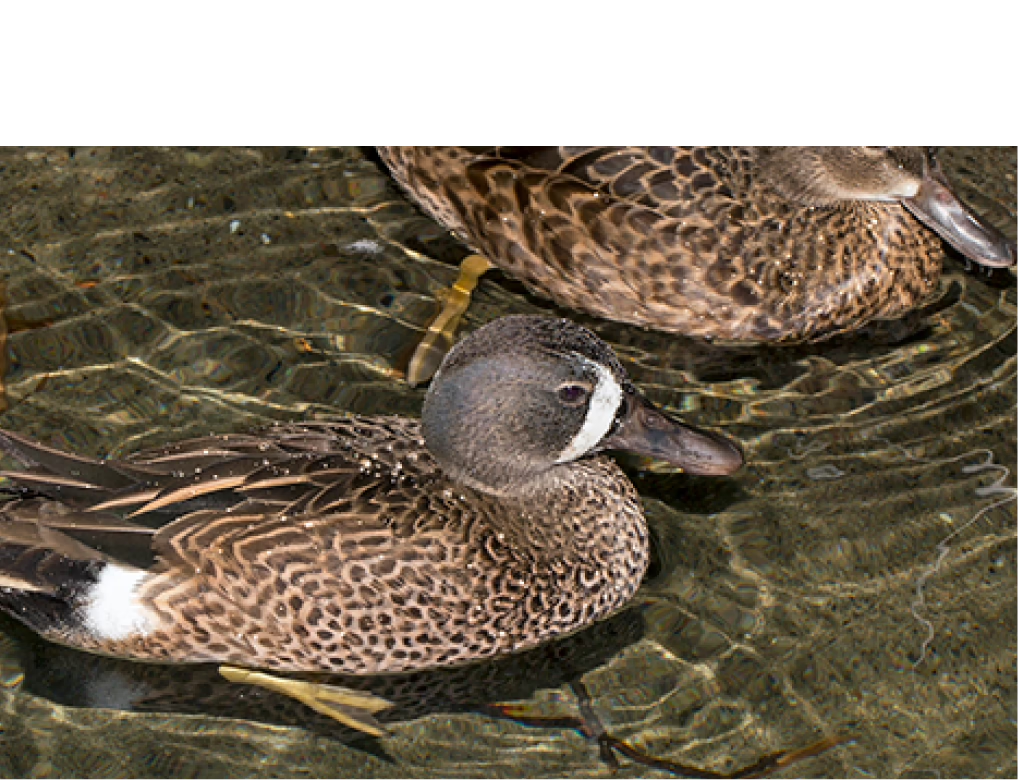
- These small ducks are long distance fliers! They spend their summers in North America, from southern Alaska, across Canada to the East Coast. In the fall, they migrate down to South America, sometimes as far south as northern Chile and Argentina! They are one of the first to migrate in the fall and one of the last to return in the spring.
- The blue-winged teal rarely upends like other ducks, instead it feeds mostly by dabbing on the surface and dipping its head in shallow waters.
Mga pisikal na katangian
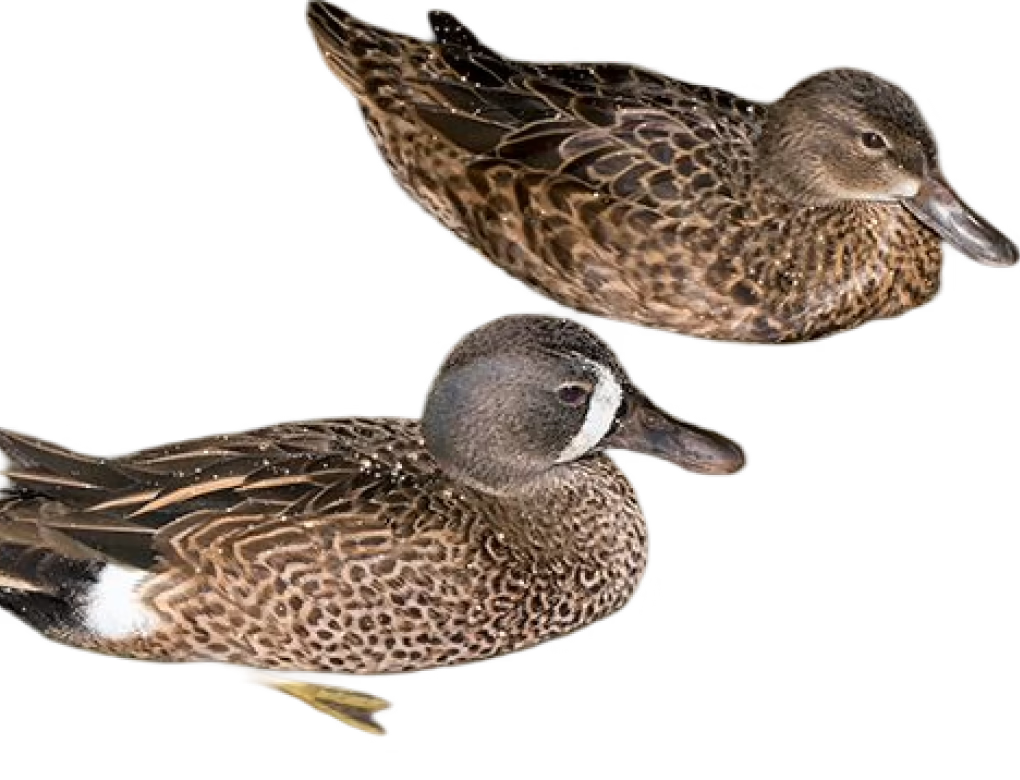
When breeding, males have brown bodies with a slate-blue head and a white crescent behind the bill. Females are a plainer, patterned brown. When in flight, a powder blue patch is noticeable.
In the wild, Blue-winged teals can life from 10-17 years, and over 20 years under human care.
Habitat
Teals live in marshes, lakes, and swamps; during winter, they live near salt water and coastal mangroves.
Diet
Blue-winged teals eat seeds and roots of aquatic plants along with invertebrates such as insects and crustaceans.
Sosyal na pag-uugali
Blue-winged teals have many display motions, including pumping the head up and down and dipping the head under water quickly. Pairs usually break up during incubation and form new pair bond with different individuals during the winter or spring.
Katayuan sa ligid
Classified as a species of Least Concern. As the second most abundant duck in North America, they have a stable global breeding population of about 7.8 million birds. Their greatest threat is loss of wetlands habitat due to agricultural development.
Aprikanong leon
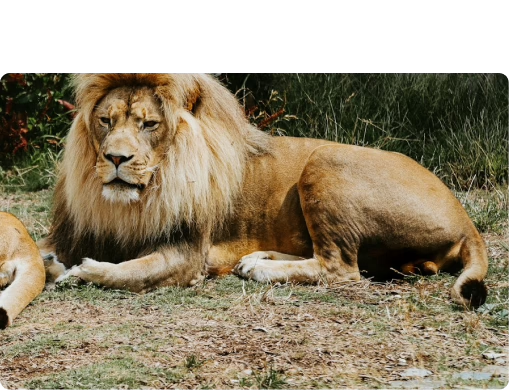
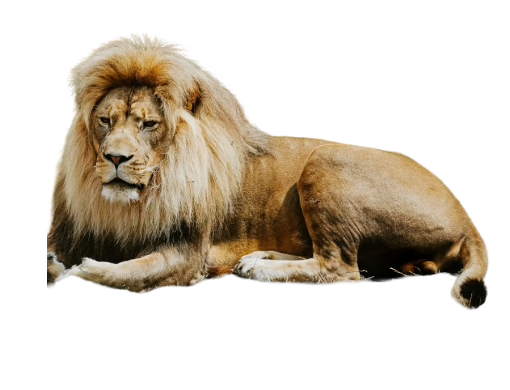
MapanganibIsa sa mga pinakatanyag na hayop sa mundo, ang leon ng Africa ay simbolo ng lakas, sosyal na katalinuhan, at ligaw na Africa.
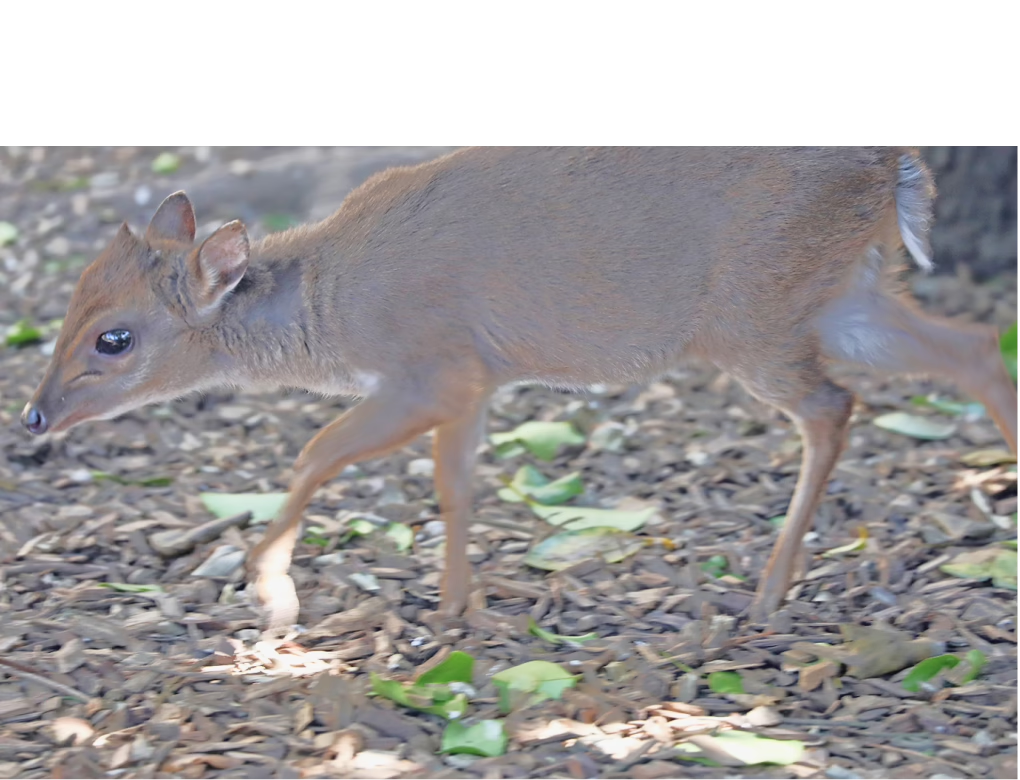
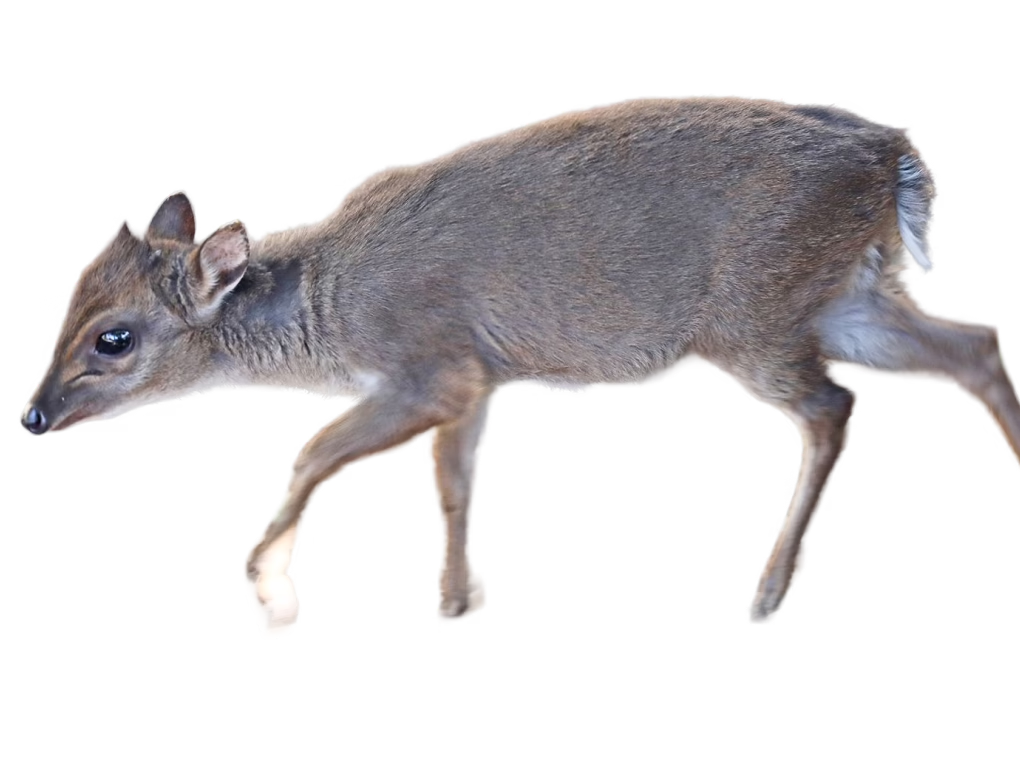
Blue duiker
Hindi Nakalulugod na KalagayanBilang pinakamaliit na species ng antelope at pinakamaliit na duiker sa mundo, mahalaga ang kanilang papel sa ekosistema ng kanilang kagubatan.
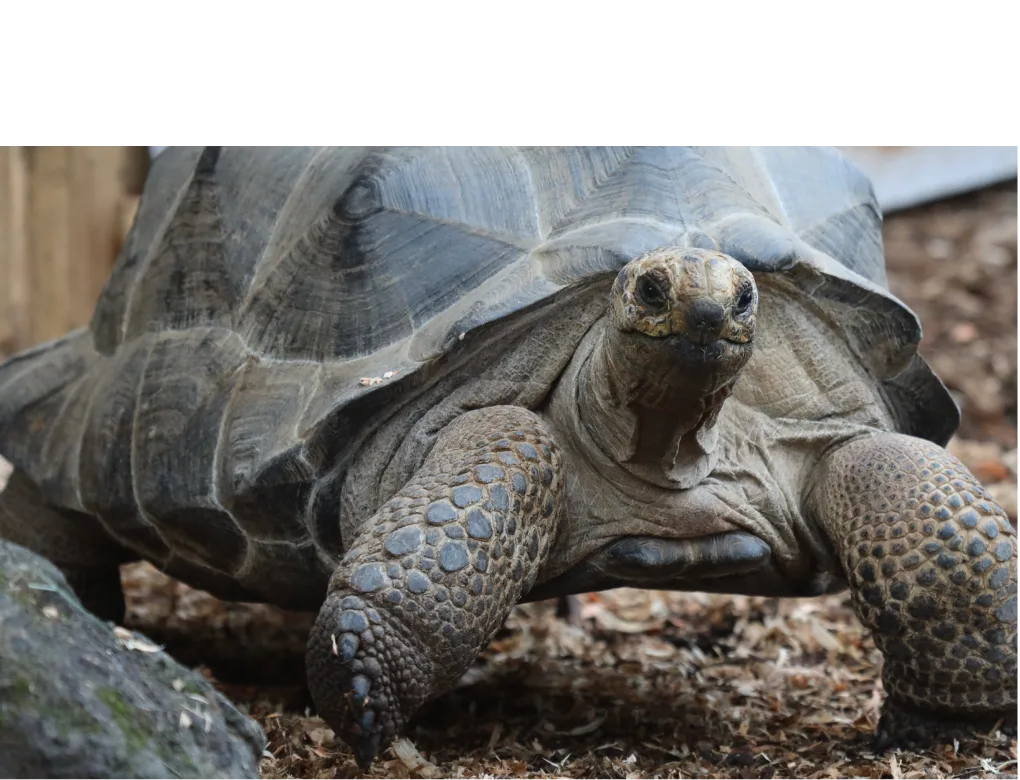
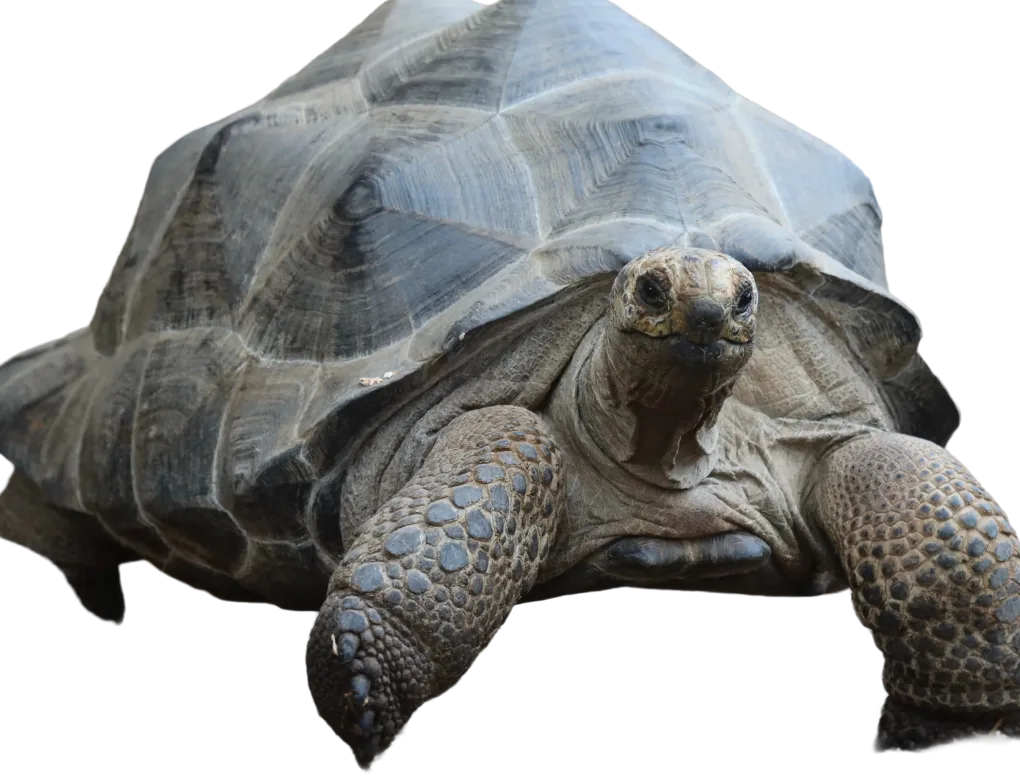
Aldabra tortoise
MapanganibBilang isa sa pinakamalaki at pinakamahaba ang buhay na mga land tortoise sa mundo, may ilan na tinatayang may 170 taon nang nabubuhay!
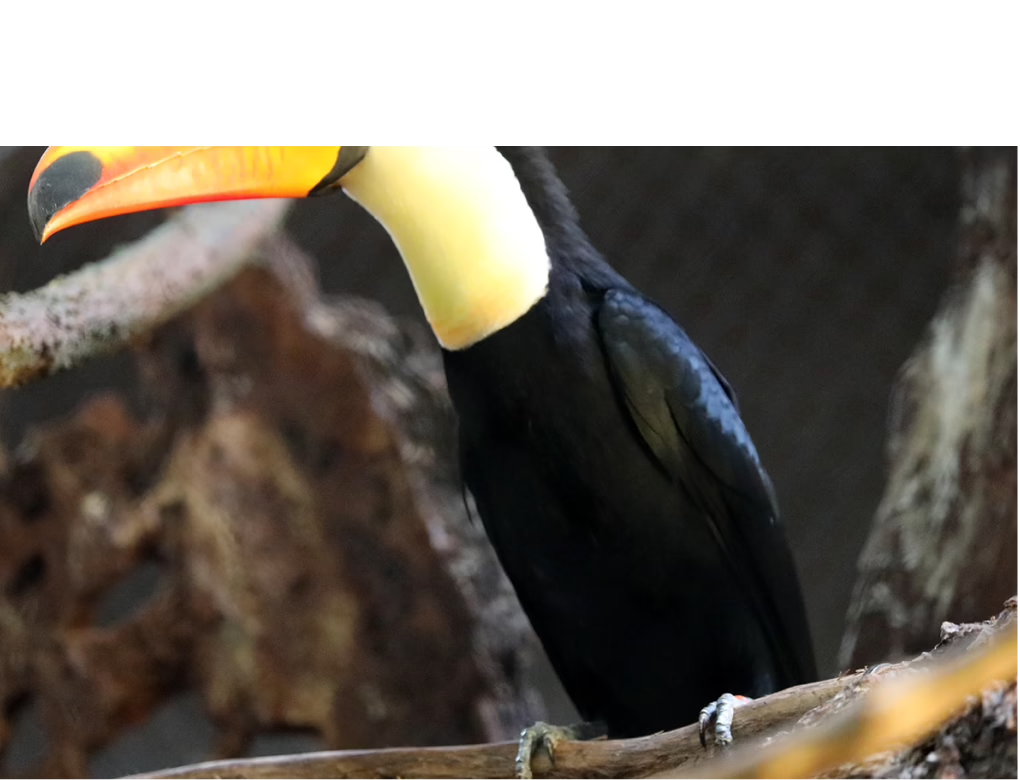
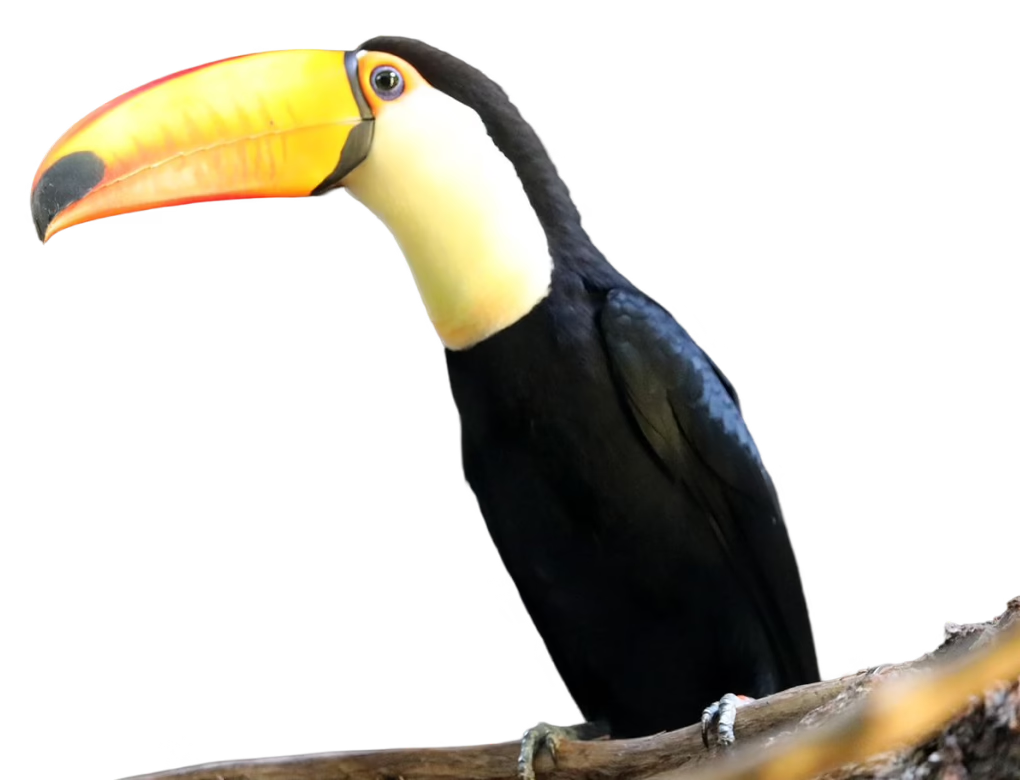
Toco toucan
Hindi Nakalulugod na KalagayanKilala sa malalaking bilog na balahibo at masiglang pag-uugali, ito ang pinakamalaking uri ng toucan.