



Tại vườn thú
Rừng nhiệt đới nhiệt đới Nam Mỹ & Sân chim
Những sự kiện hấp dẫn
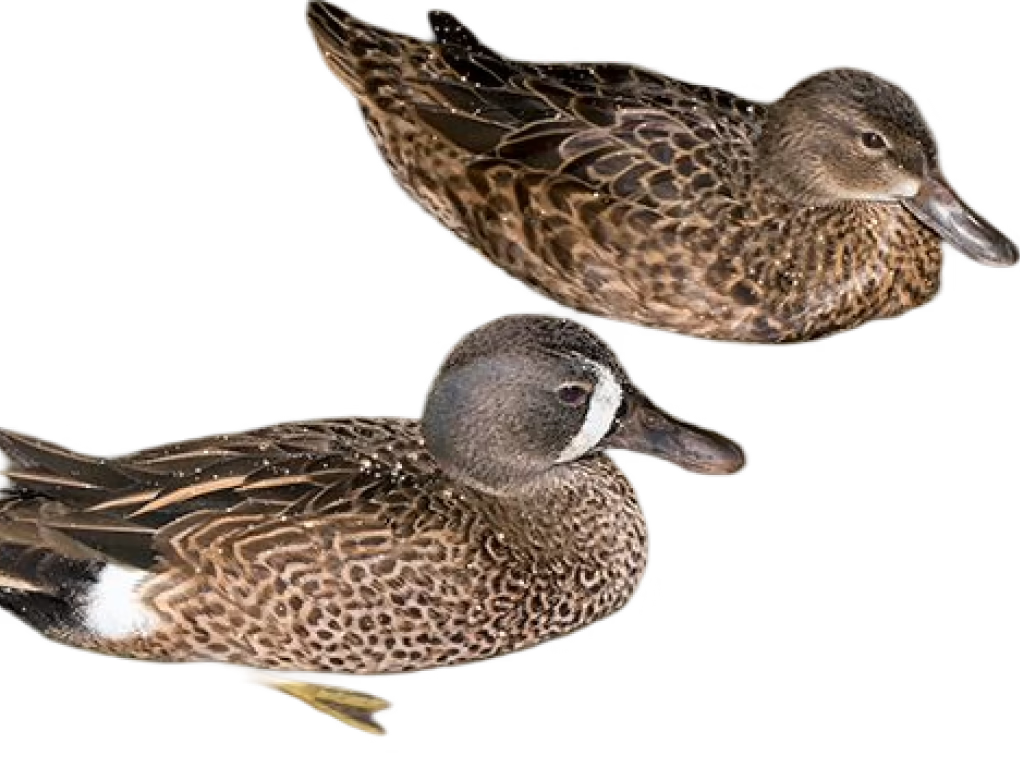
- These small ducks are long distance fliers! They spend their summers in North America, from southern Alaska, across Canada to the East Coast. In the fall, they migrate down to South America, sometimes as far south as northern Chile and Argentina! They are one of the first to migrate in the fall and one of the last to return in the spring.
- The blue-winged teal rarely upends like other ducks, instead it feeds mostly by dabbing on the surface and dipping its head in shallow waters.
Đặc điểm vật lý
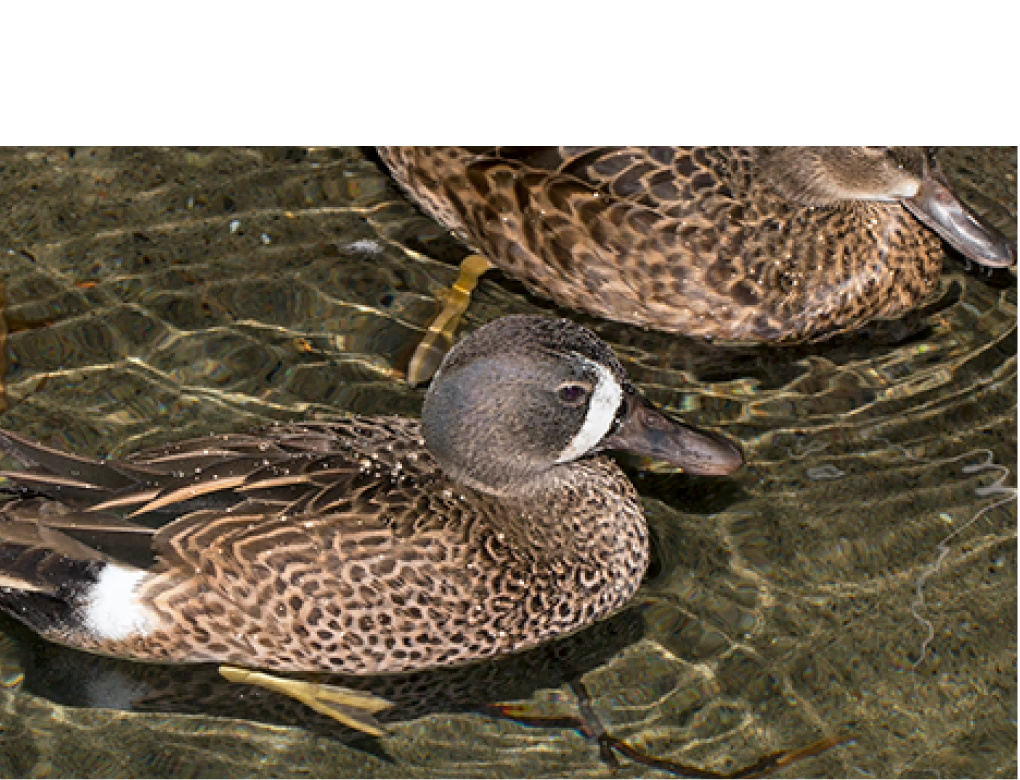
When breeding, males have brown bodies with a slate-blue head and a white crescent behind the bill. Females are a plainer, patterned brown. When in flight, a powder blue patch is noticeable.
In the wild, Blue-winged teals can life from 10-17 years, and over 20 years under human care.
Điều kiện sống
Teals live in marshes, lakes, and swamps; during winter, they live near salt water and coastal mangroves.
Chế độ ăn uống
Blue-winged teals eat seeds and roots of aquatic plants along with invertebrates such as insects and crustaceans.
Hành vi xã hội
Blue-winged teals have many display motions, including pumping the head up and down and dipping the head under water quickly. Pairs usually break up during incubation and form new pair bond with different individuals during the winter or spring.
Tình trạng trong tự nhiên
Classified as a species of Least Concern. As the second most abundant duck in North America, they have a stable global breeding population of about 7.8 million birds. Their greatest threat is loss of wetlands habitat due to agricultural development.
Con sư tử châu Phi
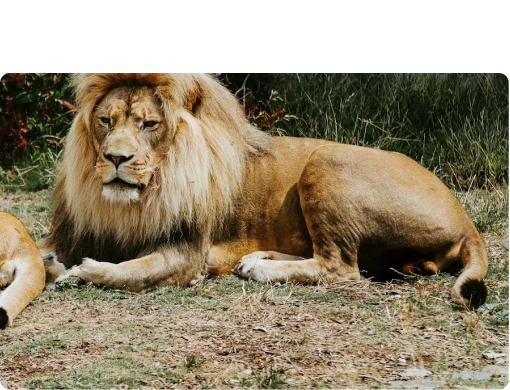
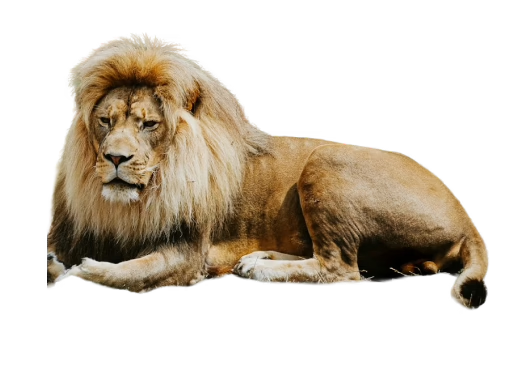
Dễ bị tổn thươngMột trong những loài động vật mang tính biểu tượng nhất trên Trái Đất, sư tử châu Phi là biểu tượng của sức mạnh, trí tuệ xã hội và vùng đất hoang dã của châu Phi.
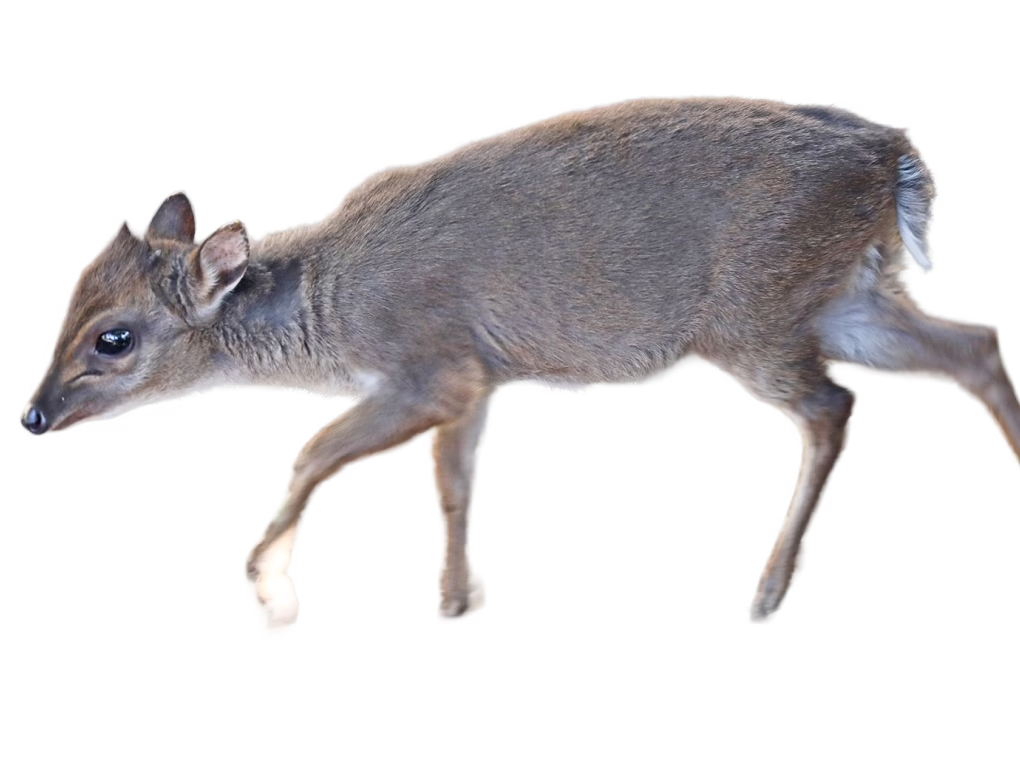
Blue duiker
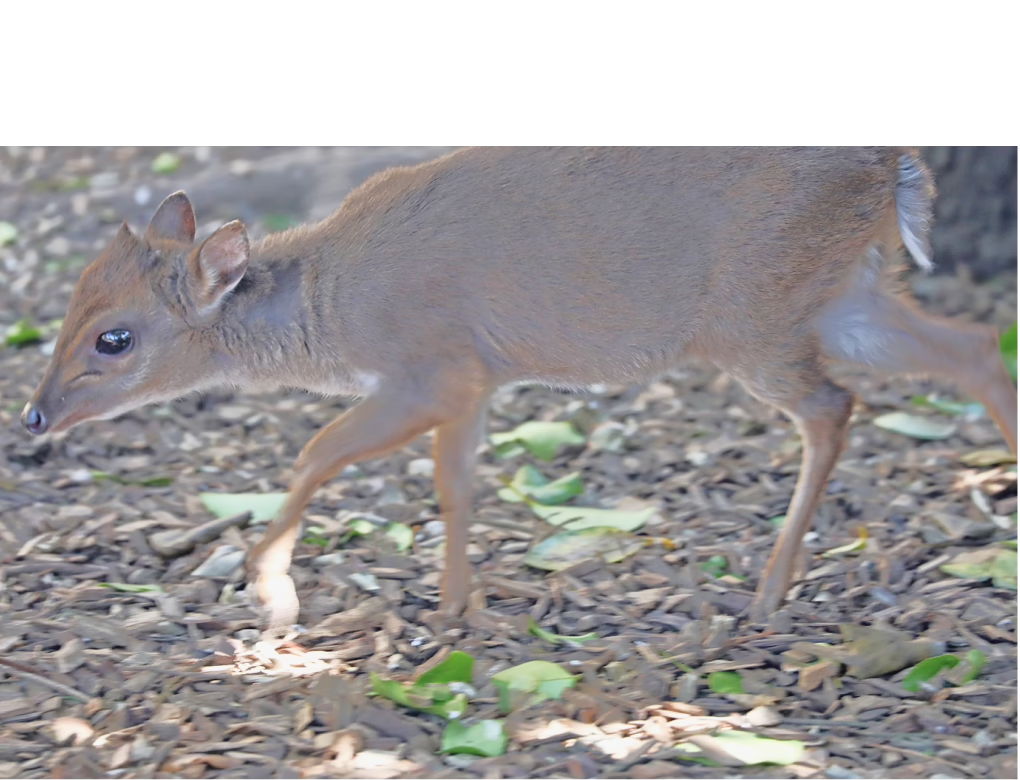
Loại ít nguy cấpLà loài tê tê nhỏ nhất thế giới và là loài duiker nhỏ nhất, chúng đóng vai trò quan trọng trong hệ sinh thái rừng của chúng.
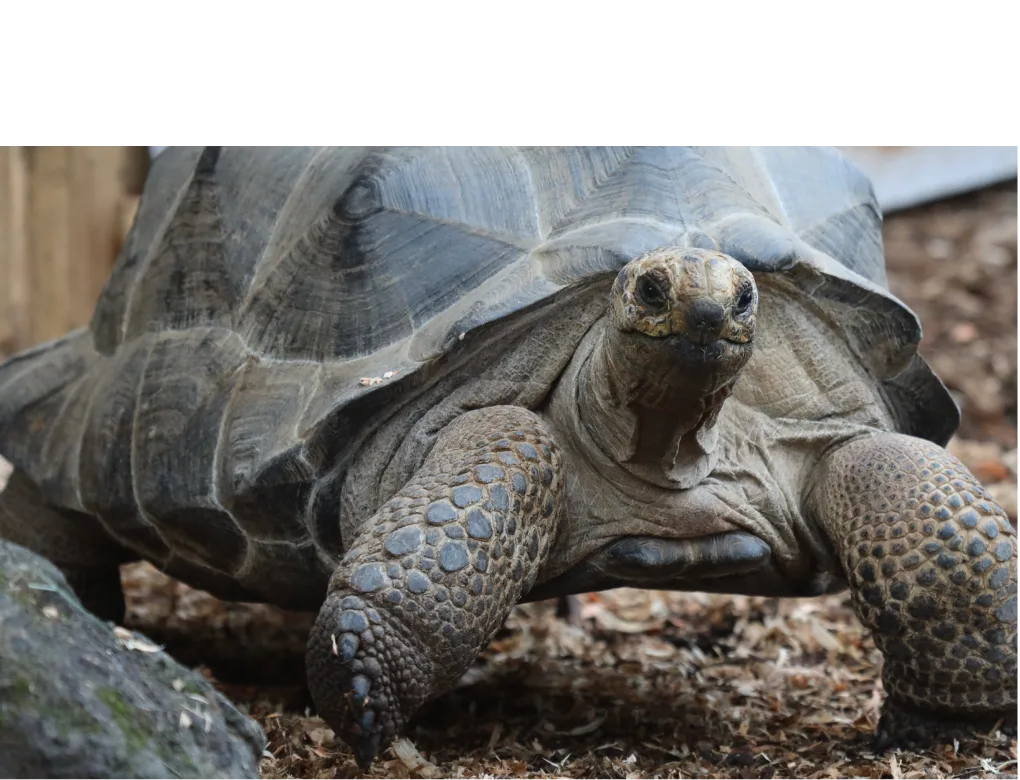
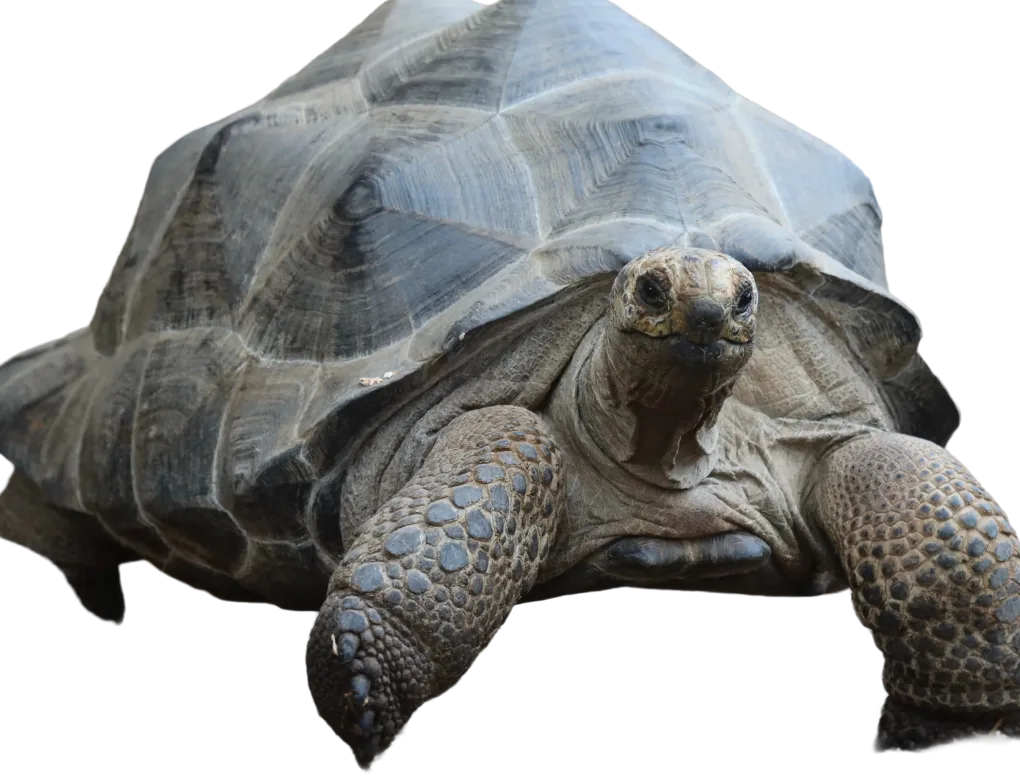
Cá sấu Aldabra
Dễ bị tổn thươngLà một trong những loài rùa đất lớn nhất và sống lâu nhất trên thế giới, một số loài được biết đến đã sống đến 170 năm!
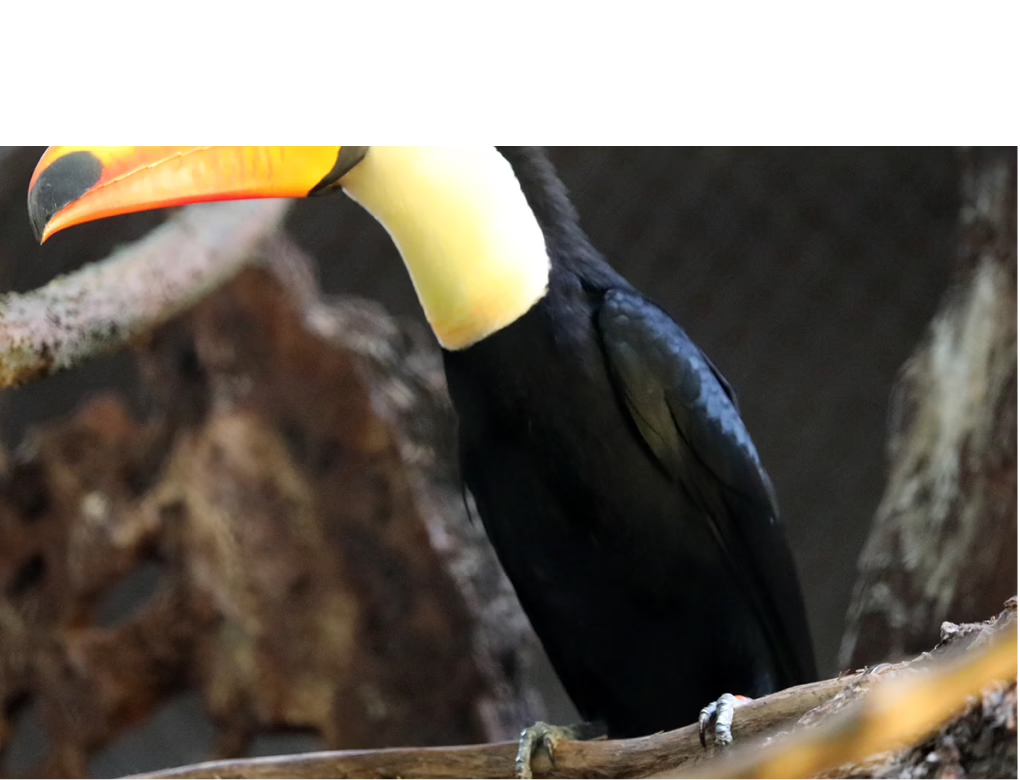
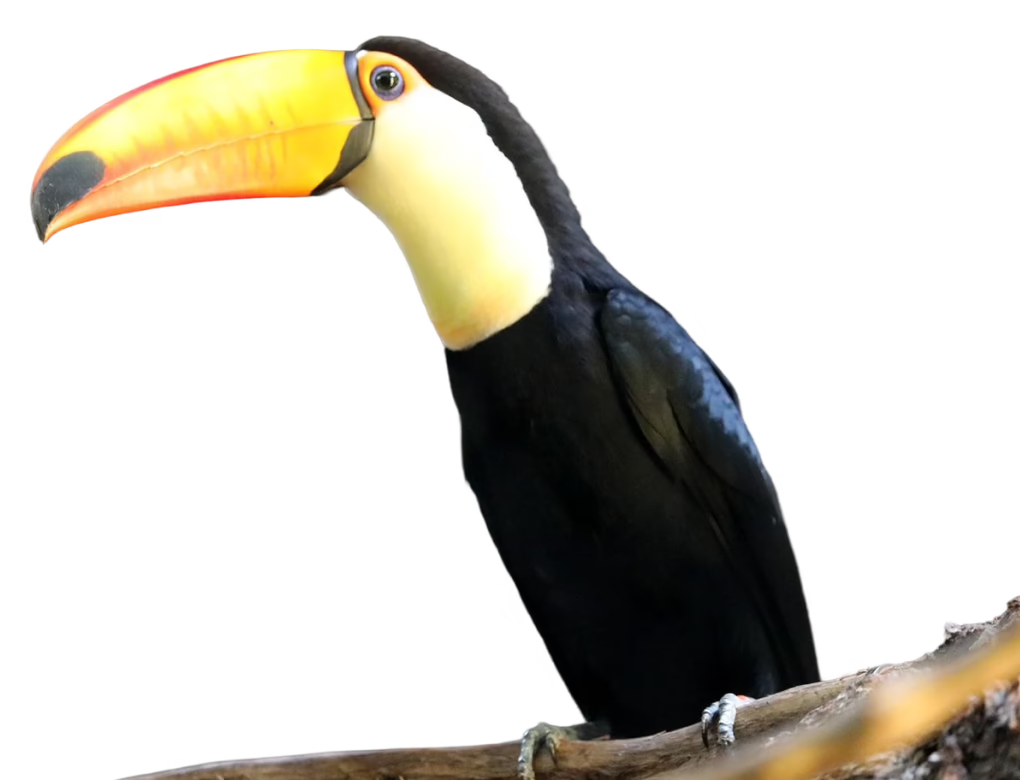
Con tico toucan
Loại ít nguy cấpĐược biết đến với những chiếc vảy lớn và đầy màu sắc cùng với lối sống vui tươi, đây là loài cò lớn nhất trong số các loài cò.