




Nakakaganyak na mga Katotohanan
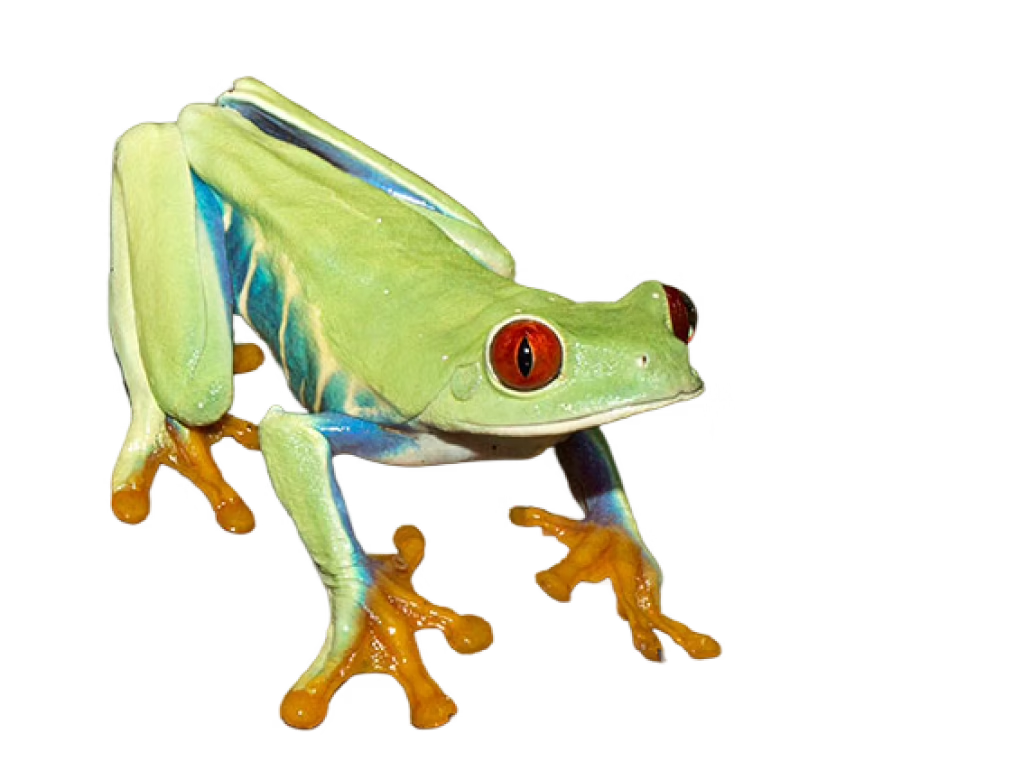
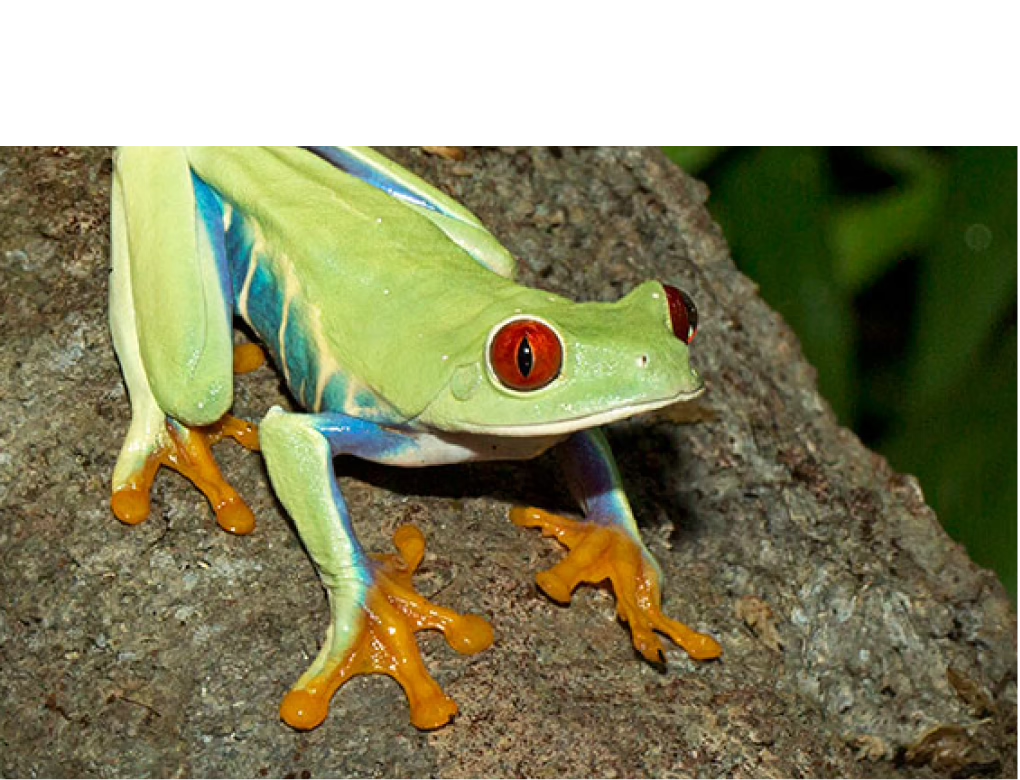
- Red-eyed tree frogs get their name from their distinctive eyes, but it is not known whether the eyes aid in their nocturnal lifestyle or if they are a defense mechanism known as “startle coloration,” which startles would-be predators and gives the frogs a chance to flee.
- Red-eyed tree frogs are a charismatic rainforest species and are frequently associated with rainforest conservation programs.
- Eggs can differentiate between benign vibrations such as rainfall and the vibrations of an approaching predator, such as a snake, and will hatch early when threatened.
Mga Pisikal na Katangian
Males are smaller than females, with adult males reaching approximately 2 inches in length and adult females reaching 3 inches in length. Juveniles are brownish and change to bright green as the mature. Belly is light blue or cream colored, legs are blue and feet are red – orange. Eyes are bright red in adults. Toes have suction cups to help them adhere themselves to the undersides of leaves. They are excellent climbers and also can swim.
Lokasyong tirahan/pagkain
Red-eyed tree frogs are found in lowland tropical rainforests with high humidity and warm daytime and nighttime temperatures, often near a river or water source. They are found in southern Mexico south throughout Central America. They feed predominately on crickets, moths, flies and grasshoppers, but will eat other insects and even small frogs.
Sosyal na Pag-uugali
Red-eyed tree frogs reproduce during the rainy season. Males will croak to attract females and perform a “quivering” display to establish territory and intimidate other suitors. Males will clasp on to the back of the female in what is known as “amplexus” and fertilize the eggs that she lays. Mating takes place on the underside of a leaf hanging above a water source so that when the eggs hatch, the tadpoles will drop into water.
Katayuan sa Kalikasan
Least Vulnerable – IUCN 2008
>They are threatened due to habitat destruction and degradation as they are particularly sensitive to pollution and climate change. Like all frog species, they are threatened by chytrid fungus.
Lokasyon sa Zoo
Tropikal na Rainforest at Aviary ng Timog Amerika
Alam niyo ba?
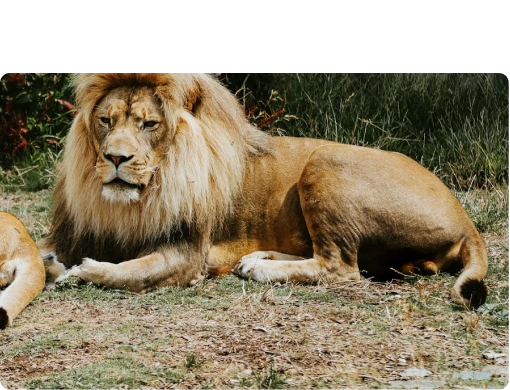
Hanggang sa ilang oras kada araw maaaring matulog ang mga leon?
Aprikanong leon
MapanganibIsa sa mga pinakatanyag na hayop sa mundo, ang leon ng Africa ay simbolo ng lakas, sosyal na katalinuhan, at ligaw na Africa.

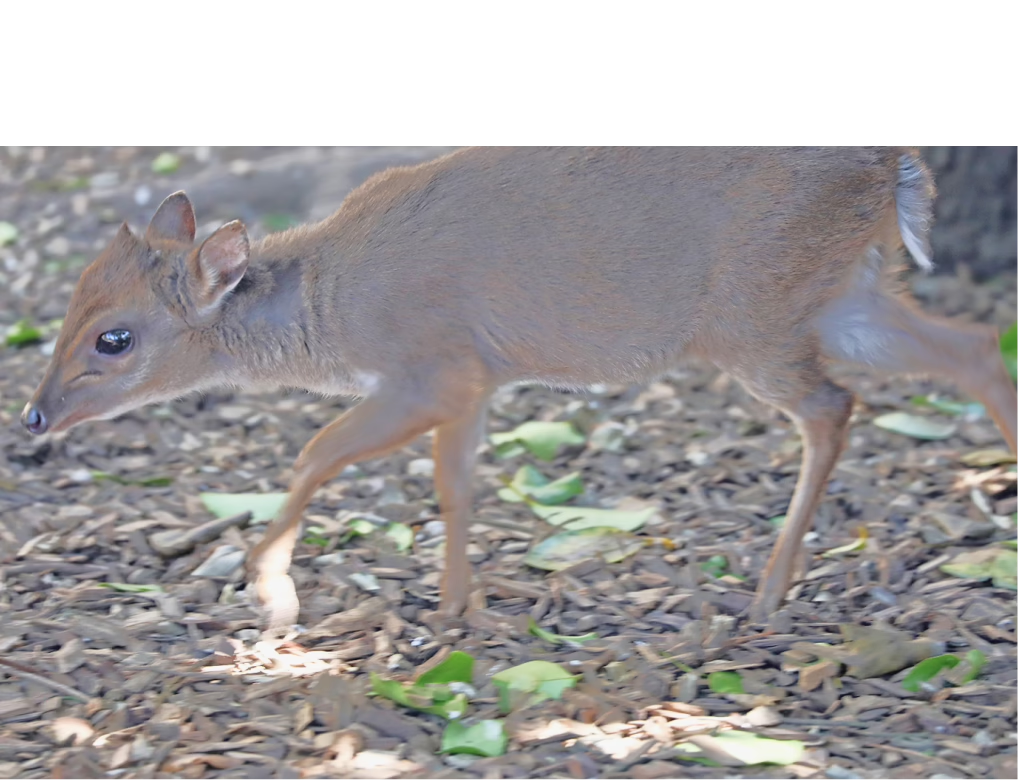
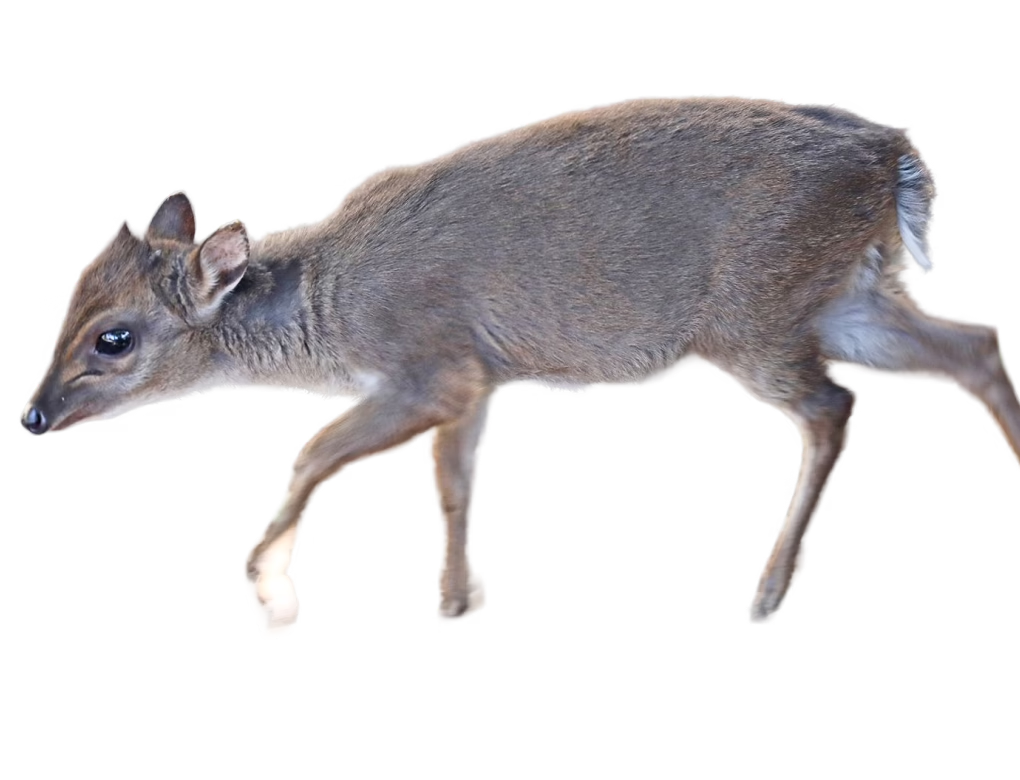
Blue duiker
Hindi Nakalulugod na KalagayanBilang pinakamaliit na species ng antelope at pinakamaliit na duiker sa mundo, mahalaga ang kanilang papel sa ekosistema ng kanilang kagubatan.
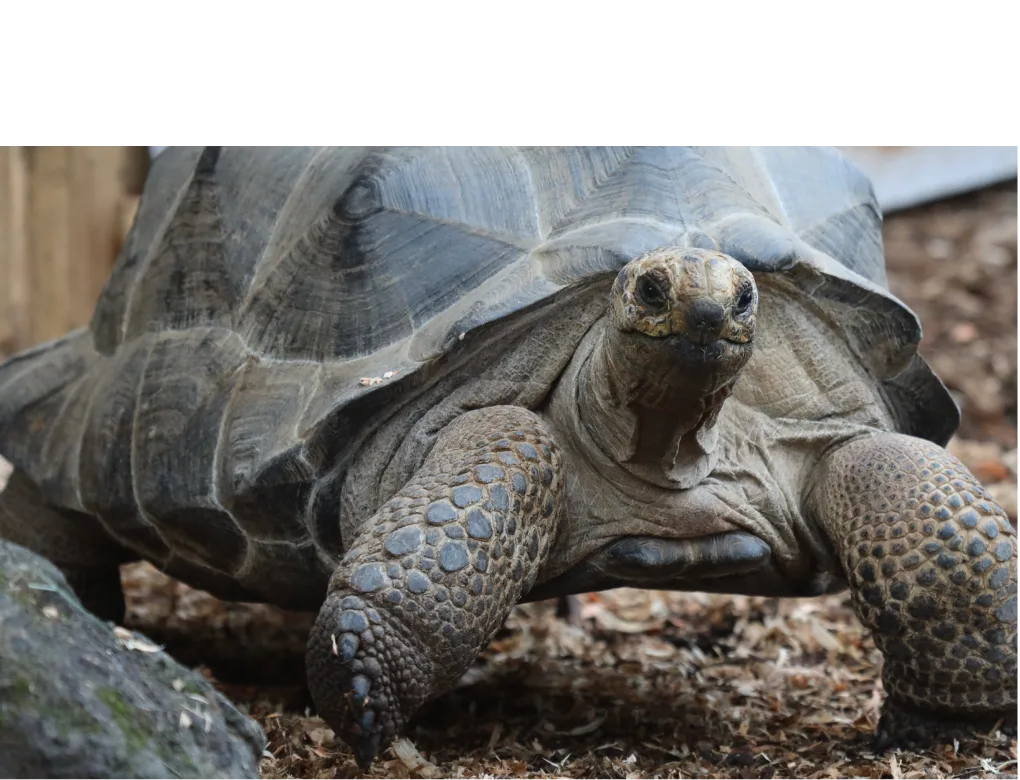
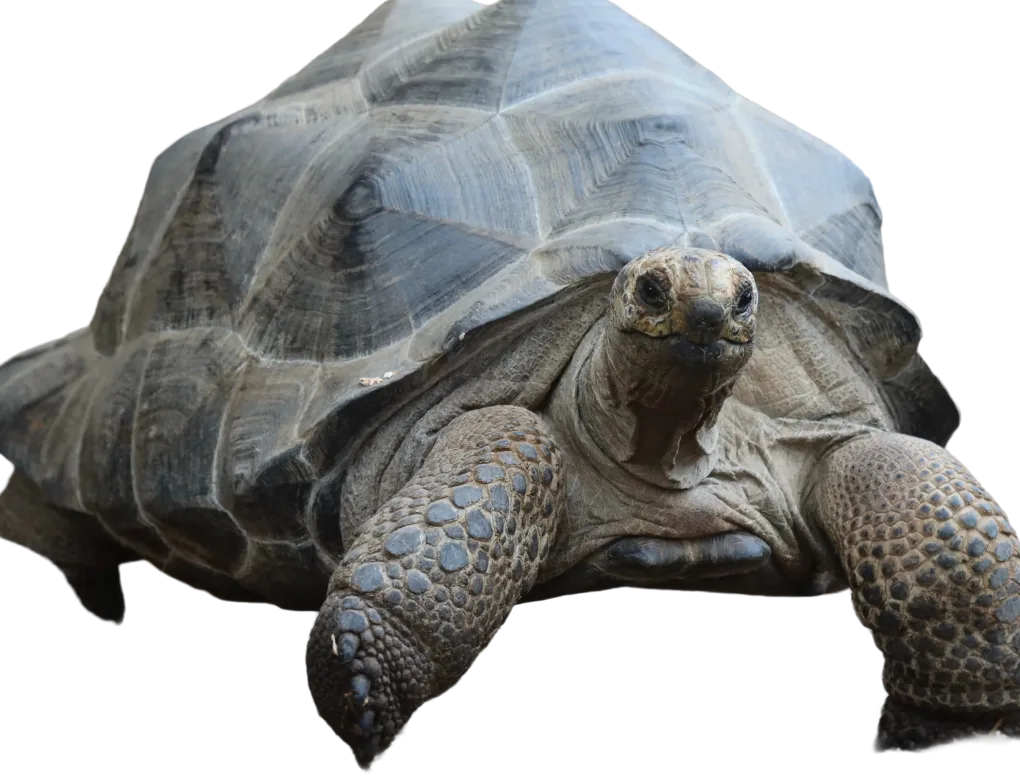
Aldabra tortoise
MapanganibBilang isa sa pinakamalaki at pinakamahaba ang buhay na mga land tortoise sa mundo, may ilan na tinatayang may 170 taon nang nabubuhay!
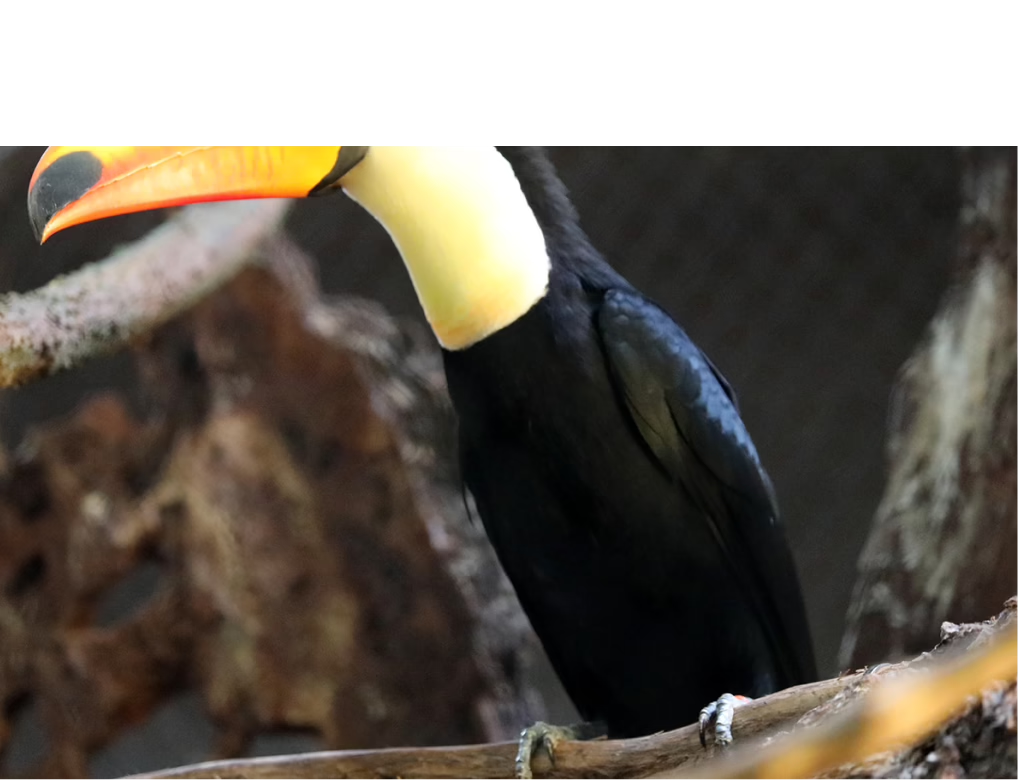
Toco toucan
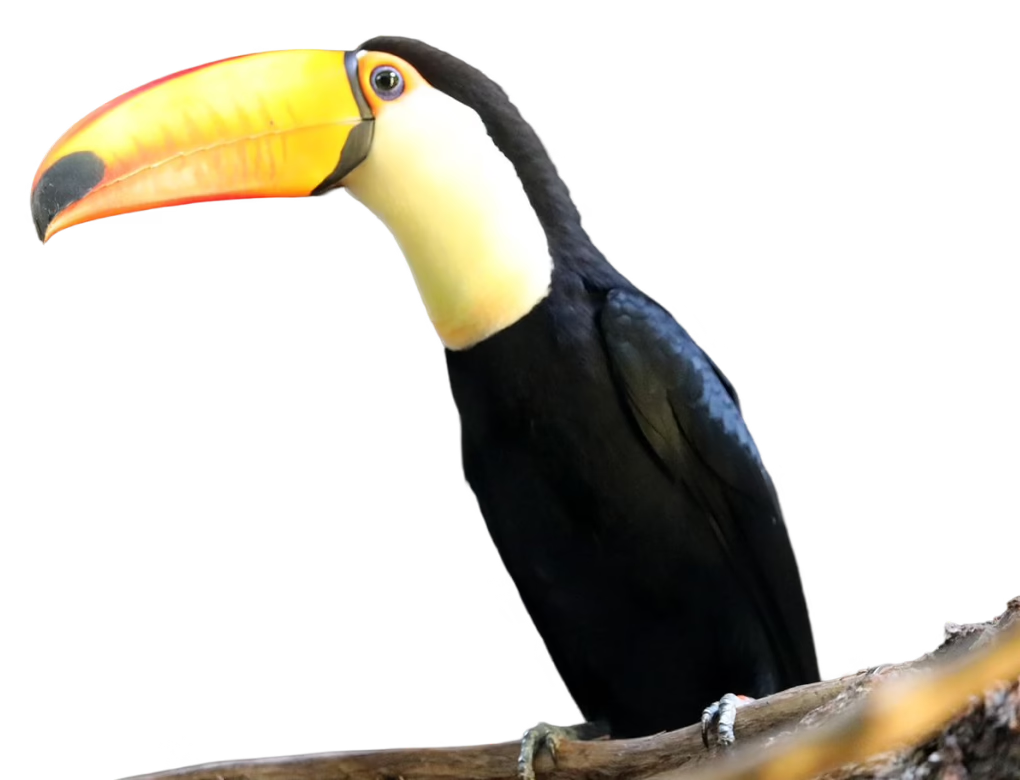
Hindi Nakalulugod na KalagayanKilala sa malalaking bilog na balahibo at masiglang pag-uugali, ito ang pinakamalaking uri ng toucan.
Mag-ampon ng hayop na iyong minamahal habang nakikinabang mula sa mga eksklusibong benepisyo.