




En el Zoo
Bosque tropical tropical de Sudamérica y Aviario
Datos fascinantes
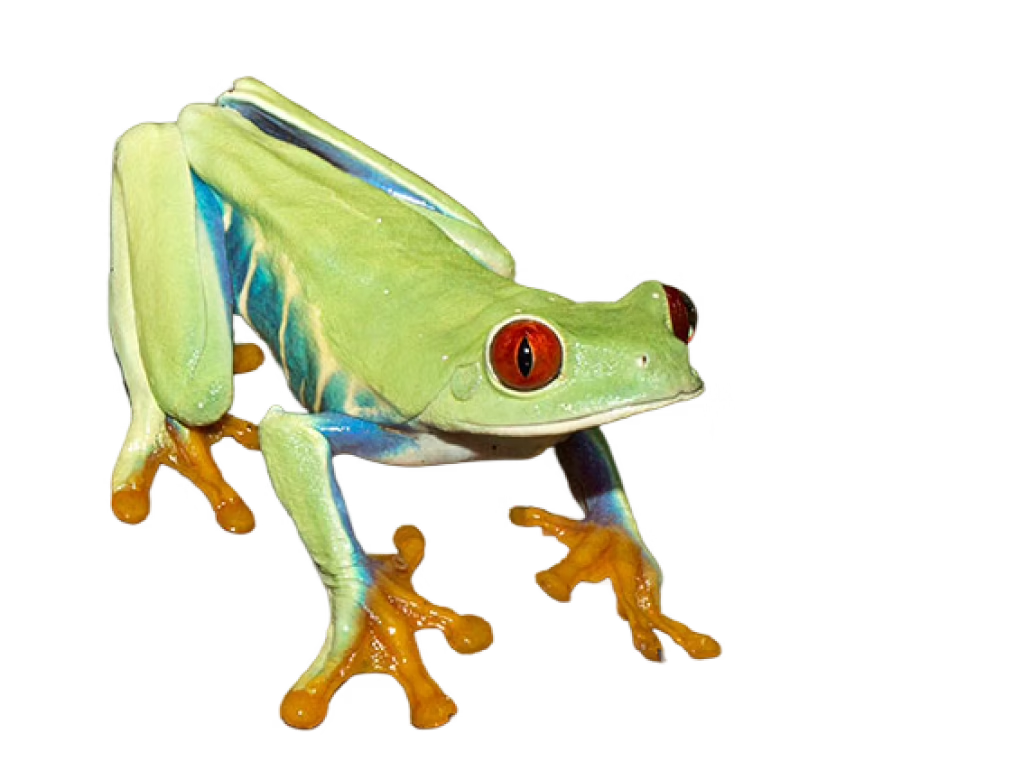
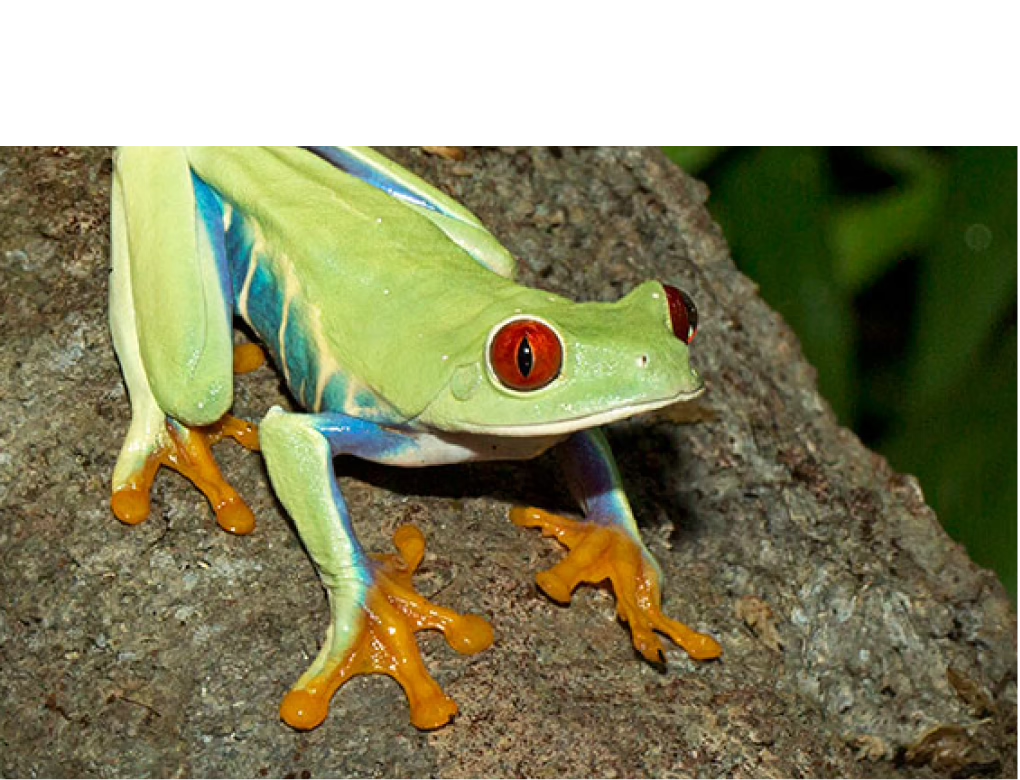
- Red-eyed tree frogs get their name from their distinctive eyes, but it is not known whether the eyes aid in their nocturnal lifestyle or if they are a defense mechanism known as “startle coloration,” which startles would-be predators and gives the frogs a chance to flee.
- Red-eyed tree frogs are a charismatic rainforest species and are frequently associated with rainforest conservation programs.
- Eggs can differentiate between benign vibrations such as rainfall and the vibrations of an approaching predator, such as a snake, and will hatch early when threatened.
Características físicas
Males are smaller than females, with adult males reaching approximately 2 inches in length and adult females reaching 3 inches in length. Juveniles are brownish and change to bright green as the mature. Belly is light blue or cream colored, legs are blue and feet are red – orange. Eyes are bright red in adults. Toes have suction cups to help them adhere themselves to the undersides of leaves. They are excellent climbers and also can swim.
Hábitat
Red-eyed tree frogs are found in lowland tropical rainforests with high humidity and warm daytime and nighttime temperatures, often near a river or water source. They are found in southern Mexico south throughout Central America.
Dieta
They feed predominately on crickets, moths, flies and grasshoppers, but will eat other insects and even small frogs.
Comportamiento social
Red-eyed tree frogs reproduce during the rainy season. Males will croak to attract females and perform a “quivering” display to establish territory and intimidate other suitors. Males will clasp on to the back of the female in what is known as “amplexus” and fertilize the eggs that she lays. Mating takes place on the underside of a leaf hanging above a water source so that when the eggs hatch, the tadpoles will drop into water.
Situación en la naturaleza
Least Vulnerable – IUCN 2008
>They are threatened due to habitat destruction and degradation as they are particularly sensitive to pollution and climate change. Like all frog species, they are threatened by chytrid fungus.
León africano
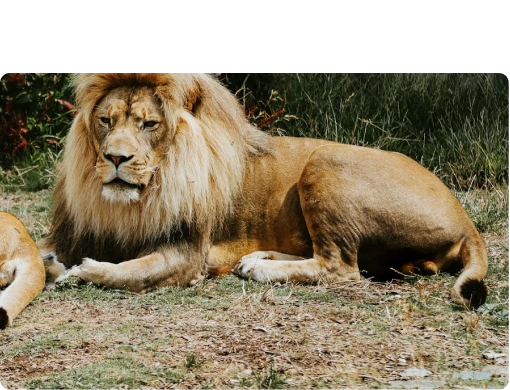
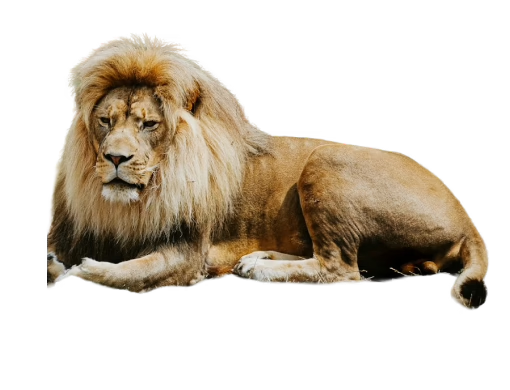
VulnerableUno de los animales más emblemáticos de la Tierra, el león africano es un símbolo de fuerza, inteligencia social y la África salvaje.
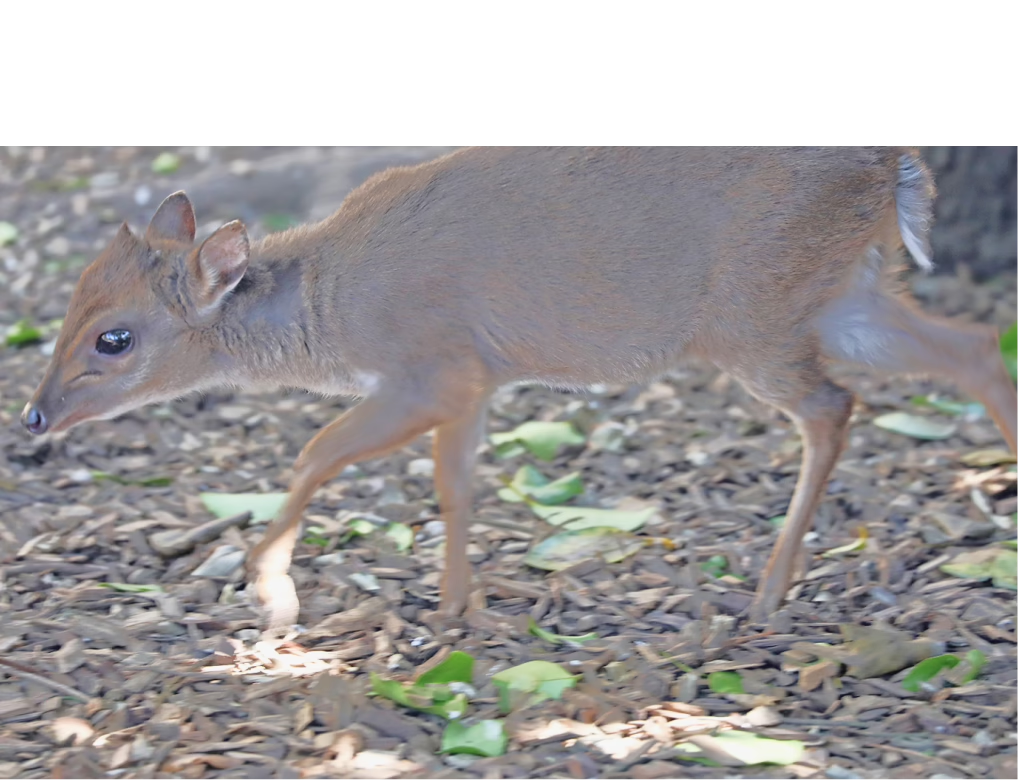
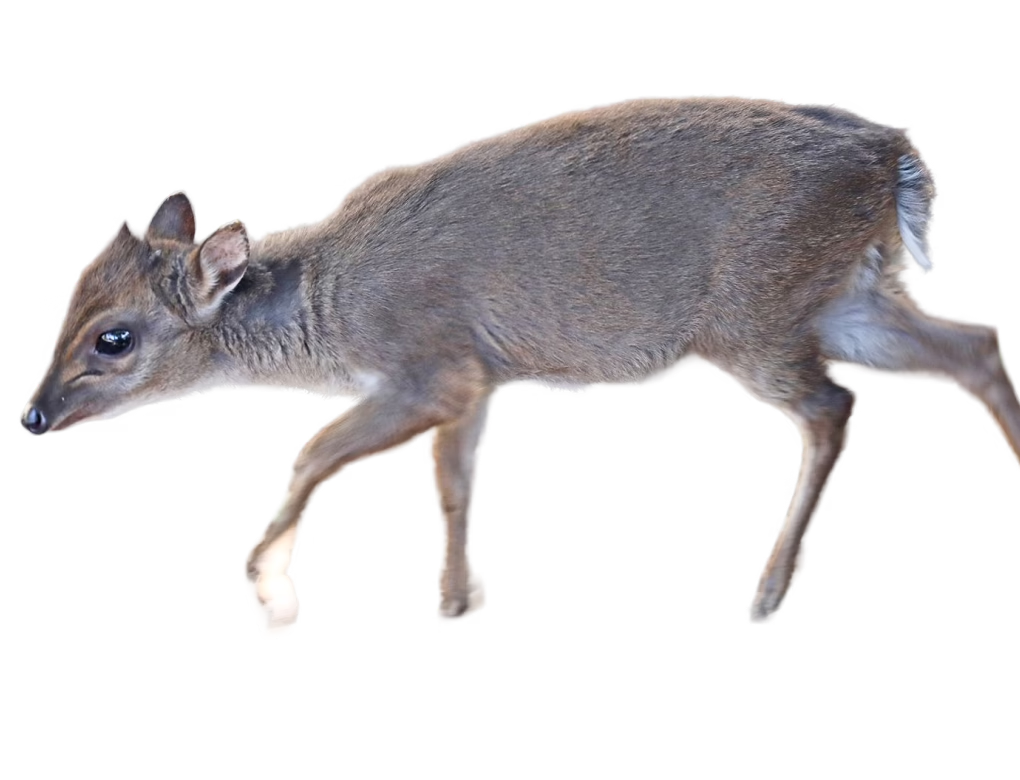
Duque azul
Preocupación menorAl ser la especie de antílope más pequeña del mundo y el duiker más pequeño, desempeñan un papel importante en el ecosistema forestal en el que viven.
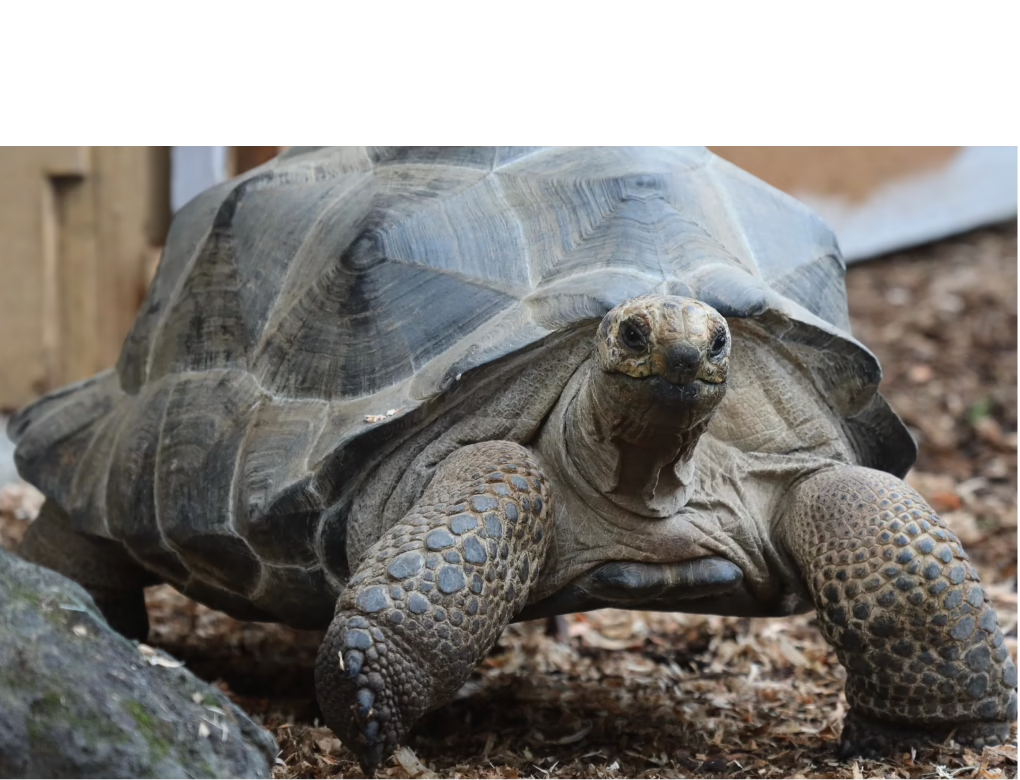
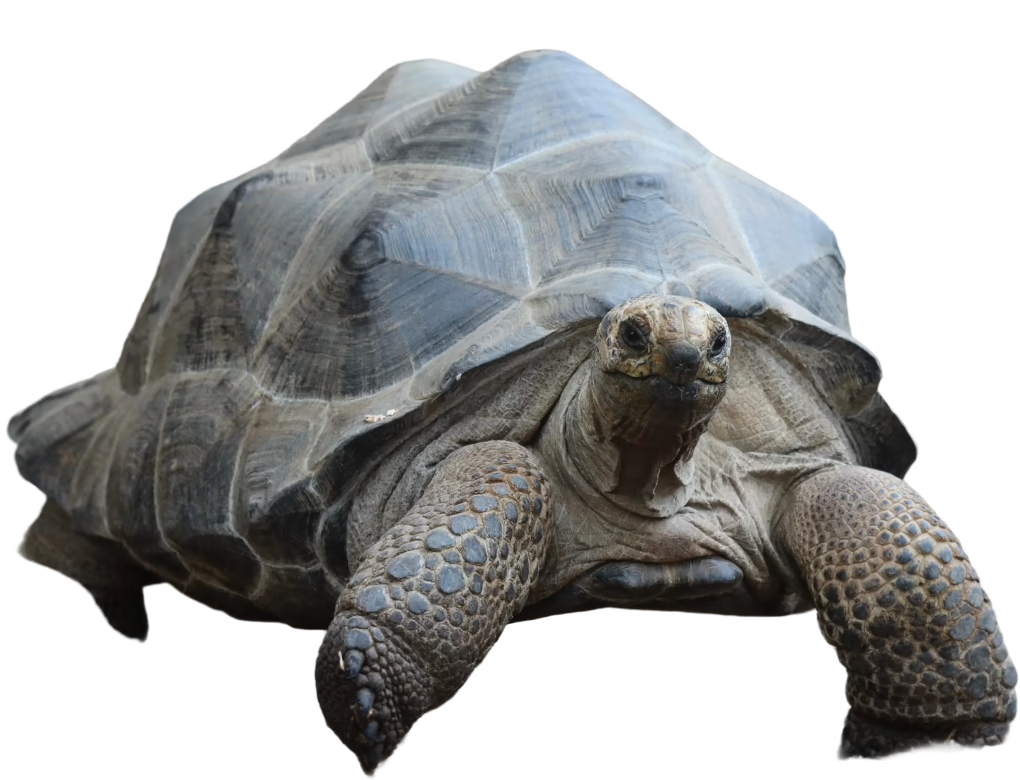
Tortuga de Aldabra
Vulnerable¡Como una de las tortugas terrestres más grandes y longevas del mundo, se sabe que algunas han vivido hasta 170 años!
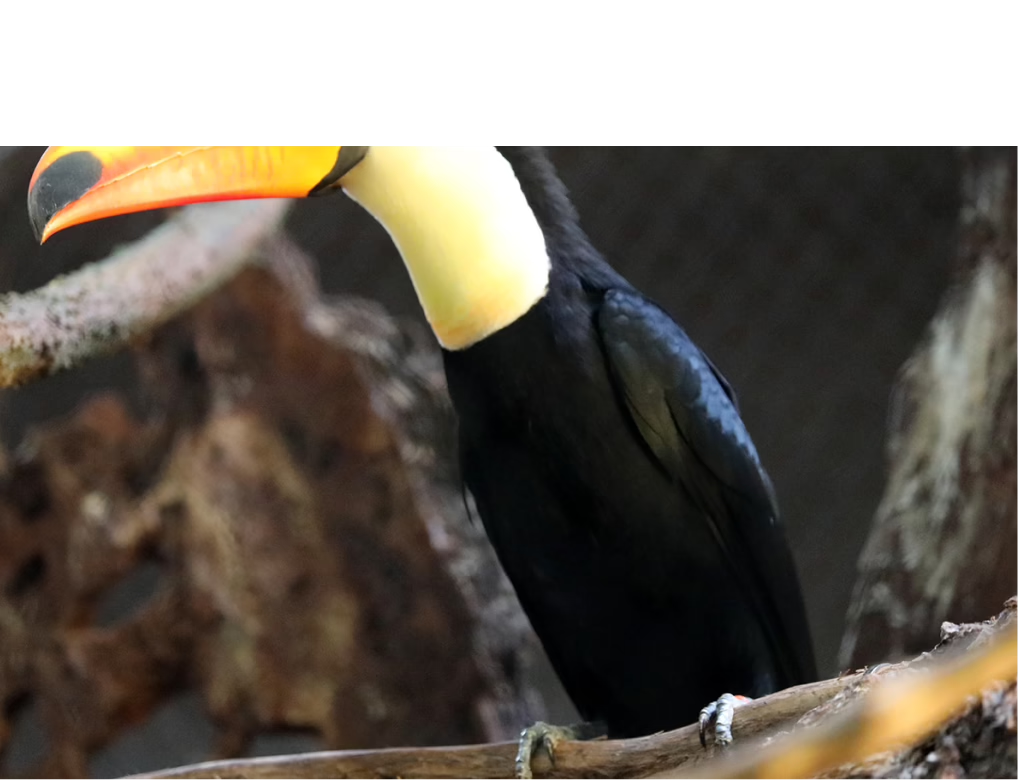
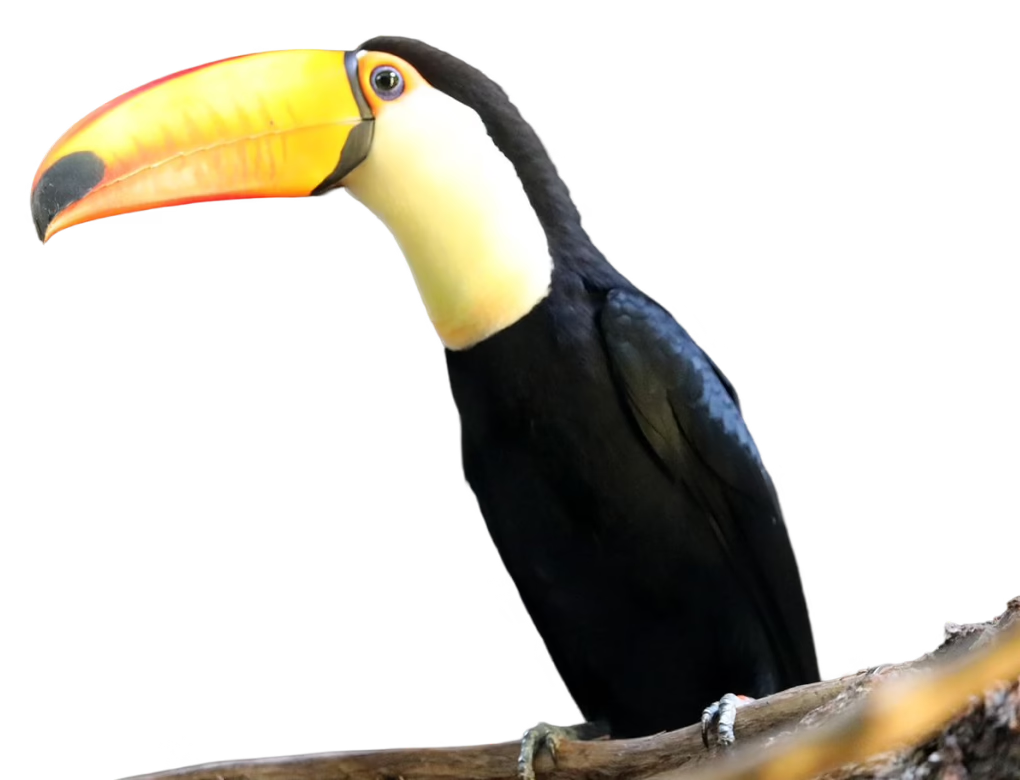
Tucán toco
Preocupación menorConocido por su pico grande y colorido y su comportamiento juguetón, es la especie más grande de los tucanes.
Adopta un animal que adores mientras disfrutas de beneficios exclusivos.