

Sa Zoo
Insect Zoo
Kamangha-manghang mga katotohanan
- Red harvester ants are often mistaken for fire ants, but are not related to any fire ant species, native or introduced.
- They are considered an incredibly helpful species and have been classified as a keystone species and ecological engineers.
- They build deep underground networks that can reach up to 15 feet down, with tunnels that help break up tightly packed dirt creating channels that allow oxygen and rainwater to get into the ground.
Mga pisikal na katangian
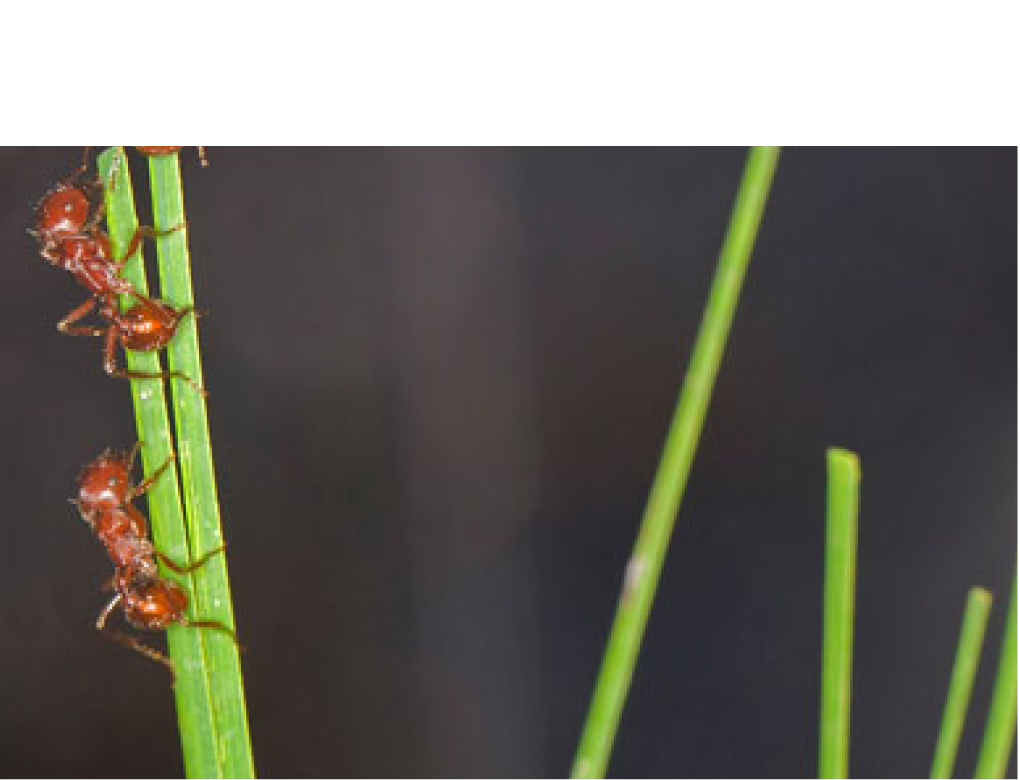
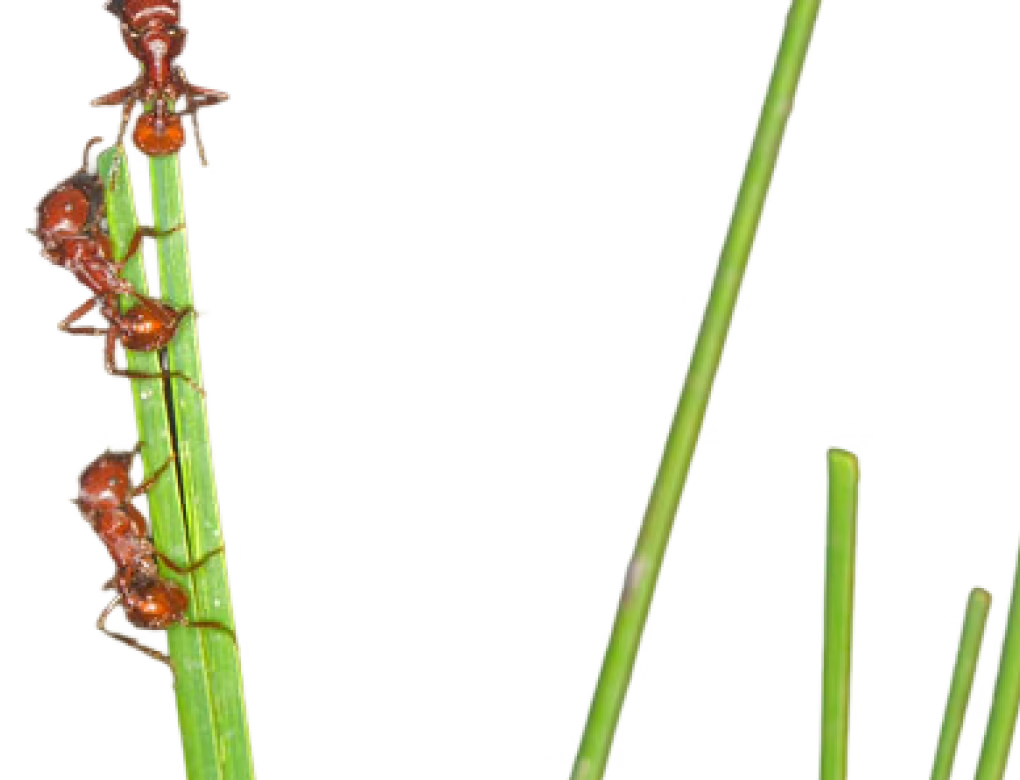
Workers of the red harvester ant colonies have long bodies, 1/4 to 1/2-inch long, and range in color from red to dark brown. They have square heads and no spines on their bodies. Winged males and female swarmers are larger than worker ants.
Habitat
Red harvester ants are common in the southwest United States.
Diet
The main food source for red harvester ants usually consists of seeds, which they hoard in great numbers, hence their name.
Sosyal na pag-uugali
They have a powerful sting which they are not shy about using. Their sting is quite painful and best avoided. In the evening, a few Pogonomyrmex barbatus workers will usually seal the nest entrance with gravel and twigs to keep nighttime intruders out of the nest.
>Winged males and females swarm, pair and mate. Males soon die and females seek a suitable nesting site. After dropping her wings, the queen ant digs a burrow and produces a few eggs. Larvae hatch from eggs and developed through several stages (instars). Larvae are white and legless, shaped like a crookneck squash with a small distinct head. Pupation occurs within a cocoon. Worker ants produced by the queen ant begin caring for other developing ants, enlarge the nest and forage for food.
Katayuan sa ligid
Red harvester ants are common and has not been evaluated by the IUCN Red List. Local populations have shrunk since the accidental introduction of non-native red fire ants that has devastated native ecosystems, while pesticides have killed this species along with the invasive red fire ants.
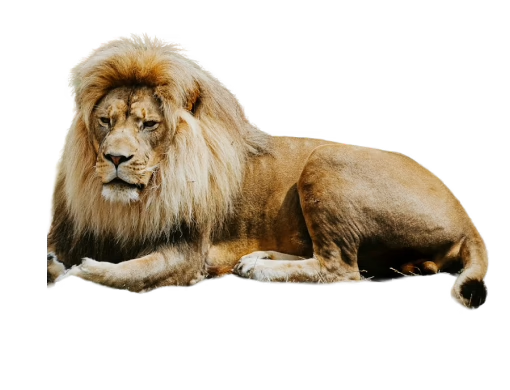
Aprikanong leon
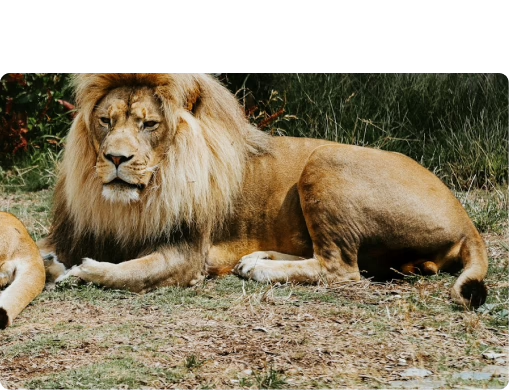
MapanganibIsa sa mga pinakatanyag na hayop sa mundo, ang leon ng Africa ay simbolo ng lakas, sosyal na katalinuhan, at ligaw na Africa.
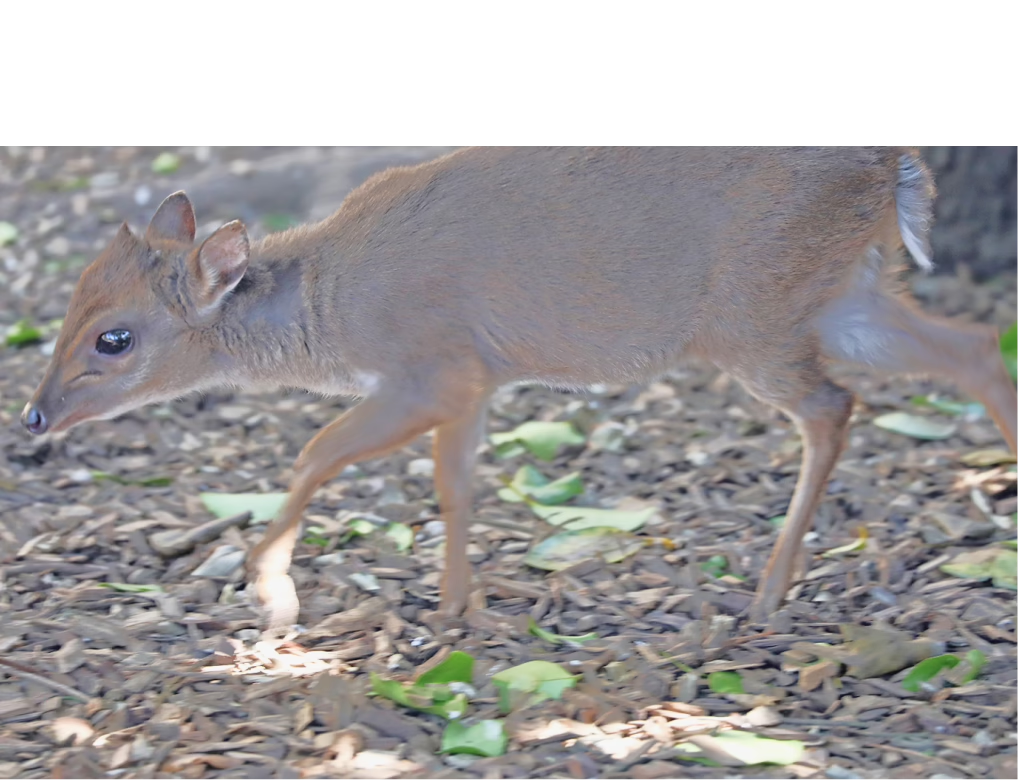
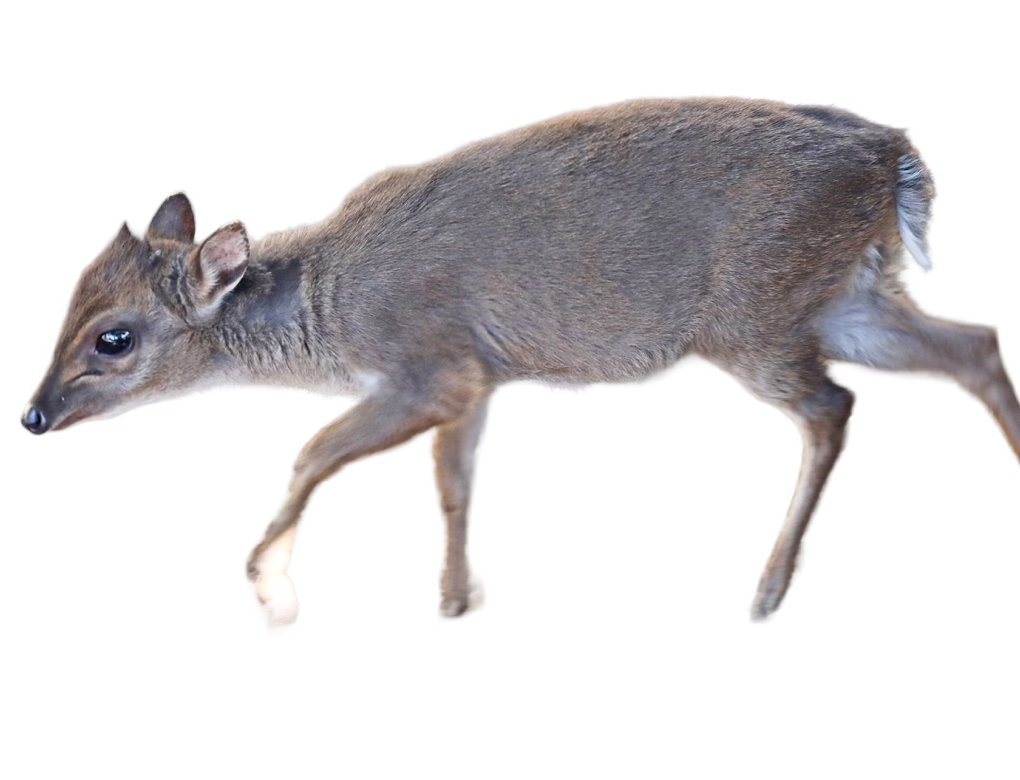
Blue duiker
Hindi Nakalulugod na KalagayanBilang pinakamaliit na species ng antelope at pinakamaliit na duiker sa mundo, mahalaga ang kanilang papel sa ekosistema ng kanilang kagubatan.
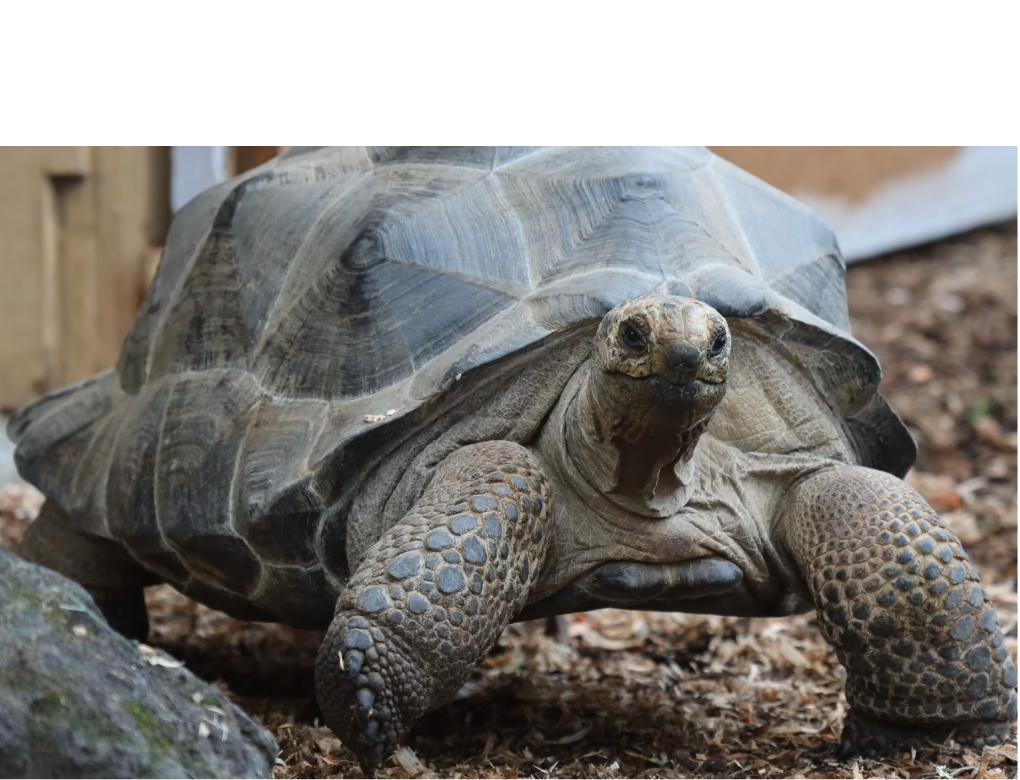
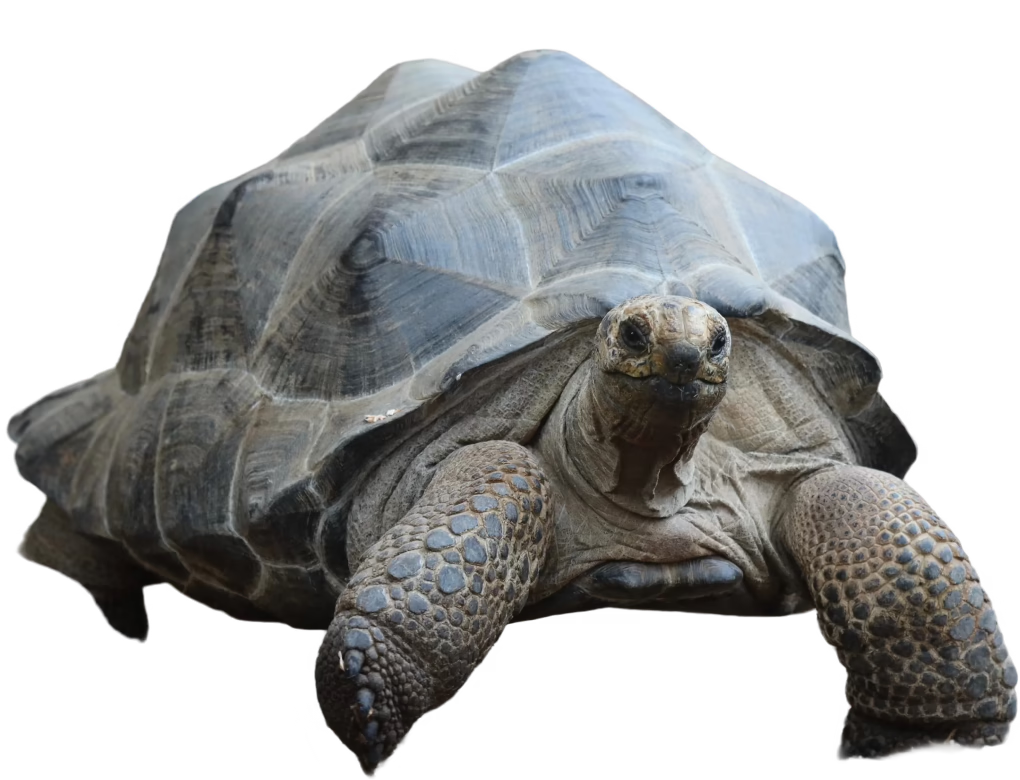
Aldabra tortoise
MapanganibBilang isa sa pinakamalaki at pinakamahaba ang buhay na mga land tortoise sa mundo, may ilan na tinatayang may 170 taon nang nabubuhay!
Toco toucan
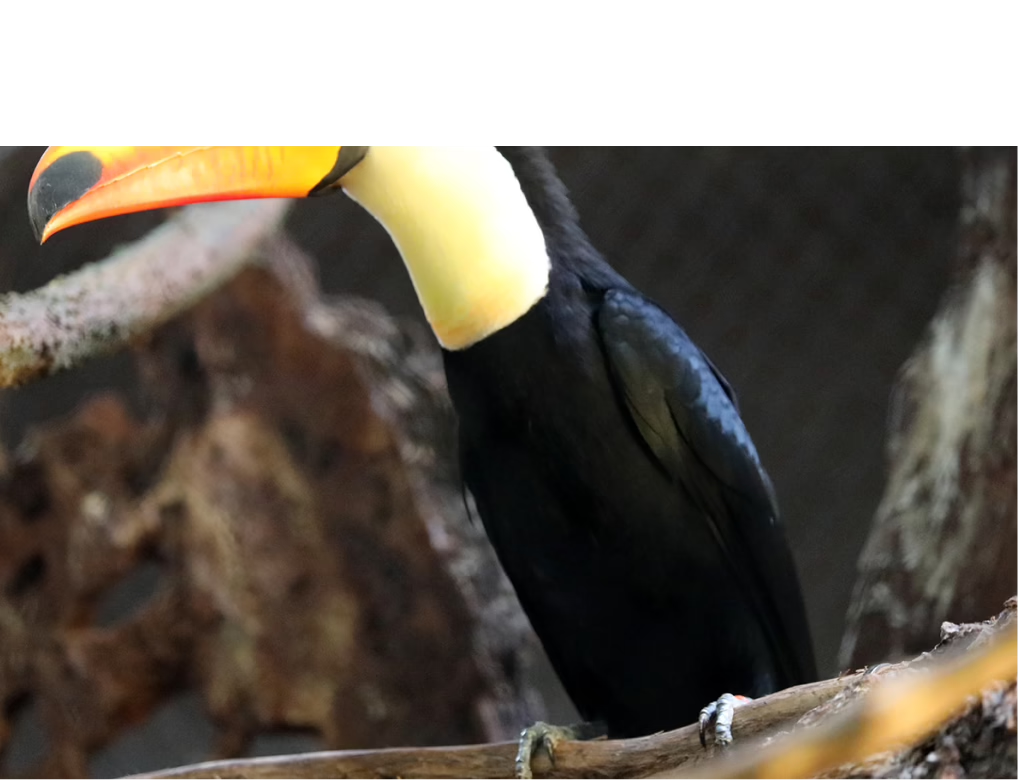
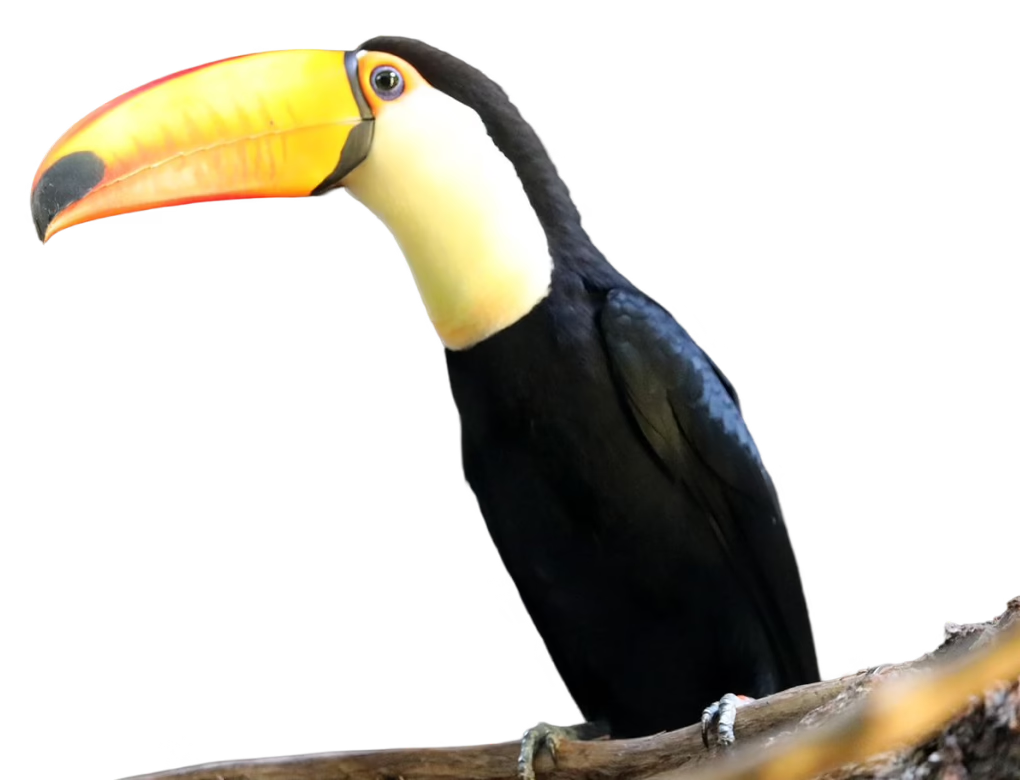
Hindi Nakalulugod na KalagayanKilala sa malalaking bilog na balahibo at masiglang pag-uugali, ito ang pinakamalaking uri ng toucan.