
Những sự thật hấp dẫn
- Red harvester ants are often mistaken for fire ants, but are not related to any fire ant species, native or introduced.
Đặc điểm vật lý
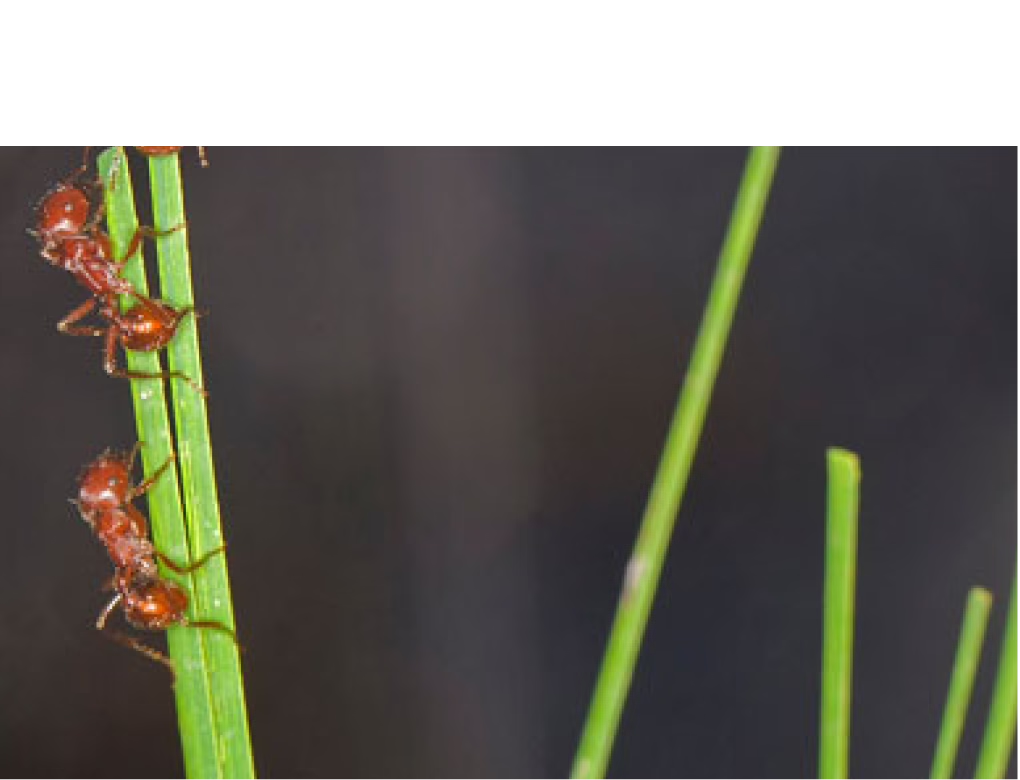
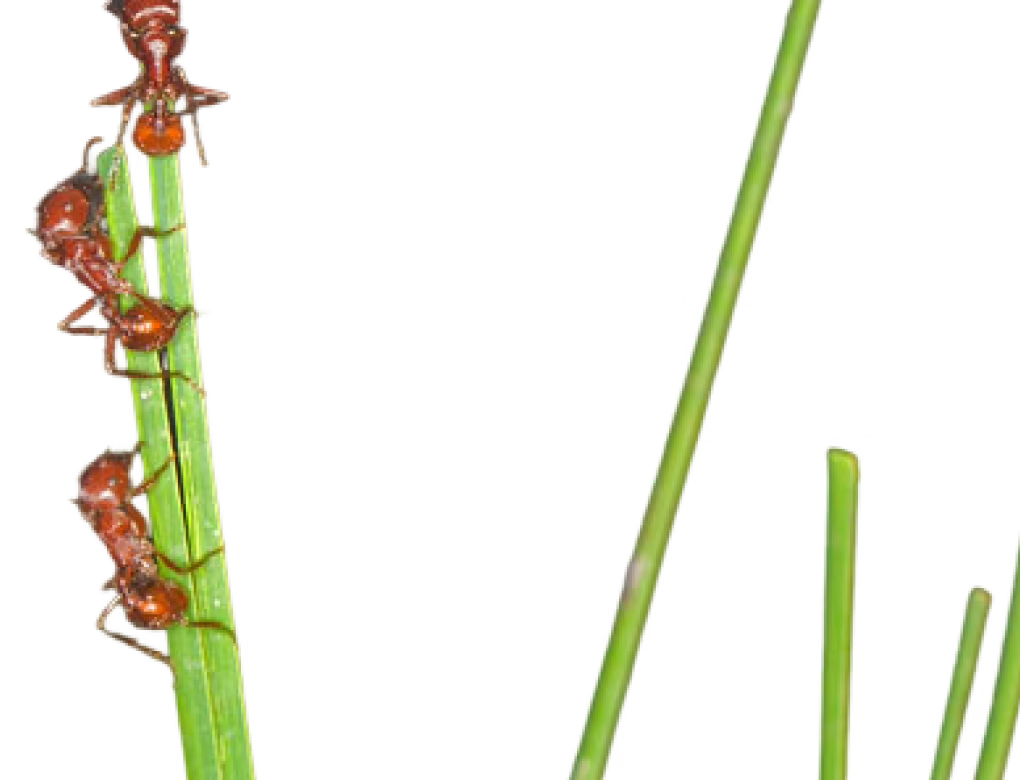
Workers of the red harvester ant colonies have long bodies, 1/4 to 1/2-inch long, and range in color from red to dark brown. They have square heads and no spines on their bodies. Winged males and female swarmers are larger than worker ants.
Môi trường sống/Thức ăn
Red harvester ants are common in the southwest United States. The main food source for red harvester ants usually consists of seeds, which they hoard in great numbers, hence their name.
Hành vi xã hội
They have a powerful sting which they are not shy about using. Their sting is quite painful and best avoided. In the evening, a few Pogonomyrmex barbatus workers will usually seal the nest entrance with gravel and twigs to keep nighttime intruders out of the nest.
>Winged males and females swarm, pair and mate. Males soon die and females seek a suitable nesting site. After dropping her wings, the queen ant digs a burrow and produces a few eggs. Larvae hatch from eggs and developed through several stages (instars). Larvae are white and legless, shaped like a crookneck squash with a small distinct head. Pupation occurs within a cocoon. Worker ants produced by the queen ant begin caring for other developing ants, enlarge the nest and forage for food.
Tình trạng trong tự nhiên
Red harvester ants are common and not endangered.
Khác
They can be found at the Insect Zoo.
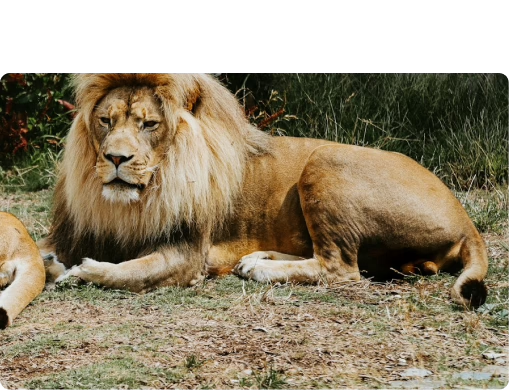
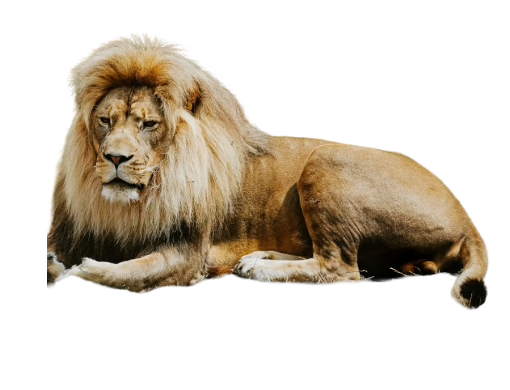
Con sư tử châu Phi
Dễ bị tổn thươngMột trong những loài động vật mang tính biểu tượng nhất trên Trái Đất, sư tử châu Phi là biểu tượng của sức mạnh, trí tuệ xã hội và vùng đất hoang dã của châu Phi.
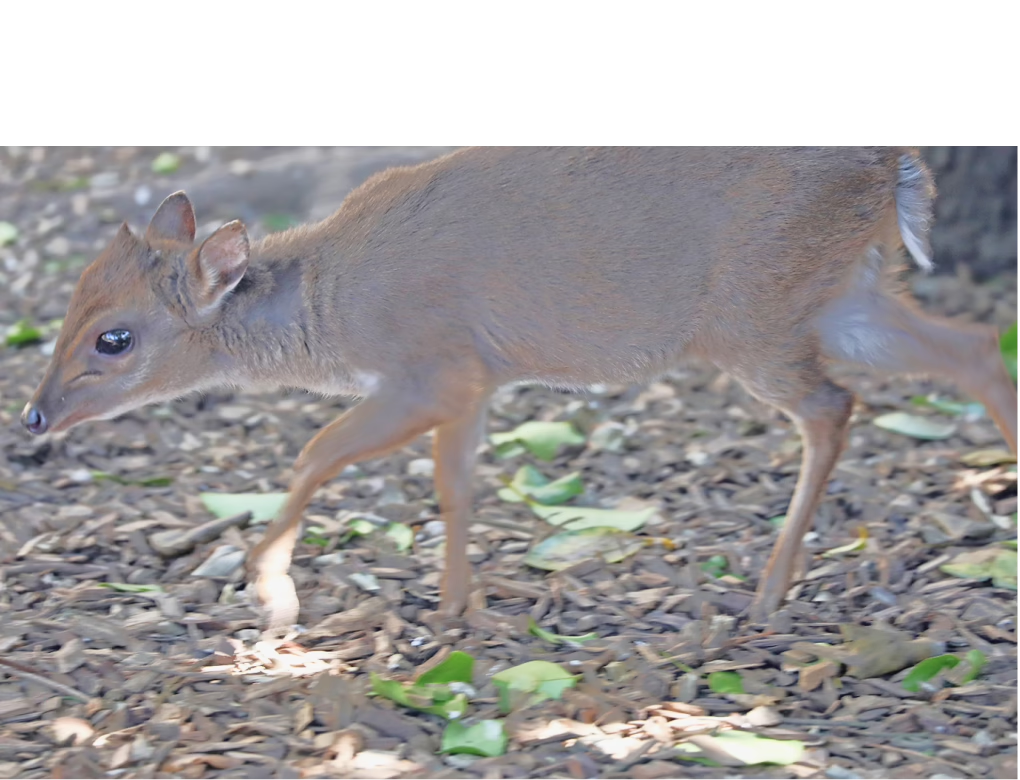
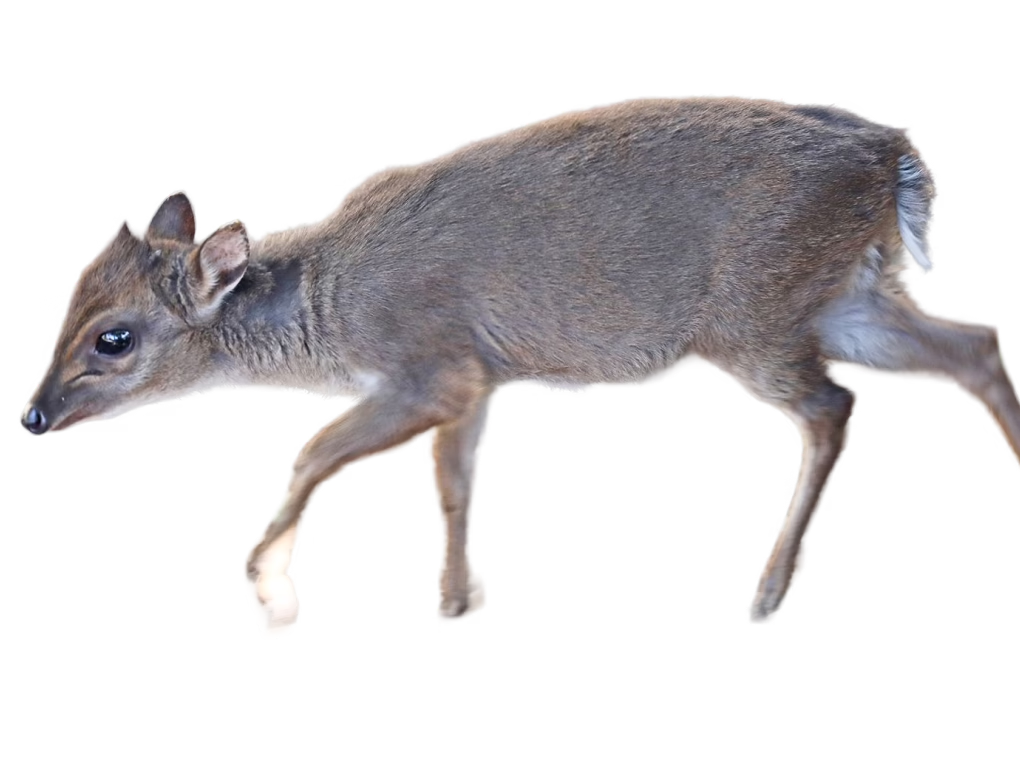
Blue duiker
Loại ít nguy cấpLà loài tê tê nhỏ nhất thế giới và là loài duiker nhỏ nhất, chúng đóng vai trò quan trọng trong hệ sinh thái rừng của chúng.
Cá sấu Aldabra
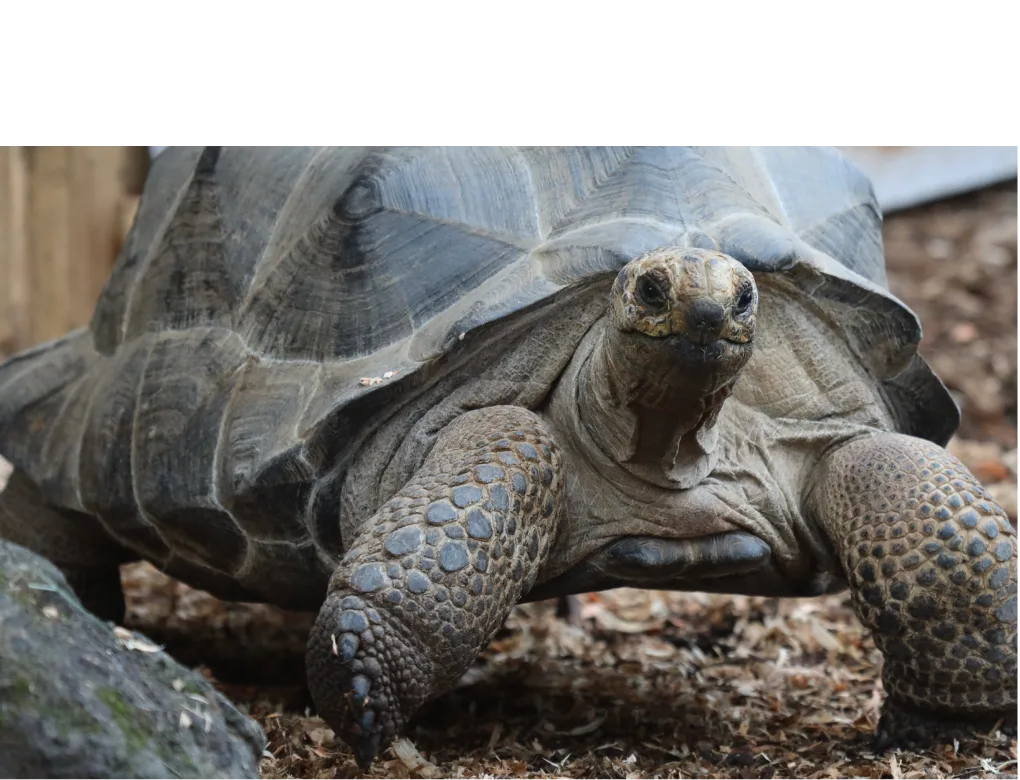
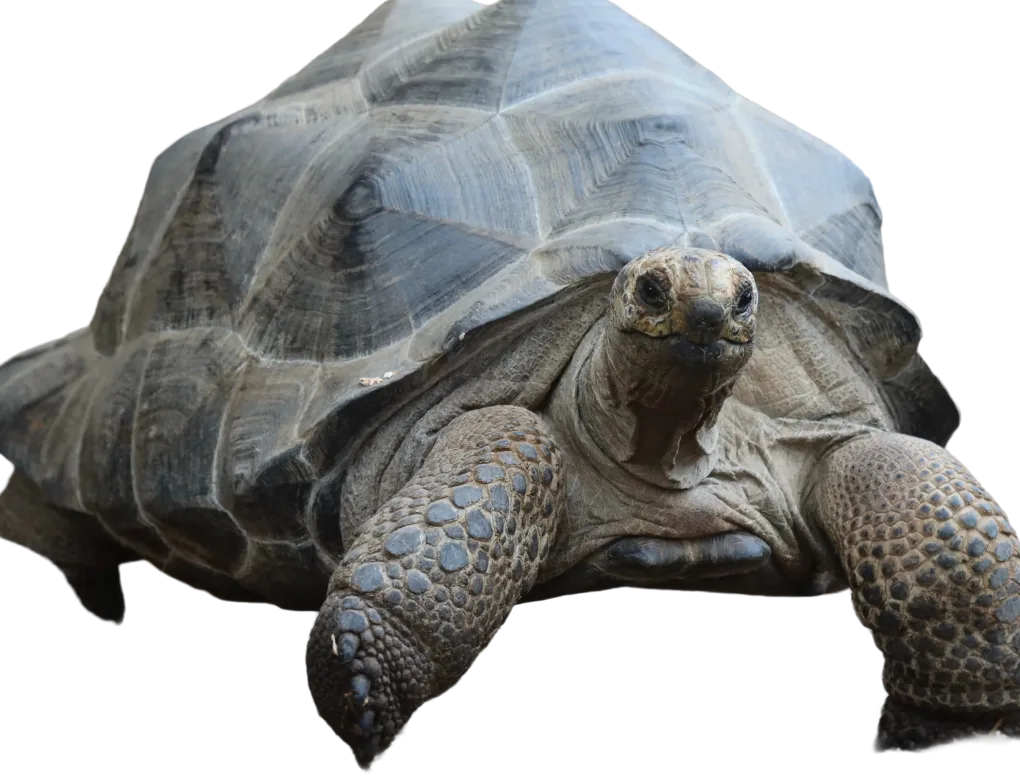
Dễ bị tổn thươngLà một trong những loài rùa đất lớn nhất và sống lâu nhất trên thế giới, một số loài được biết đến đã sống đến 170 năm!
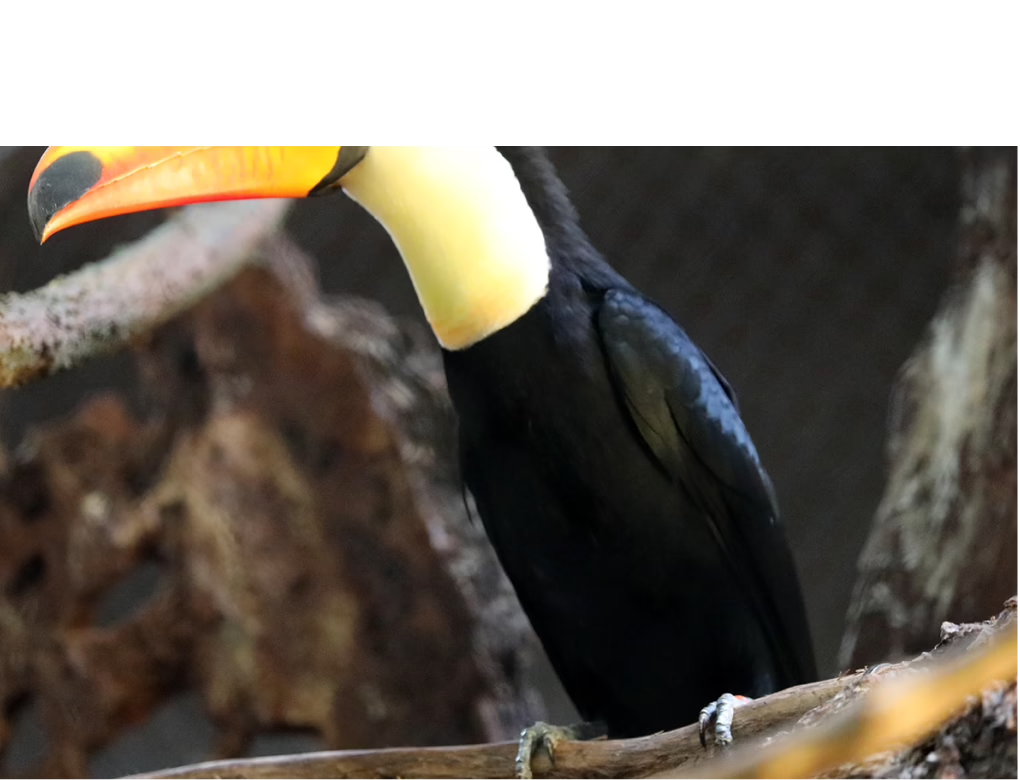
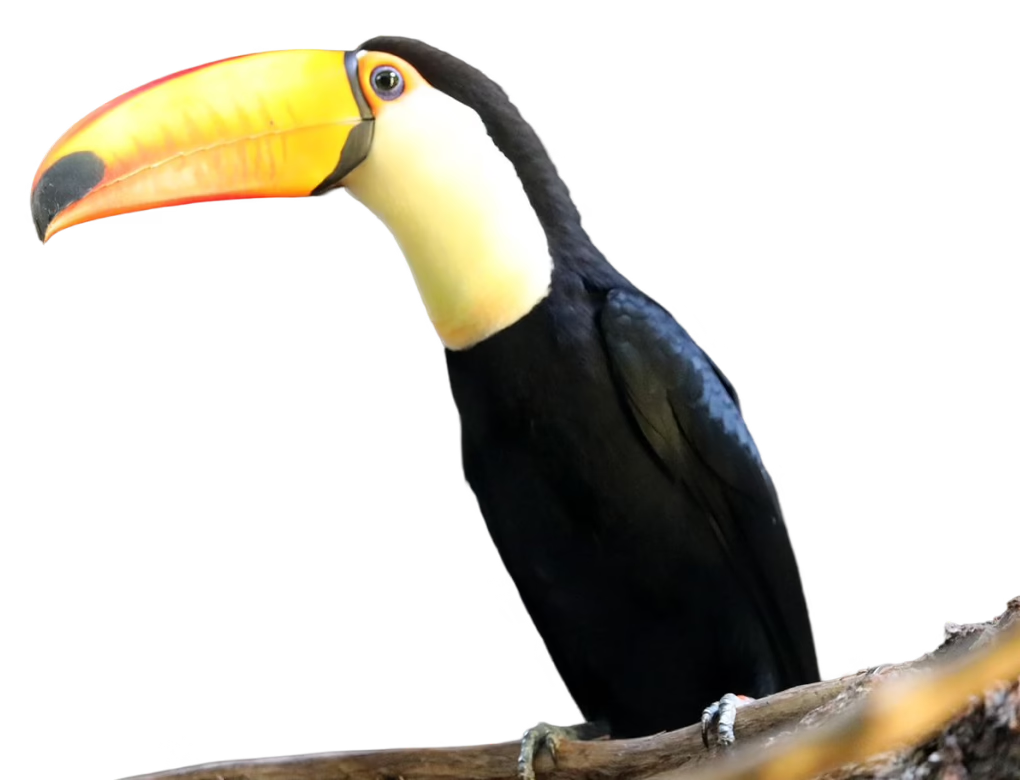
Con tico toucan
Loại ít nguy cấpĐược biết đến với những chiếc vảy lớn và đầy màu sắc cùng với lối sống vui tươi, đây là loài cò lớn nhất trong số các loài cò.