




在动物园里
昆虫动物园
令人着迷的事实
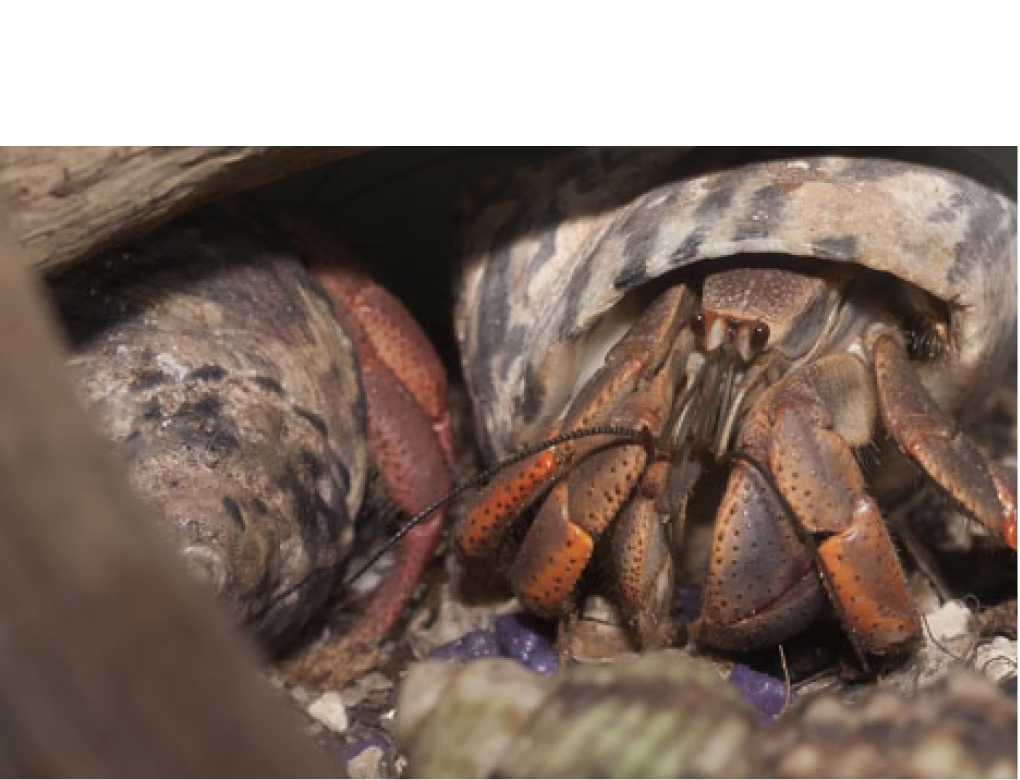
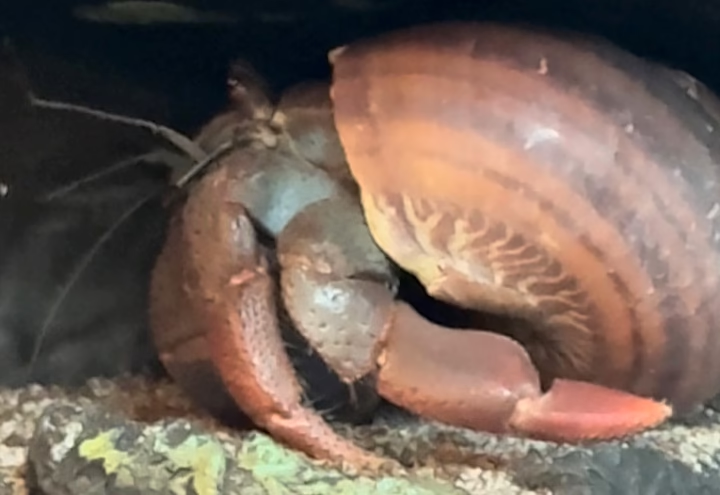
- 随着海胆的体型增大,它必须寻找更大的壳来取代之前的壳。这种生活在二手壳中的习惯,就产生了“海胆”这个通俗名称,这与一个人独居的隐士的形象颇为相像。.
- Hermit crabs have been heard making croaking sounds.
身体特征
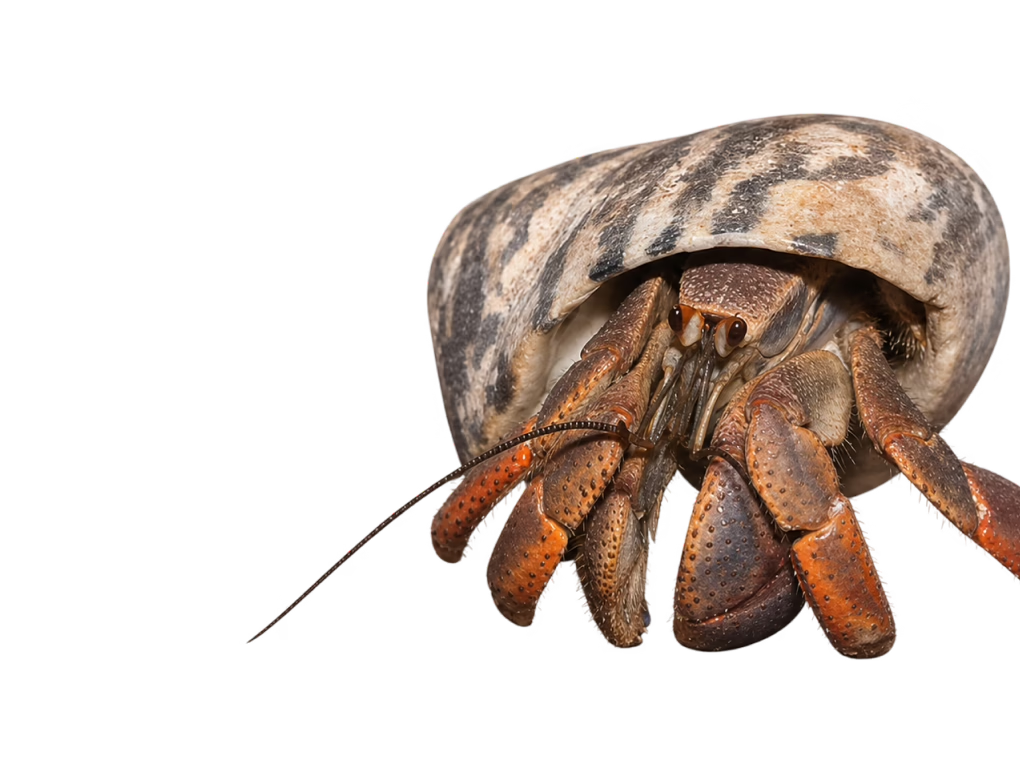
Most species have long, spirally curved abdomens, which are soft, unlike the hard, calcified abdomens seen in related crustaceans. The vulnerable abdomen is protected from predators by a salvaged empty seashell carried by the hermit crab, into which its whole body can retract.
栖息地
Land hermit crabs of many different species are found in tropical areas of the Indo-region, the western Atlantic, and the western Caribbean. They live close to the shoreline and must have access to land and water.
饮食
In the wild, hermit crabs are omnivorous scavengers, meaning they eat whatever they can find. At the Zoo, they are fed fish food, crab food, and various fruits and vegetables.
社交行为
Hermit crabs are nocturnal. They are most active during the night and they truly love the dark.
>As a hermit crab grows, it molts, shedding its exoskeleton and creating a new, larger one. A crab builds up enough water pressure in its body to split the old skin. A crab may eat its molted skin, possibly for its calcium, vitamins, and minerals.
野生状态
The land hermit crab is common and most are not globally endangered, but some regional populations face local threats and the commercial pet trade is unsustainable. Most land hermit crabs found in pet stores were taken from the wild as they do not successfully breed under human care.