




在动物园里
Bird Aviary across from Koala Crossing
令人惊叹的事实
Songs are important in yellow-rumped cacique colonies: they can be used to establish a territory, display dominance and attract a mate. Yellow-rumped caciques have their own calls, but can mimic other species’ calls, as well. In addition, colonies will have special songs that they will use to differentiate colony members from outsiders.
They are considered lucky according to Peruvian folklore. Known as the paucar, if you see or hear a yellow-rumped cacique, it’s considered an omen that brings good news.
物理特征
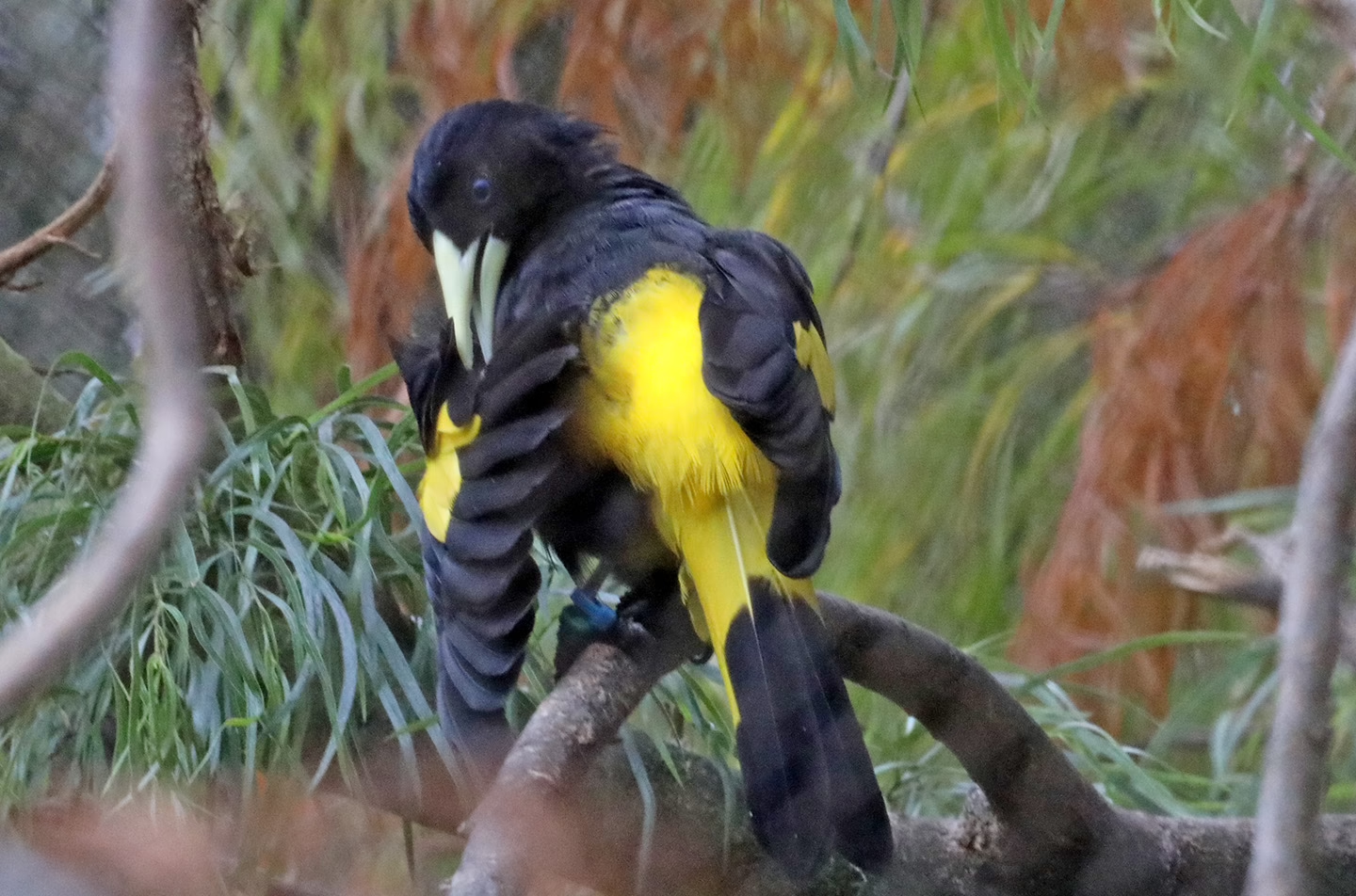
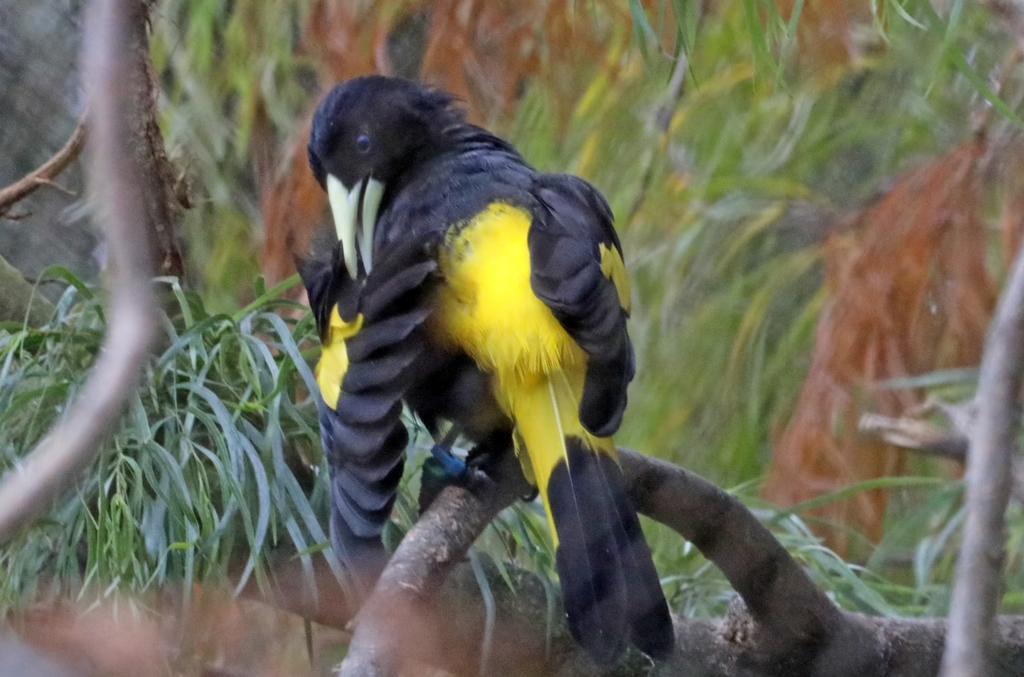
Adult yellow-rumped caciques are black with a blue sheen, with patches of yellow on the wings and the rump. They have blue eyes and an off-white beak. Juveniles and females have a duller coloration. Males are about 11 inches in length and females about 9 inches.
栖息地
Yellow-rumped caciques are found in forest edge and savannas.
饮食
They feed on insects, small vertebrates, fruit and nectar.
社交行为
Yellow-rumped caciques are gregarious and will nest in colonies with anywhere from 2 – 250 nests. Males will compete to breed with multiple females. This competition includes singing, displaying and aerial combat. Usually the larger male will win. Females will also compete with other females for the best nesting spots in the colony. Nests are pouch-shaped, constructed of woven plant materials, and hang from a tree. Nesting colonies are frequently located in a tree with a wasp’s nest to help deter predators. Nesting colonies are also sometimes located on an island or near human settlements, also to deter predators. After mating, females will build a nest, incubate a clutch of 2 eggs and raise the chicks until fledging.
野生的状态
其他
Predators include raptors and other bird species. Yellow-rumped caciques are threatened by habitat loss
你知道吗?