




En el Zoo
Great Ape Passage
Datos fascinantes
- There are three different species of orangutan: Bornean, Sumatran and Tapanuli. Borneans are the largest of the three species.
- The word orangutan means “person of the forest” in Malay.
- They are diurnal and build sleeping nests out of plant material high up in the trees.
- As predominantly frugivorous, or fruit-eating animals, they are important seed dispersers as the seeds are passed through their waste.
Características físicas
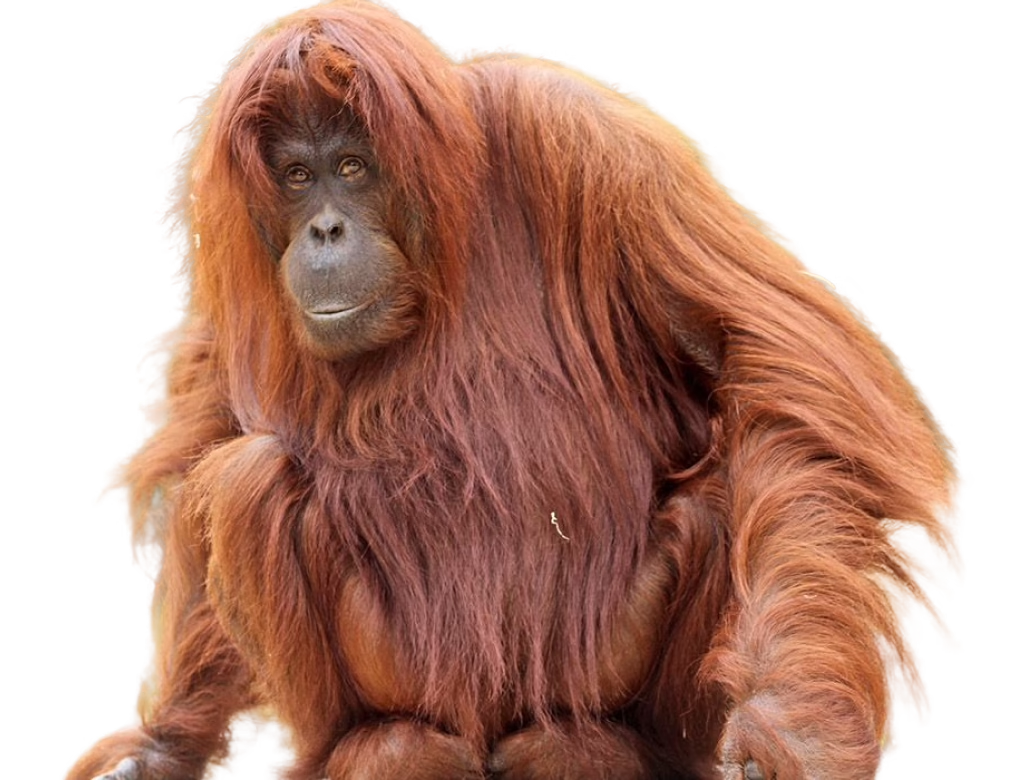
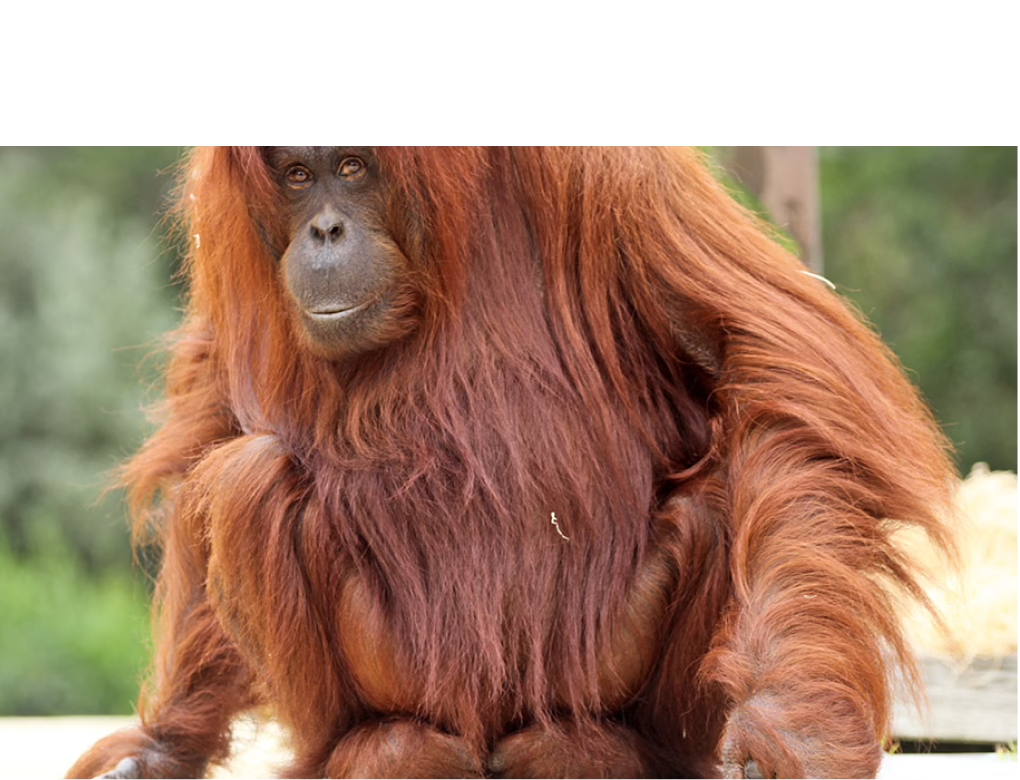
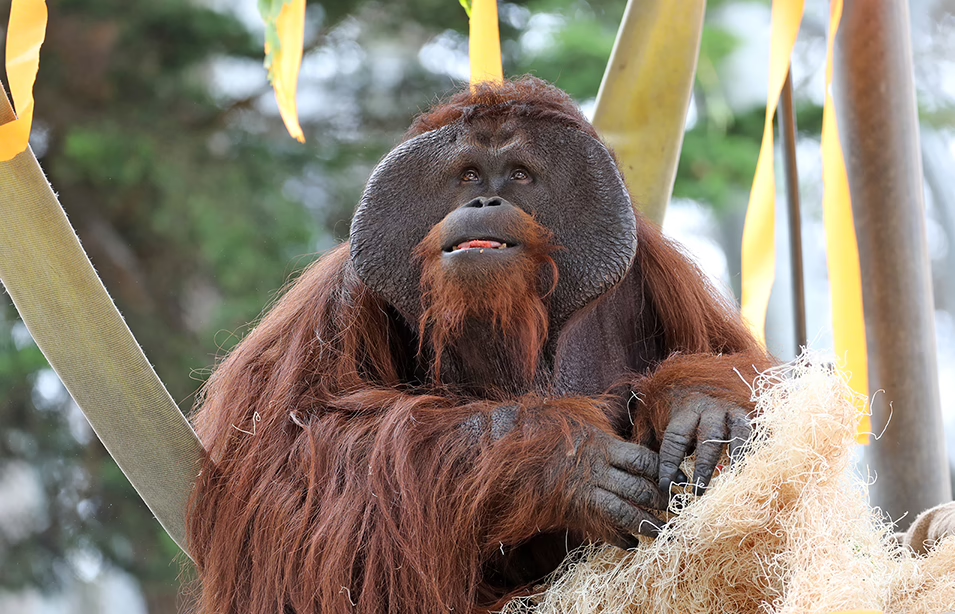
Some males exhibit what is known as “bimaturism”, which is two forms of adulthood. Until they are between 15 – 20 years of age, adult males in the wild look similar to adult females and are known as “unflanged” males. As they mature, some males become bigger and start to grow “flanges”, which are large cheek pads. There are some males who are fully mature yet never become fully “flanged”. The unflanged males are smaller than the flanged males and do reproduce. Scientists aren’t entirely sure why some males become flanged and others don’t, but it might be to avoid competition. A flanged male can grow to almost twice the size of an adult female: approximately 38 inches tall and 190 pounds to her 30 inches tall and 80 pounds.
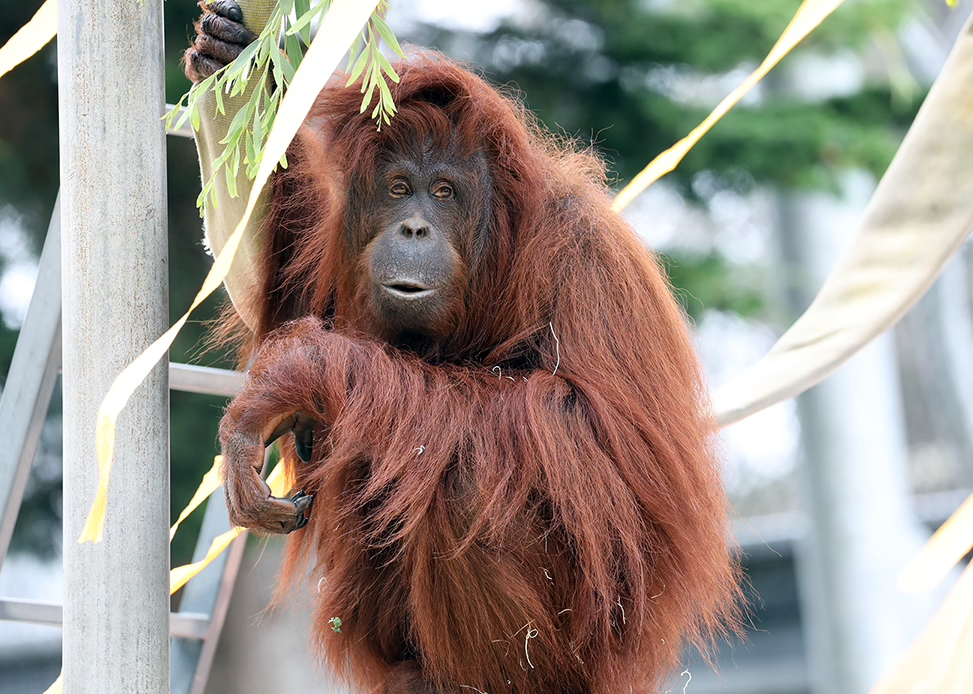
Both males and females are covered in shaggy red-brown hair and have long arms relative to body size, which they use to move through the trees or “brachiate”. Males can have an armspan of 7 ½ feet. They have grasping hands and feet to better suit their arboreal lifestyle, as they rarely come down to the ground.
Hábitat
Bornean orangutans are found primarily in lowland tropical forests in parts of Malaysian and Indonesian Borneo.
Dieta
In the wild, orangutans eat mostly fruit, but also leaves, barks, flowers and insects.
Comportamiento social
Orangutans are the least social of the great apes. Adult males spend most of their time alone and females will sometimes join a loose group when a large amount of ripe fruit becomes available. A flanged male will establish a territory that will encompass several females’ territories.
The gestation period is 9 months, after which a single offspring is born. The male has no parental role. The offspring will stay with its mother for approximately 8 years, after which she will breed again. Young females will establish a territory next to their mother’s territory. Orangutans live 35 – 45 years in the wild and can live to almost 60 under human care.
Situación en la naturaleza
Borean Orangutans are listed as Critically Endangered by the IUCN. Orangutans are threatened by habitat degradation, habitat destruction and habitat fragmentation. As they cannot swim, they can become increasingly isolated in smaller and smaller patches of forest as palm oil plantations replace forest habitat. They are also threatened by the pet trade. The only predator of adult orangutans is humans.
What can you do to help orangutans?
- Purchase wood and paper products with the FSC-certified logo, which helps support the work that others are doing to protect forests in danger.
- Visit www.cmzoo.org/palmoil to learn more about the complex issue with palm oil.
- Spread the word about orangutan conservation!
¿Sabías algo?
Orangutans have long arms to help them swing in the forest. How long are they?
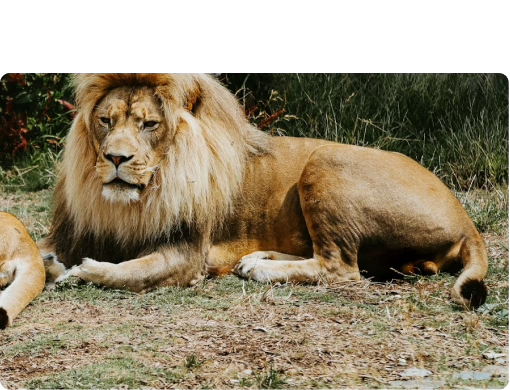
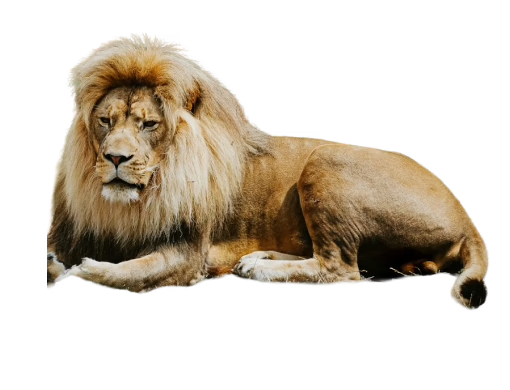
León africano
VulnerableUno de los animales más emblemáticos de la Tierra, el león africano es un símbolo de fuerza, inteligencia social y la África salvaje.
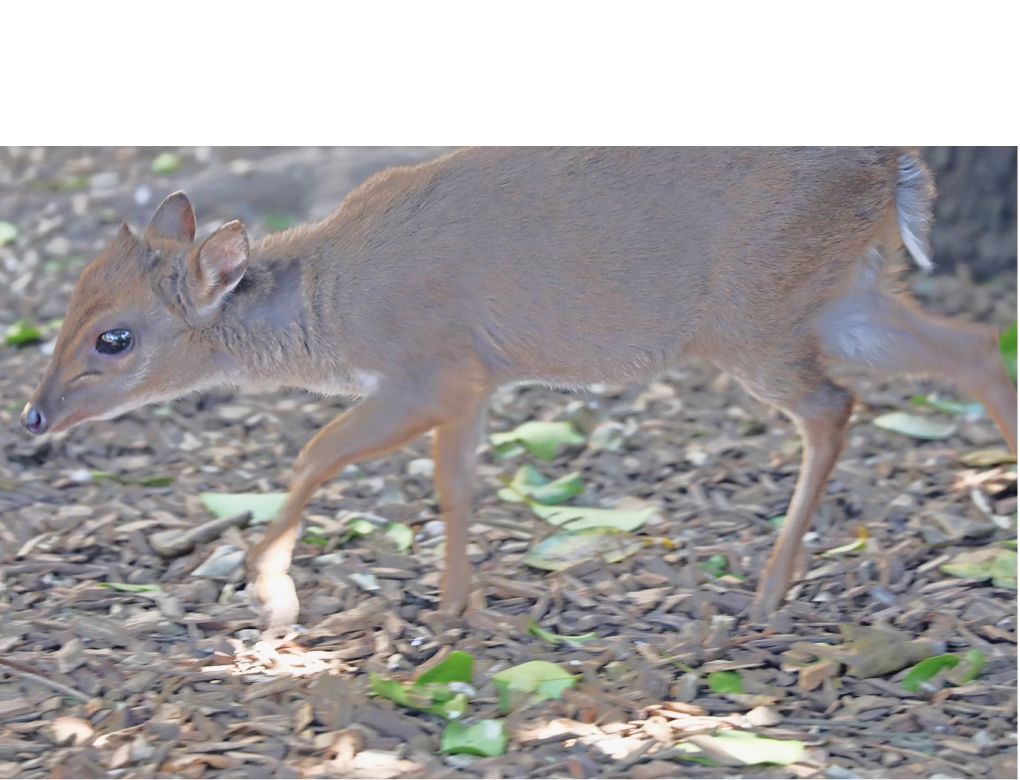
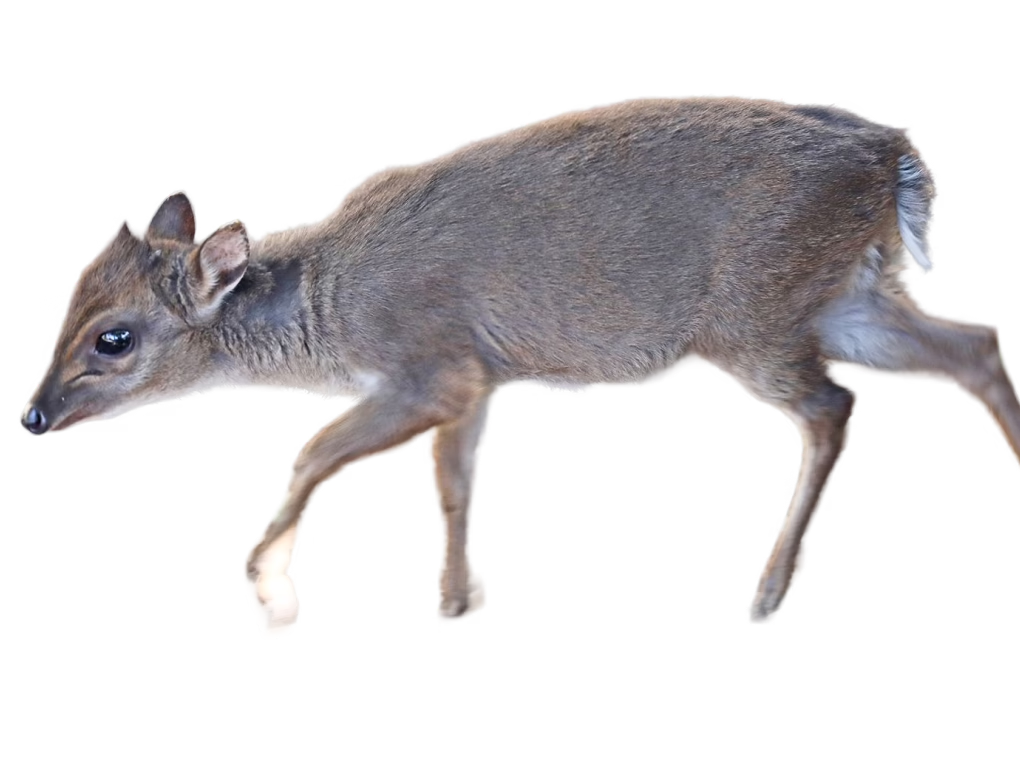
Duque azul
Preocupación menorAl ser la especie de antílope más pequeña del mundo y el duiker más pequeño, desempeñan un papel importante en el ecosistema forestal en el que viven.
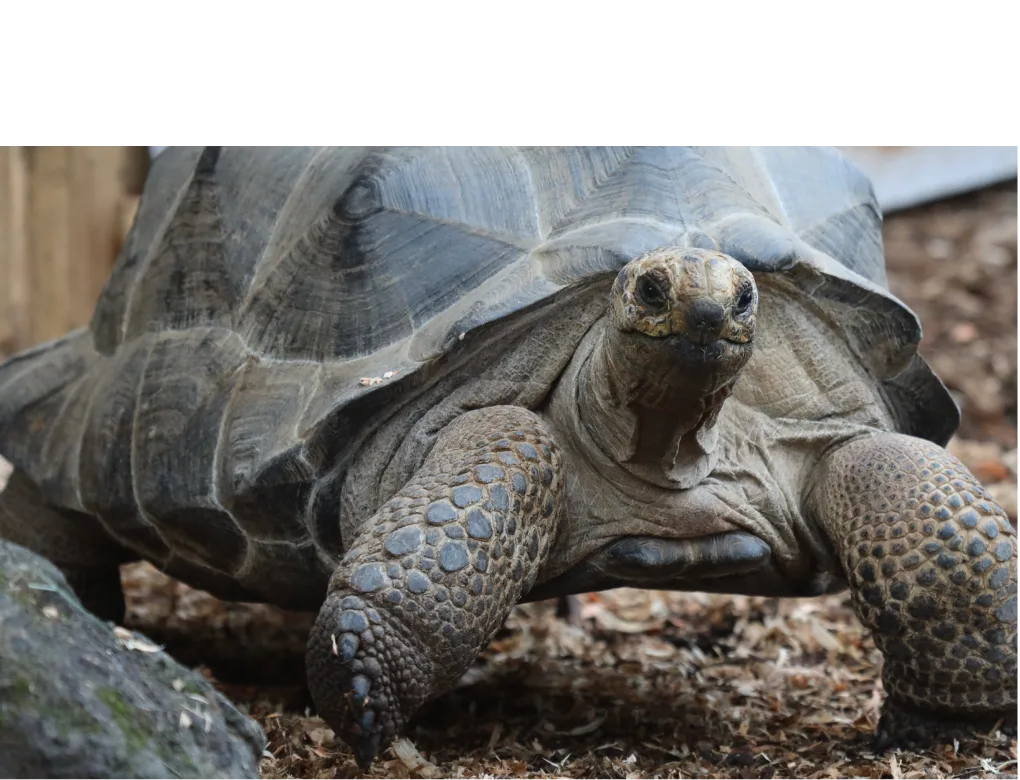
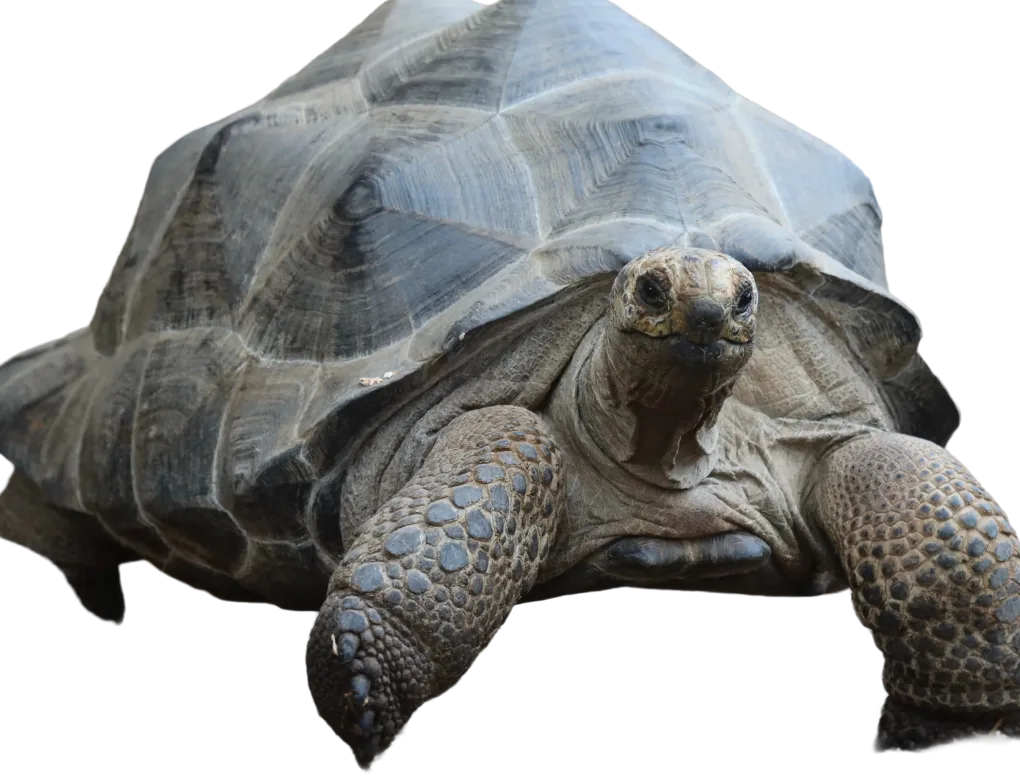
Tortuga de Aldabra
Vulnerable¡Como una de las tortugas terrestres más grandes y longevas del mundo, se sabe que algunas han vivido hasta 170 años!
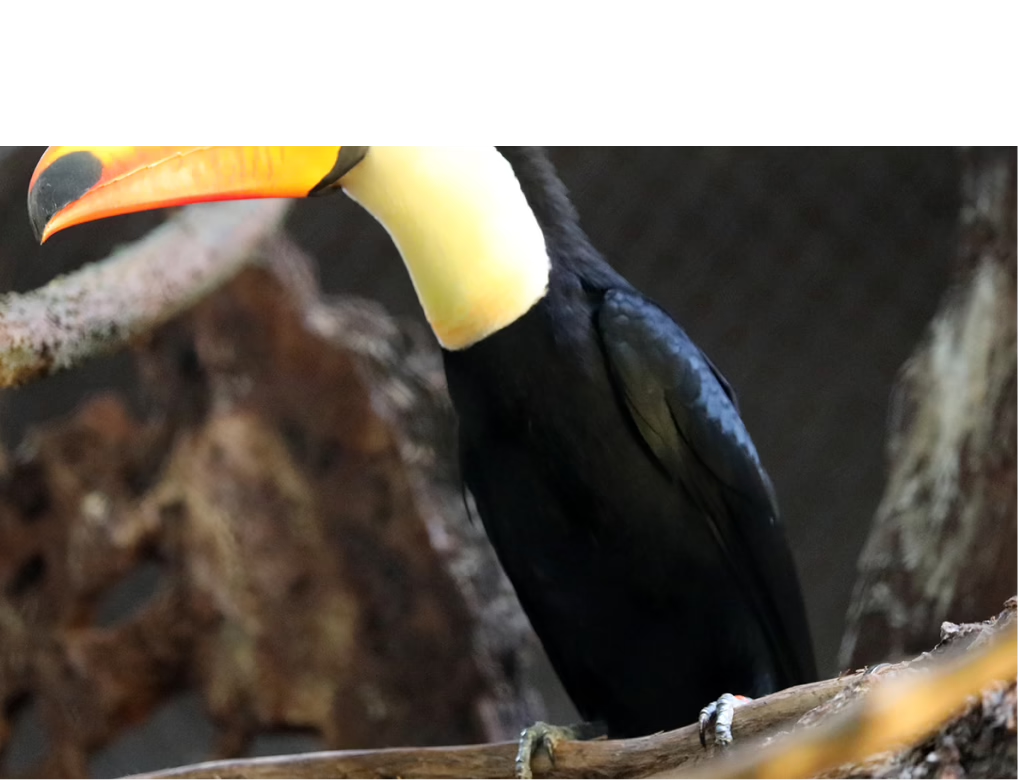
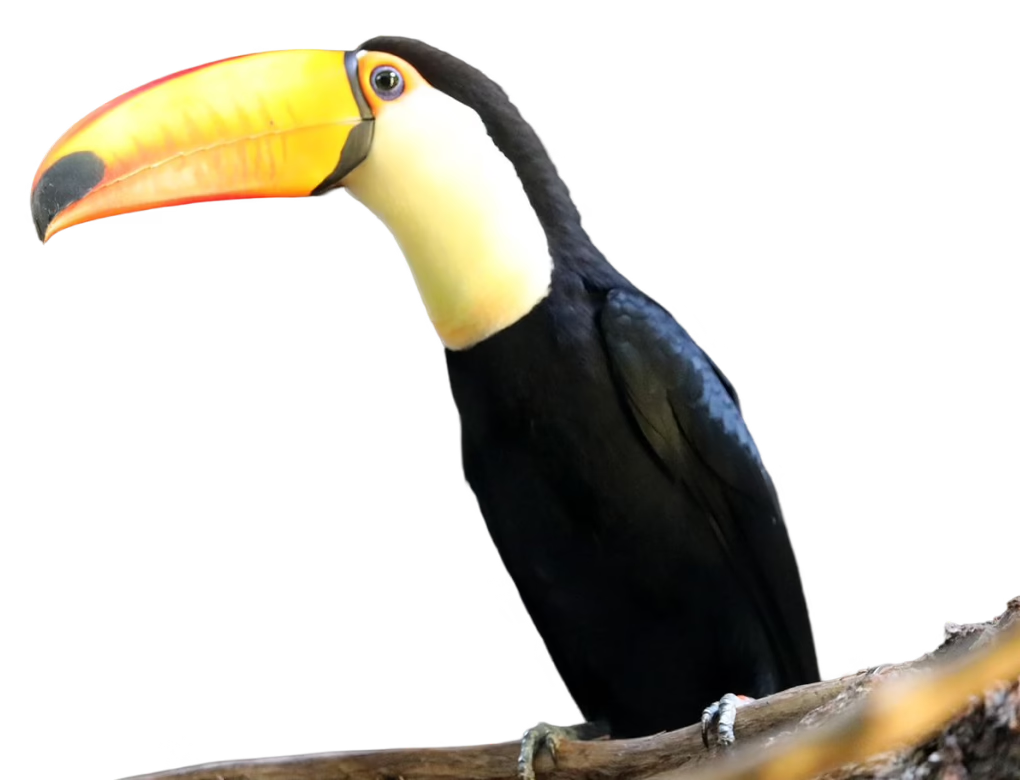
Tucán toco
Preocupación menorConocido por su pico grande y colorido y su comportamiento juguetón, es la especie más grande de los tucanes.
Adopta un animal que adores mientras disfrutas de beneficios exclusivos.