




En el zoológico
Calle de los anfibios
Fascinantes hechos
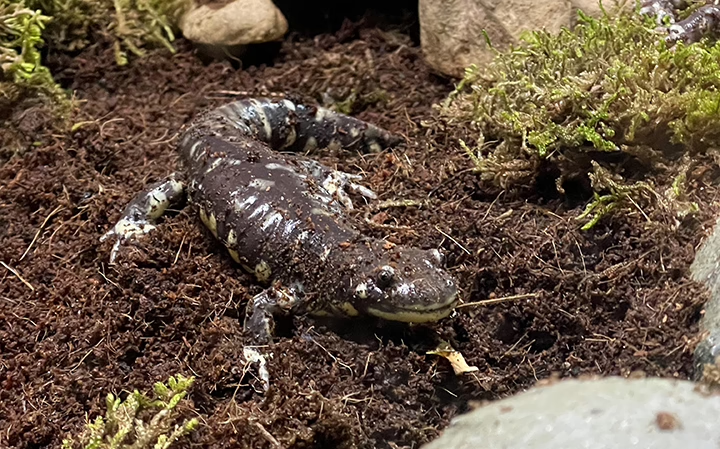
Originally thought to be a tiger salamander subspecies, California tiger salamanders are a distinct species.
As a species, they are impacted by climate change, due to their aquatic breeding cycle. To successfully reproduce, they need to find a small pool or water source without predators in which to mate and lay eggs. During times of drought, these pools can be harder to find or dry up before tadpoles have been able to successfully reach adulthood.
California salamanders spend much of their time in underground burrows, preferably pocket gopher or ground squirrel burrows, in which they sometimes cohabitate together.
Características físicas
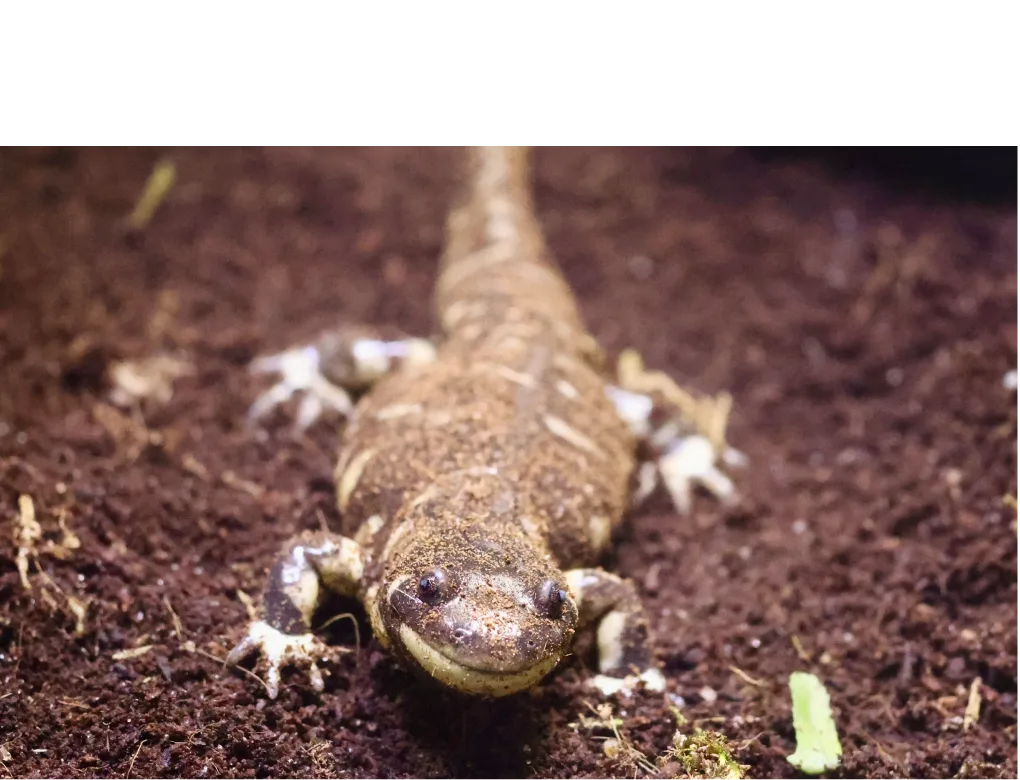
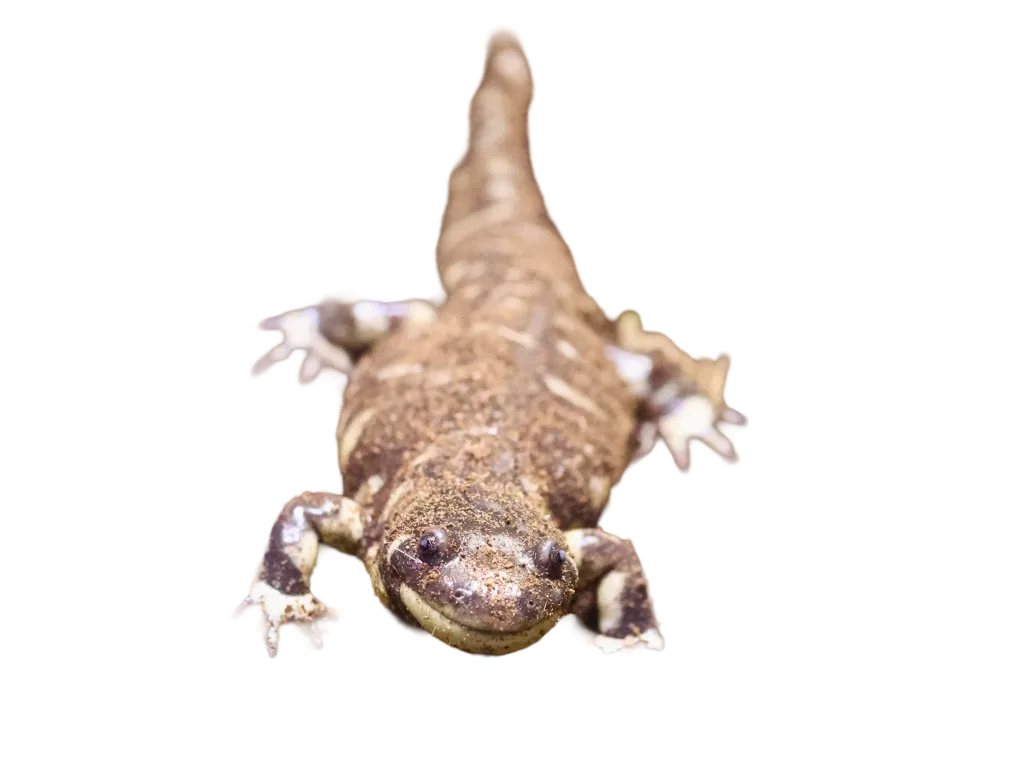
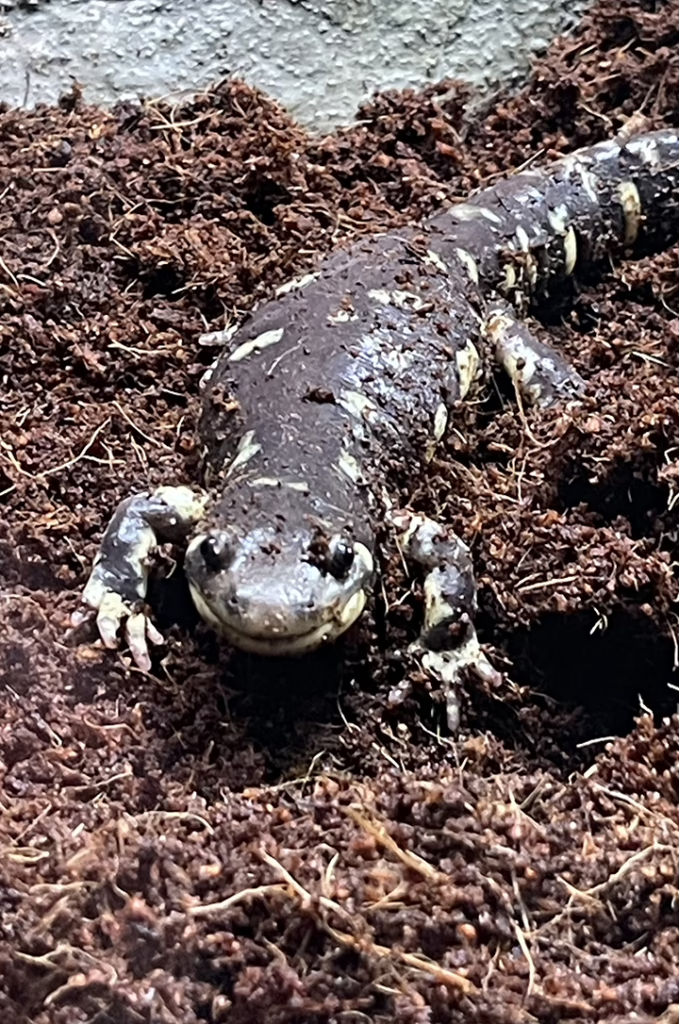
California tiger salamanders are one of the larger salamander species, with adults reaching lengths of 7 – 8 inches. Males are slightly larger than females. They have a broad snout, bulgy eyes, a pale belly and a dark black or brown back with yellow or cream colored spots.
Hábitat
California tiger salamanders can be found in woodlands, wetlands and scrub forests in low altitude areas. The prefer to be within range of an appropriate breeding location
Dieta
As tadpoles, they first eat algae and insect larvae, eating aquatic invertebrates as they grow larger. As adults living on land, they eat terrestrial invertebrates such as insects, arthropods, earthworms, and snails. They will occasionally eat other small reptiles, amphibians or mammals.
Rango
They are found in low-altitude habitat in Central California
Comportamiento social
California tiger salamanders are mainly solitary, coming together to breed. They will communicate by depositing pheromones during breeding season. After mating, the female will lay eggs in a vernal pool or small body of water without predators, such as fish. After 10-14 days the eggs will hatch into aquatic larvae, or tadpoles.
The approximate timing of their metamorphosis from egg to adult will take about 10 weeks, depending on the abundance of water in their natal pool.
They can live 12 – 15 years in the wild and up to 25 under human care.
Status in the Wild
IUCN – Vulnerable
https://www.iucnredlist.org/species/1098/118971391
Other:
California tiger salamanders are threatened by habitat destruction and fragmentation, invasive species, and climate change. They are preyed upon by birds, turtles and small mammals.
¿Sabías algo?
How long can a tiger salamander live?
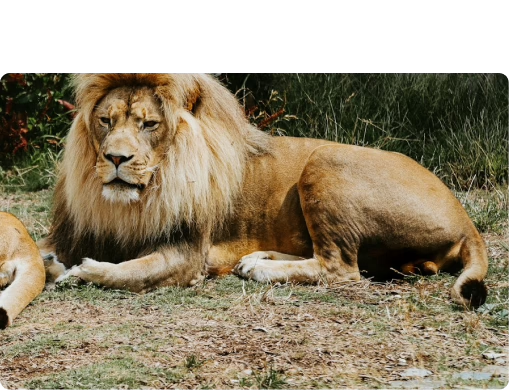
León africano
VulnerableUno de los animales más emblemáticos de la Tierra, el león africano es un símbolo de fuerza, inteligencia social y la África salvaje.

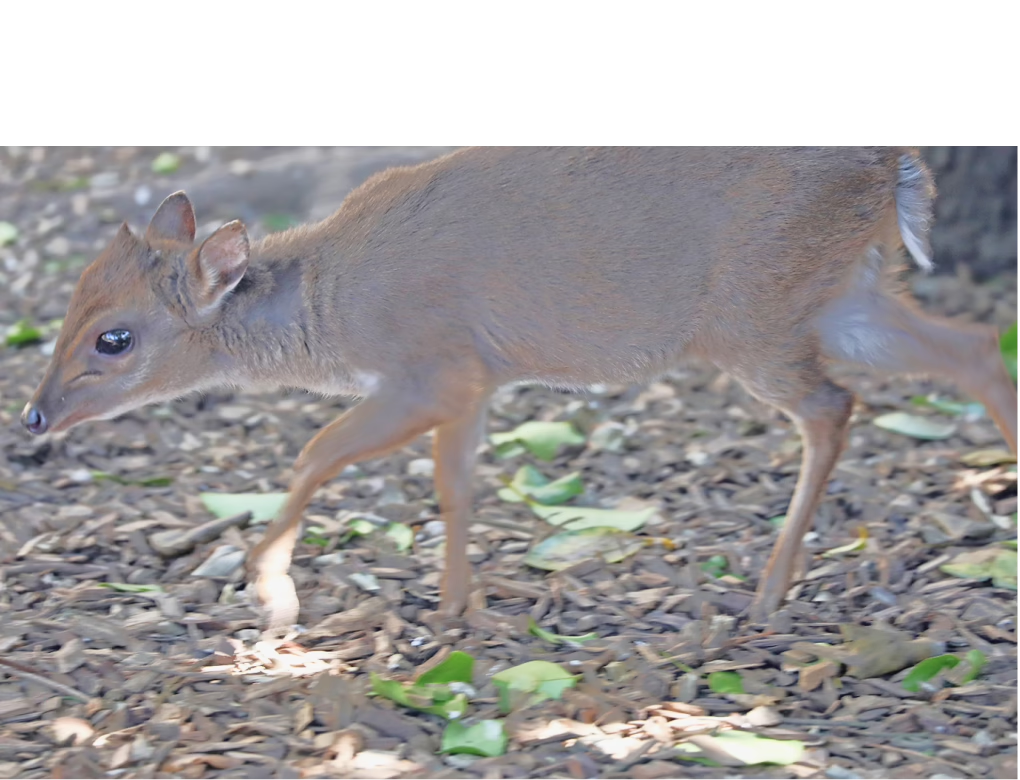
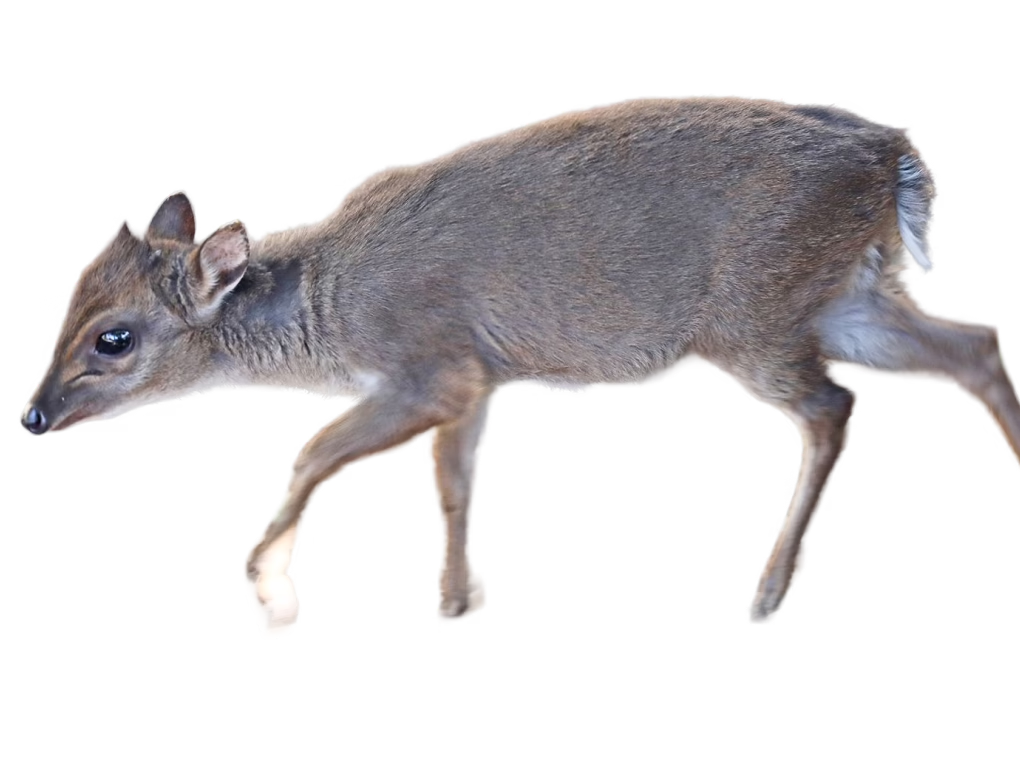
Duque azul
Preocupación menorAl ser la especie de antílope más pequeña del mundo y el duiker más pequeño, desempeñan un papel importante en el ecosistema forestal en el que viven.
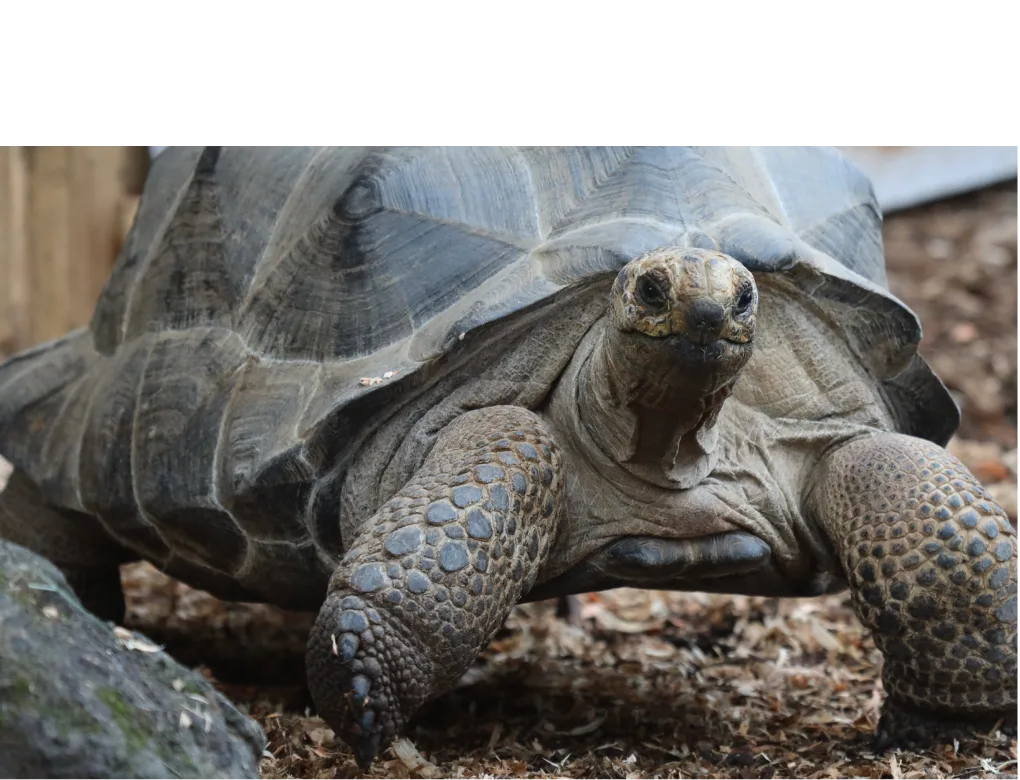
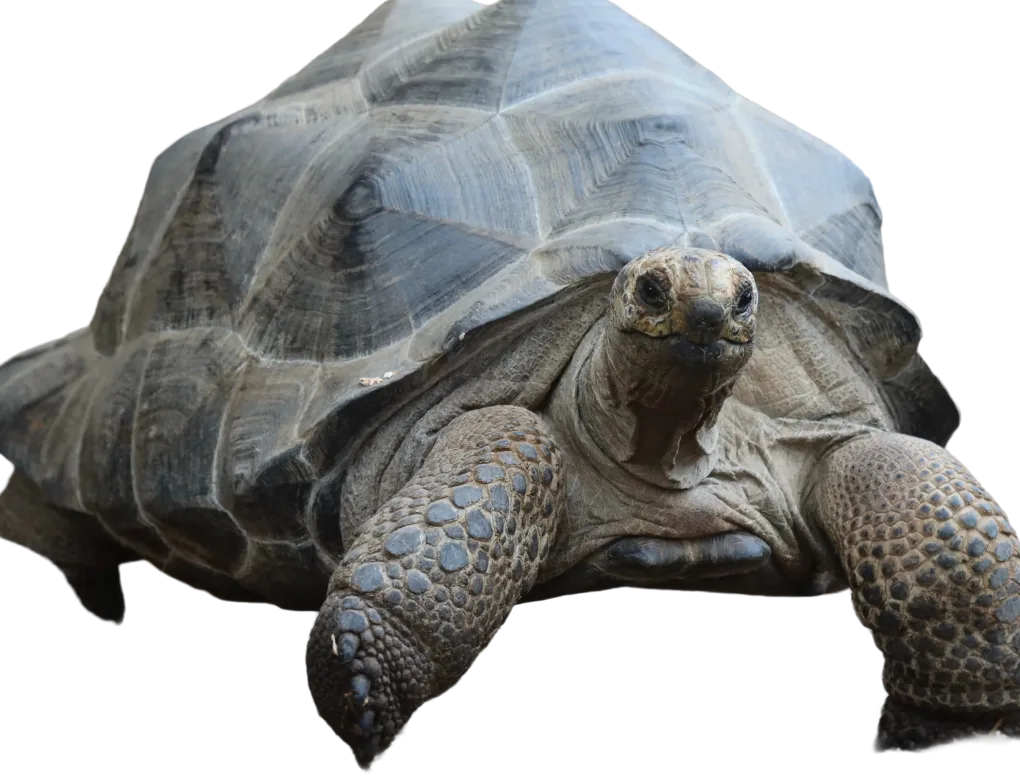
Tortuga de Aldabra
Vulnerable¡Como una de las tortugas terrestres más grandes y longevas del mundo, se sabe que algunas han vivido hasta 170 años!
Tucán toco
Preocupación menorConocido por su pico grande y colorido y su comportamiento juguetón, es la especie más grande de los tucanes.