



En el Zoo
Lipman Family Lemur Forest
Fascinantes hechos
- By eating flowers and fruits, they may aid in pollination and seed dispersal.
- Their incisors and canine teeth form what is known as a ‘grooming comb,’ which they use on each other to groom.
- The crowned lemurs of the Ankarana Reserve are the only lemurs to traverse razor sharp eroded limestone fields, known as tsingy.
Características físicas
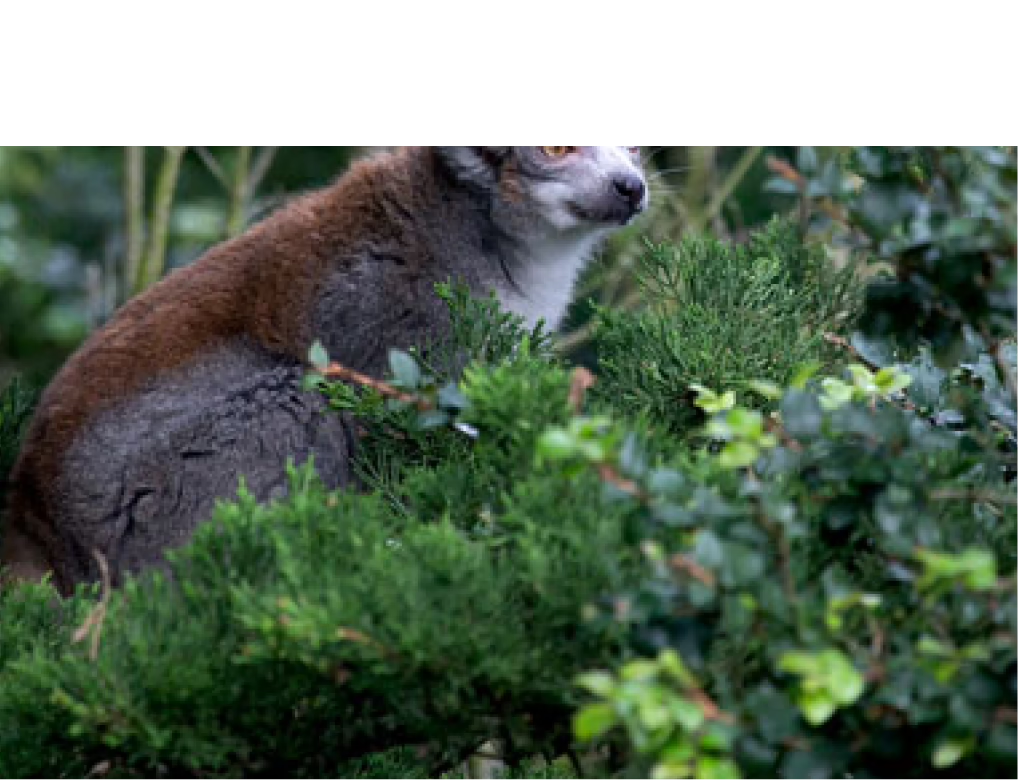
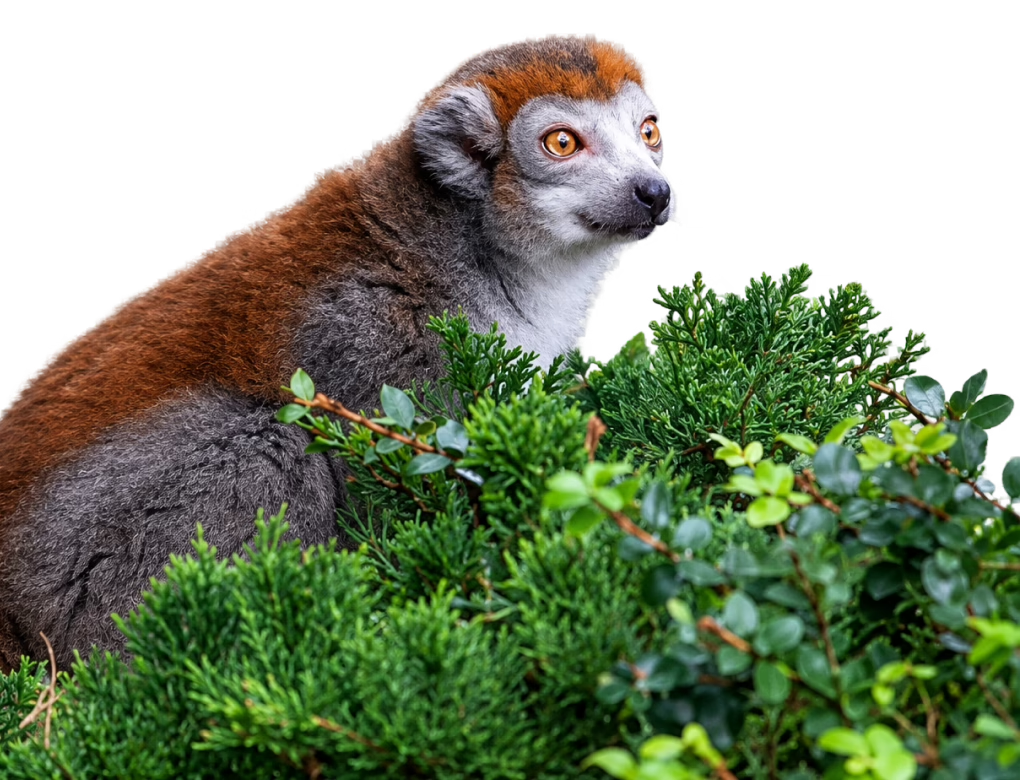
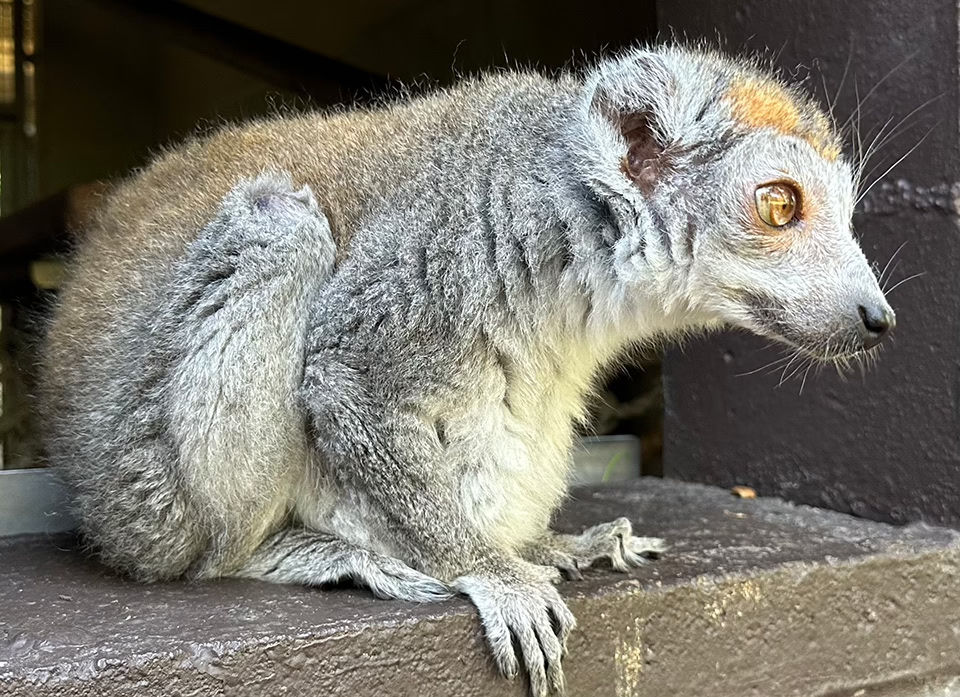
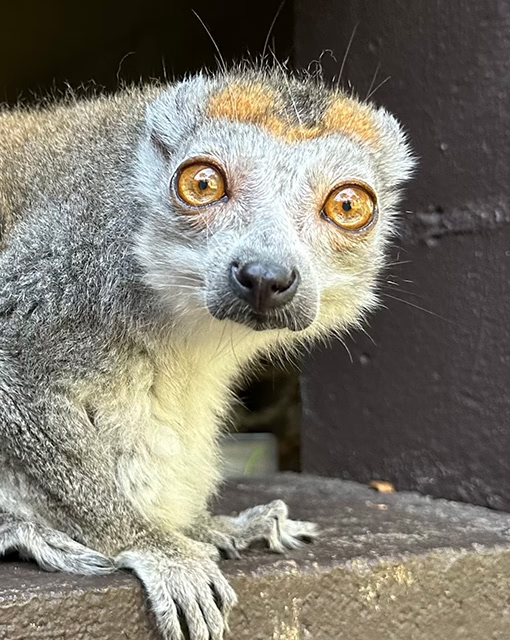
This species of lemur is named for the v-shaped “crown” pattern of fur on their heads. Males have chestnut brown backs, lighter-colored fur on their bellies and a distinct black and orange crown. Females are grey with cream colored bellies and a grey and orange crown. Both males and females weigh between 3-4 pounds. They use their long non-prehensile tails for balance while climbing.
Lifespan under human care is up to 27 years.
Hábitat
Crowned lemurs and found at the very northernmost tip of Madagascar, in dry and semi-dry deciduous forests. They inhabit all levels of the forest canopy.
Dieta
They feed on fruits, leaves, flowers and occasionally on insects, small vertebrates or eggs.
Comportamiento social
They live in mixed groups of 5 – 15 individuals and, like other lemurs, are matriarchal. Throughout the day they will split into smaller groups and are often found sharing a range with Stanford’s lemurs.
>Crowned lemurs are mostly active during the day but are sometimes found to be nocturnal. They communicate through vocalizations, scent marking, body language and bond through grooming. They will vocalize to keep track of the other members of the group while foraging in the trees.
>Females give birth to one or two offspring after a gestation period of 125 days. Young are born in the rainy season, when food is most plentiful. Infants are carried on their mother’s front until they get too heavy and are switched to the back. Young reach maturity at 20 months.
Situación en la naturaleza
Crowned lemurs are listed as Endangered by the IUCN and on Appendix I of CITES. Habitat loss due to slash-and-burn agriculture, charcoal production, mining and illegal logging are major threats to lemurs. They are also hunted for food and collected for local and international pet trade.
- Consider supporting conservation organizations working to save these magnificent animals.
- Spread the word about lemur conservation!
¿Sabías algo?
Why are they called crowned lemurs?
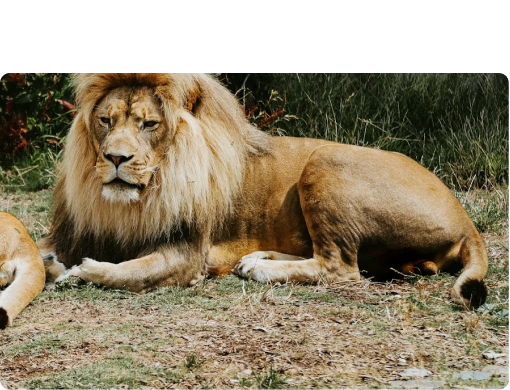
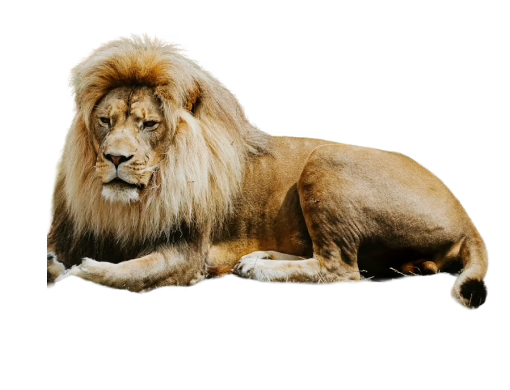
León africano
VulnerableUno de los animales más emblemáticos de la Tierra, el león africano es un símbolo de fuerza, inteligencia social y la África salvaje.
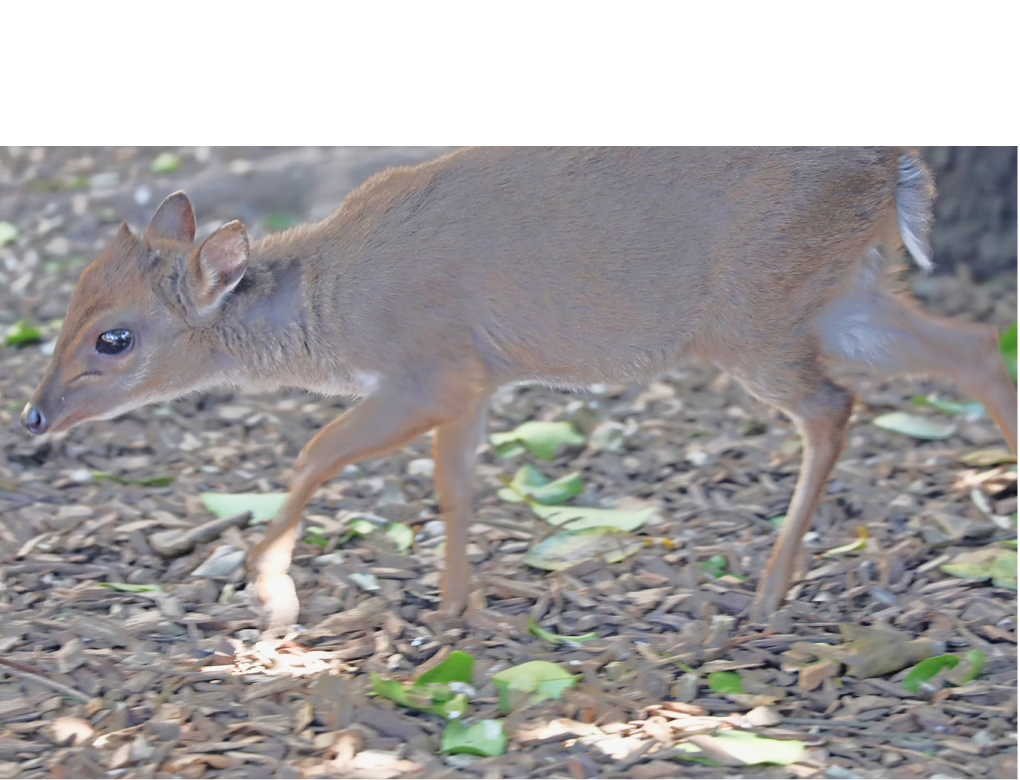
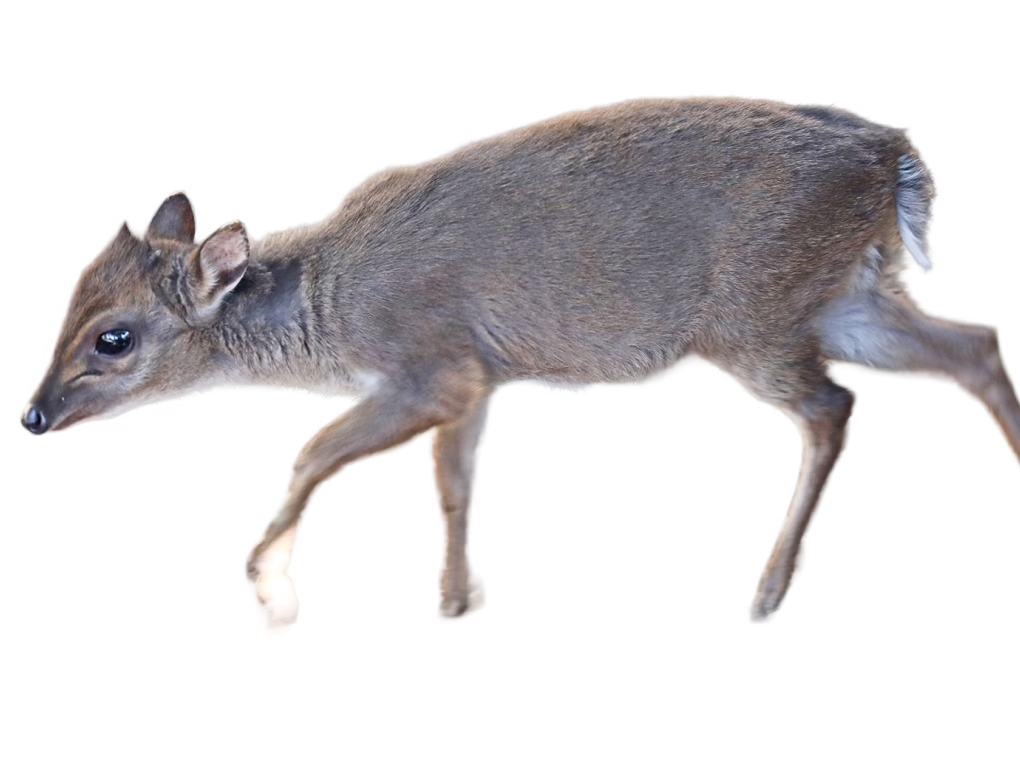
Duque azul
Preocupación menorAl ser la especie de antílope más pequeña del mundo y el duiker más pequeño, desempeñan un papel importante en el ecosistema forestal en el que viven.
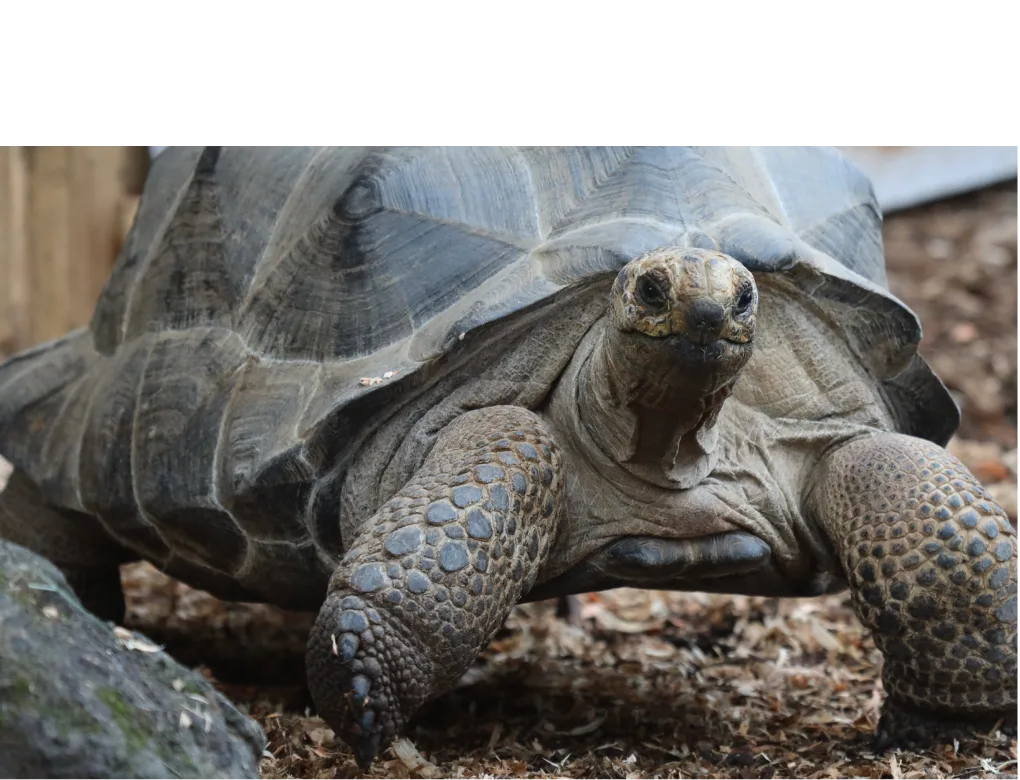
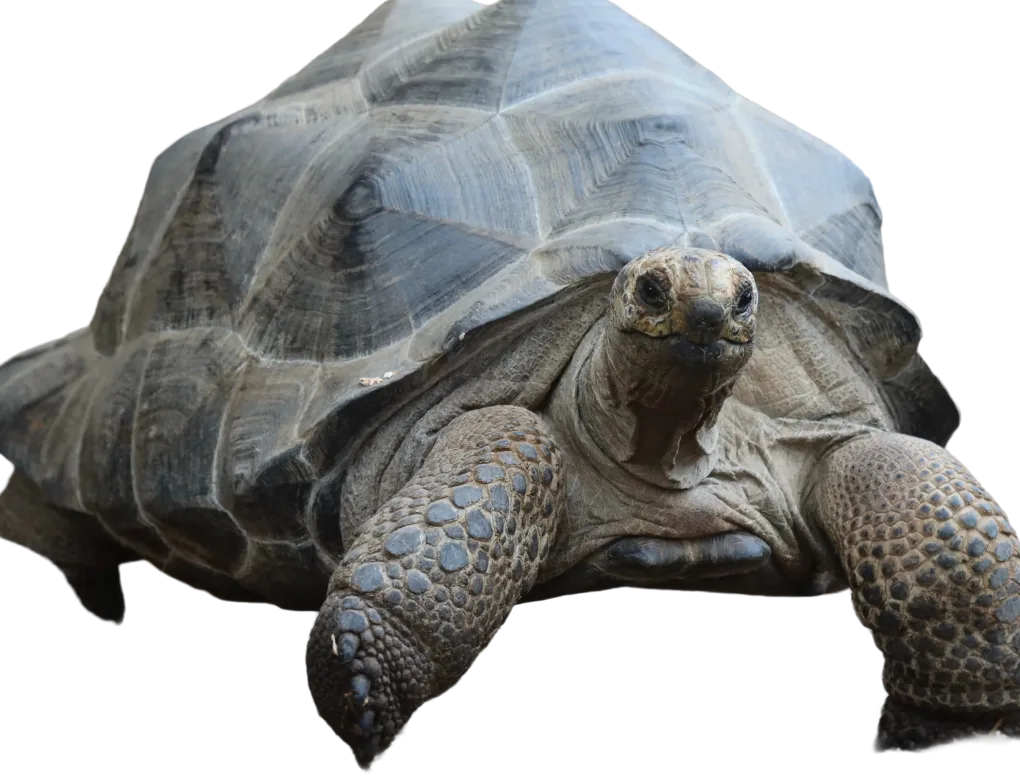
Tortuga de Aldabra
Vulnerable¡Como una de las tortugas terrestres más grandes y longevas del mundo, se sabe que algunas han vivido hasta 170 años!
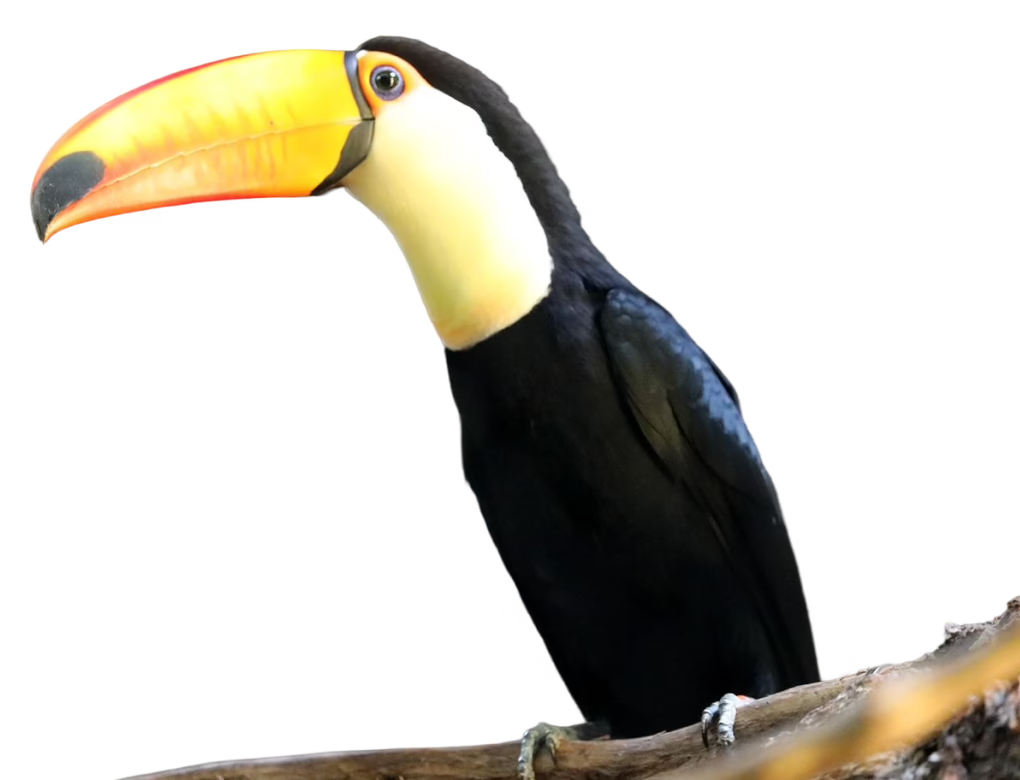
Tucán toco
Preocupación menorConocido por su pico grande y colorido y su comportamiento juguetón, es la especie más grande de los tucanes.