



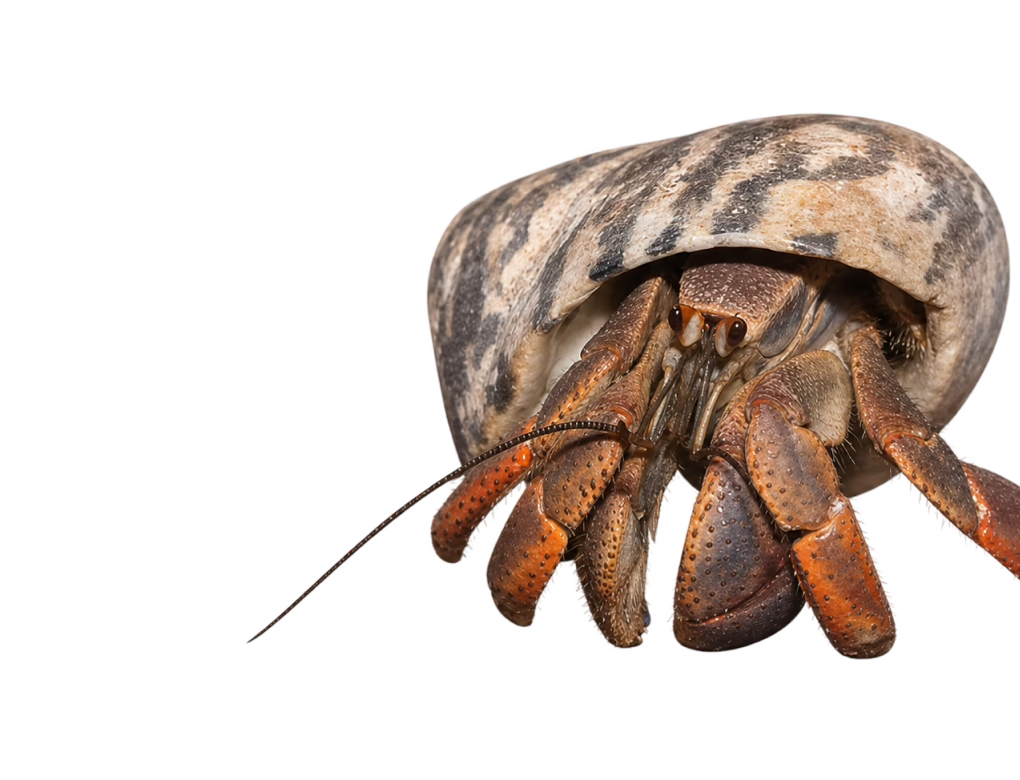
Tại vườn thú
Vườn thú côn trùng
Những sự kiện hấp dẫn
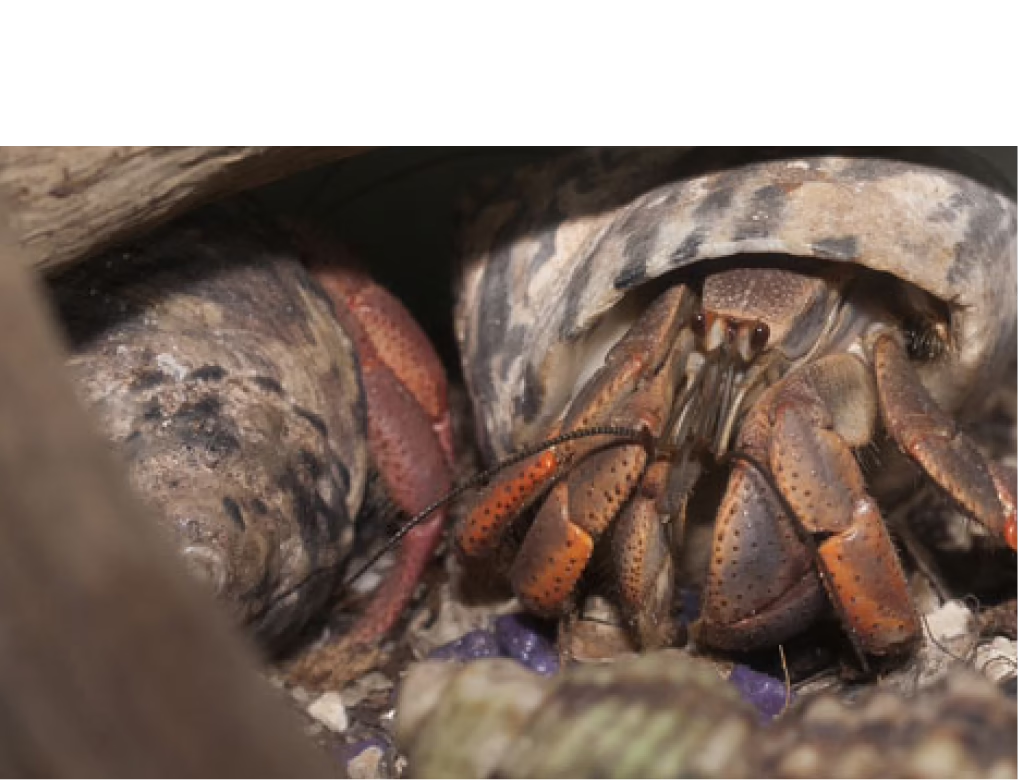
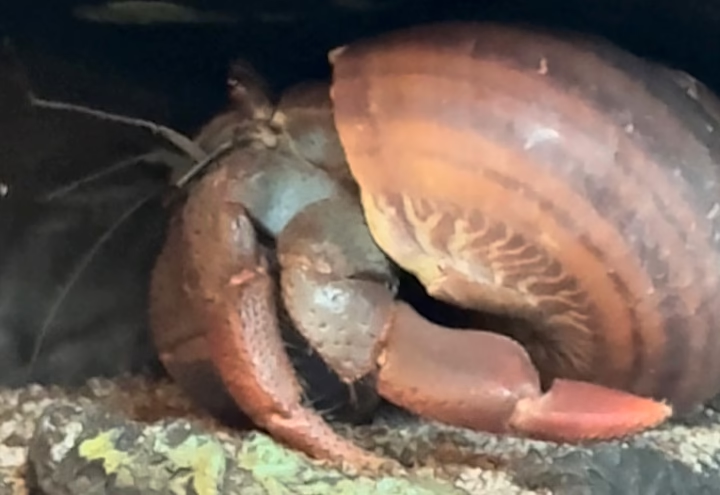
- Khi con cua ẩn dật phát triển lớn hơn, nó phải tìm một vỏ lớn hơn để thay thế cho chiếc vỏ trước đó. Thói quen sống trong một chiếc vỏ đã qua sử dụng này đã dẫn đến tên gọi phổ biến “con cua ẩn dật”, tương tự như hình tượng của một người ẩn sĩ sống một mình.
- Hermit crabs have been heard making croaking sounds.
Đặc điểm vật lý
Most species have long, spirally curved abdomens, which are soft, unlike the hard, calcified abdomens seen in related crustaceans. The vulnerable abdomen is protected from predators by a salvaged empty seashell carried by the hermit crab, into which its whole body can retract.
Điều kiện sống
Land hermit crabs of many different species are found in tropical areas of the Indo-region, the western Atlantic, and the western Caribbean. They live close to the shoreline and must have access to land and water.
Chế độ ăn uống
In the wild, hermit crabs are omnivorous scavengers, meaning they eat whatever they can find. At the Zoo, they are fed fish food, crab food, and various fruits and vegetables.
Hành vi xã hội
Hermit crabs are nocturnal. They are most active during the night and they truly love the dark.
>As a hermit crab grows, it molts, shedding its exoskeleton and creating a new, larger one. A crab builds up enough water pressure in its body to split the old skin. A crab may eat its molted skin, possibly for its calcium, vitamins, and minerals.
Tình trạng trong tự nhiên
The land hermit crab is common and most are not globally endangered, but some regional populations face local threats and the commercial pet trade is unsustainable. Most land hermit crabs found in pet stores were taken from the wild as they do not successfully breed under human care.
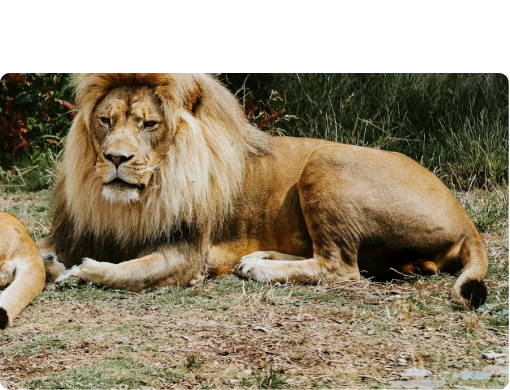
Con sư tử châu Phi
Dễ bị tổn thươngMột trong những loài động vật mang tính biểu tượng nhất trên Trái Đất, sư tử châu Phi là biểu tượng của sức mạnh, trí tuệ xã hội và vùng đất hoang dã của châu Phi.
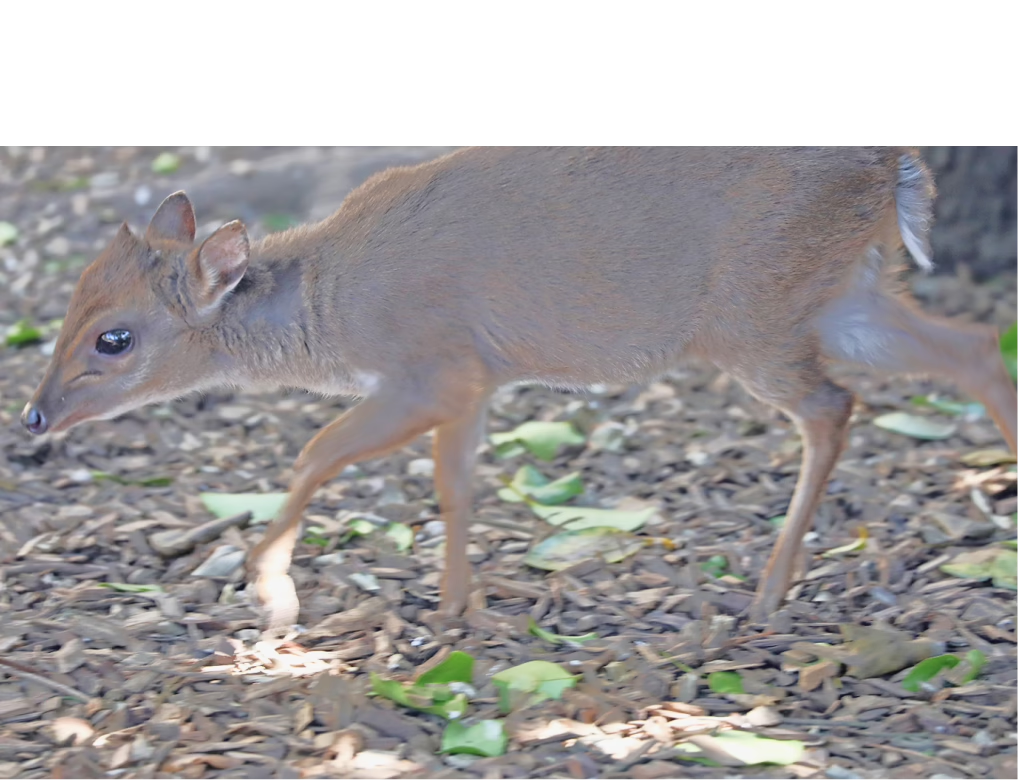
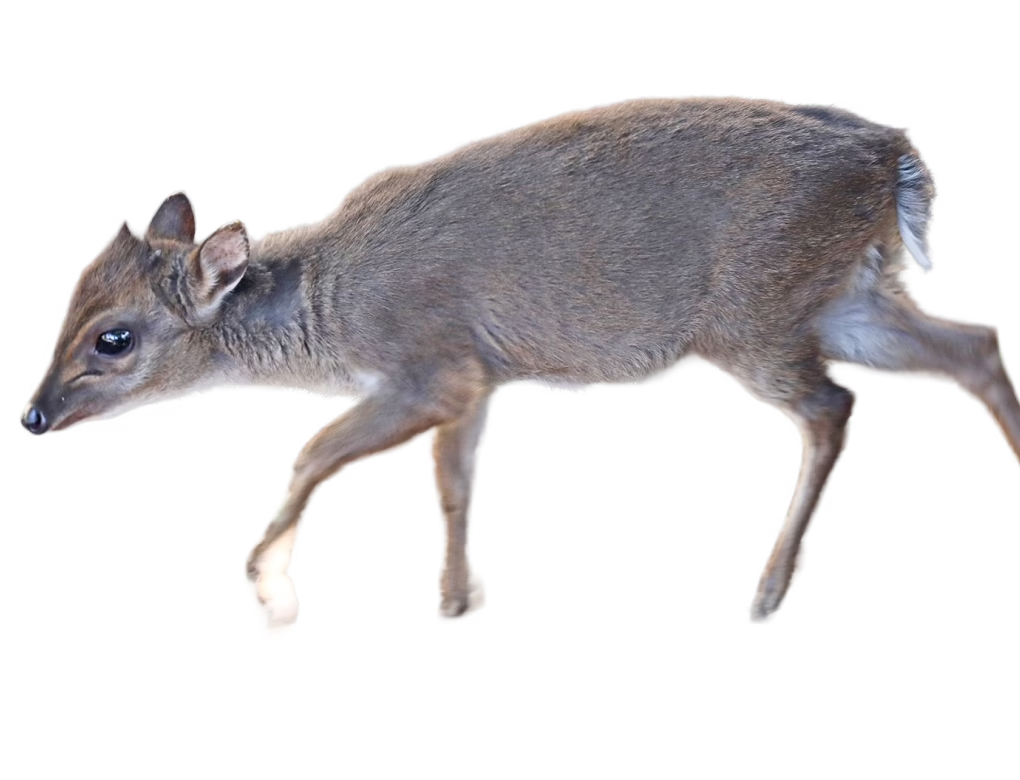
Blue duiker
Loại ít nguy cấpLà loài tê tê nhỏ nhất thế giới và là loài duiker nhỏ nhất, chúng đóng vai trò quan trọng trong hệ sinh thái rừng của chúng.
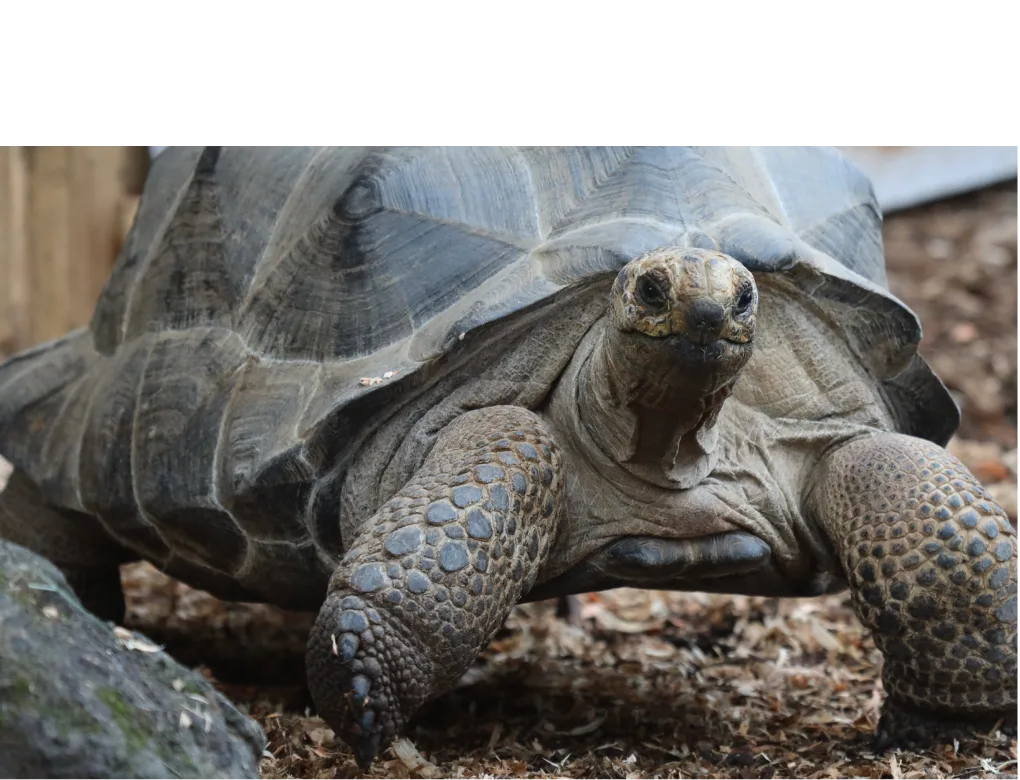
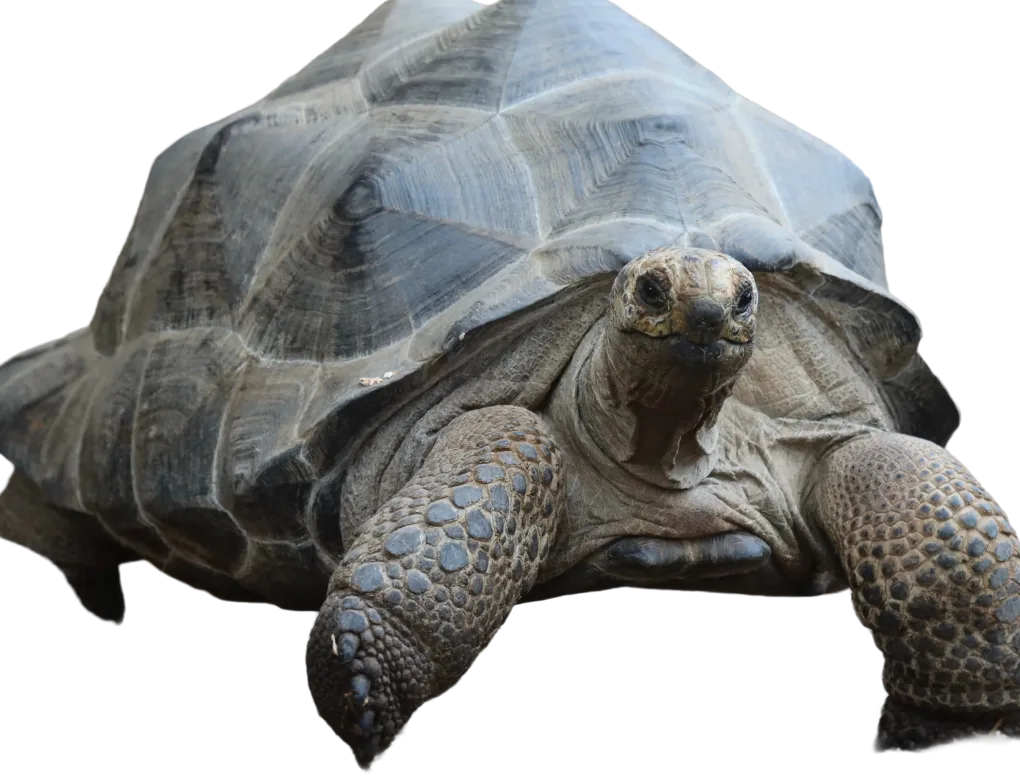
Cá sấu Aldabra
Dễ bị tổn thươngLà một trong những loài rùa đất lớn nhất và sống lâu nhất trên thế giới, một số loài được biết đến đã sống đến 170 năm!
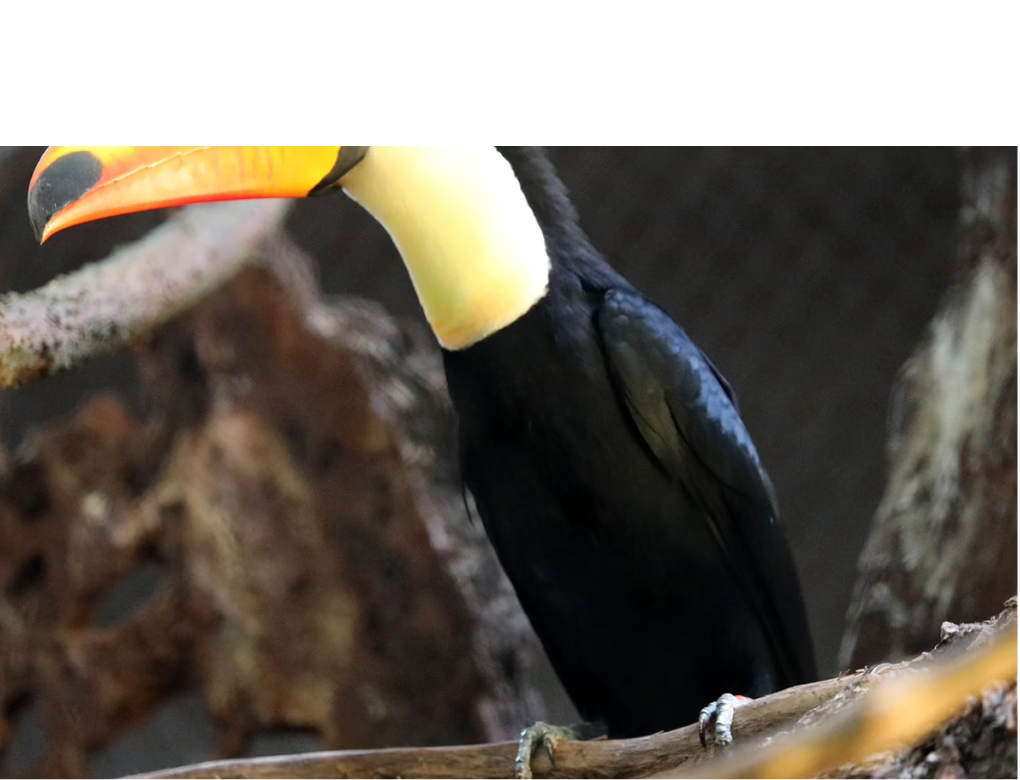
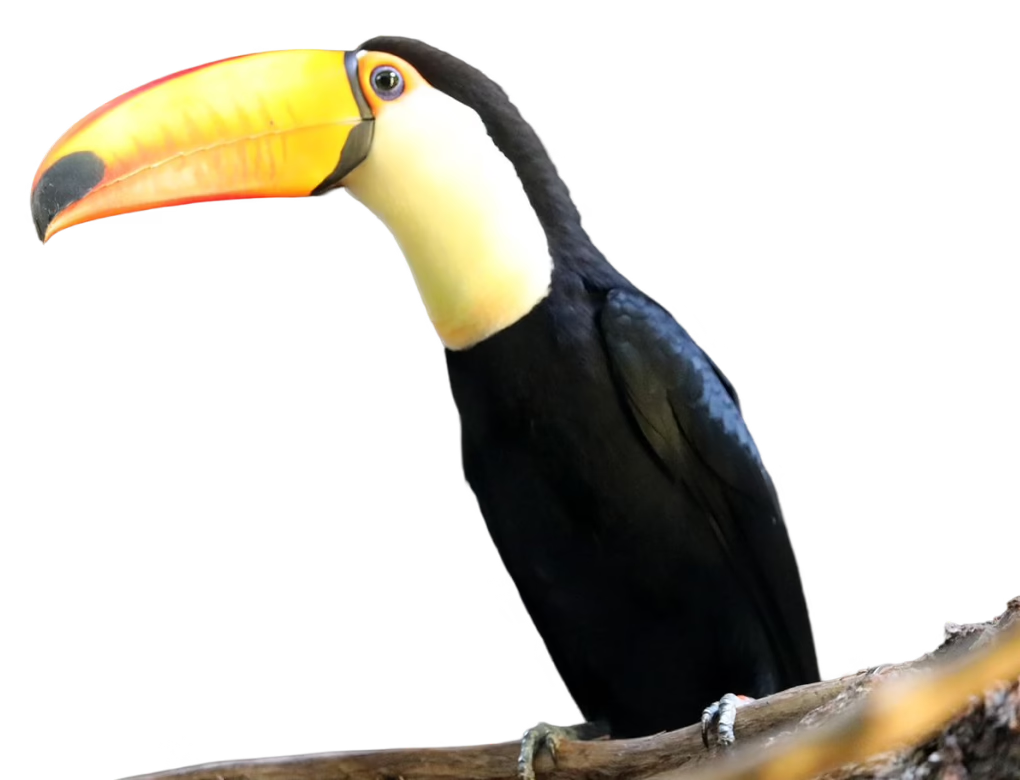
Con tico toucan
Loại ít nguy cấpĐược biết đến với những chiếc vảy lớn và đầy màu sắc cùng với lối sống vui tươi, đây là loài cò lớn nhất trong số các loài cò.