




Tại vườn thú
Koret Animal Rescue and Conservation Center
Những sự thật hấp dẫn
- Blue-fronted Amazons are also known as blue-fronted parrots, turquoise-fronted Amazons and turquoise-fronted parrots. There are two subspecies recognized. While males and females look similar to the human eye, examining their feathers under ultraviolet light reveals that the patterns between males and females are very different.
- They were nicknamed “kriken” by the early French, which means screechers.
Đặc điểm vật lý
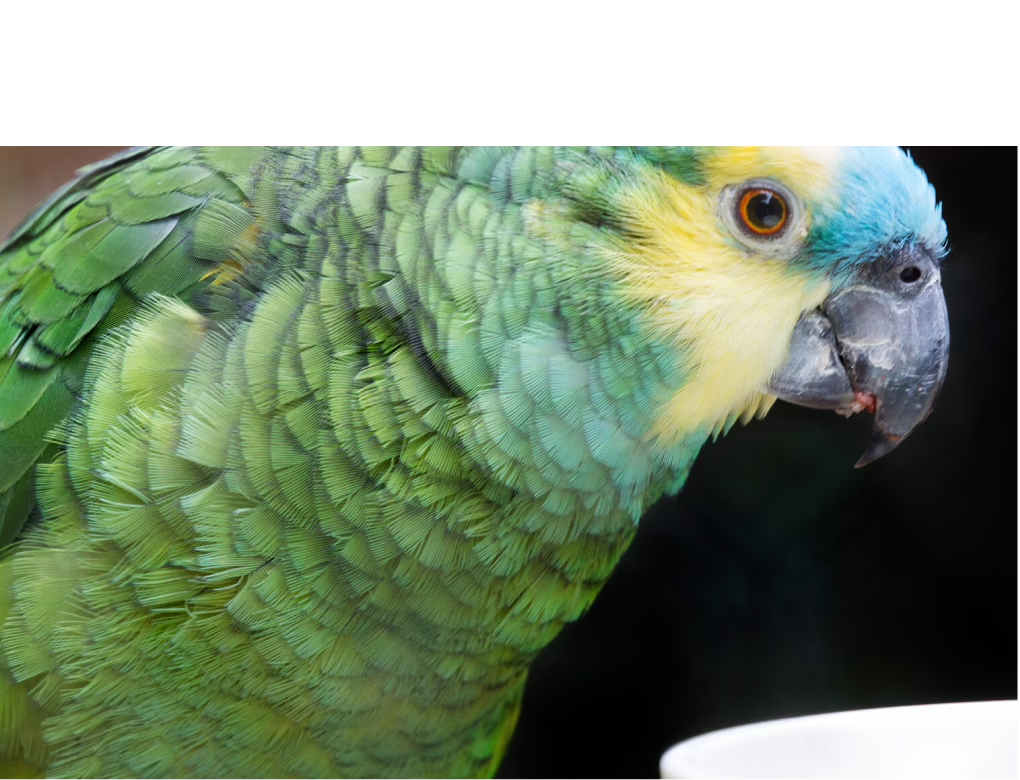
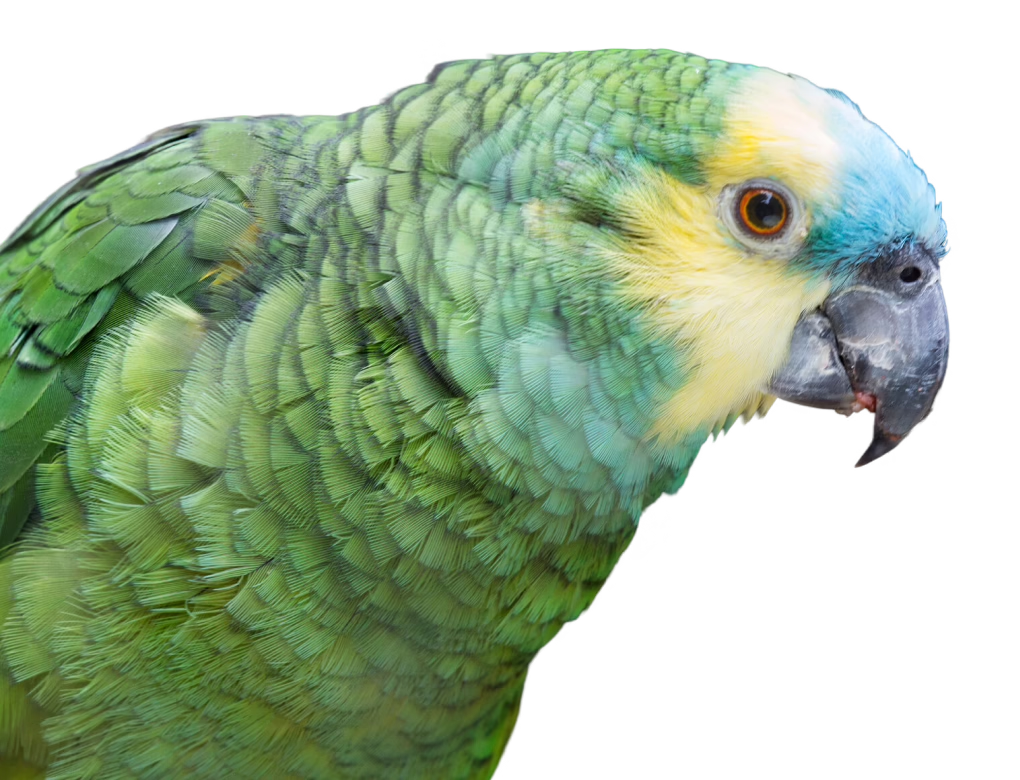
Blue-fronted Amazons are approximately 15 inches in length, weighing an average of 14 ounces. While color patterns vary between individuals, they are mostly green, with a blue forehead, yellow or blue face, red shoulders, red and dark blue feathers on the wings, yellow feathers in the tail, and black beak. Males and females appear similar in coloration.
Điều kiện sống
They are found in forests, scrub lands, savanna and palm groves.
Chế độ ăn uống
They feed on fruits, seeds, flowers, nuts and young leaves, including cactus fruits and palm seeds. They will also eat planted crops if available, particularly citrus crops.
Hành vi xã hội
Blue-fronted amazons are monogamous and live in pairs, while part of a larger flock. Breeding takes place between October – March, and a nest is created in the cavity of an old growth tree. Between 1– 5 eggs are laid, which are incubated for 23 – 25 days, and the chicks fledge after 58 – 60 days. Both parents will care for the chicks. Blue-fronted Amazons communicate via a number of vocalizations, with a roster of specific calls, including alarm calls to warn the flock of danger. Pair bonds are maintained through allopreening and beak touching.
They can live up to 70 years.
Tình trạng trong tự nhiên
Blue-fronted amazons are found in southern Brazil, Bolivia, Paraguay and northern Argentina.
Khác
Threats to blue-fronted amazons include habitat destruction and degradation. They prefer to nest in old growth trees, making deforestation a danger to their breeding habits. They are also persecuted by farmers and ranchers who consider them a “pest” species for eating crops. In addition, blue-fronted amazons are threatened by the pet trade. In the wild, predators include raptors.
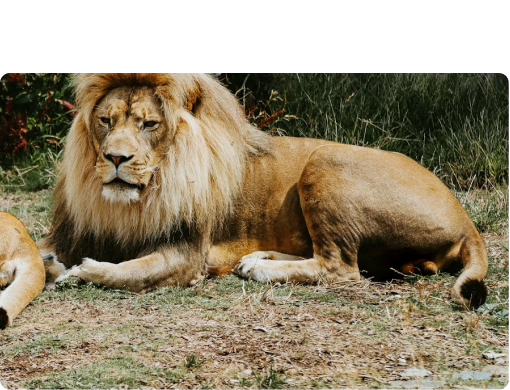
Con sư tử châu Phi
Dễ bị tổn thươngMột trong những loài động vật mang tính biểu tượng nhất trên Trái Đất, sư tử châu Phi là biểu tượng của sức mạnh, trí tuệ xã hội và vùng đất hoang dã của châu Phi.

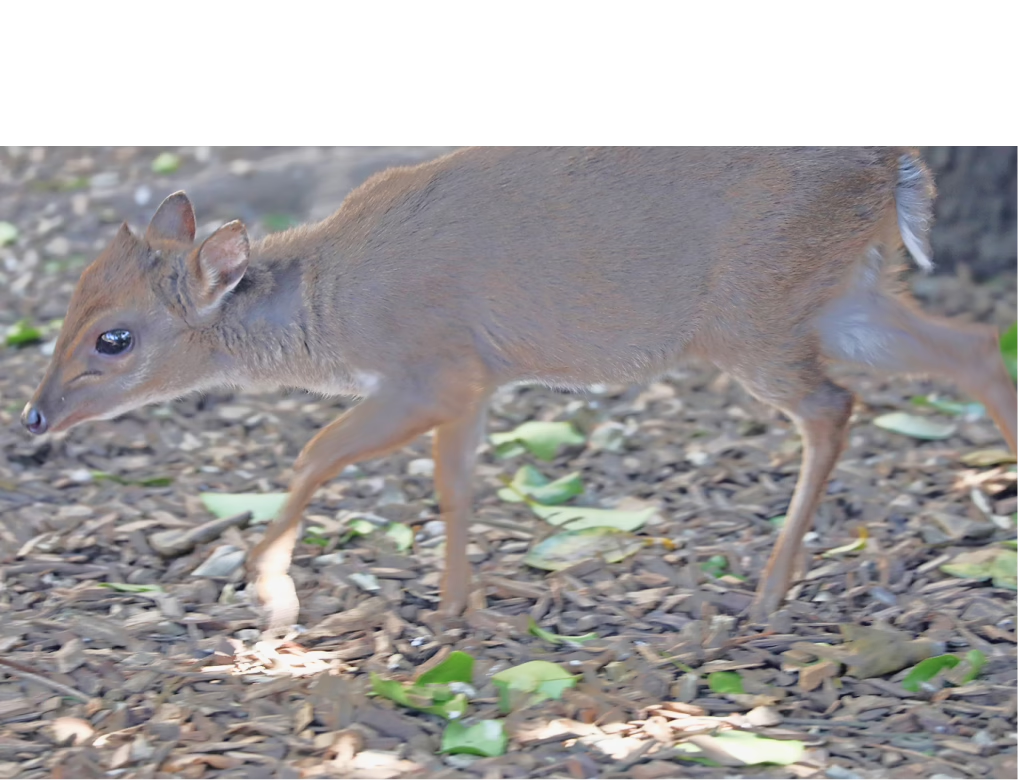
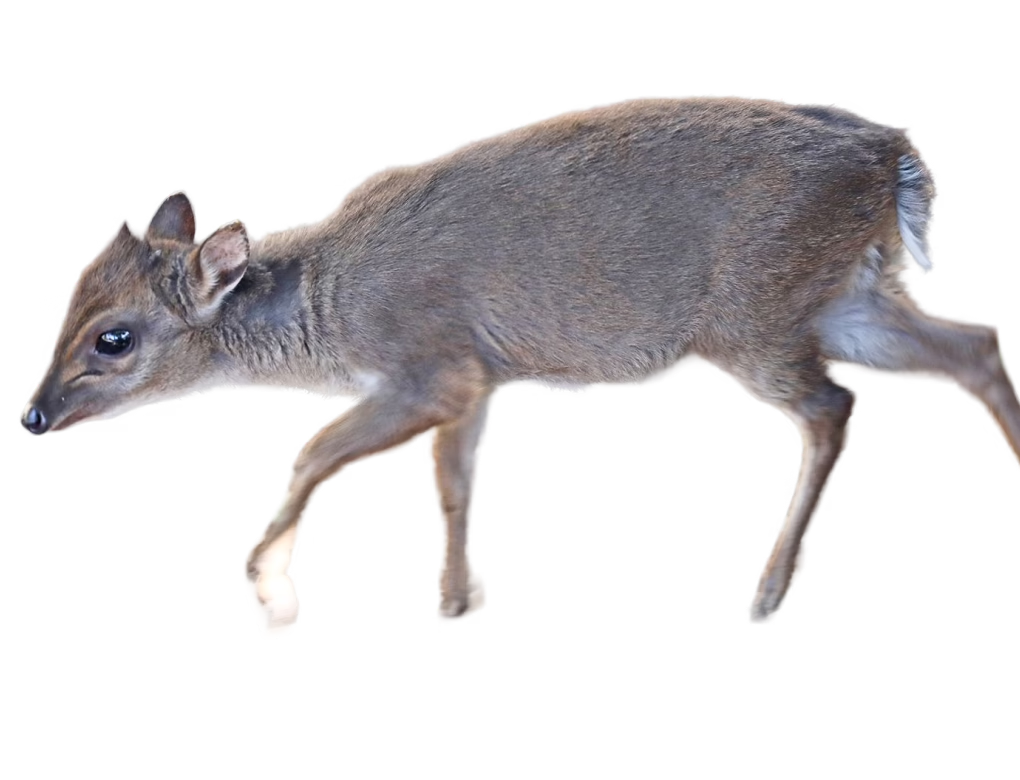
Blue duiker
Loại ít nguy cấpLà loài tê tê nhỏ nhất thế giới và là loài duiker nhỏ nhất, chúng đóng vai trò quan trọng trong hệ sinh thái rừng của chúng.
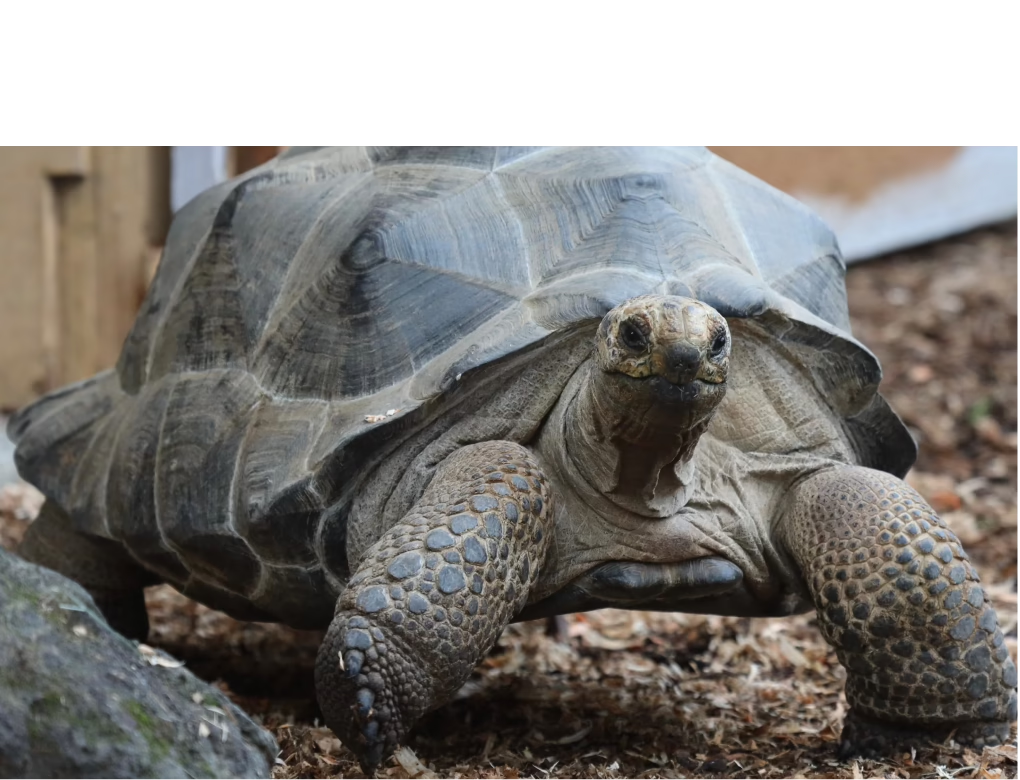
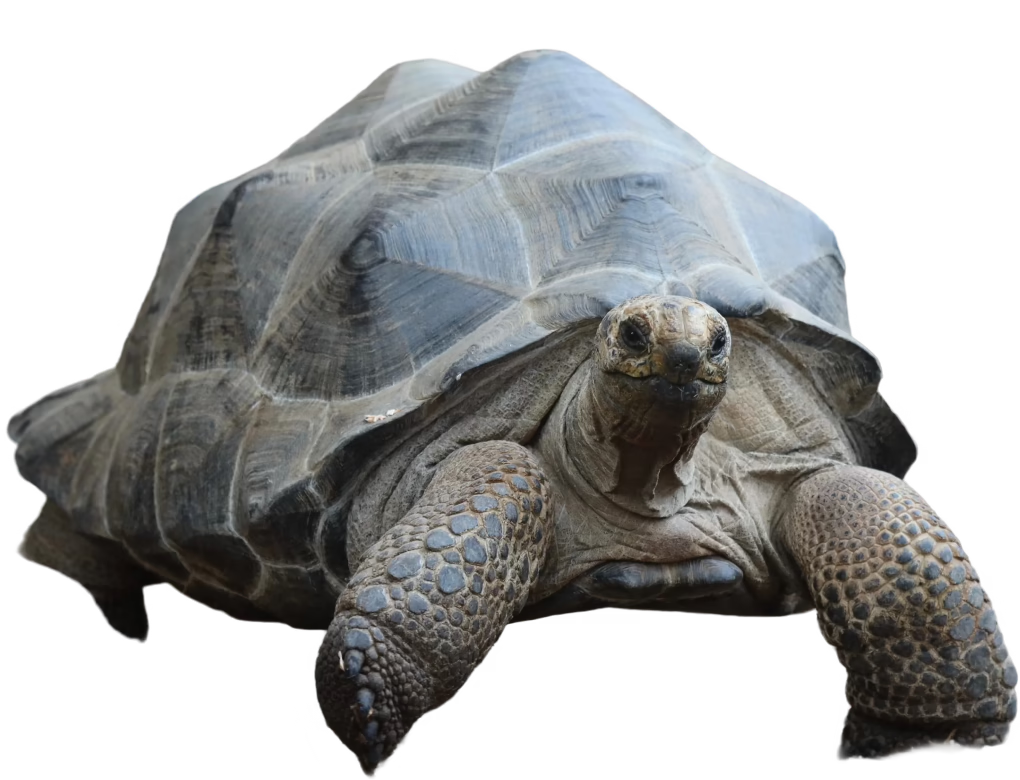
Cá sấu Aldabra
Dễ bị tổn thươngLà một trong những loài rùa đất lớn nhất và sống lâu nhất trên thế giới, một số loài được biết đến đã sống đến 170 năm!
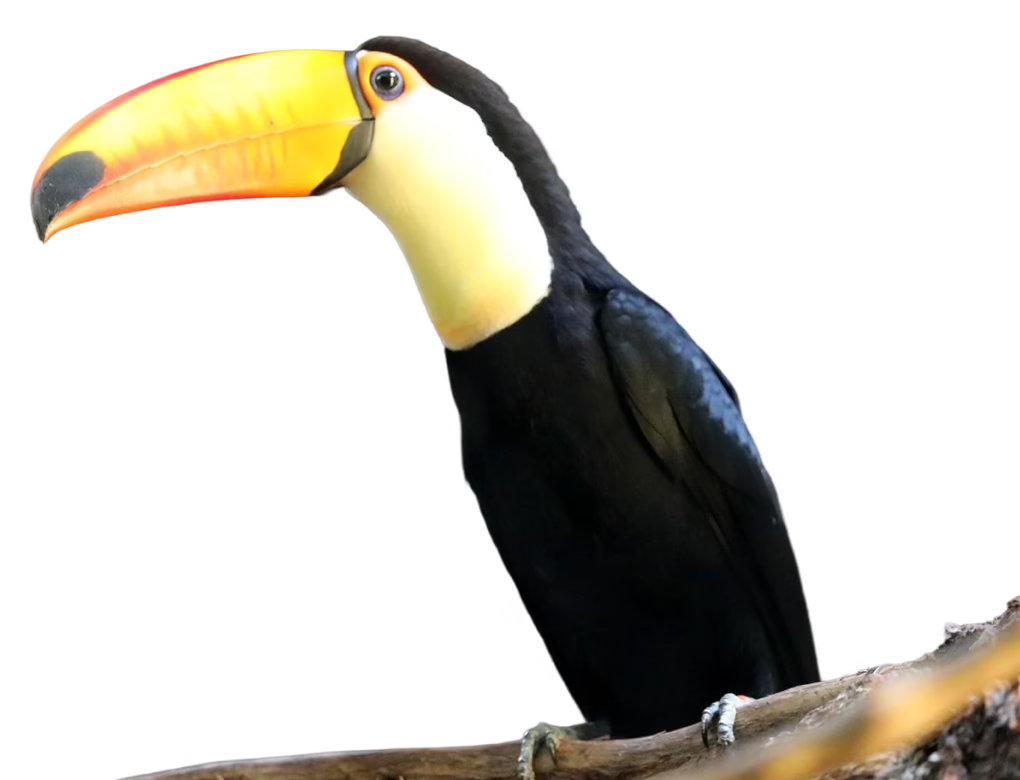
Con tico toucan
Loại ít nguy cấpĐược biết đến với những chiếc vảy lớn và đầy màu sắc cùng với lối sống vui tươi, đây là loài cò lớn nhất trong số các loài cò.