




Tại vườn thú
Koret Animal Rescue & Conservation Center
Những sự kiện hấp dẫn
- Chuckwallas hibernate in underground burrows during the winter months.
- This species was formerly called Sauromalus obesus.
- The name “chuckwalla” is an Anglicized version of native indigenous words for lizard. The Shoshone word for lizard is tcaxxwal, and the Cahuilla tribe called it Chuxwal.
Đặc điểm vật lý
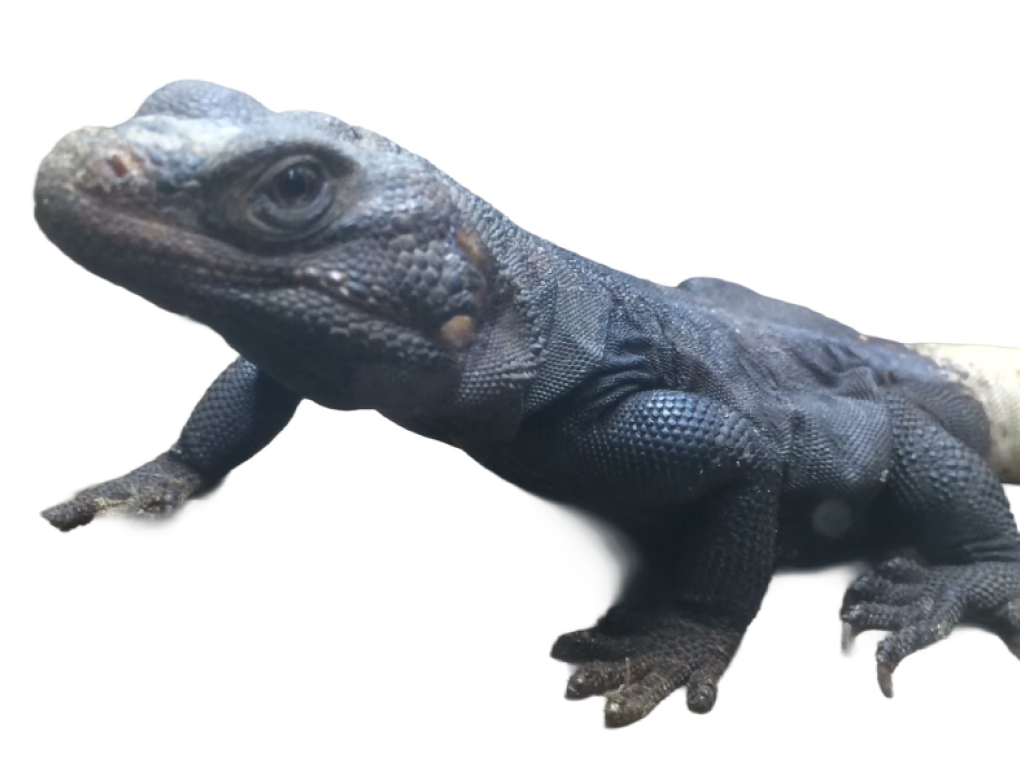
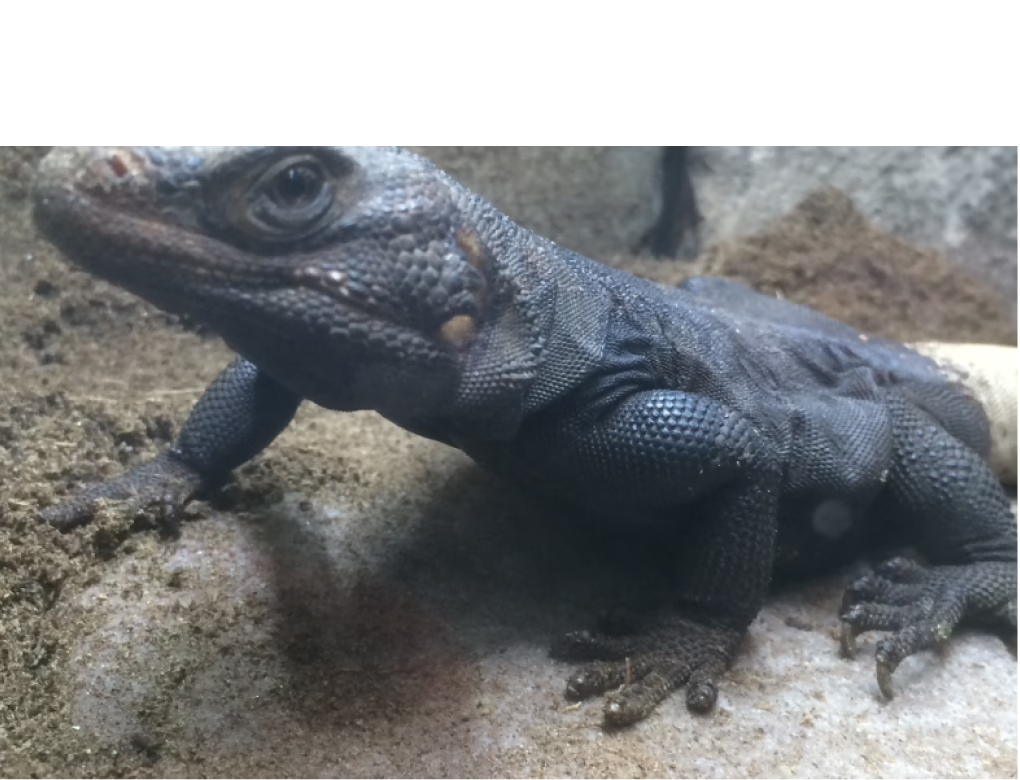
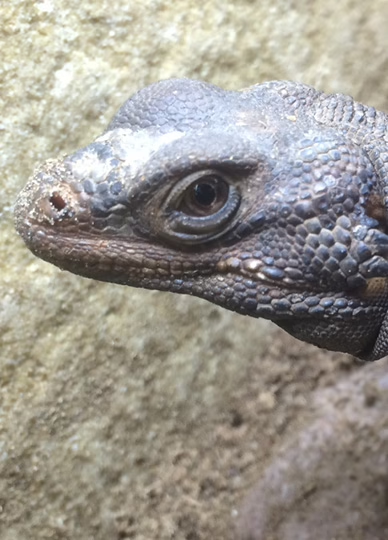
Male chuckwallas are slightly larger than females. Adults reach lengths over 15 inches, half of which is made up of tail. Their tails are thick at the base and taper at the end. Females have a slightly narrower head and snout. Color variation depends on temperature, geographic location, surroundings and mood. The colors of a chuckwalla help it to camouflage and blend in with its surroundings.
The average lifespan in the wild is 15 years; the oldest known chuckwalla under human care lived to be 65 years old.
Điều kiện sống
They live in rocky desert habitat with plenty of crevices and places to hide and enough vegetation to eat. Chuckwallas are found in southeastern California, southern Nevada, southwestern Utah, western Arizona, and northwestern Mexico around the Gulf of California. They are found from sea level up to 4,500 feet.
Chế độ ăn uống
They feed on leaves and fruit of the desert creosote bush, browneyes, ragweed, other vegetation and the occasional insect. They get the water that they need from the food that they eat.
Hành vi xã hội
Predators of chuckwallas include rattlesnakes, coyotes, kestrels and red-tailed hawks. When threatened, a chuckwalla will hide in its burrow, inflate its lungs and expand its skin, effectively wedging itself into place.
>Chuckwallas are solitary with the exception of breeding season. Mating takes place in the spring, after hibernation, and males will use head-bobbing, licking, nudging and jaw-rubbing to entice females to mate. Males will compete for the right to mate with females by biting and head-butting each other. A clutch of 5 – 16 eggs is laid in an underground nest, which the female will incubate. Once hatched, there is no parental care. Chuckwallas are diurnal, spending the day near their burrows either basking in the sun or searching for food.
Tình trạng trong tự nhiên
Chuckwallas are listed as Least Concern by IUCN. Threats to chuckwallas include habitat destruction and degradation, as well as collection for the pet trade.
Bạn có biết không?
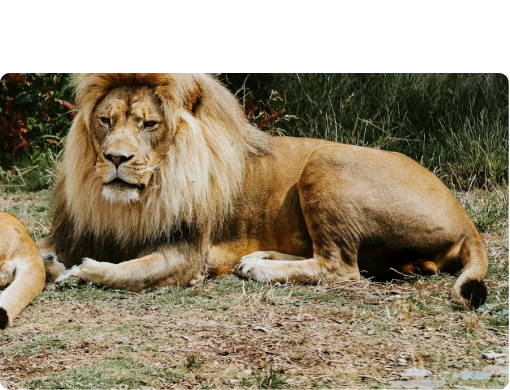
Con sư tử có thể ngủ bao nhiêu giờ mỗi ngày?
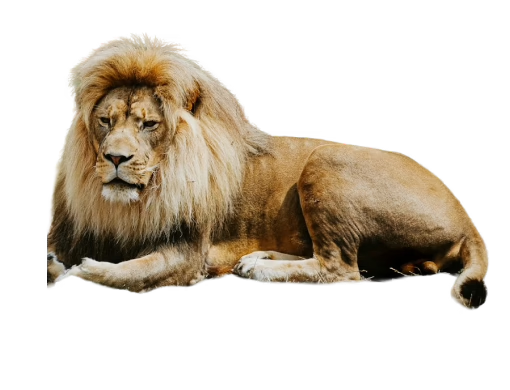
Con sư tử châu Phi
Dễ bị tổn thươngMột trong những loài động vật mang tính biểu tượng nhất trên Trái Đất, sư tử châu Phi là biểu tượng của sức mạnh, trí tuệ xã hội và vùng đất hoang dã của châu Phi.
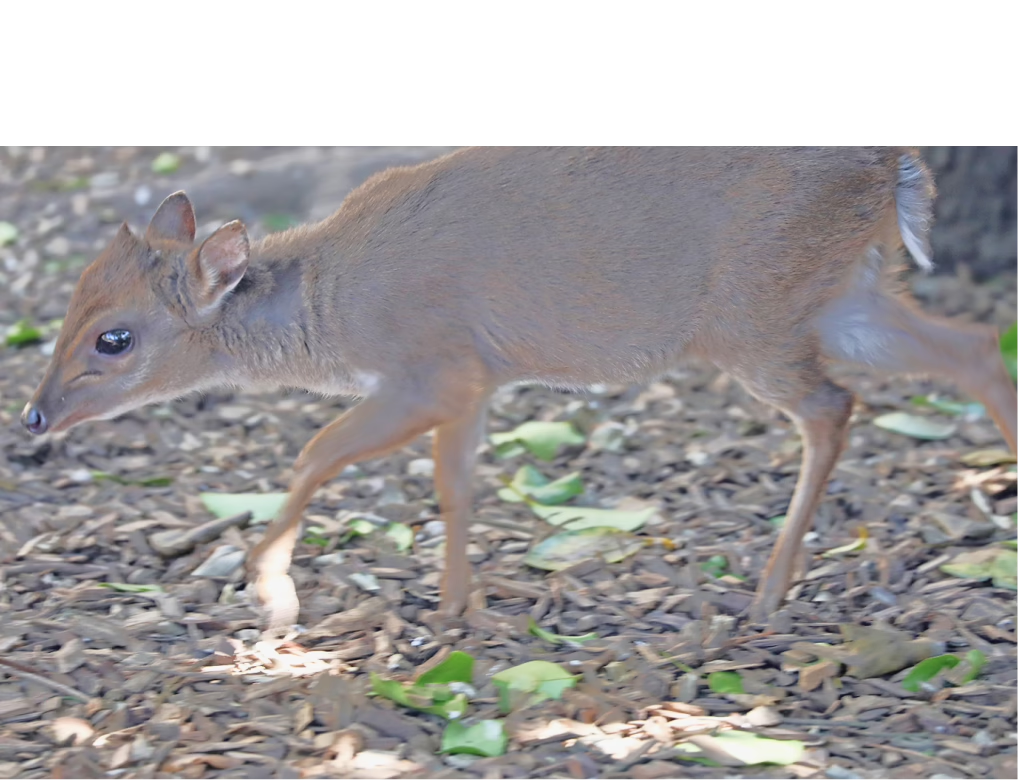
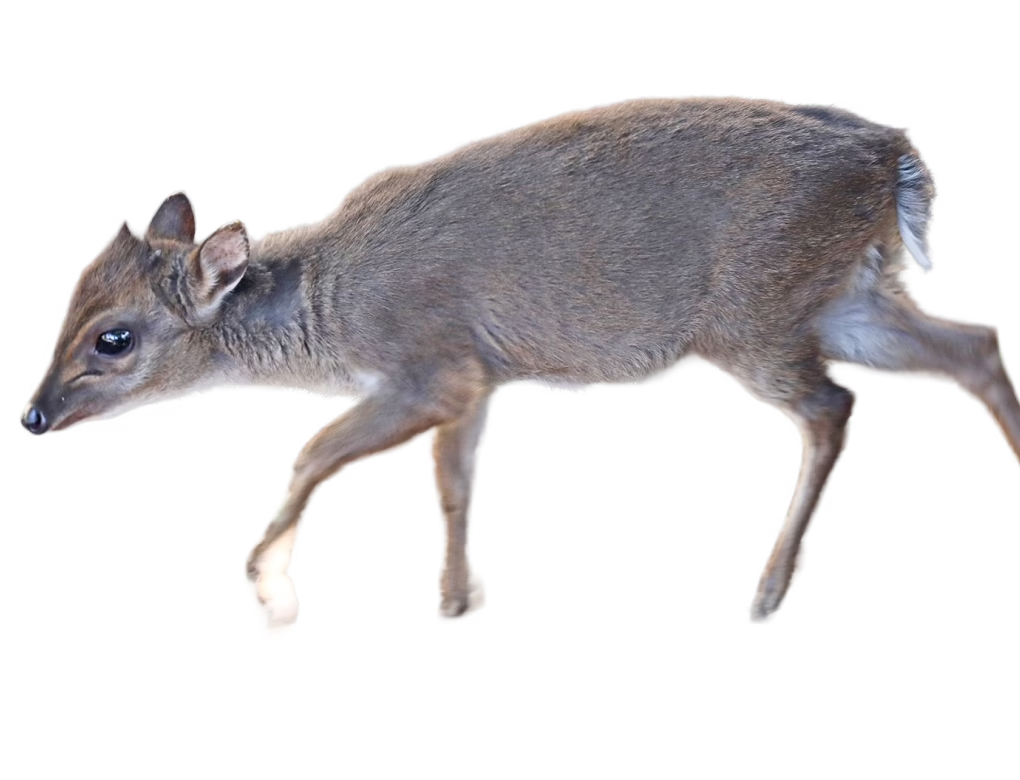
Blue duiker
Loại ít nguy cấpLà loài tê tê nhỏ nhất thế giới và là loài duiker nhỏ nhất, chúng đóng vai trò quan trọng trong hệ sinh thái rừng của chúng.
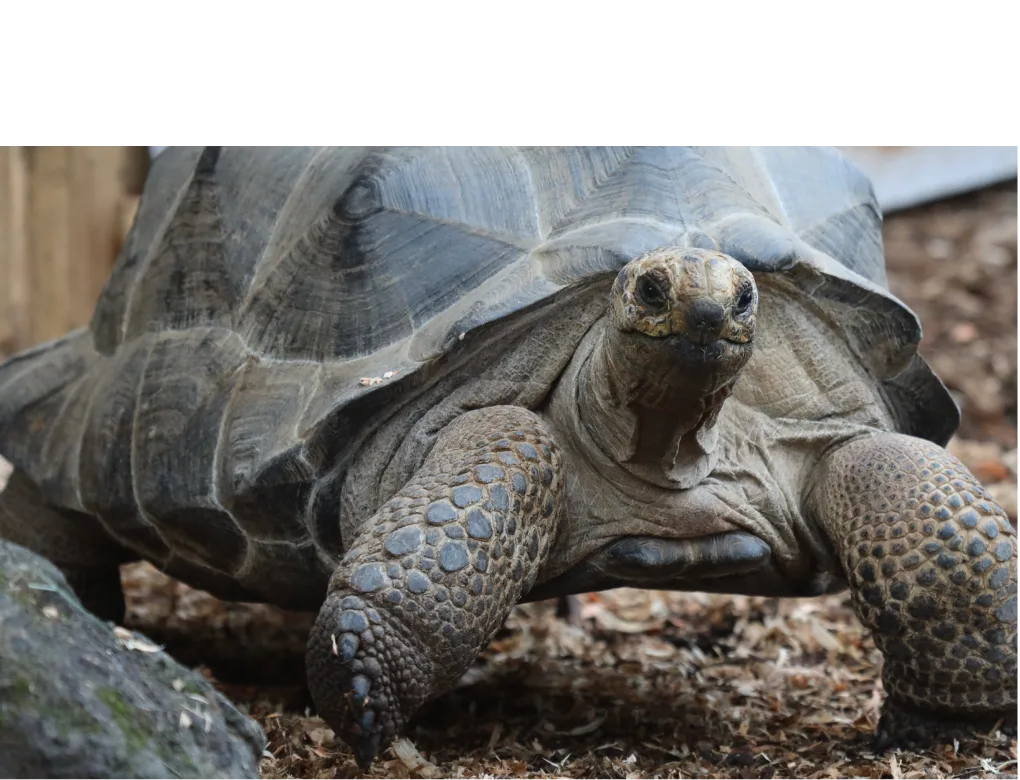
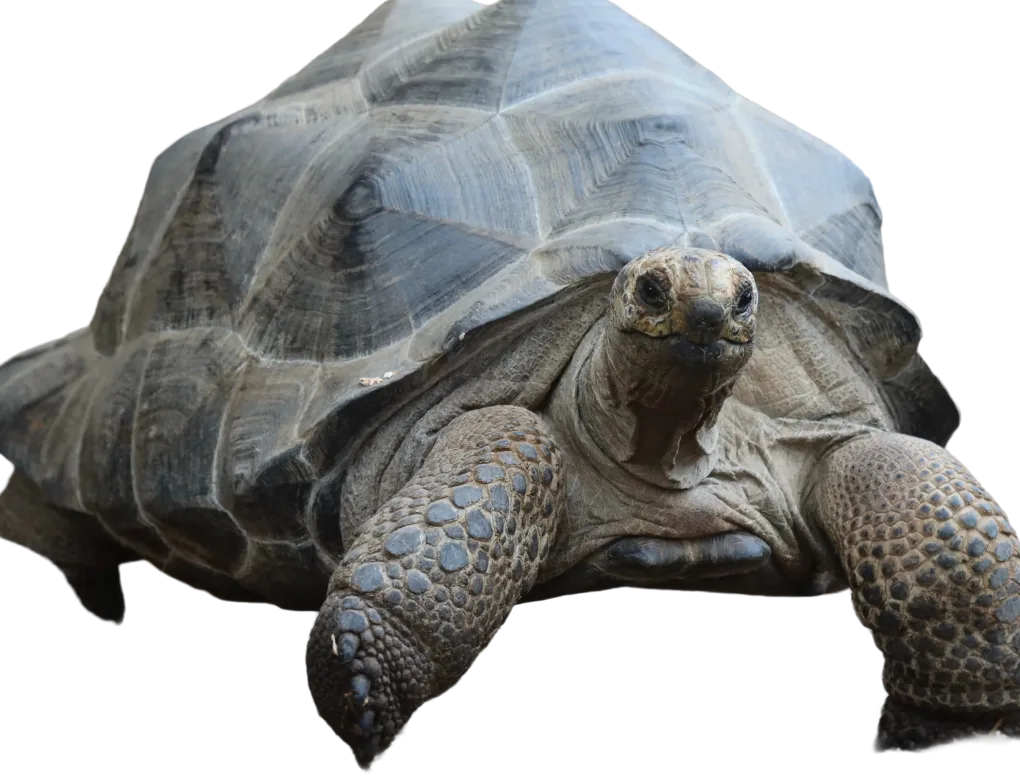
Cá sấu Aldabra
Dễ bị tổn thươngLà một trong những loài rùa đất lớn nhất và sống lâu nhất trên thế giới, một số loài được biết đến đã sống đến 170 năm!
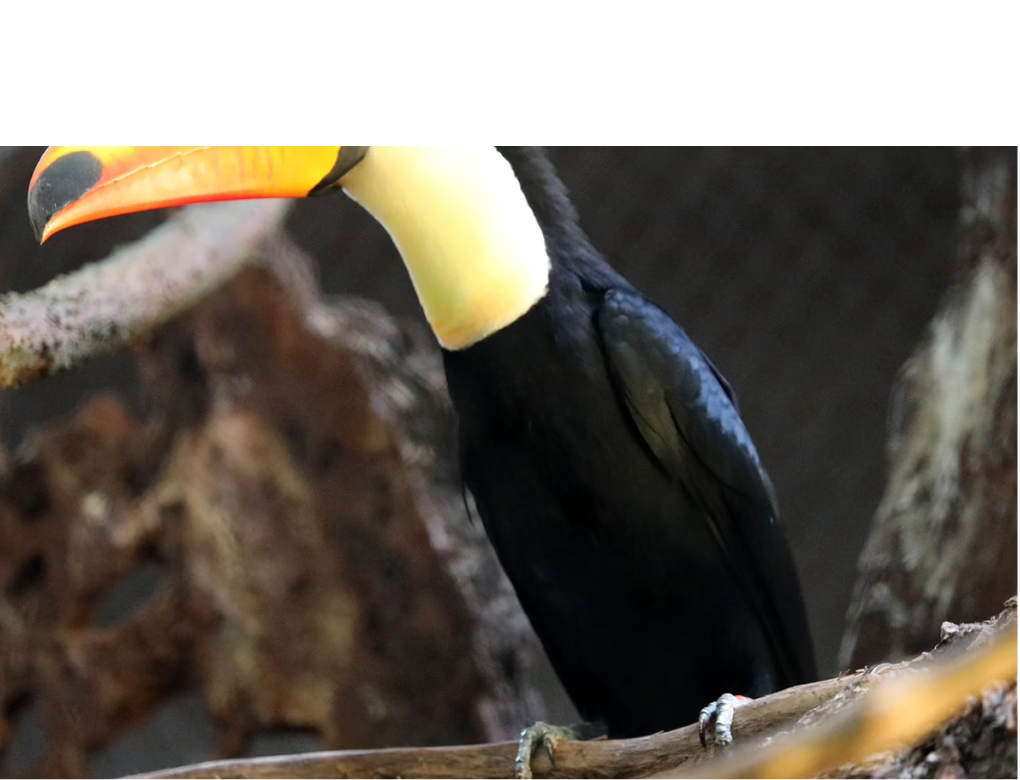
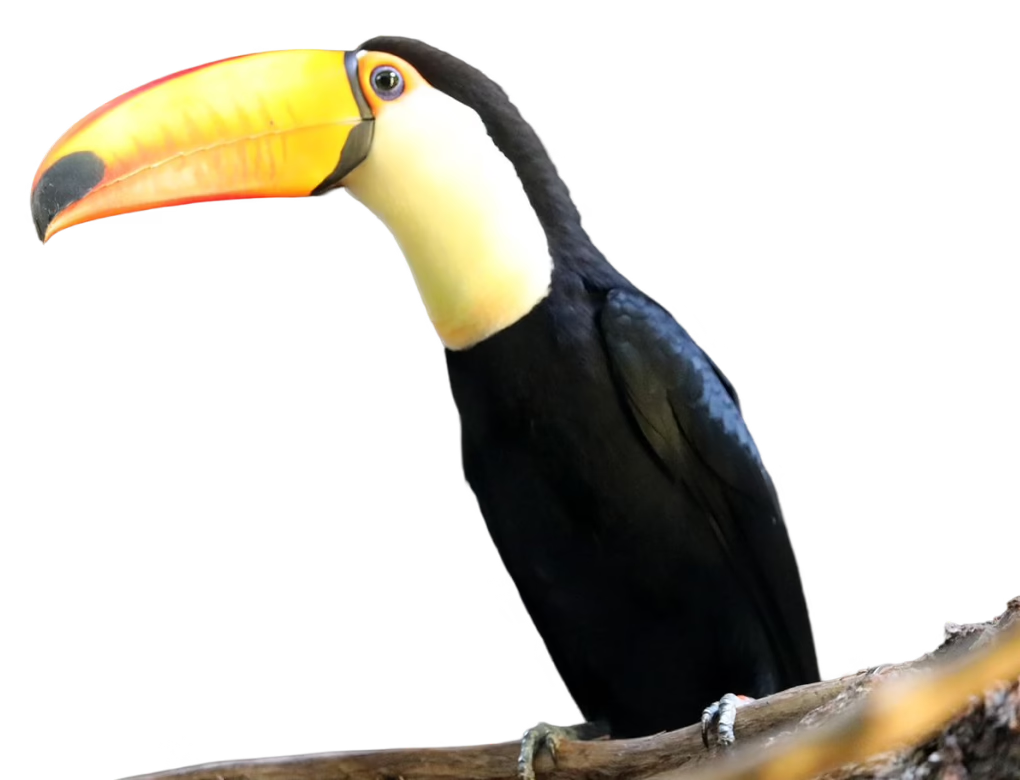
Con tico toucan
Loại ít nguy cấpĐược biết đến với những chiếc vảy lớn và đầy màu sắc cùng với lối sống vui tươi, đây là loài cò lớn nhất trong số các loài cò.
Hãy nhận nuôi một con vật mà bạn yêu quý trong khi tận hưởng những lợi ích độc quyền.