



Tại Sở thú
Madagascar Center
Những sự thật hấp dẫn
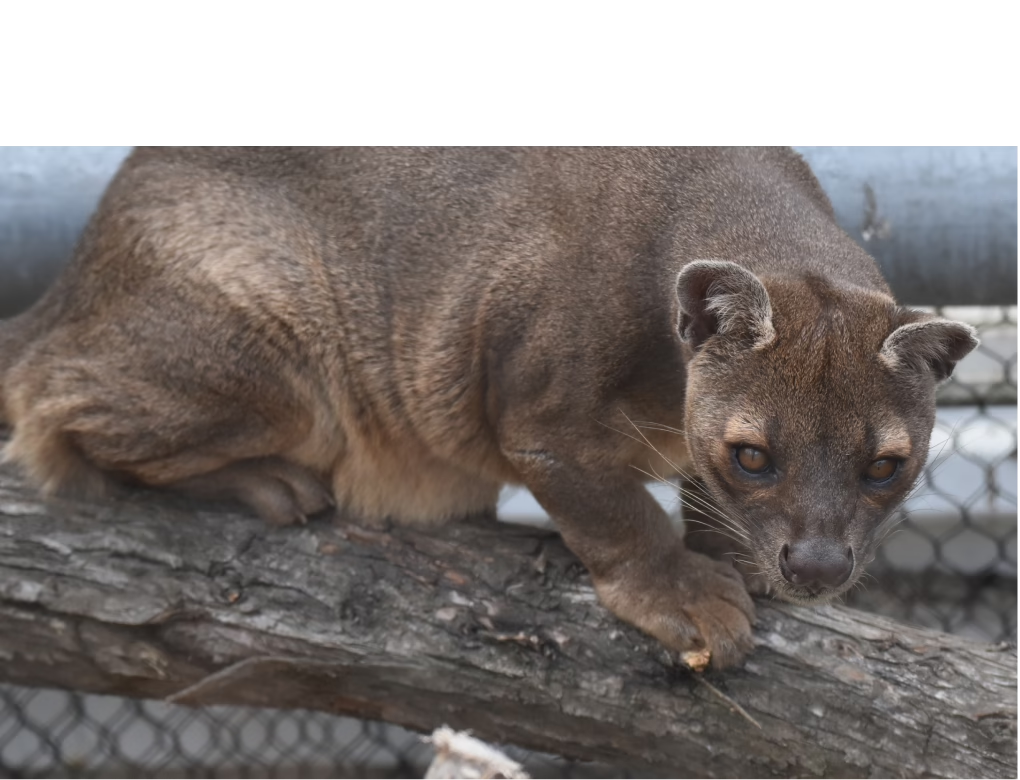
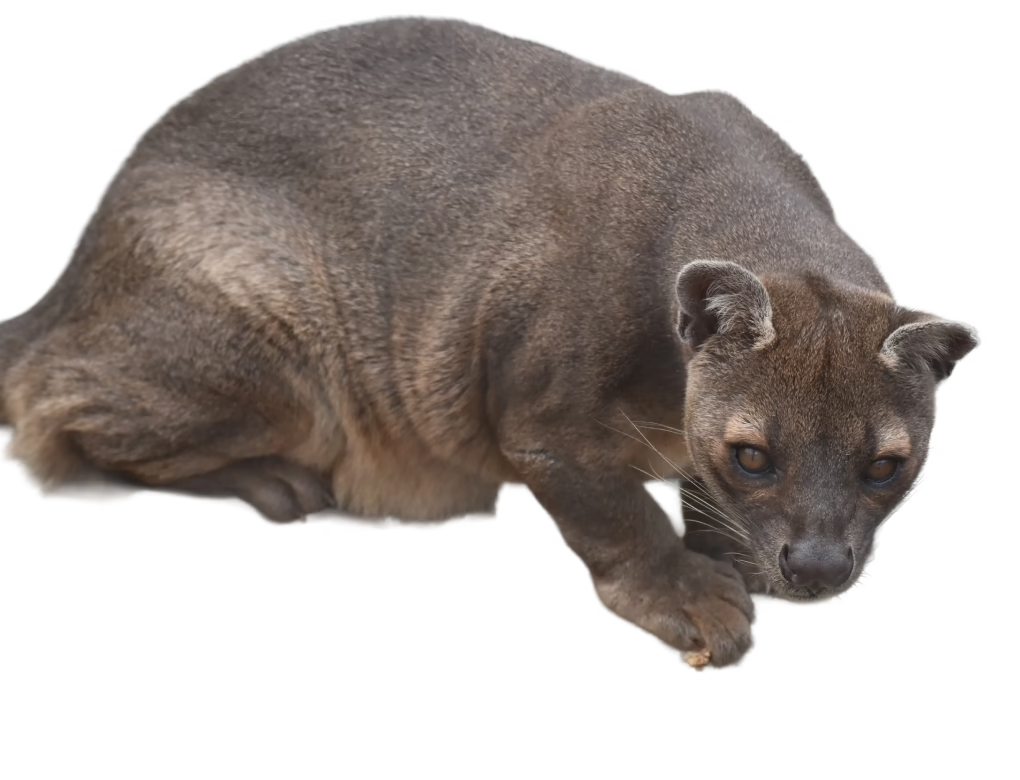
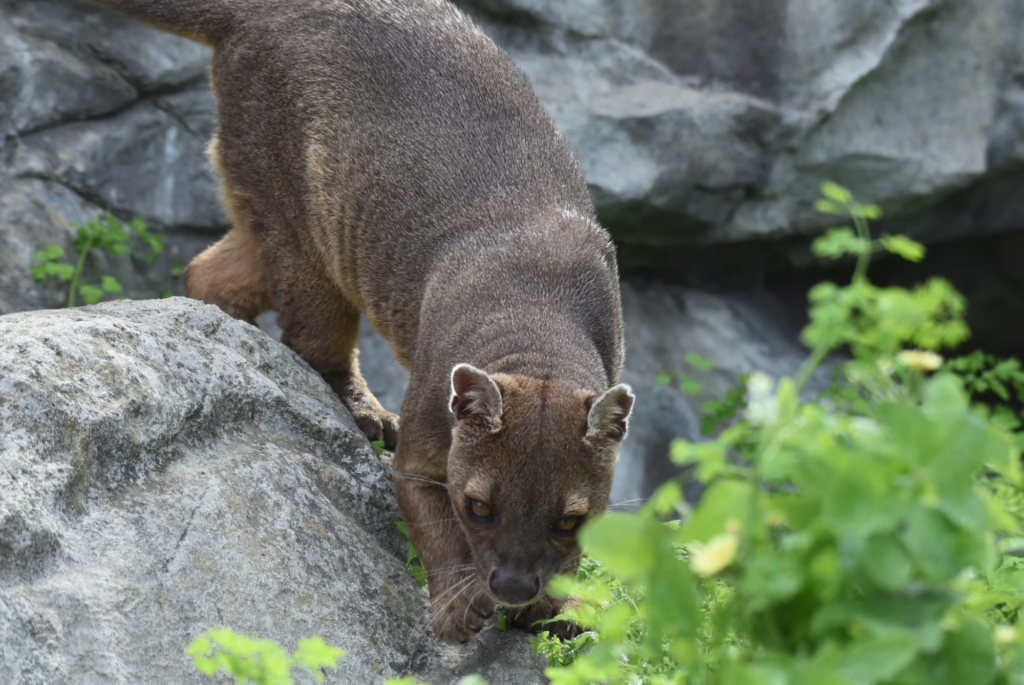
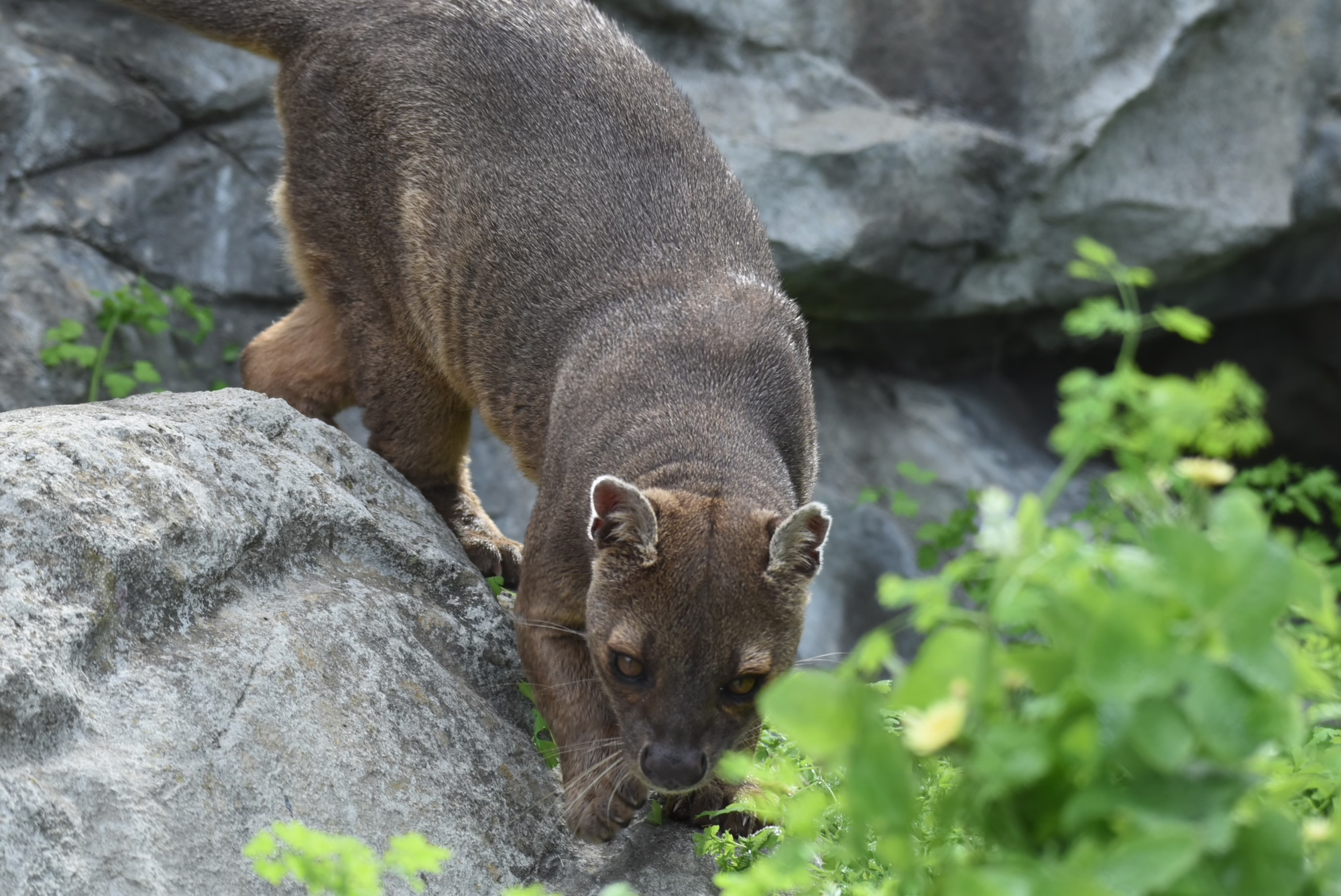
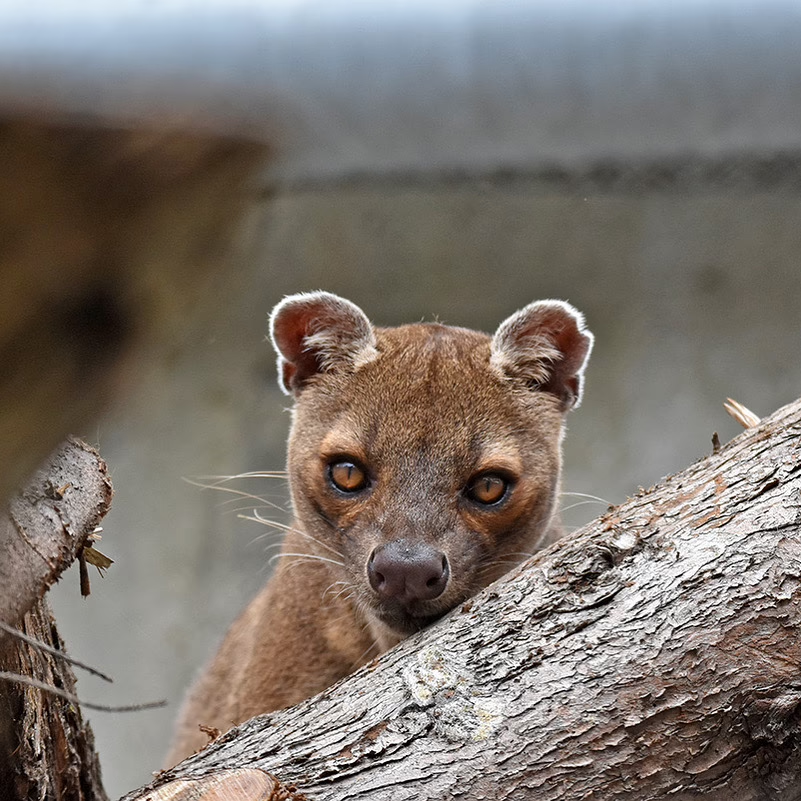
Fosas look like members of the cat family, but are more closely related to mongooses. They are the largest carnivore on the island of Madagascar and lemurs are their preferred prey.
Đặc điểm vật lý
Fosas have a short reddish-brown coat and long whiskers. They are 24 – 31 inches in length, with a tail approximately equally as long. They weigh between 15 – 26 lbs., with males being slightly larger than females.
They are well adapted for spending time in the trees: a good sense of vision, hearing and smell; a long tail for balance and semi-retractable claws to aid in climbing. In the wild they can live up to 15 years and up to 20 years under human care.
Chế độ ăn uống
They feed on small mammals, including lemurs, as well as reptiles, amphibians, birds and insects.
Điều kiện sống
Fosas live exclusively in forested areas.
Phạm vi
They are found in the forested lowlands on the island of Madagascar
https://www.iucnredlist.org/species/5760/45197189
Hành vi xã hội
Fosas are mainly solitary, except during breeding season. Males will compete for breeding rights, and will mate either on the ground or in a sturdy tree branch. Frequently the same mating sites are used year after year, possibly to help fosas find each other in the dense forest habitat. Mating can take up to 3 hours and females sometimes mate with multiple males.
After a 3-month gestation period, 2- 4 young are born. Cubs are helpless at birth and will remain in the den for 4 months. They will become independent between 15 – 20 months and sexually mature at 3 years of age. Fosas communicate through vocalizations and scent marking, and will mark their territory with scent glands.
Tình trạng trong tự nhiên
IUCN – Đang có nguy cơ tuyệt chủng
Khác
Fosas are threatened by habitat loss, as well as habitat fragmentation due to their low population densities. They are also threatened by the bushmeat trade.



Featured Pages
Bạn có biết không?
What animal is a fosa related to?
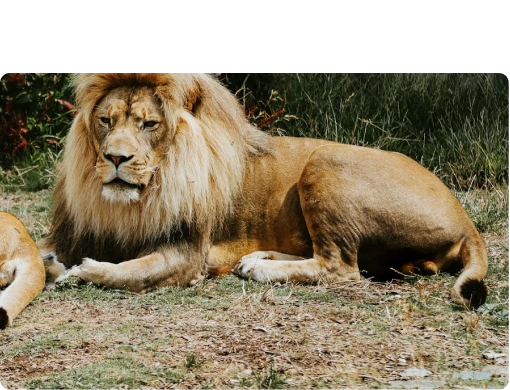
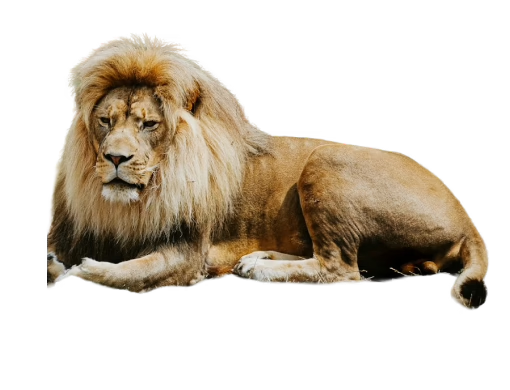
Con sư tử châu Phi
Dễ bị tổn thươngMột trong những loài động vật mang tính biểu tượng nhất trên Trái Đất, sư tử châu Phi là biểu tượng của sức mạnh, trí tuệ xã hội và vùng đất hoang dã của châu Phi.
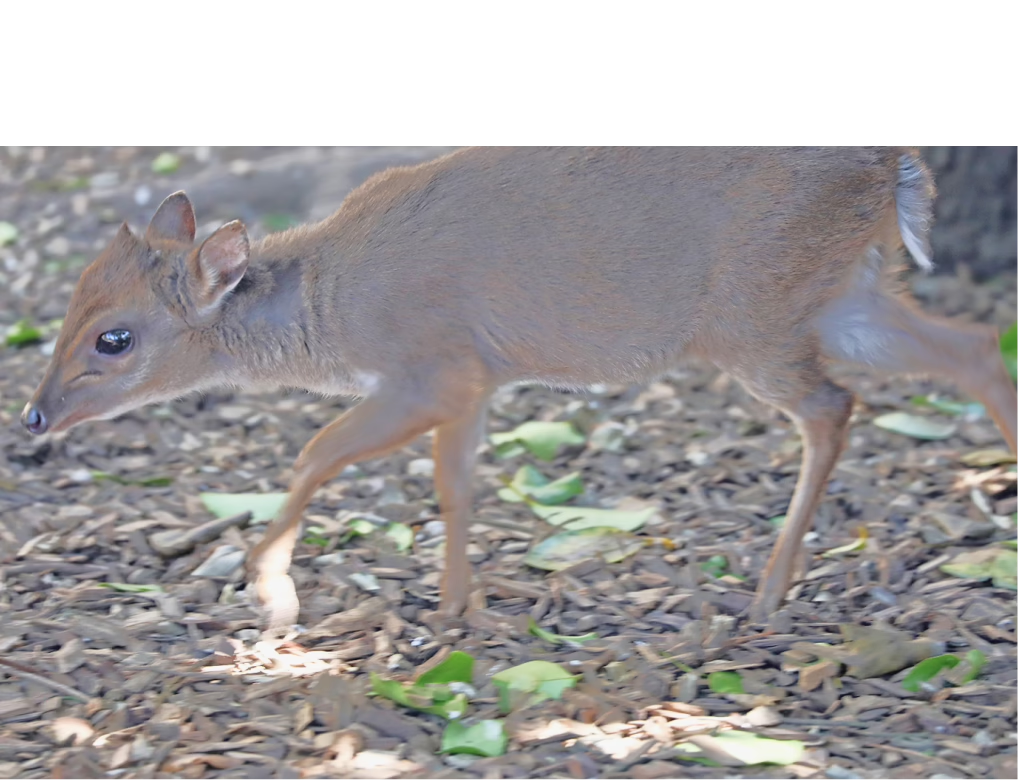
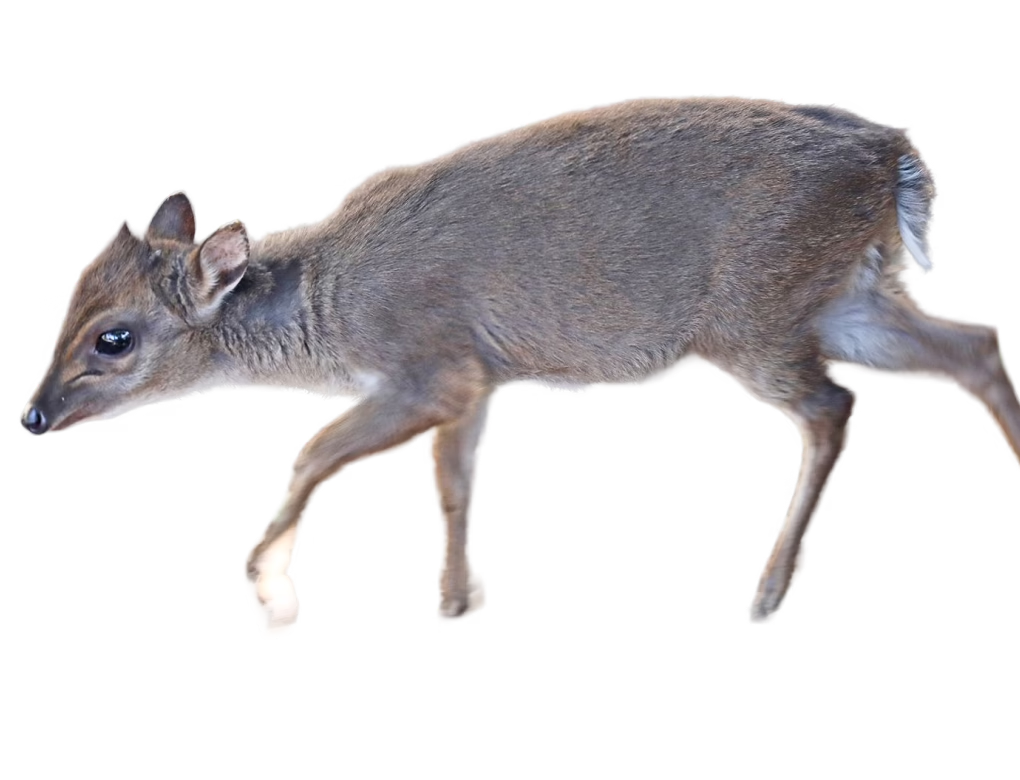
Blue duiker
Loại ít nguy cấpLà loài tê tê nhỏ nhất thế giới và là loài duiker nhỏ nhất, chúng đóng vai trò quan trọng trong hệ sinh thái rừng của chúng.
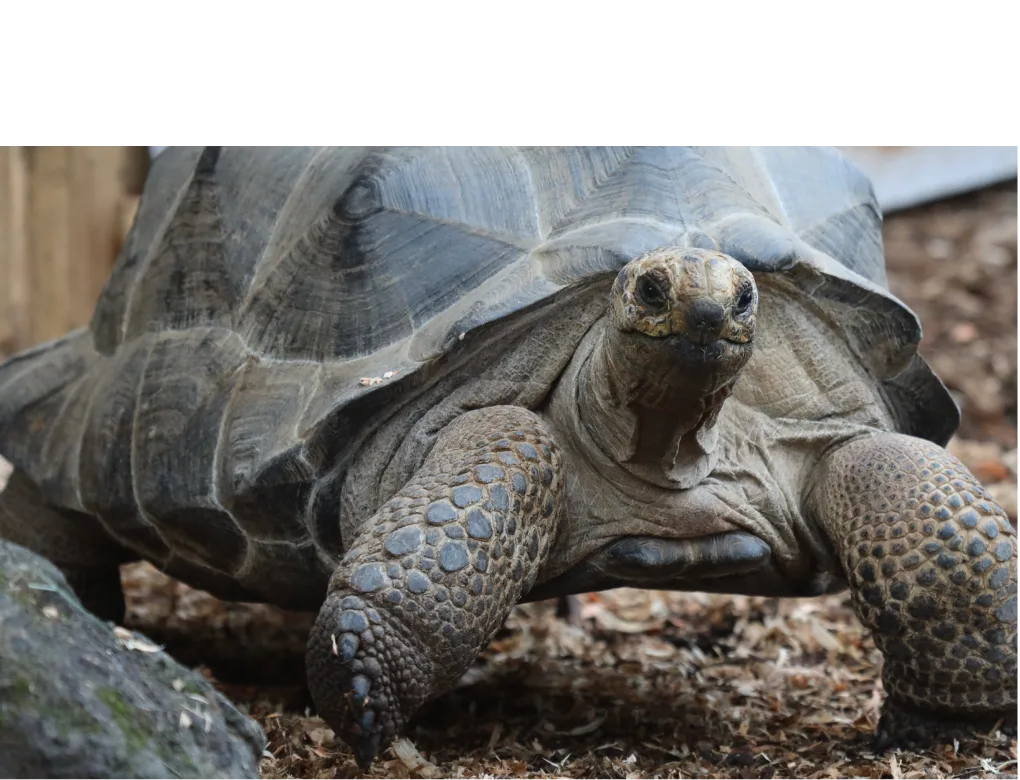
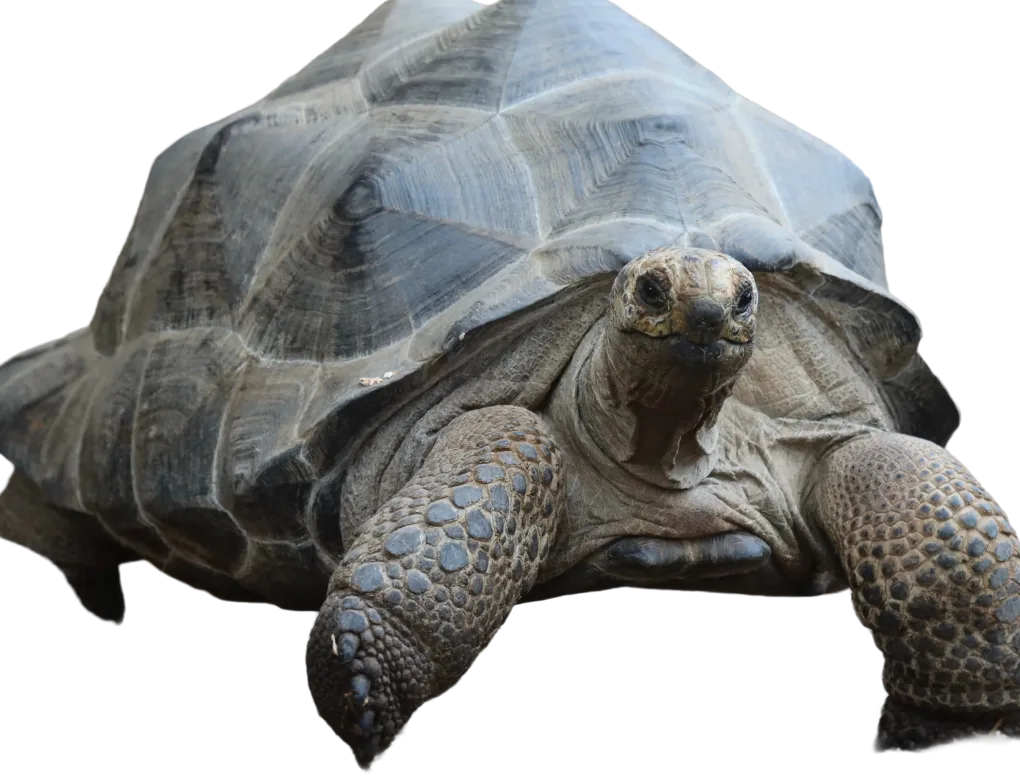
Cá sấu Aldabra
Dễ bị tổn thươngLà một trong những loài rùa đất lớn nhất và sống lâu nhất trên thế giới, một số loài được biết đến đã sống đến 170 năm!
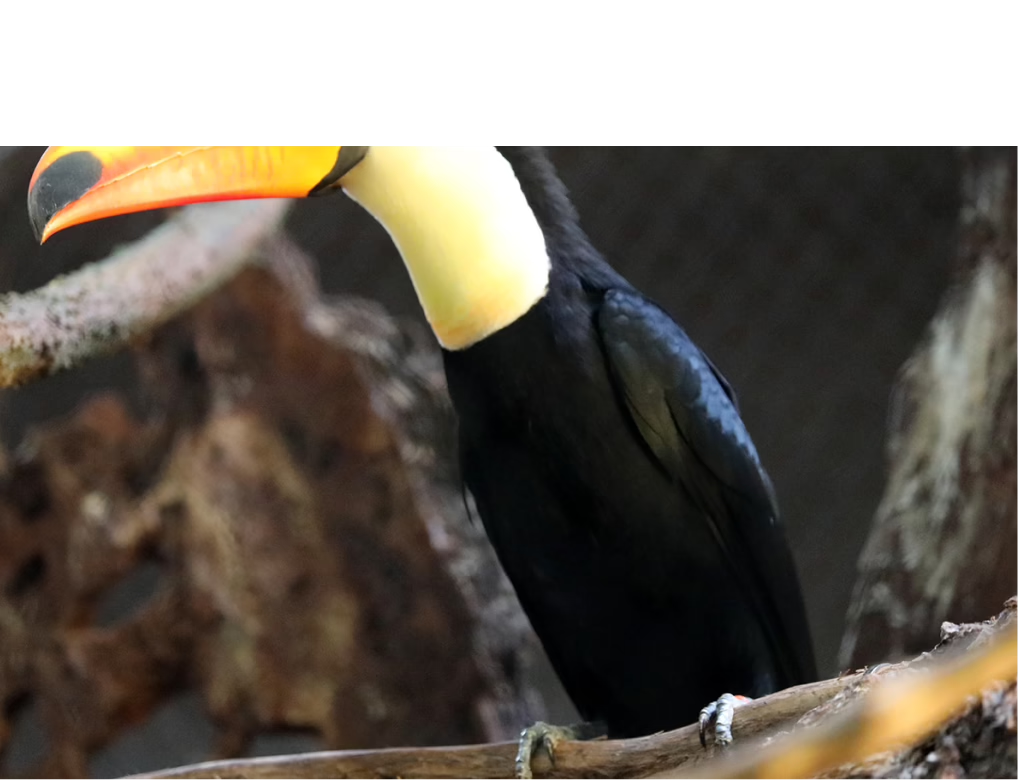
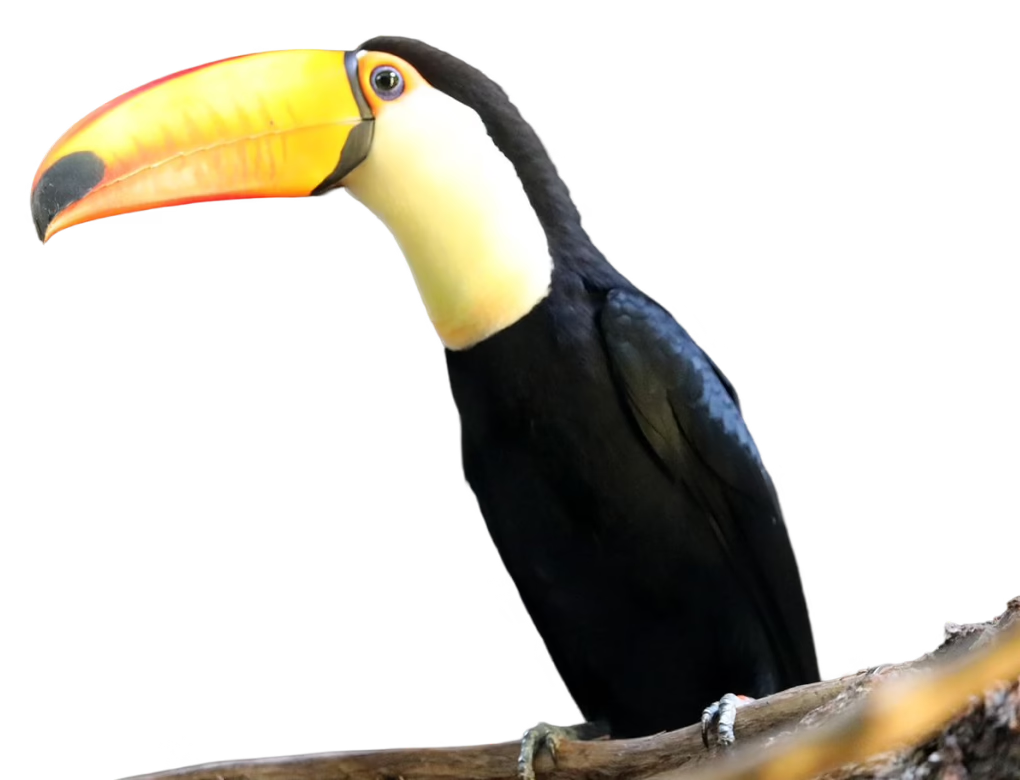
Con tico toucan
Loại ít nguy cấpĐược biết đến với những chiếc vảy lớn và đầy màu sắc cùng với lối sống vui tươi, đây là loài cò lớn nhất trong số các loài cò.