




Tại vườn thú
Hearst Grizzly Gulch in Bear Country
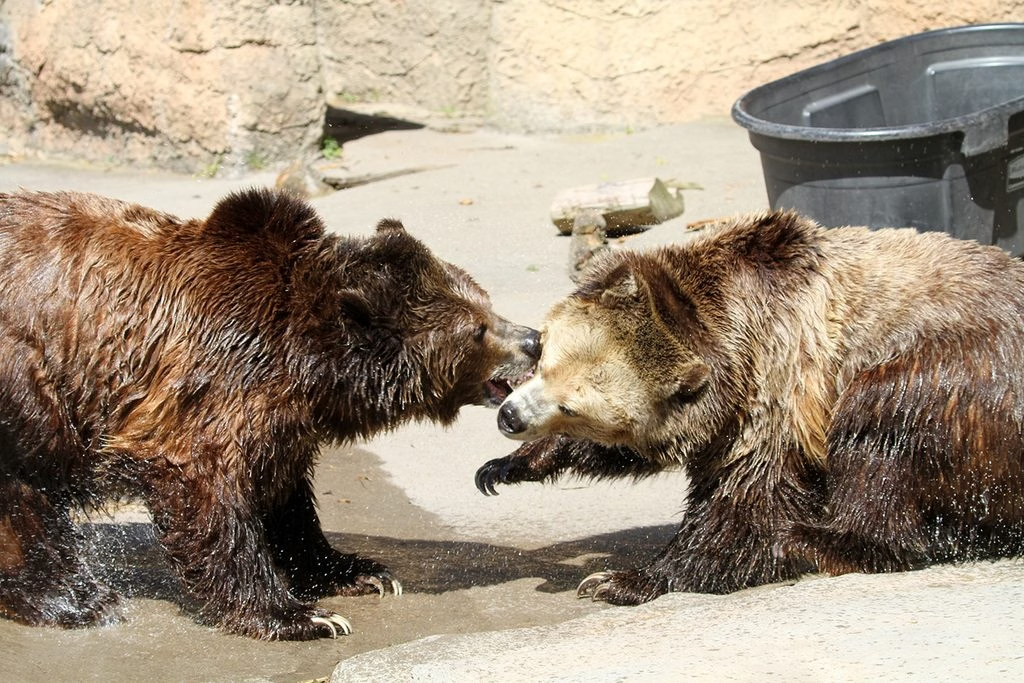
Our two female grizzly bears were orphaned as cubs in Montana and cared for by Montana wildlife officials before being released to the wild. Used to human-induced food rewards, they were considered nuisance animals after getting too close to developed areas and into a rancher’s grain storage. After several attempts to relocate them away from humans and numerous phone calls to find the bears a new home, Montana wildlife officials were forced to make the agonizing decision to euthanize them.
In the fall of 2004, San Francisco Zoological Society Board Member Fred Carroll notified the Zoo of the bears’ dire situation. With the cooperation of the Montana Fish, Wildlife and Parks Department, the Zoo agreed to provide a home for the two grizzly bears, Kachina and Kiona, named in a naming contest held by the Zoo.
Những sự kiện hấp dẫn
- Brown bears are found in Europe, Asia and North America – the largest range of any bear species.
- The grizzly bear is the California state mammal and the symbol on the California state flag.
- They play an important role in managing the health of an ecosystem by distributing seeds through their scat, regulating ungulate populations and mixing topsoil when digging.
- Their ability to run up to 35 mph makes them a formidable predator.
Đặc điểm vật lý
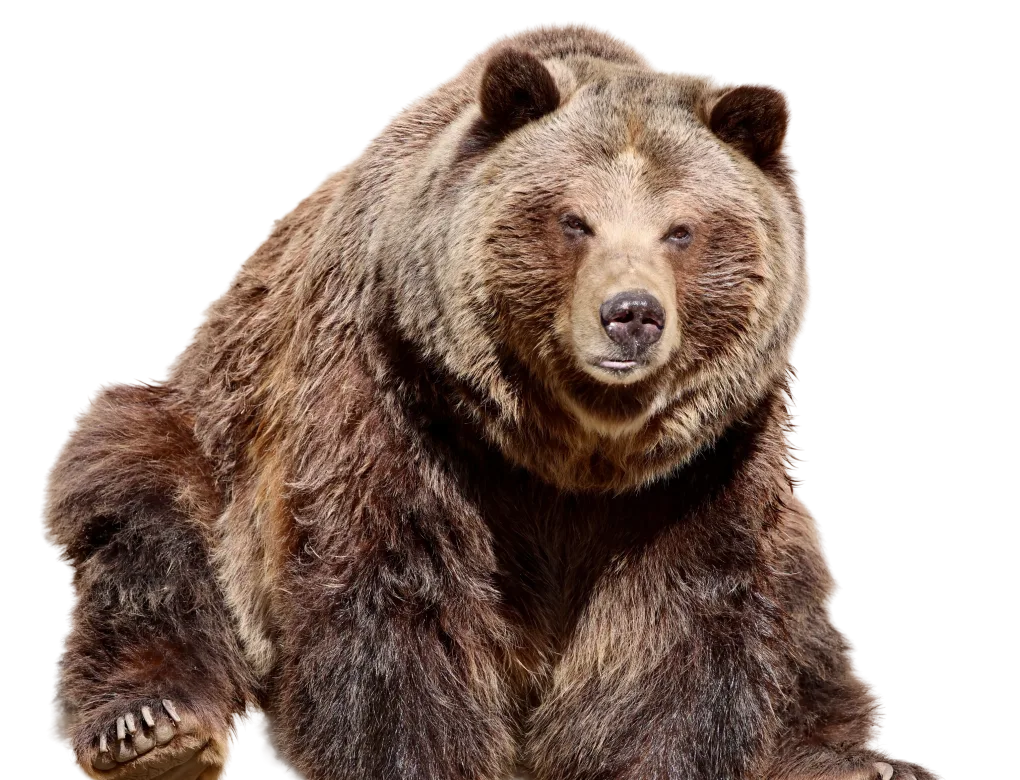
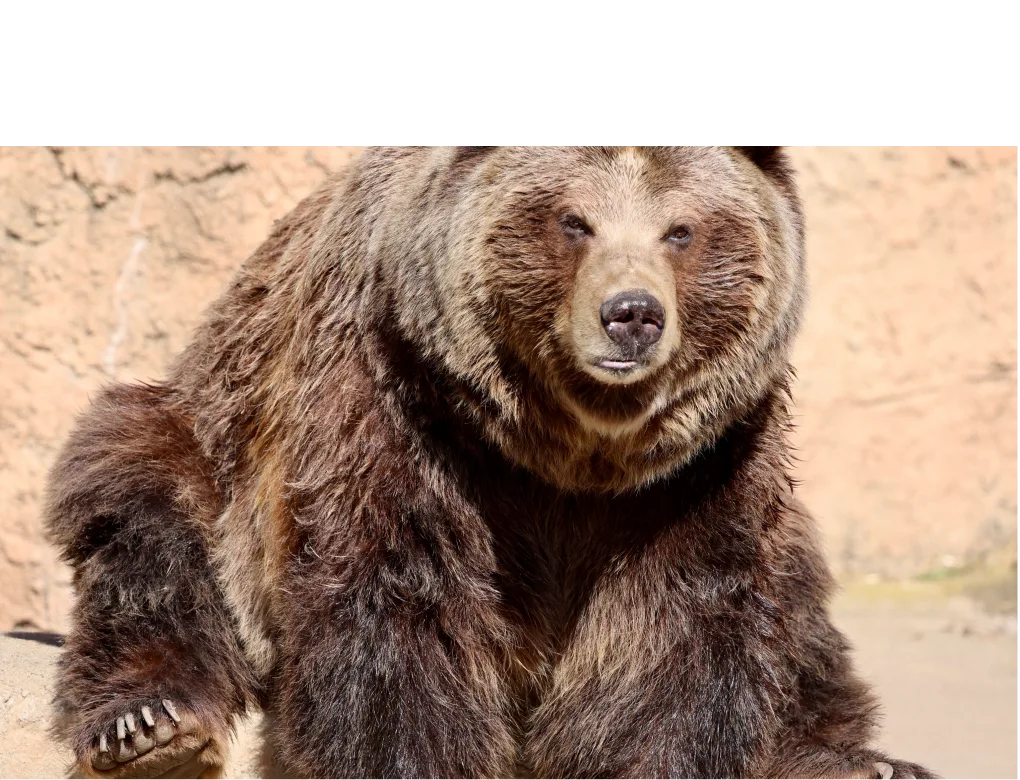
Grizzly bears are one of several subspecies of brown bears. They can weigh up to 800 pounds and stand about 7 feet tall. Their fur is typically a shade of brown but can also be blonde or black – often causing some confusion in ranges they share with black bears. The guard hairs on the back are tipped in white, giving them a “grizzled” appearance – hence their name.
They have a characteristic shoulder hump that provides the muscle power to create winter dens, dig up roots, strike down a prey animal or compete with rivals. Grizzlies’ front claws can grow up to four inches long and they have both grinding molars and piercing canine teeth. Grizzlies walk flat-footed but can also stand on the rear legs for a short time. The head is massive with small eyes and ears and a dish-shaped face. Their sense of smell is incredible but hearing and eyesight are quite keen as well.
Lifespan is 15-20 years in the wild, and around 30 under human care.
Điều kiện sống
They’re found in high mountain wooded areas, tundra and sub-alpine regions in Alaska, Western Canada, Idaho, Montana, Washington and Wyoming.
Chế độ ăn uống
As omnivores, they eat a variety of plants and berries, insect, fish, carrion, rodents and large mammals.
Hành vi xã hội
Grizzlies are solitary except for females with young and gatherings during salmon runs. Females hold exclusive home ranges while a male may overlap several of these ranges. Bears communicate by scent marking on trees and bushes, as well as with their urine and feces.
>Dens made in rock caves, hollow trees or dug in the ground are used by all grizzlies for protection and security in winter. Grizzlies enter a dormancy that is triggered by fat store, not cold weather. They are not true hibernators since their body temperature does not drastically lower. Depending on available resources, they can gain around 400 pounds in the fall. In areas with short winter seasons these bears will spend less time in dens; at zoos bears do not hibernate at all.
>Breeding occurs from May to July but fertilized eggs only implant when the female is ready to den in October and November. One to three cubs are born tiny and helpless in January or February. They spend the winter and early spring in the den, nursing and growing so that they are ready to leave the den in April. Mothers are extremely protective of cubs making them quite dangerous toward unsuspecting hikers. Females may reproduce once every 3–5 years since they remain with their cubs for up to 3 ½ years.
Tình trạng trong tự nhiên
Grizzly bears are listed as Least Concern by the IUCN. Between 1800 and 1975, the grizzly bear population in the lower 48 states decreased from more than 50,000 to less than 1,000 due to predatory persecution, hunting for sport, and habitat loss due to deforestation. Today, populations are stable but bears still face these threats as well as ordered euthanasia due to human-bear conflicts.
Grizzly bears, once prevalent in California, have been extinct in this state since the 1920s.
>What can you do to help grizzlies and camp safely in their habitat?
- Luôn bảo quản thực phẩm đúng cách và tránh xa tầm tay của gấu. Đừng tiếp xúc hay cho gấu ăn; thói quen này sẽ khiến chúng quen với con người và chúng sẽ mất đi phản ứng né tránh tự nhiên của mình.
- Hãy lan truyền thông tin về bảo tồn và an toàn của gấu!
Bạn có biết không?
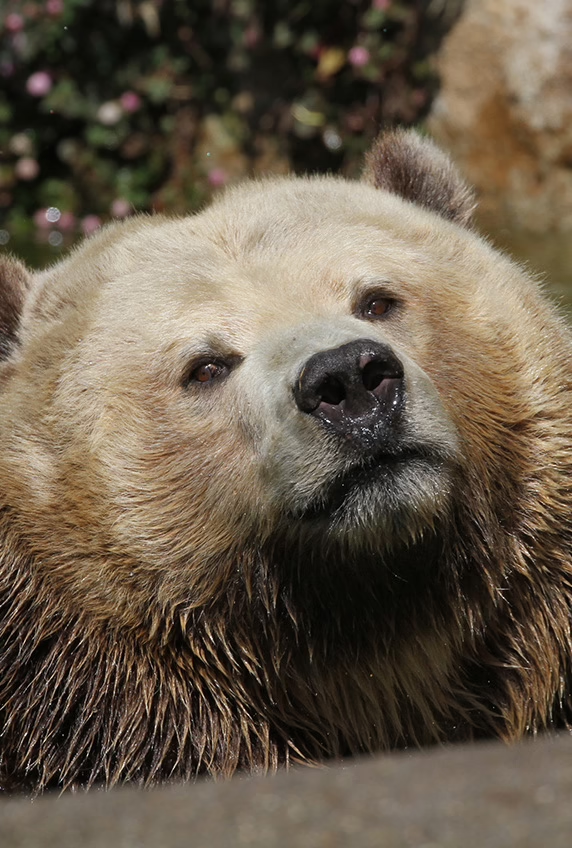
How much stronger than a human is their sense of smell ?
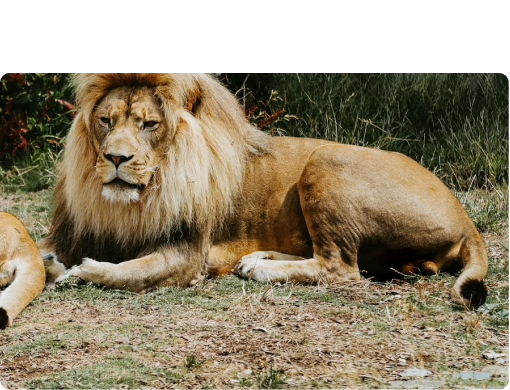
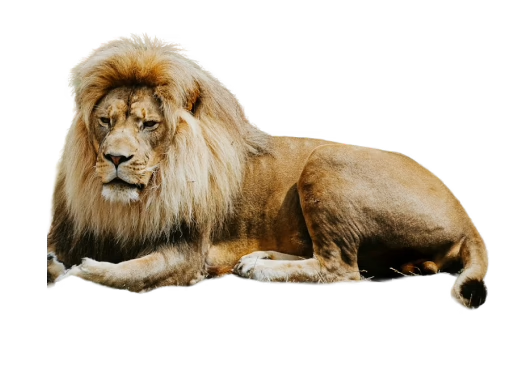
Con sư tử châu Phi
Dễ bị tổn thươngMột trong những loài động vật mang tính biểu tượng nhất trên Trái Đất, sư tử châu Phi là biểu tượng của sức mạnh, trí tuệ xã hội và vùng đất hoang dã của châu Phi.
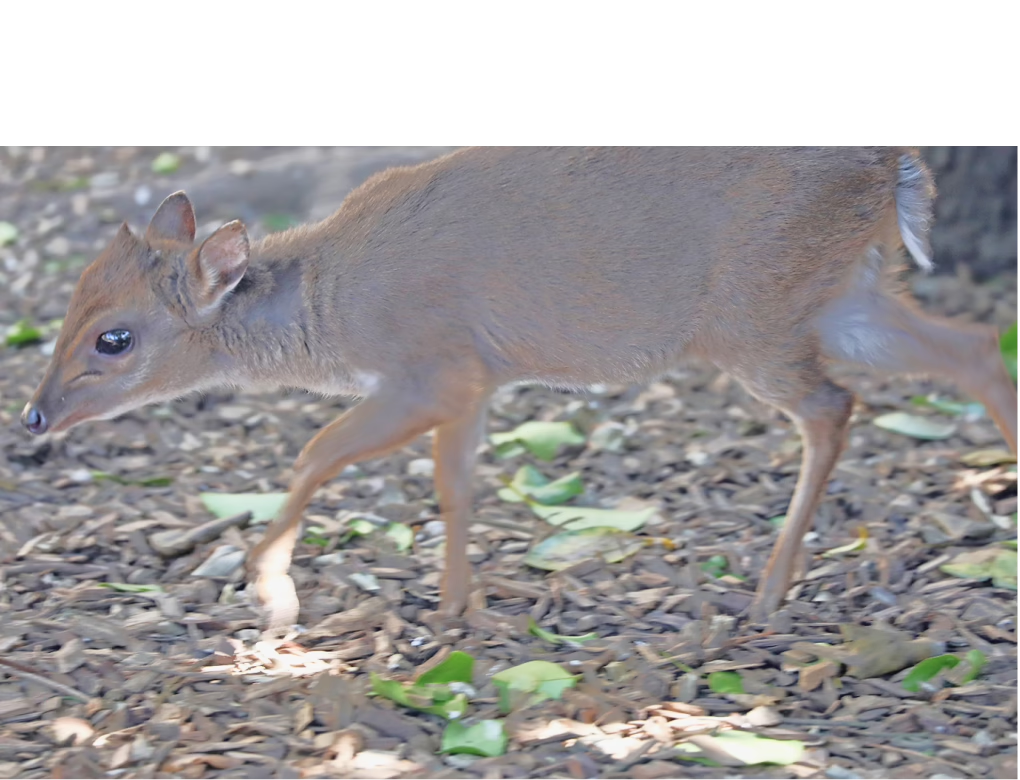
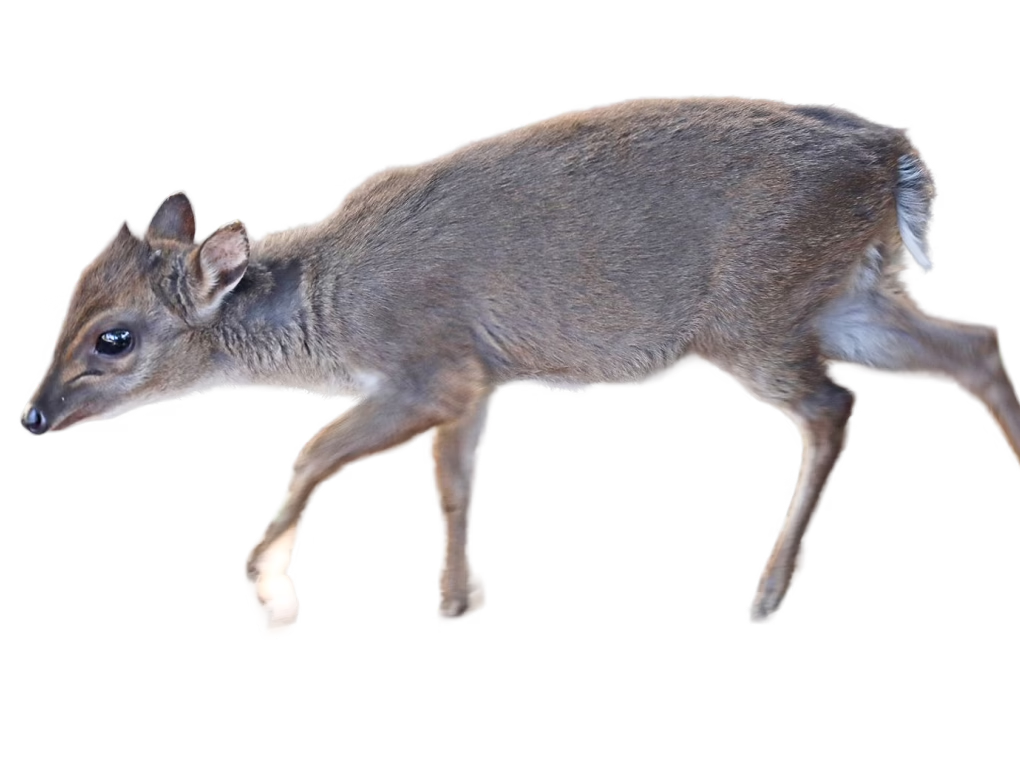
Blue duiker
Loại ít nguy cấpLà loài tê tê nhỏ nhất thế giới và là loài duiker nhỏ nhất, chúng đóng vai trò quan trọng trong hệ sinh thái rừng của chúng.
Cá sấu Aldabra
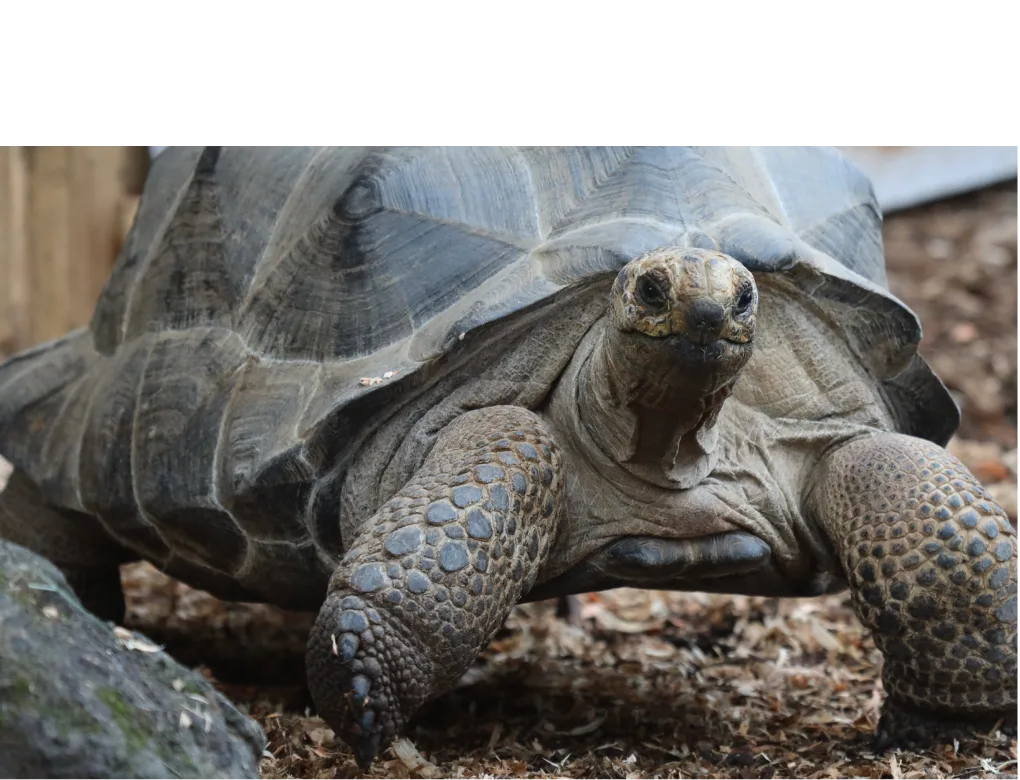
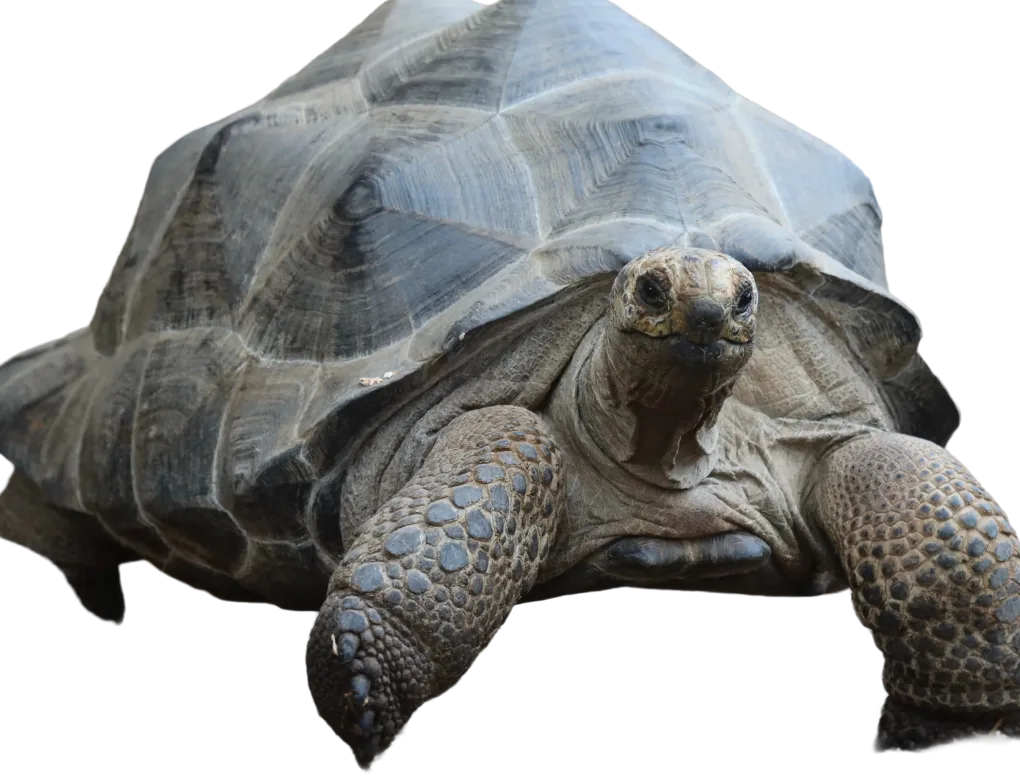
Dễ bị tổn thươngLà một trong những loài rùa đất lớn nhất và sống lâu nhất trên thế giới, một số loài được biết đến đã sống đến 170 năm!
Con tico toucan
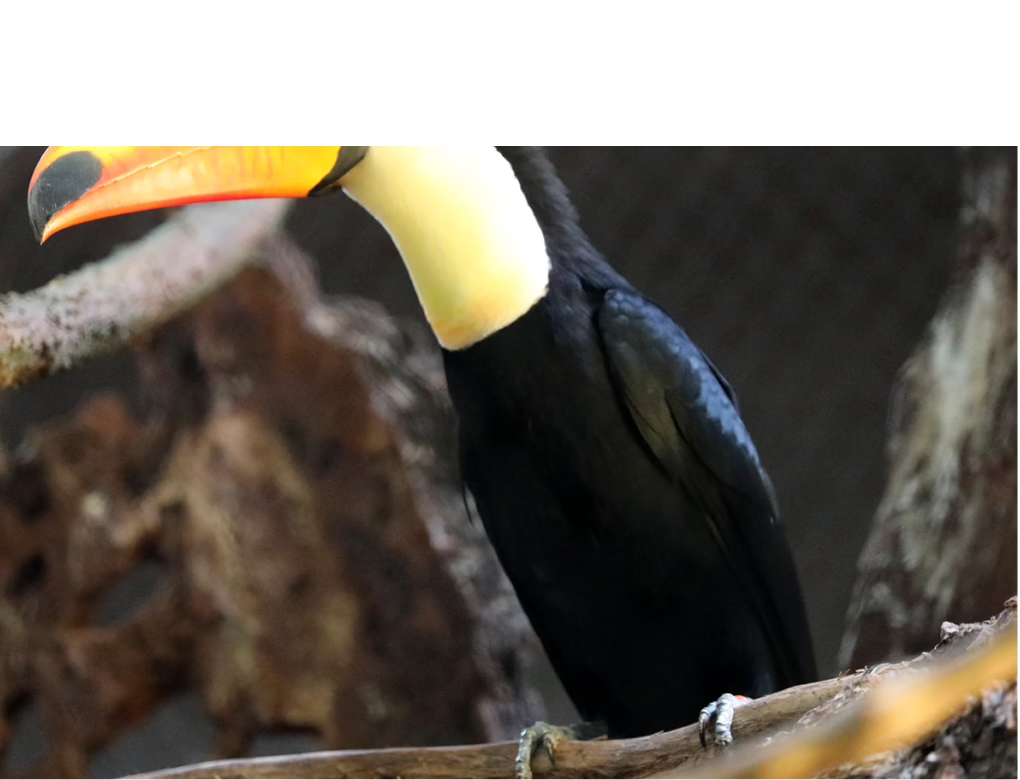
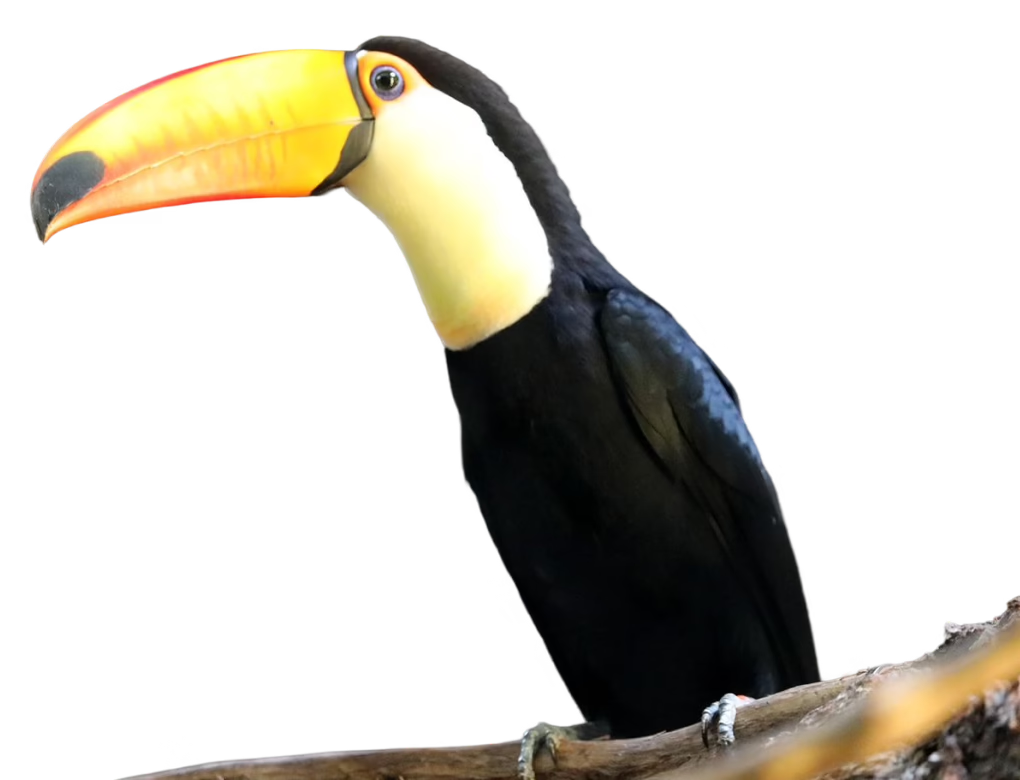
Loại ít nguy cấpĐược biết đến với những chiếc vảy lớn và đầy màu sắc cùng với lối sống vui tươi, đây là loài cò lớn nhất trong số các loài cò.
Hãy nhận nuôi một con vật mà bạn yêu quý trong khi tận hưởng những lợi ích độc quyền.