




Tại vườn thú
Asian Zone – across from Bear Country
Những sự kiện hấp dẫn
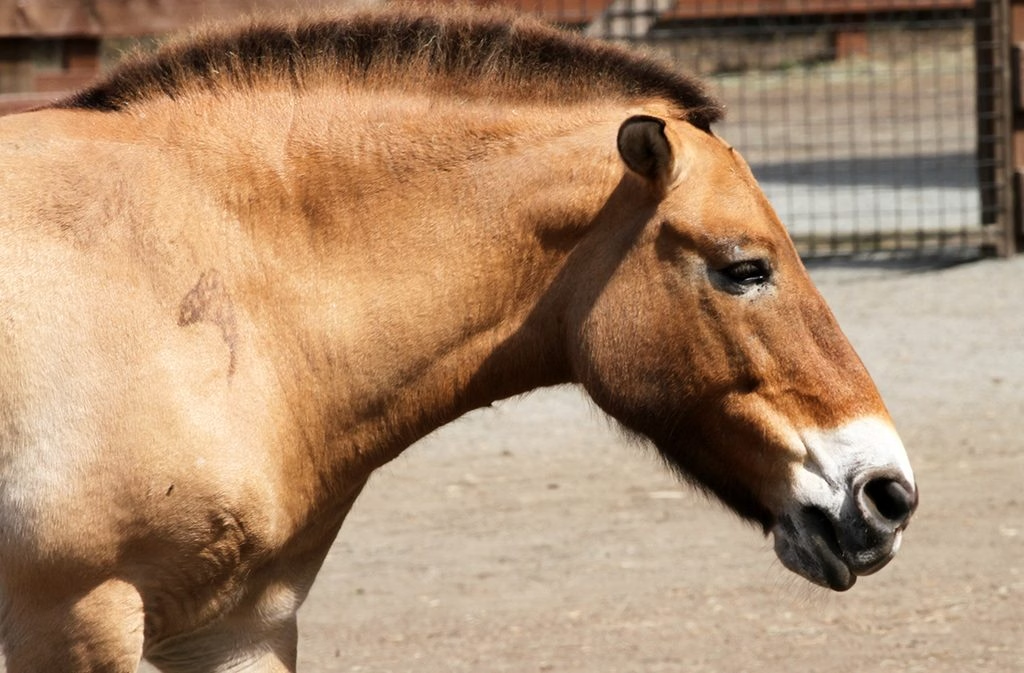
- One of the most remarkable comeback stories is that of Przewalski’s horse (pronounced SHUL-VAAL-SKEE), an endangered wild horse species native to Mongolia which in 1969 was listed as extinct in the wild. Today, this rare equine’s population has made a significant recovery, thanks to coordinated captive breeding and conservation efforts by accredited zoos and global organizations, and the successful reintroduction of the species to national parks in Mongolia and China.
- They are known as the last truly wild horse, as they have never been domesticated. In the Mongolian language, they are called “takhi,” which means spirit as they are much revered, and also known as the Mongolian wild horse.
Đặc điểm vật lý
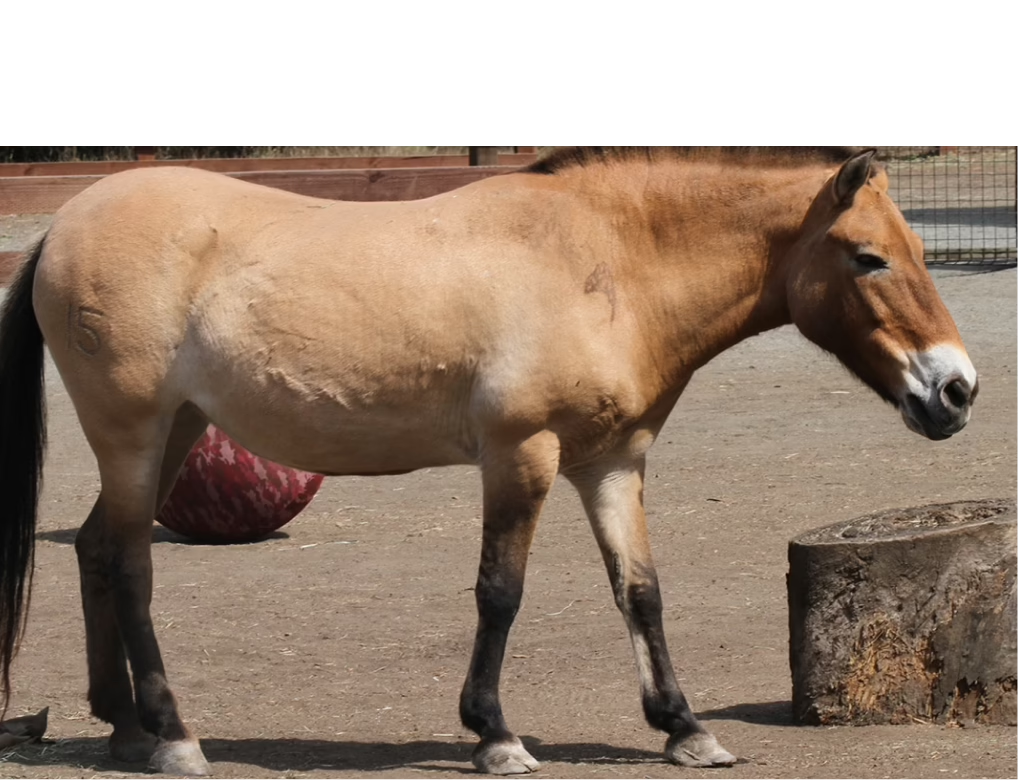
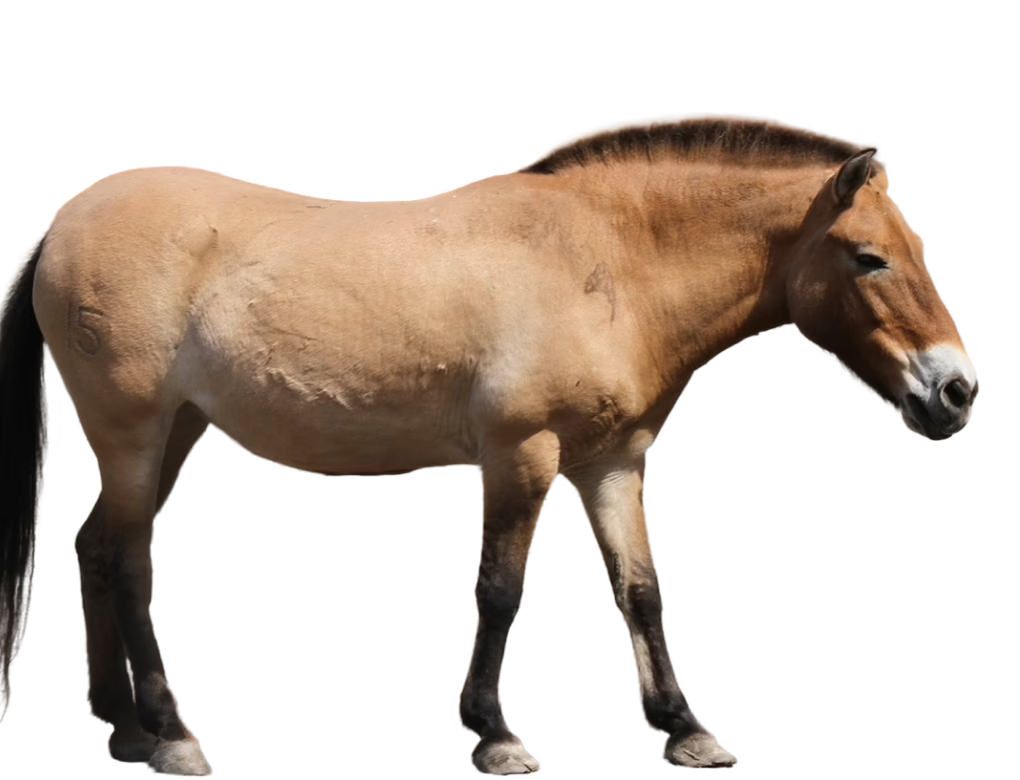
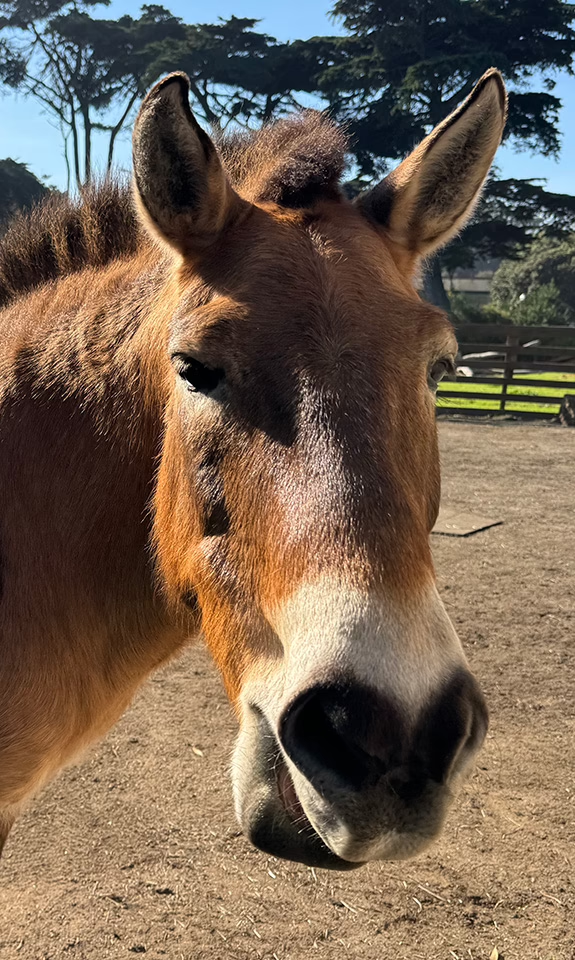
Przewalski’s horses are smaller than most horse species, and can be identified by their reddish-brown coat, stocky body, large head and thick neck with a dark upright mane and a dark stripe that runs down their back. They can weigh between 550 to 800 lbs.
Life expectancy is 20 to 25 years in the wild and 30 years or more under human care.
Điều kiện sống
Considered the Eurasian steppe, made up of open grasslands, shrublands and semi-arid deserts.
Chế độ ăn uống
As herbivores, they feed primarily on grass and vegetation, eating what is available seasonally – true grasses in the spring and summer, and desert shrubs, willow bark, twigs and reeds in the fall and winter.
Phạm vi
They once ranged from eastern Europe through western Russia, Kazakhstan, Mongolia, and northern China, but today, wild horses are mostly found in the Gobi Desert and the steppes of Mongolia.
Hành vi xã hội
Przewalski’s horses live in structured groups, either as a family group with a dominant harem male, along with several adult females and offspring. They also live in what is known as bachelor bands, comprised of young stallions who live together. Bachelor stallions may eventually leave to establish their own reproductive group.
They mate from April to July, with females maturing around 2 to 3 years old. Males will not breed until they are 4 to 5 years old. Pregnancy last 11 – 12 months and usually a single foal is born.
Tình trạng trong tự nhiên
IUCN – Endangered
Classified as critically endangered until 2011, they were downgraded due to its self-sustaining wild population.
Bạn có biết không?
How many hands high is this species?
Con sư tử châu Phi
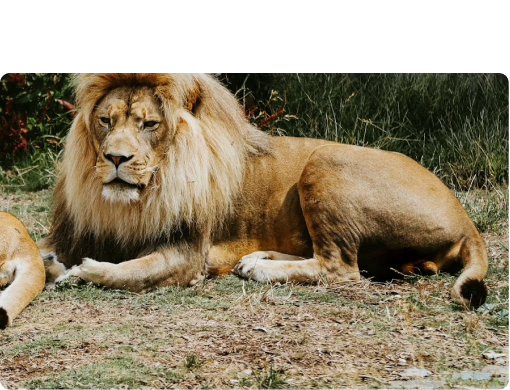
Dễ bị tổn thươngMột trong những loài động vật mang tính biểu tượng nhất trên Trái Đất, sư tử châu Phi là biểu tượng của sức mạnh, trí tuệ xã hội và vùng đất hoang dã của châu Phi.
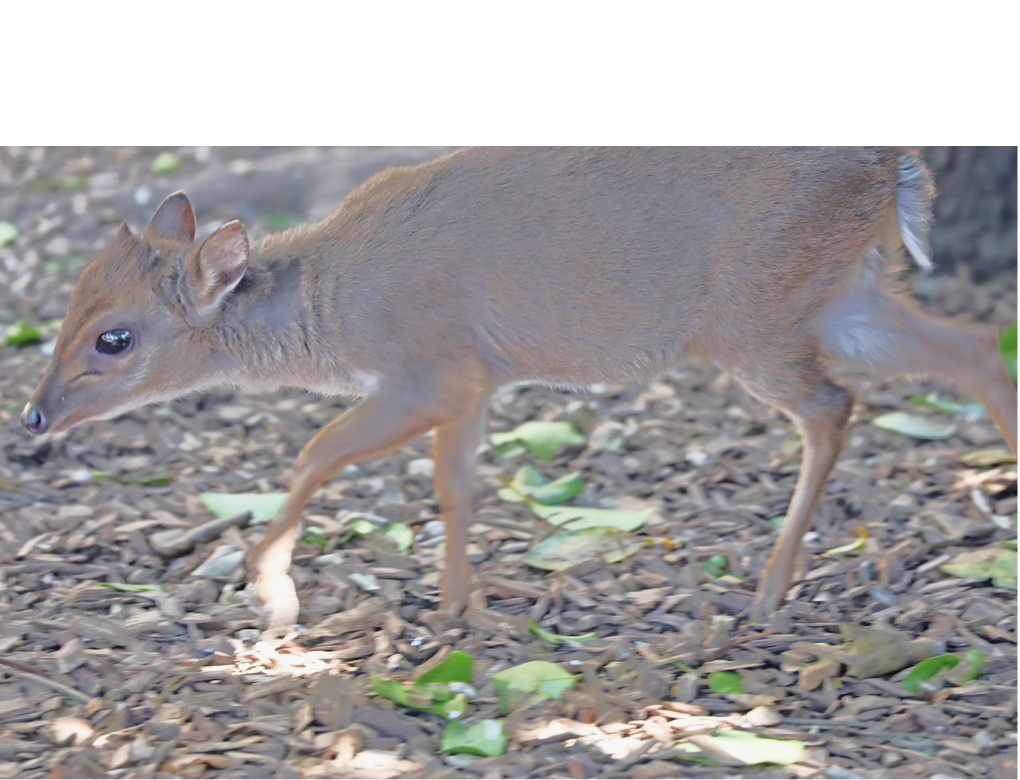
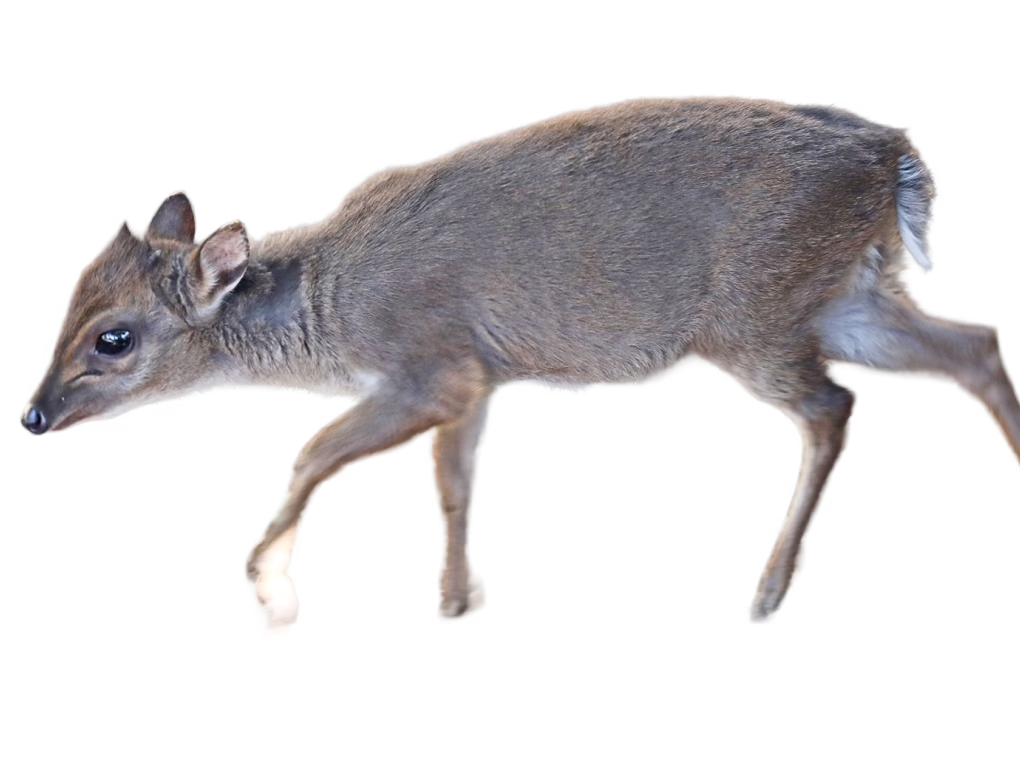
Blue duiker
Loại ít nguy cấpLà loài tê tê nhỏ nhất thế giới và là loài duiker nhỏ nhất, chúng đóng vai trò quan trọng trong hệ sinh thái rừng của chúng.
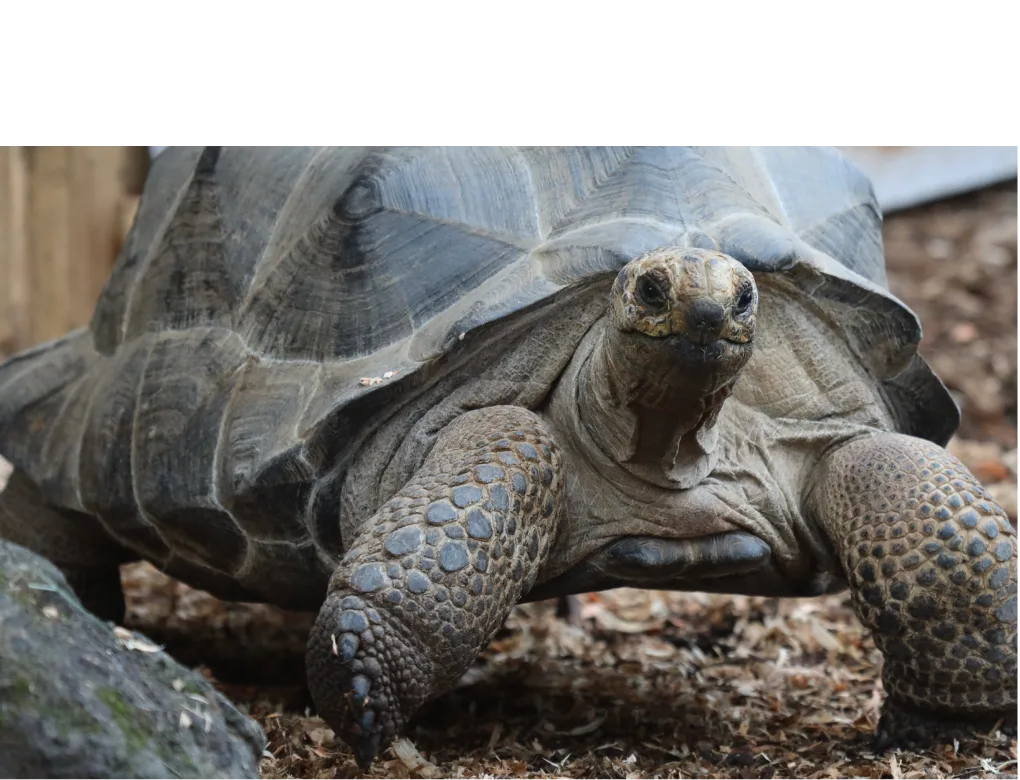
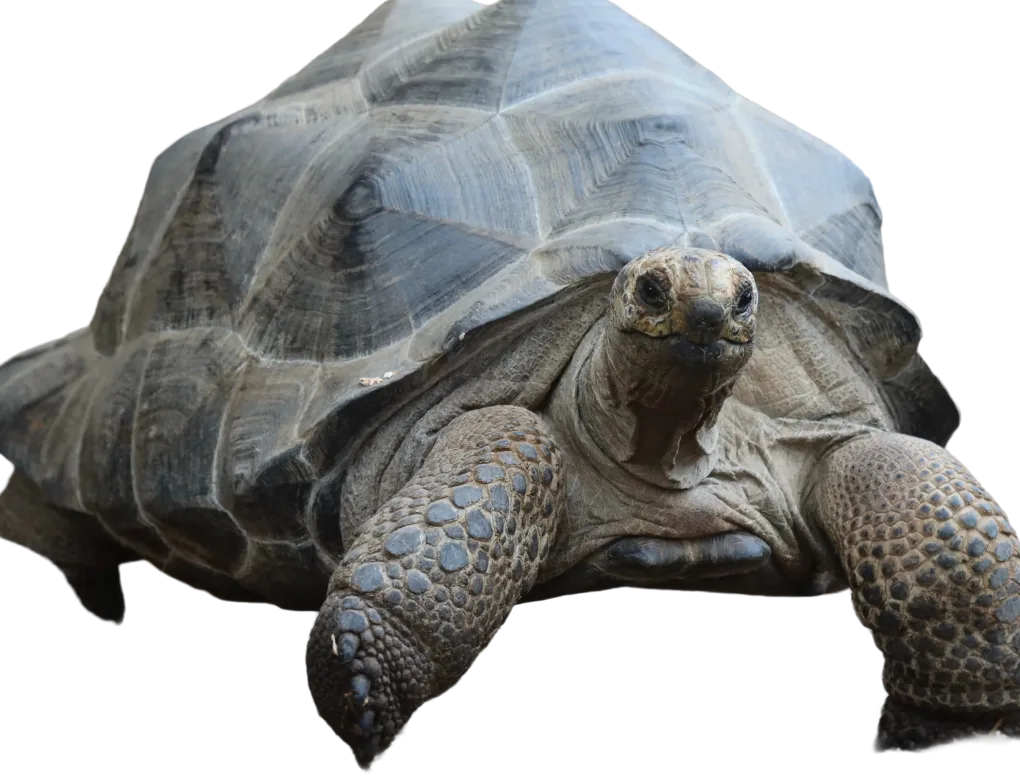
Cá sấu Aldabra
Dễ bị tổn thươngLà một trong những loài rùa đất lớn nhất và sống lâu nhất trên thế giới, một số loài được biết đến đã sống đến 170 năm!
Con tico toucan
Loại ít nguy cấpĐược biết đến với những chiếc vảy lớn và đầy màu sắc cùng với lối sống vui tươi, đây là loài cò lớn nhất trong số các loài cò.