




Tại vườn thú
Lipman Family Lemur Forest
Những sự kiện hấp dẫn
- Red-fronted brown lemurs are one of the only lemur species that isn’t led by a dominate female.
- They are important seed dispersal agents for several forest plant species.
- Lemur is Latin for “ghostlike”, because their faces are reminiscent of ghosts when peering through the forests in Madagascar.
- Until 2001, the red-fronted brown lemur was considered a subspecies of the common brown lemur.
Đặc điểm vật lý
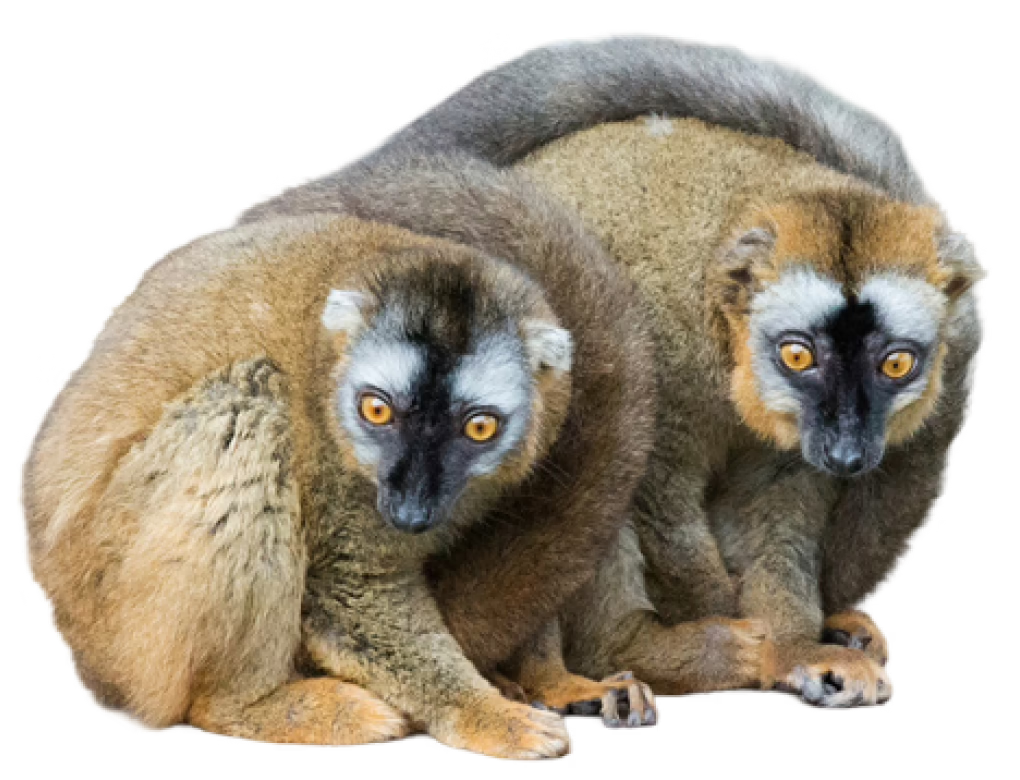
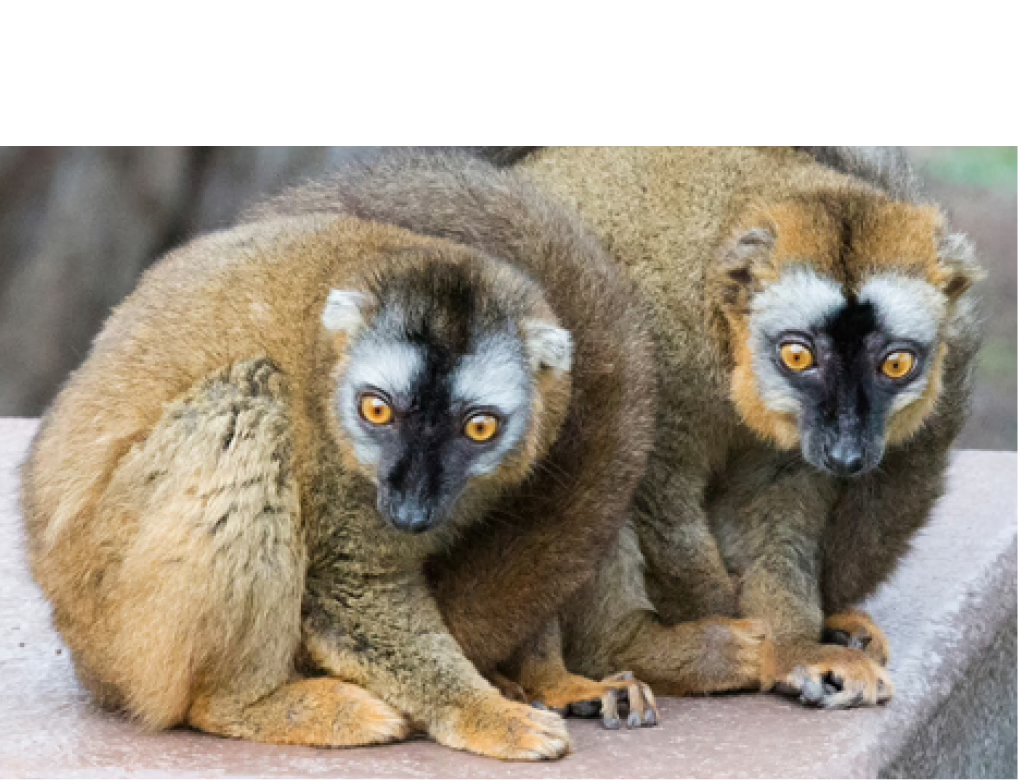
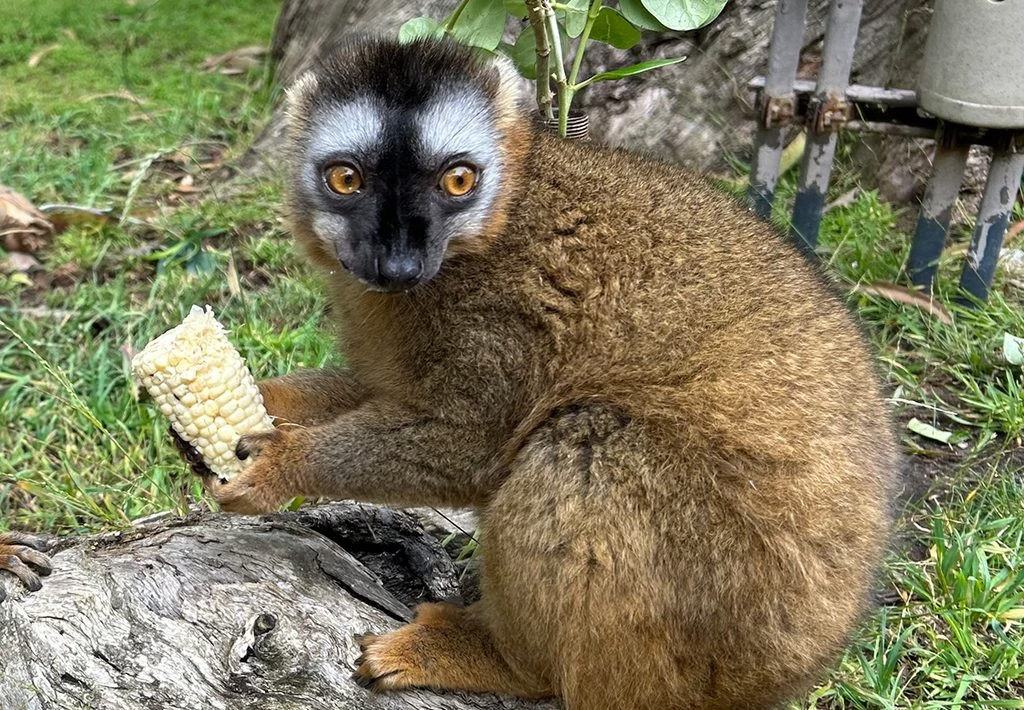
They are a medium size lemur with a long tail and a black face, muzzle and forehead. Like some other lemur species, red-fronted brown lemurs are sexually dichromatic. Males have grey-brown fur with a creamy grey belly and a reddish crown on their head. Females are reddish-brown with a grayish crown. Both genders have orange eyes with white patches of fur on their cheeks and above their eyes.
Lifespan is 20-25 years in the wild and a bit longer under human care.
Điều kiện sống
They are found in both western and eastern Madagascar. In the west they inhabit dry lowland forests, while in the east they are found in moist tropical forests. The western population has a smaller home range and higher population densities than the eastern population.
Chế độ ăn uống
Their diet consists of mostly fruit but they will also eat leaves, bark, flowers, sap, and insects.
Hành vi xã hội
Red-fronted lemurs are social species that live in mixed groups consisting of up to 18 individuals. Social behavior varies depending on the range, however.
In the west, one male is usually dominant over the females in the group. Mating occurs in May and June and a single young is born in September or October. Young are carried on the mother’s belly for the first month then move to her back. Males have been known to assist with care of young. At about six months the juveniles are independent and will be ejected from the group. Group size is about the same in the east but dominance is not strictly defined. Breeding occurs seasonally and births coincide when fruit is most available.
Groups in the west are primarily diurnal but will occasionally shift to nocturnal in the dry season. In the east, populations are generally diurnal with periods of rest throughout the day. Social bonds within both populations are established and reinforced by grooming. Like other lemurs, this species has a tooth comb formed from the lower six incisor teeth that is used for grooming.
Tình trạng trong tự nhiên
Red-fronted brown lemurs are listed as Vulnerable by the IUCN. Habitat loss is the primary threat for this species. In the west, forests are being cleared for pasture; while in the east, forests are lost due to slash-and-burn agriculture and charcoal production. They are also one of the most commonly hunted lemur species in Madagascar.
The red-fronted brown lemur is protected in several Madagascar parks and reserves and is not thought to be seriously threatened.
What can you do to help lemurs?
- Consider supporting conservation organizations working to save these magnificent animals.
- Spread the word about lemur conservation!
Bạn có biết không?
These lemurs are not nocturnal nor diurnal, they are cathemeral, which means what?
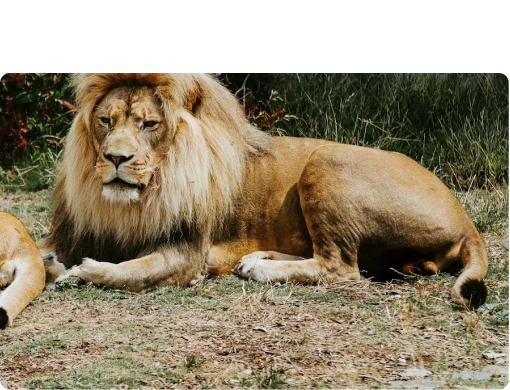
Con sư tử châu Phi
Dễ bị tổn thươngMột trong những loài động vật mang tính biểu tượng nhất trên Trái Đất, sư tử châu Phi là biểu tượng của sức mạnh, trí tuệ xã hội và vùng đất hoang dã của châu Phi.

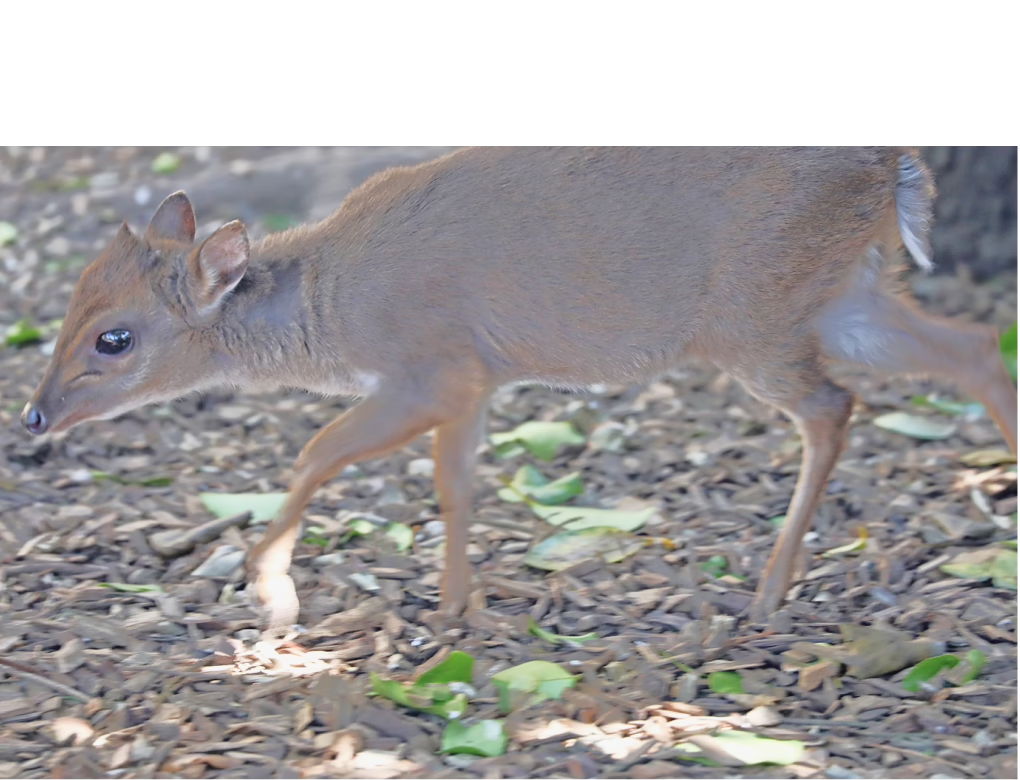
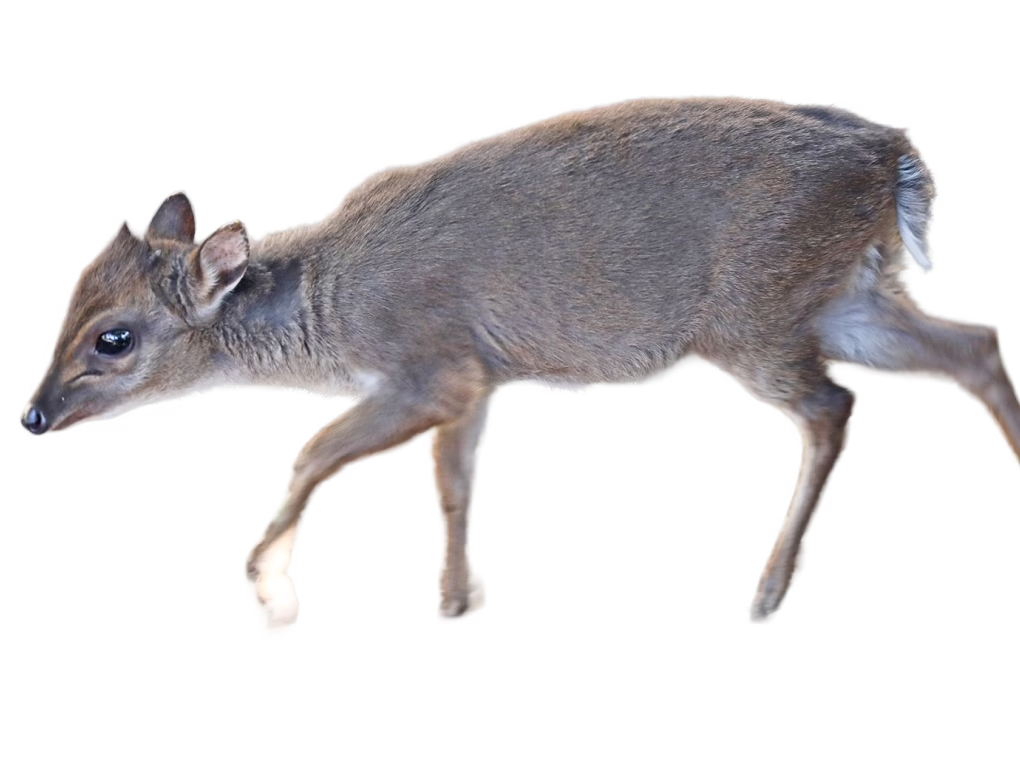
Blue duiker
Loại ít nguy cấpLà loài tê tê nhỏ nhất thế giới và là loài duiker nhỏ nhất, chúng đóng vai trò quan trọng trong hệ sinh thái rừng của chúng.
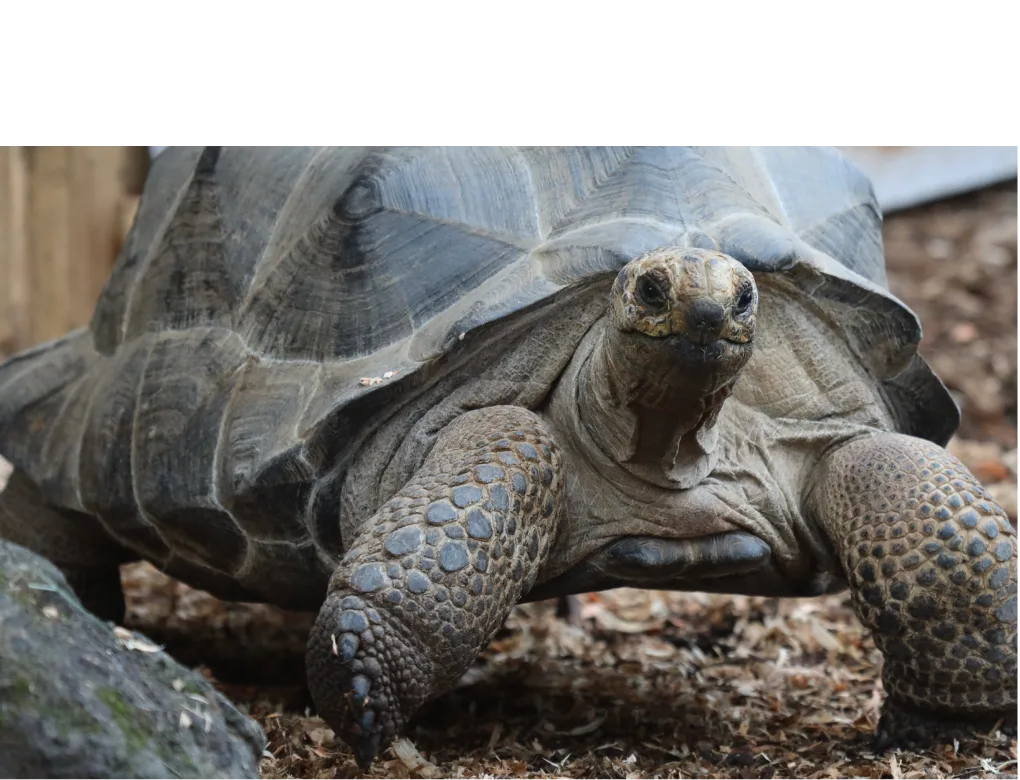
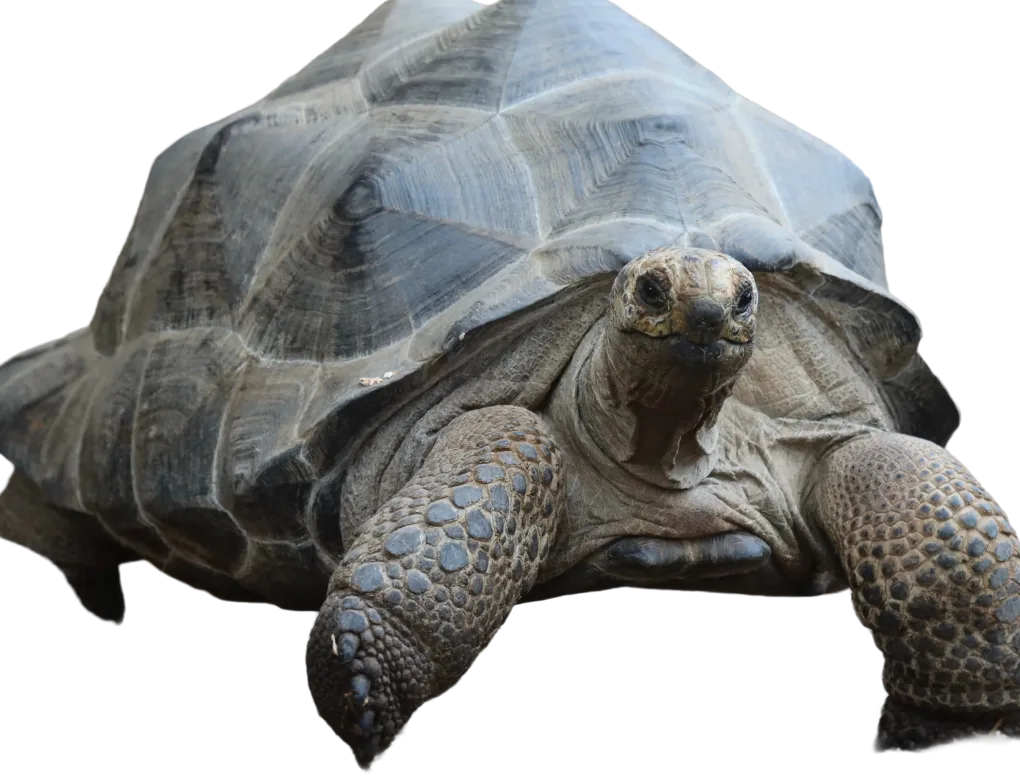
Cá sấu Aldabra
Dễ bị tổn thươngLà một trong những loài rùa đất lớn nhất và sống lâu nhất trên thế giới, một số loài được biết đến đã sống đến 170 năm!
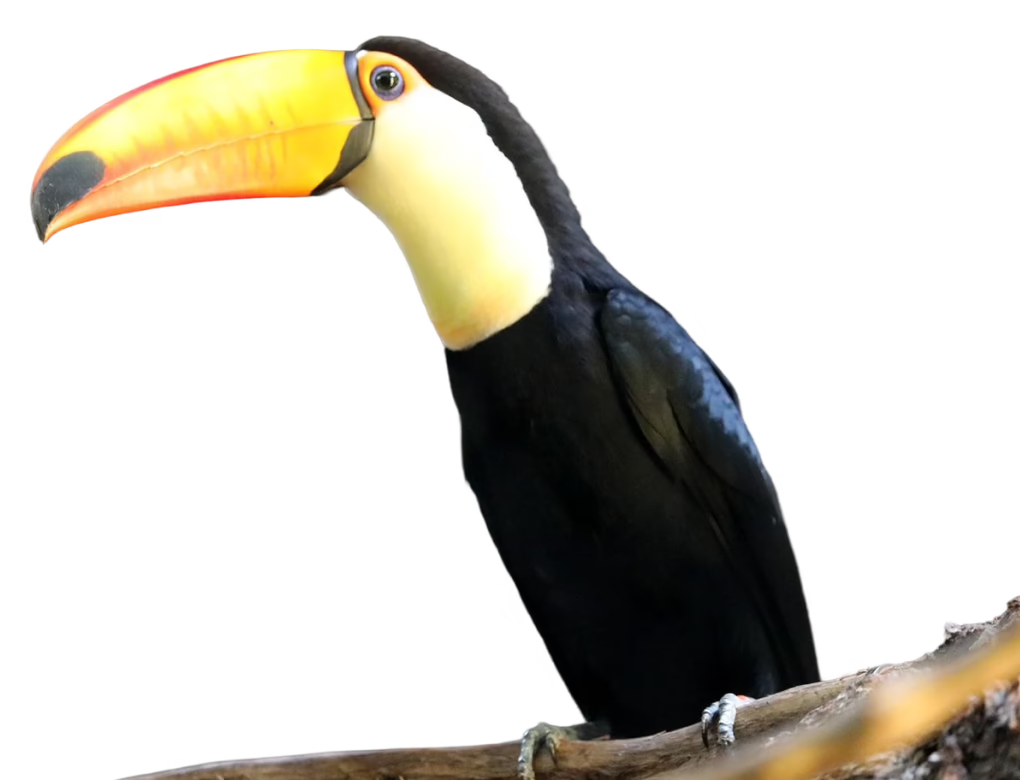
Con tico toucan
Loại ít nguy cấpĐược biết đến với những chiếc vảy lớn và đầy màu sắc cùng với lối sống vui tươi, đây là loài cò lớn nhất trong số các loài cò.
Hãy nhận nuôi một con vật mà bạn yêu quý trong khi tận hưởng những lợi ích độc quyền.