




Tại vườn thú
Koret Animal Rescue and Conservation Center (ARC)
Những sự thật hấp dẫn
- Red-fronted macaws help to maintain their ecosystem by pollinating while feeding, as well as dispersing seeds that have passed through their digestive systems. Scientists have observed flock members engaging in several types of play, including pecking, beak wrestling and fencing, bouncing on branches and tossing objects.
Đặc điểm vật lý
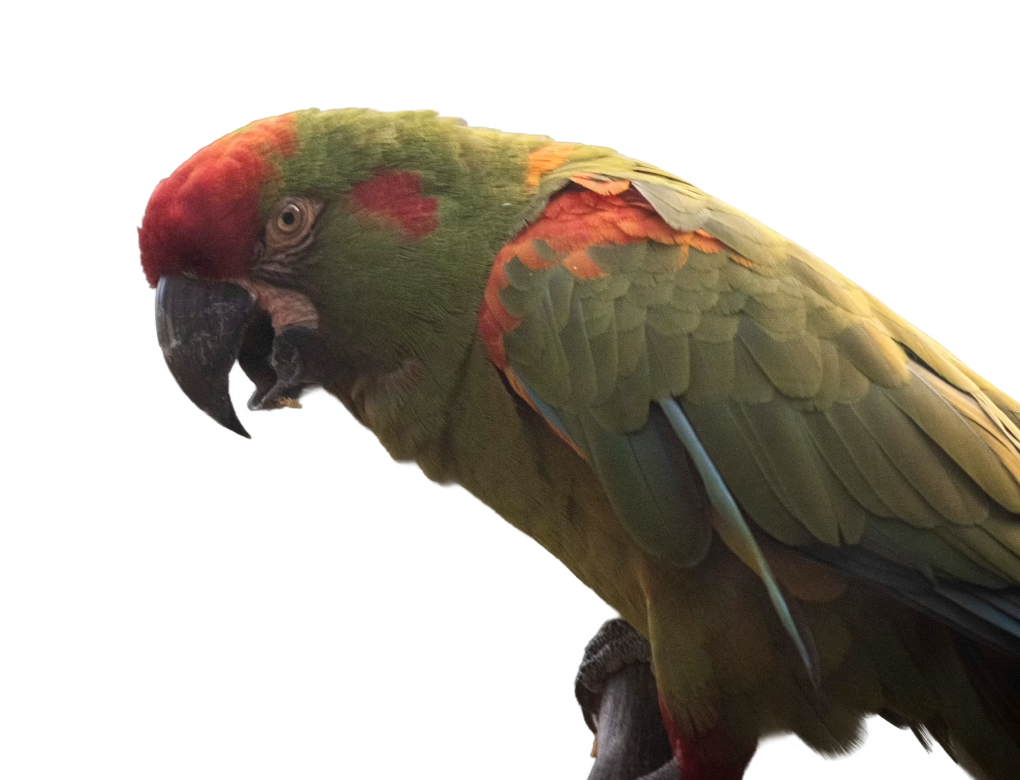
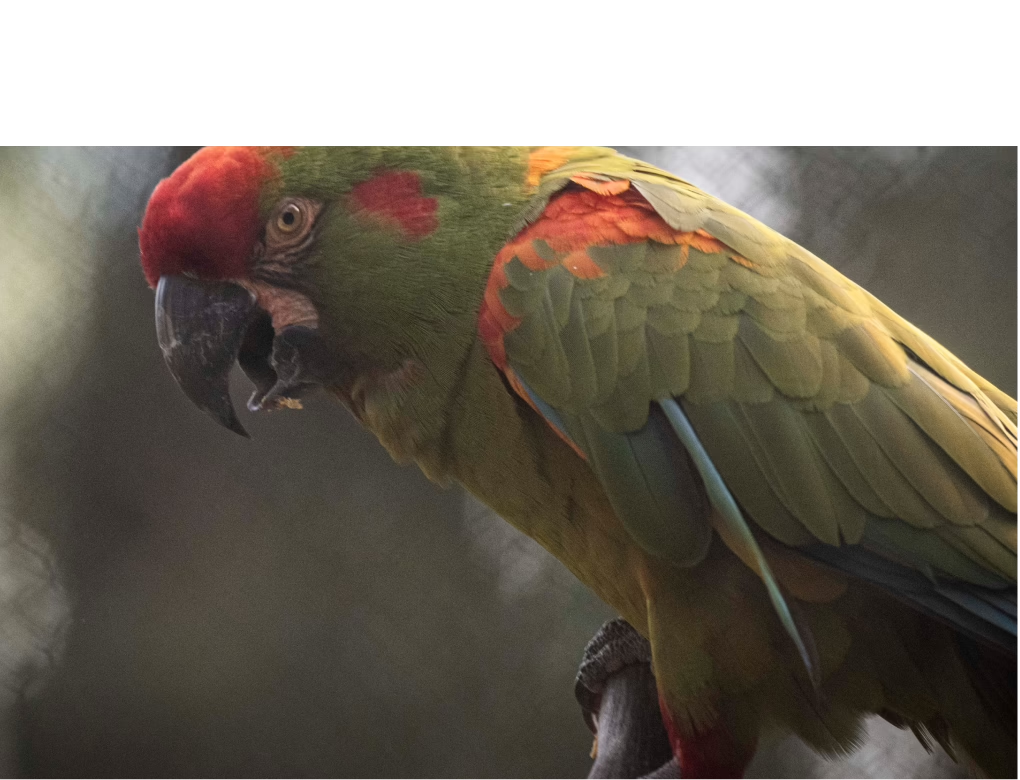
Red-fronted macaws are one of the smaller macaw species, weighing between 15 – 19 ounces, with an average length of 24 inches and wingspan of approximately 32 inches. They are mostly green, with a red forehead, patches behind the eyes, shoulders and thighs. They have some turquoise flight and tail feathers. Males and females are similar in appearance.
Môi trường sống/Thức ăn
They are found in arid mountainous scrub forests.
>They feed on cacti, grasses, fruits, and nuts. They will also eat planted crops if available, such as corn.
Hành vi xã hội
Red-fronted macaws maintain monogamous pair bonds year-round. They will perform allopreening to reinforce these pair bonds. Breeding takes place from October – March and nests are made in a cavity on a cliff face. Between 1- 3 eggs are laid, and then incubated for 26 days. The chicks fledge after 73 days. Both parents help to raise the chicks and the juveniles will stay with the flock after fledging. Flocks are made up of 2 – 30 birds and will forage and roost together, including resting during the midday heat. They communicate via vocalizations, with a softer call used between individuals and a louder alarm call to warn of predators. They stay local and do not migrate. They can live up to 50 years.
Tình trạng trong tự nhiên
Red-fronted macaws are found in Central Bolivia.
>IUCN – Đang bị đe dọa nghiêm trọng
Khác
Threats to red-fronted macaws include habitat destruction and degradation, the pet trade, and being considered a “pest” species by farmers, as they will eat crops planted in their habitat. As of the last assessment by the IUCN in 2021, there are fewer than 300 mature individuals left in the wild.
Bạn có biết không?
Con sư tử có thể ngủ bao nhiêu giờ mỗi ngày?
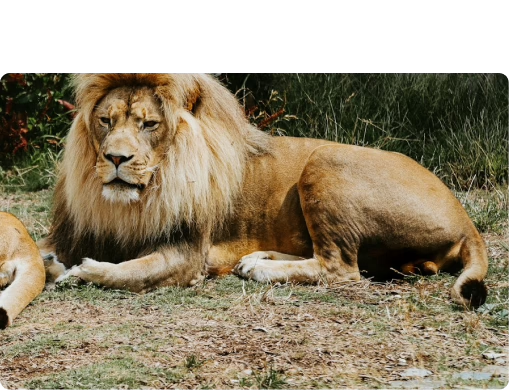
Con sư tử châu Phi
Dễ bị tổn thươngMột trong những loài động vật mang tính biểu tượng nhất trên Trái Đất, sư tử châu Phi là biểu tượng của sức mạnh, trí tuệ xã hội và vùng đất hoang dã của châu Phi.

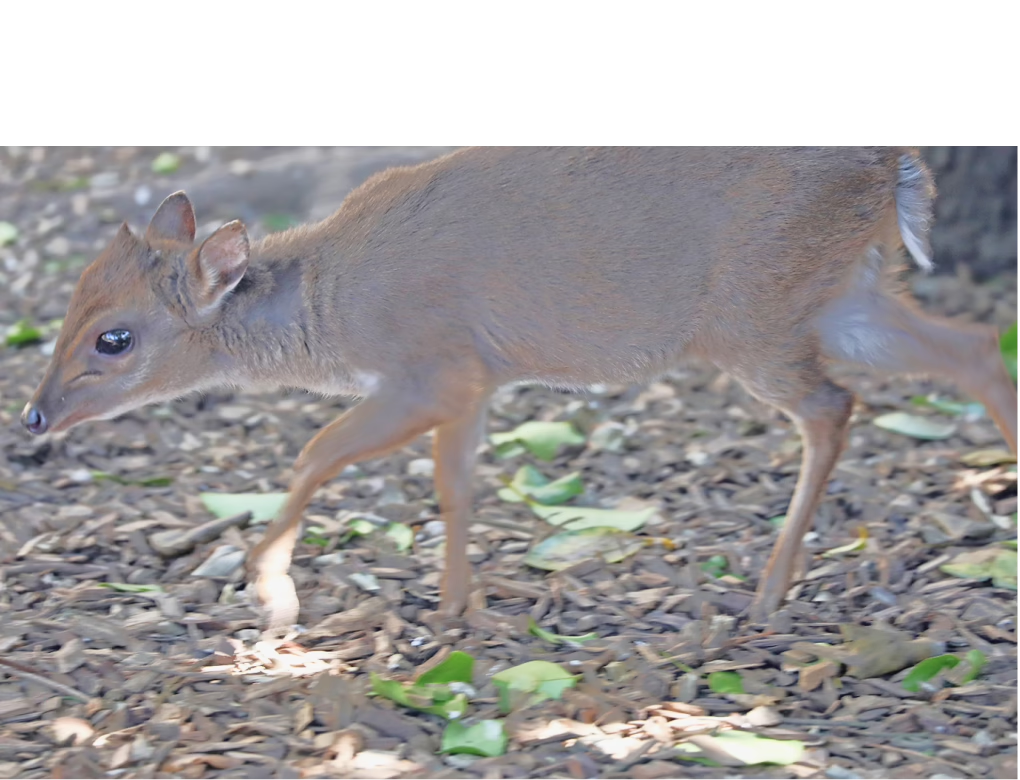
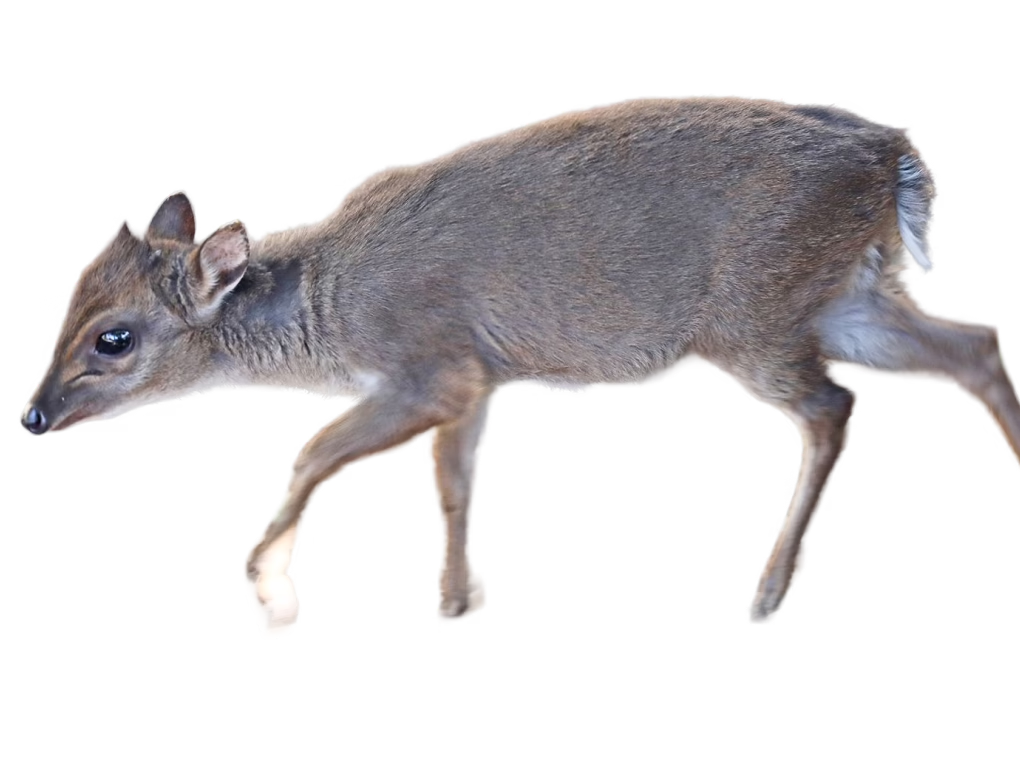
Blue duiker
Loại ít nguy cấpLà loài tê tê nhỏ nhất thế giới và là loài duiker nhỏ nhất, chúng đóng vai trò quan trọng trong hệ sinh thái rừng của chúng.
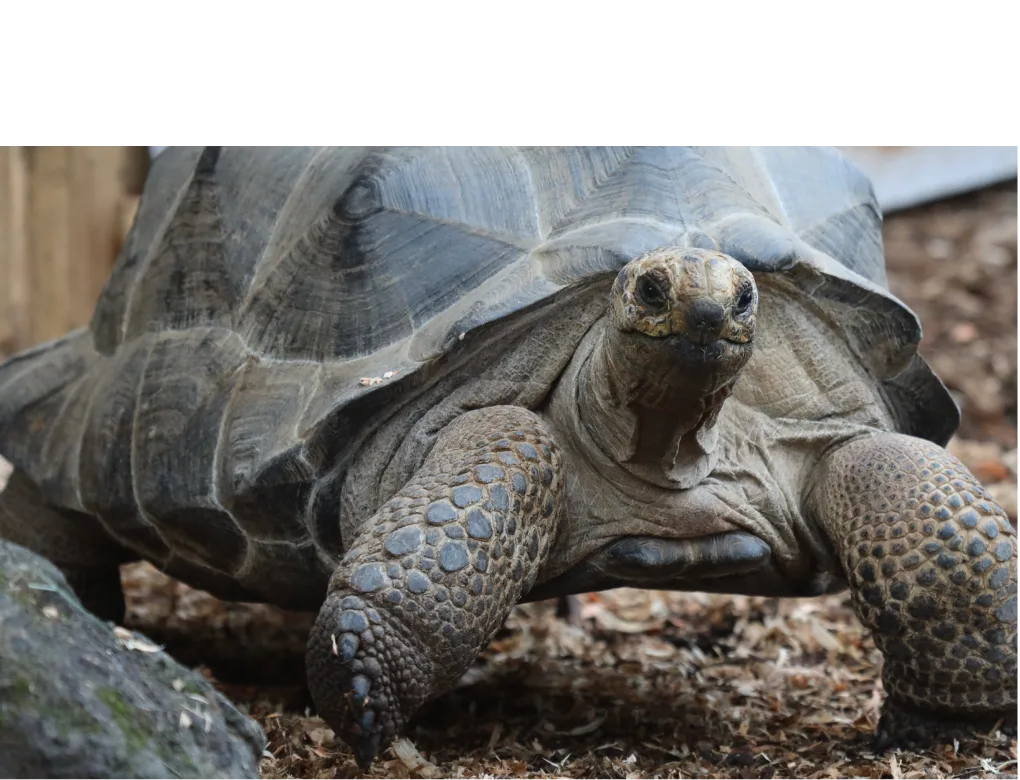
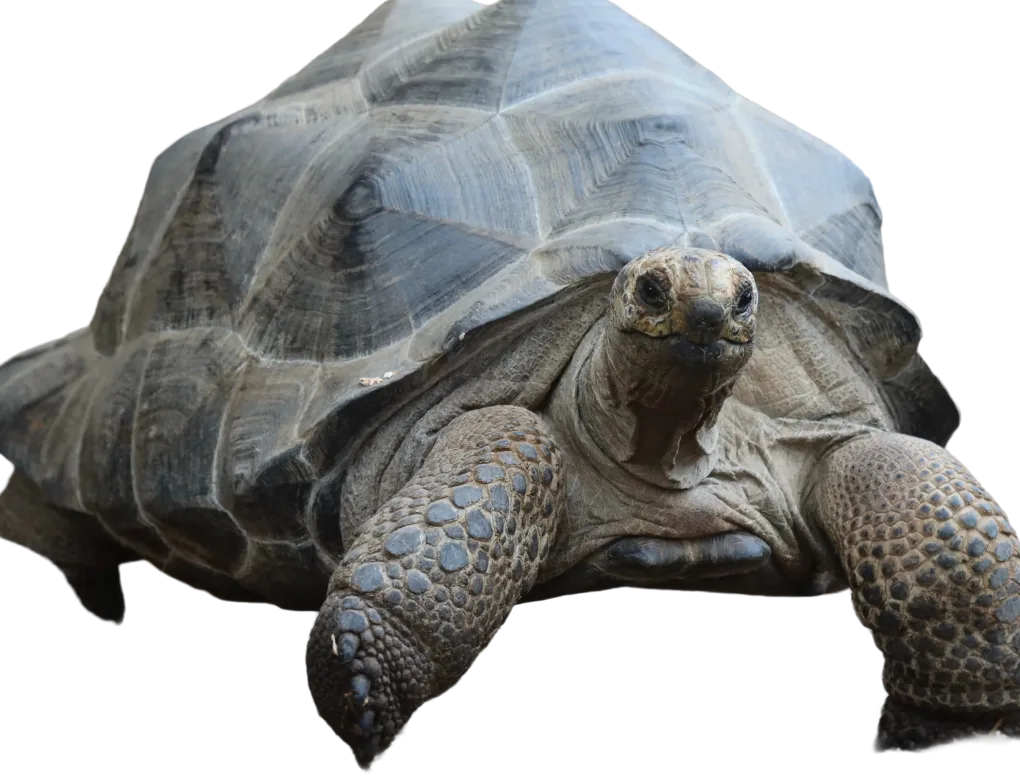
Cá sấu Aldabra
Dễ bị tổn thươngLà một trong những loài rùa đất lớn nhất và sống lâu nhất trên thế giới, một số loài được biết đến đã sống đến 170 năm!
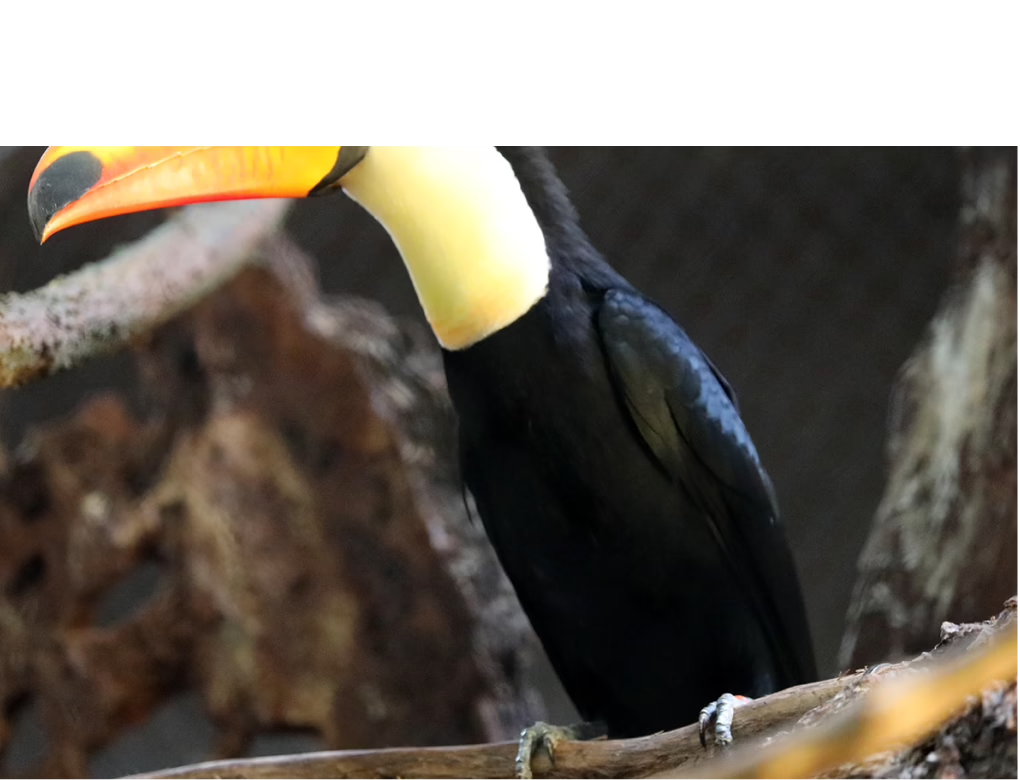
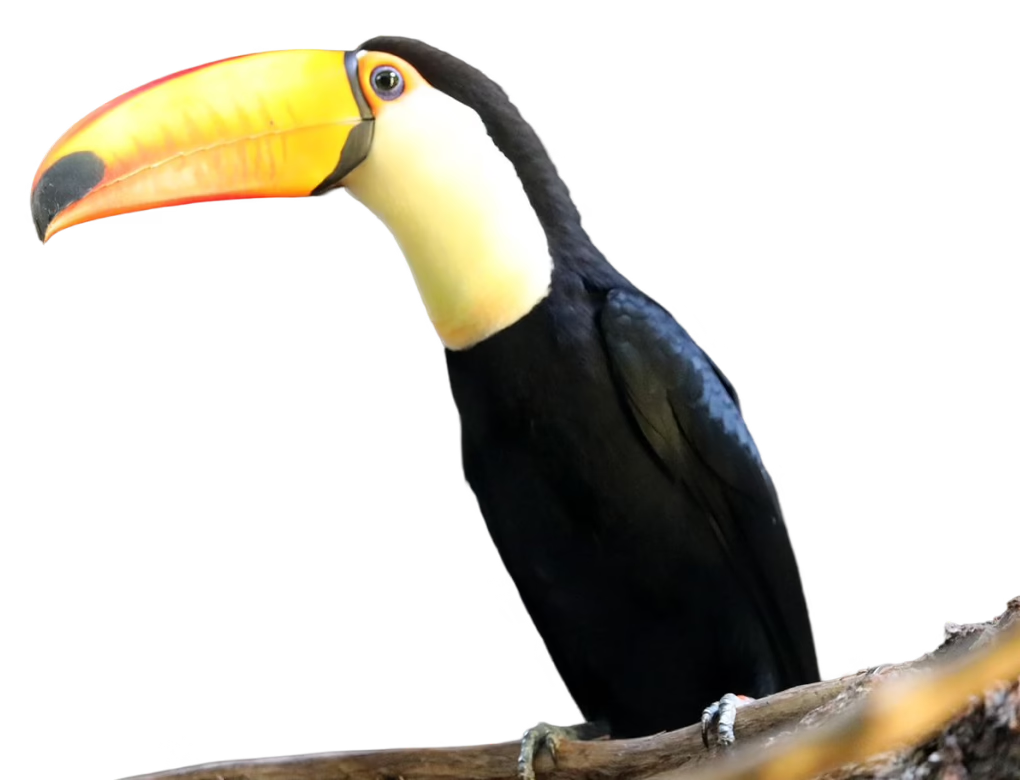
Con tico toucan
Loại ít nguy cấpĐược biết đến với những chiếc vảy lớn và đầy màu sắc cùng với lối sống vui tươi, đây là loài cò lớn nhất trong số các loài cò.
Hãy nhận nuôi một con vật mà bạn yêu quý trong khi tận hưởng những lợi ích độc quyền.