




Tại vườn thú
Red Panda Treehouse, Exploration Zone
Những sự thật hấp dẫn
- Red pandas are more closely related to raccoons than they are to Giant pandas.
- Their scientific name means “fire-colored cat” and they are also called “firefox.”
- Their primary non-human predator is the snow leopard.
Đặc điểm vật lý
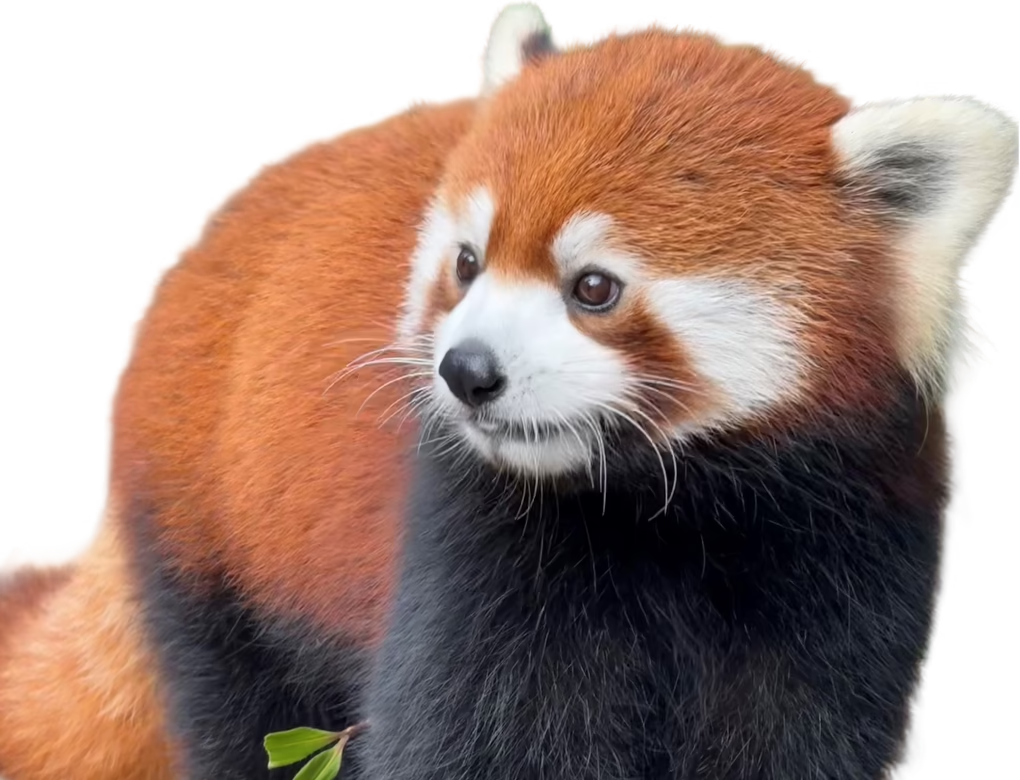
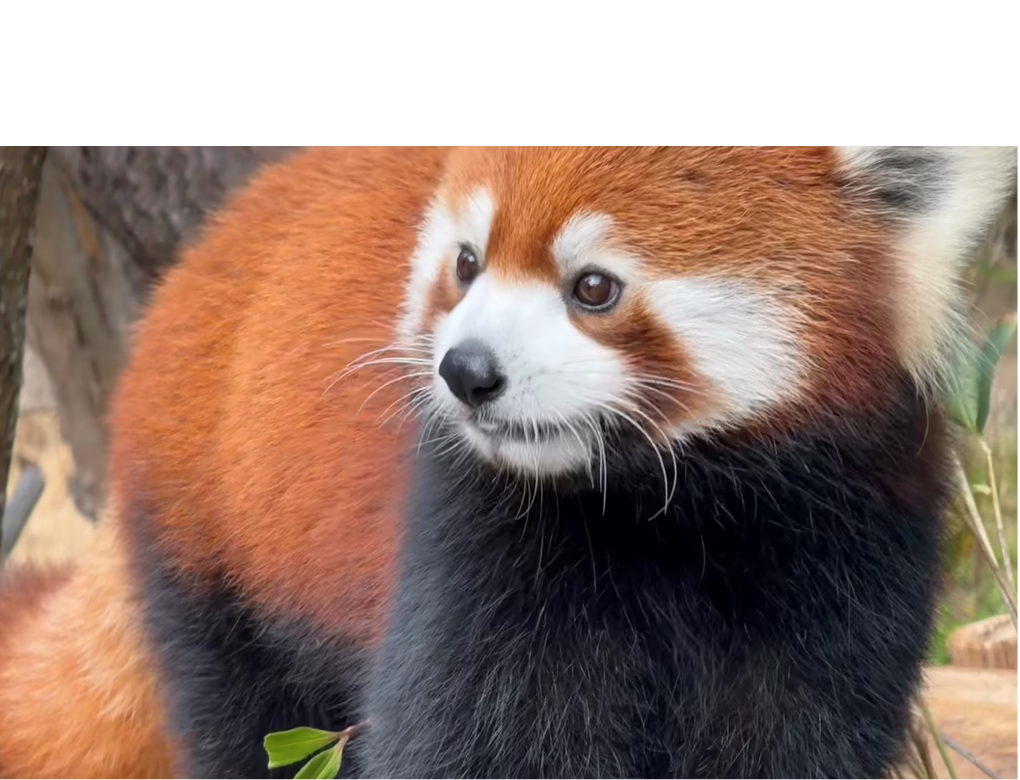
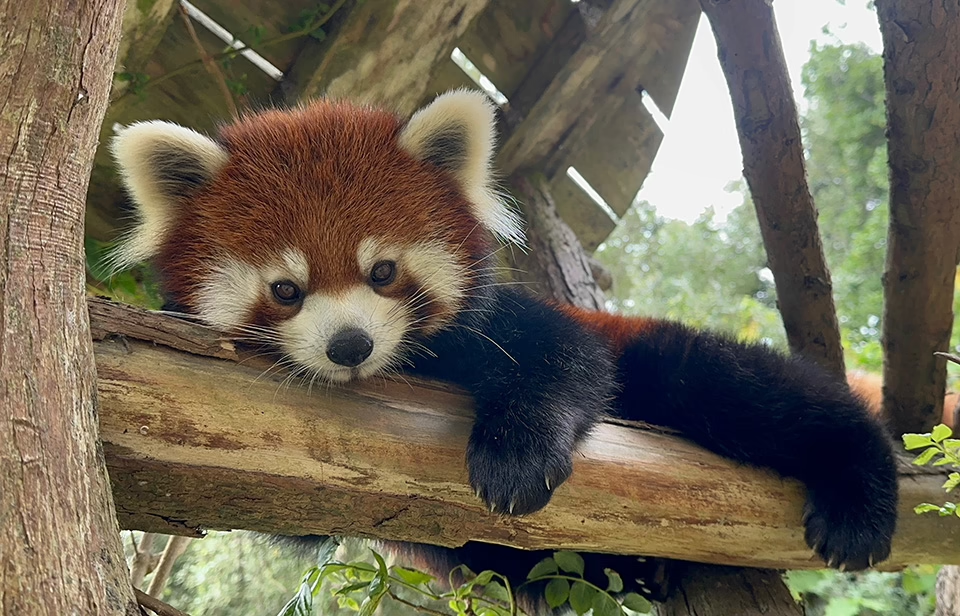
Red pandas have a thick coat of fur that keeps them warm and provides camouflage in lichen-covered vegetation. They have reddish-brown upper parts, blackish bellies and limbs and a pale face and ears. Their non-prehensile tail is marked with red and cream rings and helps them balance while climbing. Like giant pandas, red pandas have a special bone in their wrist, which acts as a thumb and allows them to grasp bamboo.
>Lifespan is about 8 years in the wild and up to 10 under human care.
Điều kiện sống
Red pandas are found in mountain forests in parts of China, Bhutan, Nepal, Myanmar, and India.
Chế độ ăn uống
They feed mainly on young leaves and shoots of bamboo, but will also eat roots, fruits, eggs or small reptiles when available. At the Zoo, they eat bamboo and primate chow.
Hành vi xã hội
Red pandas are solitary except females with young. They have a slow metabolism due to their mainly folivorous diet and are most active at dawn and dusk.
They have a slow reproduction rate, breeding only once a year. Breeding season usually occurs between January and March. One to four cubs are born after a gestation period of approximately 135 days. Females build several nests in hallow trees or rock crevices and will move young frequently. Cubs are independent after about one year.
Red pandas are territorial and use scent, urine and communal latrines to mark their range. They are generally quiet animals but will use some whistling vocalizations. Head bobbing and tail arching are also used to communicate.
Tình trạng trong tự nhiên
Red pandas are listed as vulnerable by the IUCN. Major threats include habitat destruction and fragmentation due to farming, logging and human development. In parts of its range poaching and inbreeding are significant threats as well. In China, red pandas live in several protected reserves created for giant pandas but more action is needed.
What can you do to help red pandas?
- Consider supporting conservation organizations, like Red Panda Network và SAFE Red Panda, working to save this incredible species and its habitat.
- Spread the word about red panda conservation!
Bạn có biết không?
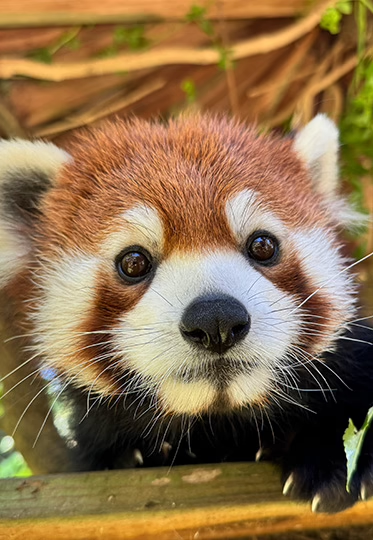
When threatened, what do red pandas do?
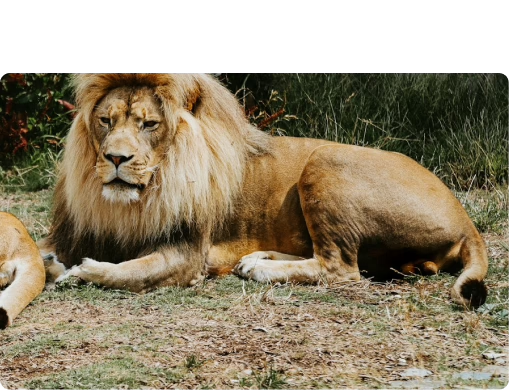
Con sư tử châu Phi
Dễ bị tổn thươngMột trong những loài động vật mang tính biểu tượng nhất trên Trái Đất, sư tử châu Phi là biểu tượng của sức mạnh, trí tuệ xã hội và vùng đất hoang dã của châu Phi.
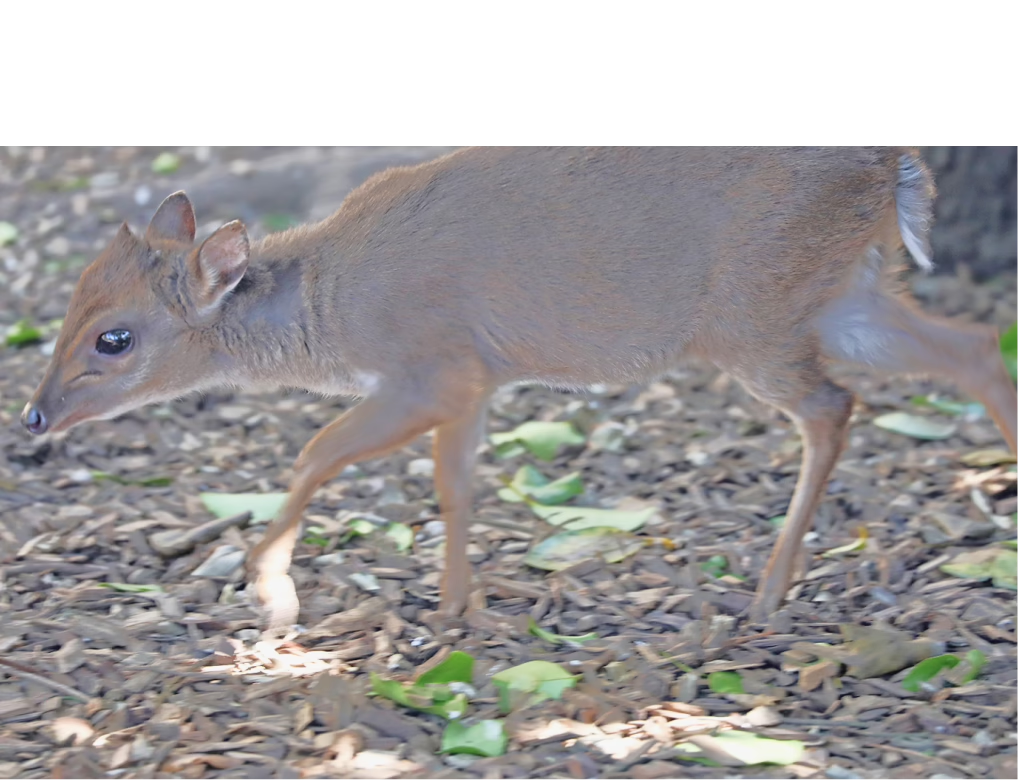
Blue duiker
Loại ít nguy cấpLà loài tê tê nhỏ nhất thế giới và là loài duiker nhỏ nhất, chúng đóng vai trò quan trọng trong hệ sinh thái rừng của chúng.
Cá sấu Aldabra
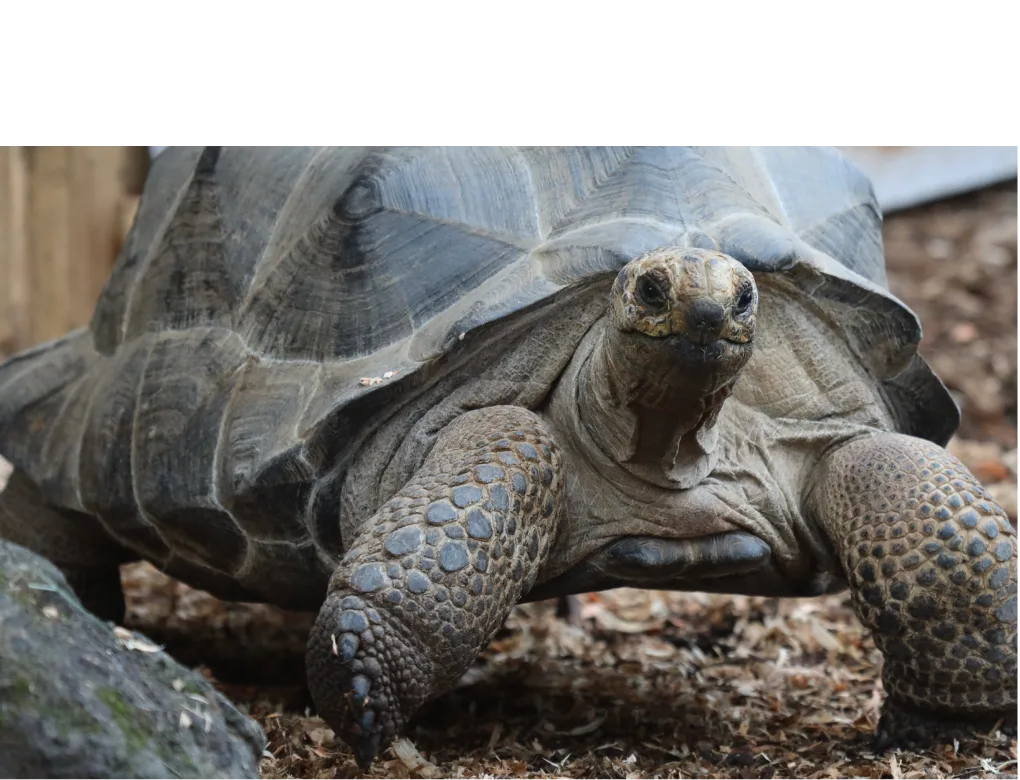
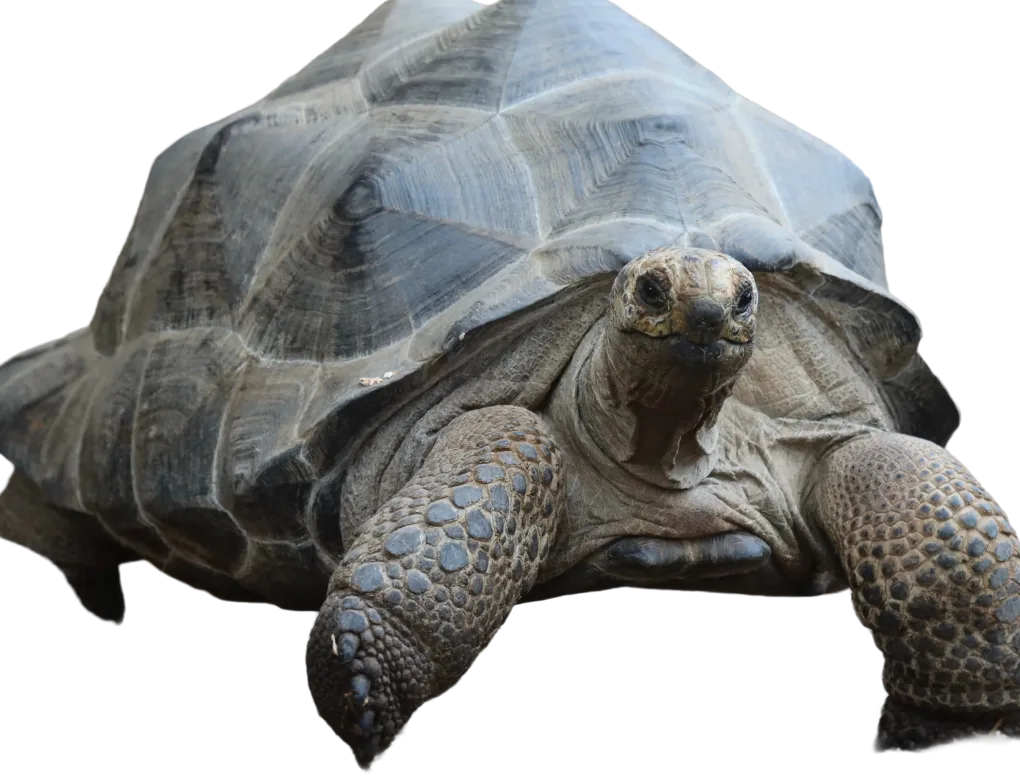
Dễ bị tổn thươngLà một trong những loài rùa đất lớn nhất và sống lâu nhất trên thế giới, một số loài được biết đến đã sống đến 170 năm!
Con tico toucan
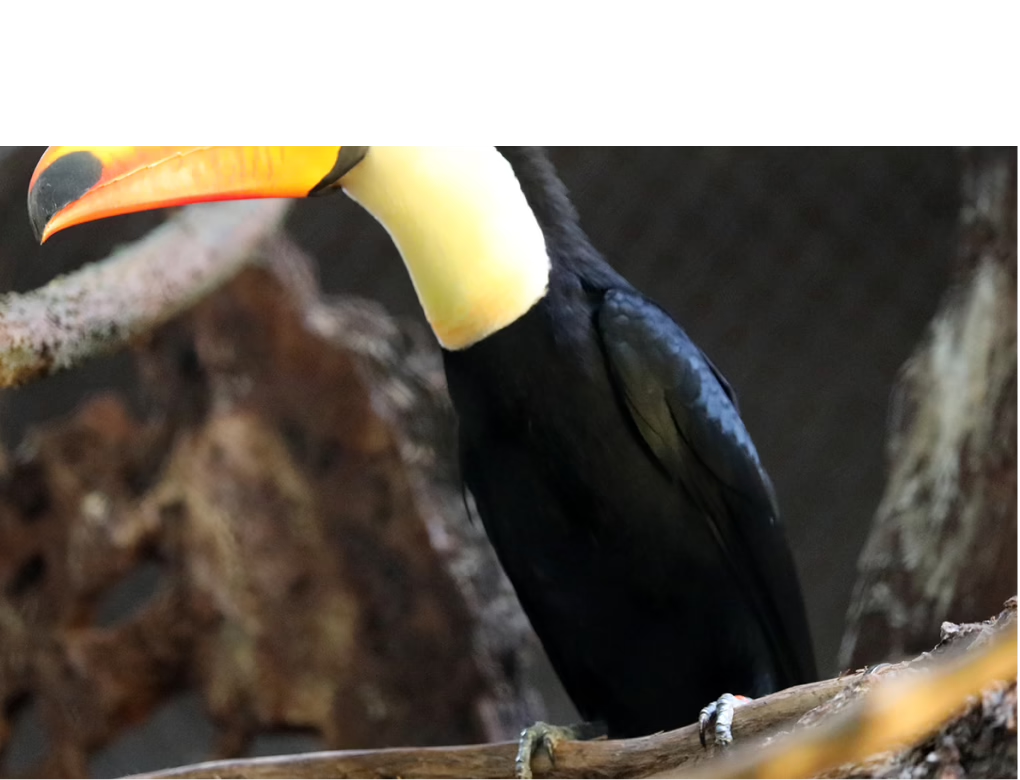
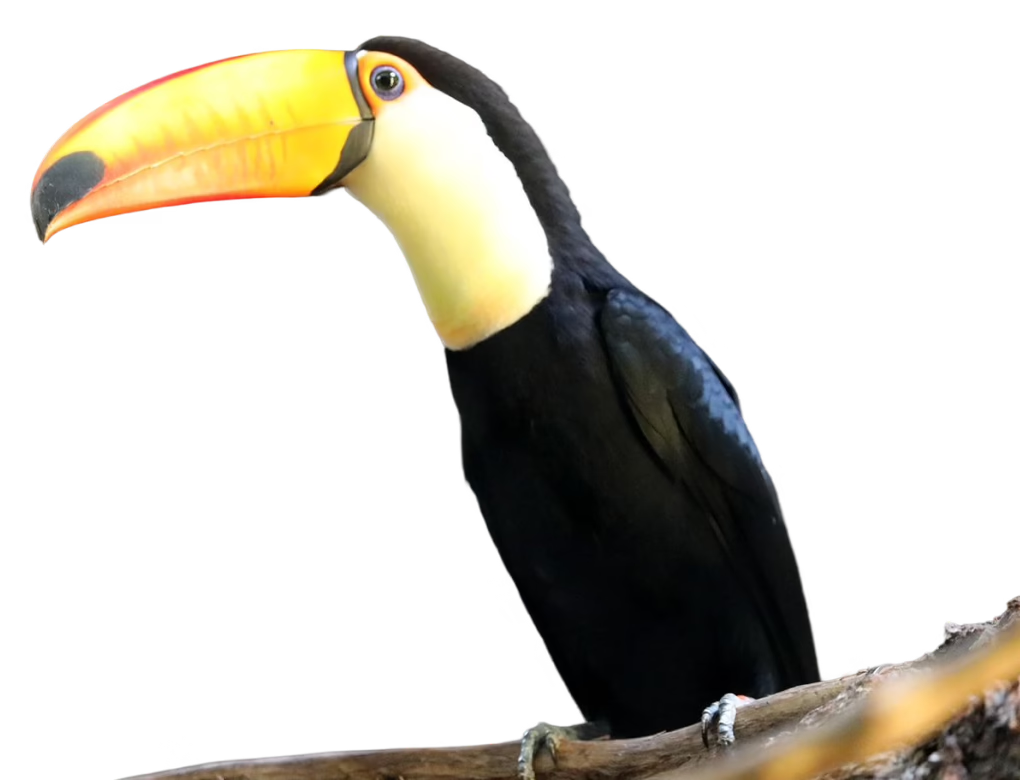
Loại ít nguy cấpĐược biết đến với những chiếc vảy lớn và đầy màu sắc cùng với lối sống vui tươi, đây là loài cò lớn nhất trong số các loài cò.
Hãy nhận nuôi một con vật mà bạn yêu quý trong khi tận hưởng những lợi ích độc quyền.