


En el Zoo
Asian Zone – across from Bear Country
Datos fascinantes
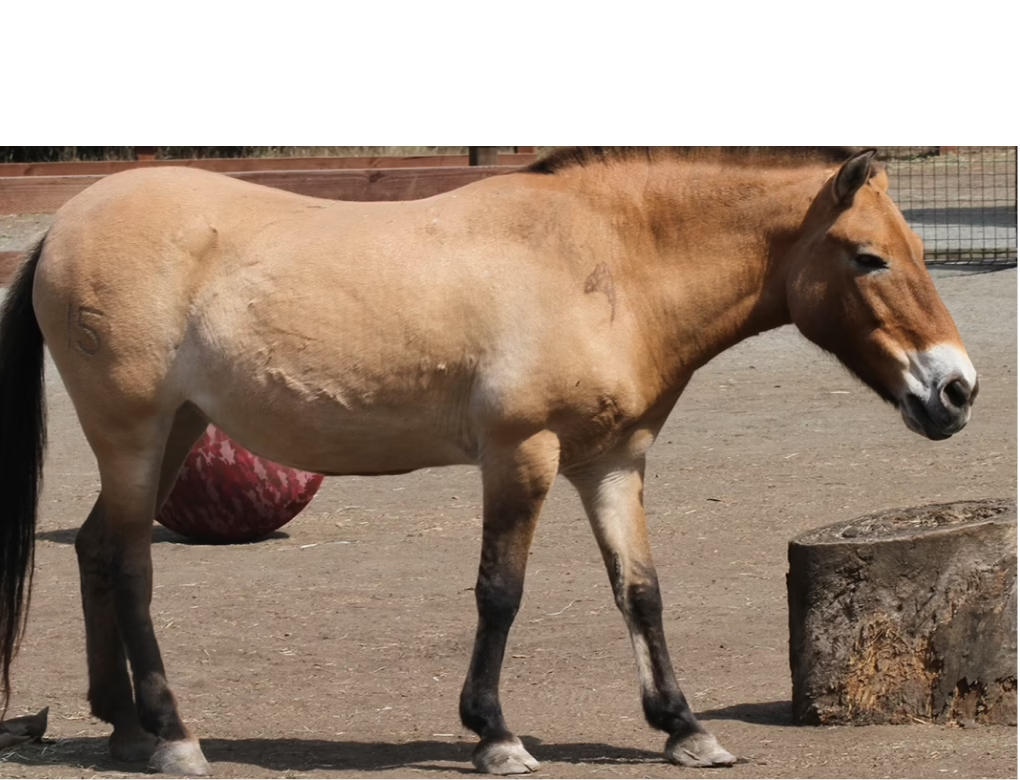
- One of the most remarkable comeback stories is that of Przewalski’s horse (pronounced SHUL-VAAL-SKEE), an endangered wild horse species native to Mongolia which in 1969 was listed as extinct in the wild. Today, this rare equine’s population has made a significant recovery, thanks to coordinated captive breeding and conservation efforts by accredited zoos and global organizations, and the successful reintroduction of the species to national parks in Mongolia and China.
- They are known as the last truly wild horse, as they have never been domesticated. In the Mongolian language, they are called “takhi,” which means spirit as they are much revered, and also known as the Mongolian wild horse.
- They are commonly referred to as “P” horses.
Características físicas
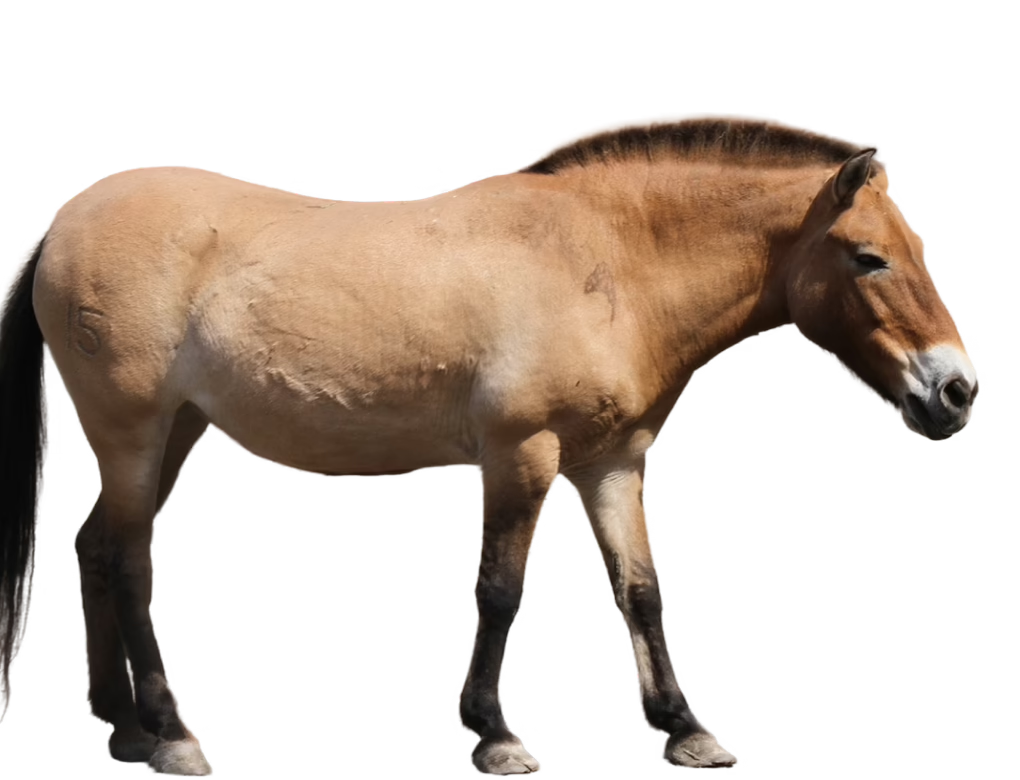
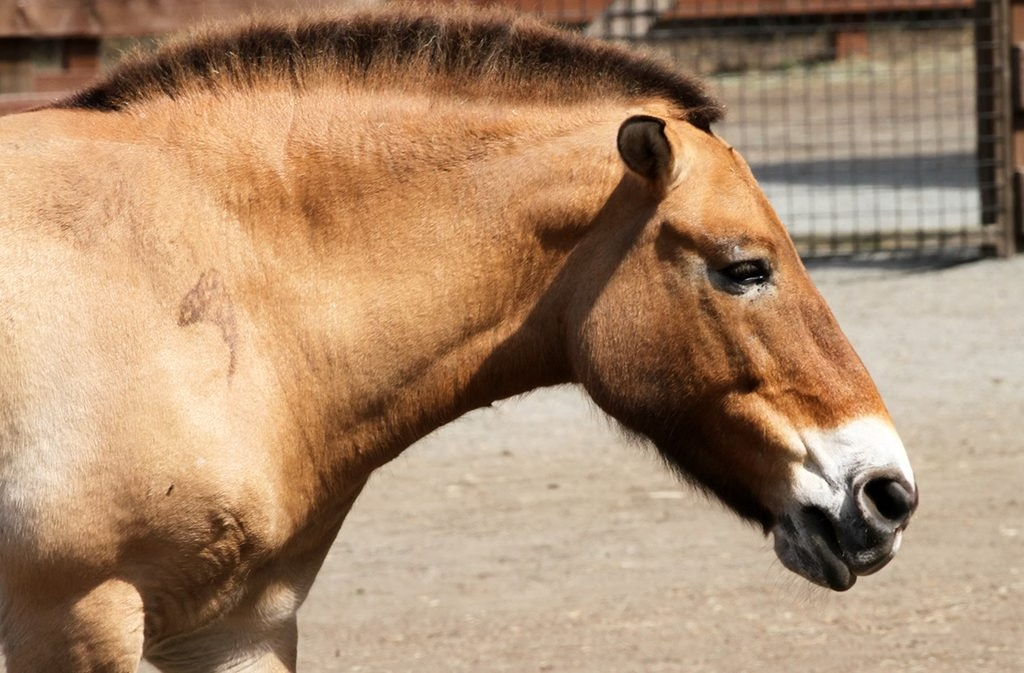
Przewalski’s horses are smaller than most horse species, and can be identified by their reddish-brown coat, stocky body, large head and thick neck with a dark upright mane and a dark stripe that runs down their back. They can weigh between 550 to 800 lbs.
Life expectancy is 20 to 25 years in the wild and 30 years or more under human care.
Hábitat
Considered the Eurasian steppe, made up of open grasslands, shrublands and semi-arid deserts.
Dieta
As herbivores, they feed primarily on grass and vegetation, eating what is available seasonally – true grasses in the spring and summer, and desert shrubs, willow bark, twigs and reeds in the fall and winter.
Rango
They once ranged from eastern Europe through western Russia, Kazakhstan, Mongolia, and northern China, but today, wild horses are mostly found in the Gobi Desert and the steppes of Mongolia.
Comportamiento social
Przewalski’s horses live in structured groups, either as a family group with a dominant harem male, along with several adult females and offspring. They also live in what is known as bachelor bands, comprised of young stallions who live together until they are mature enough to challenge a harem stallion or form their own herd.
They mate from April to July, with females maturing around 2 to 3 years old. Males will not breed until they are 4 to 5 years old. Pregnancy last 11 – 12 months and usually a single foal is born.
Situación en la naturaleza
IUCN – Endangered
Classified as critically endangered until 2011, they were downgraded due to its self-sustaining wild population.
¿Sabías algo?
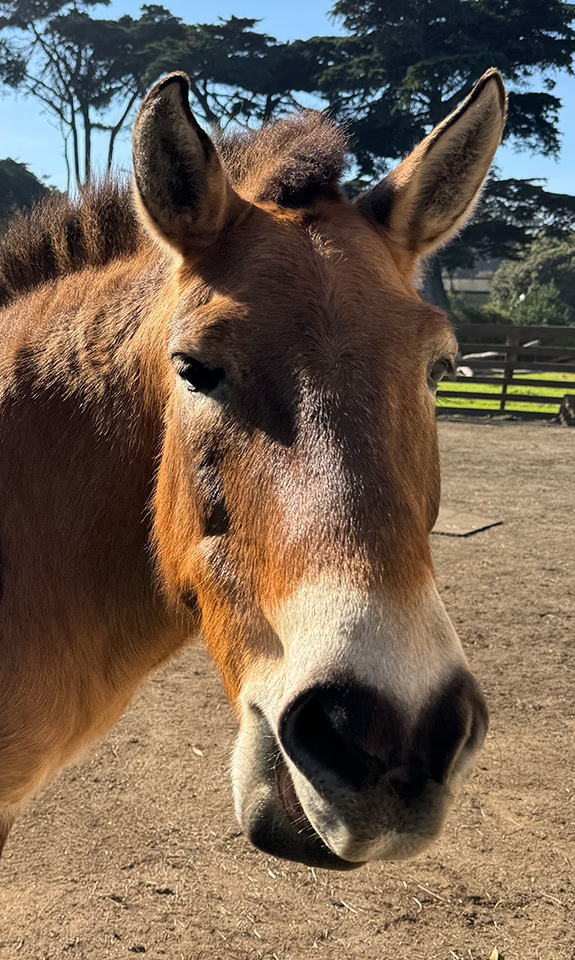
How many hands high is this species?
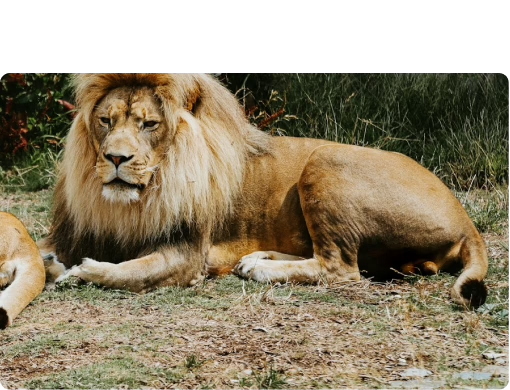
León africano
VulnerableUno de los animales más emblemáticos de la Tierra, el león africano es un símbolo de fuerza, inteligencia social y la África salvaje.
Duque azul
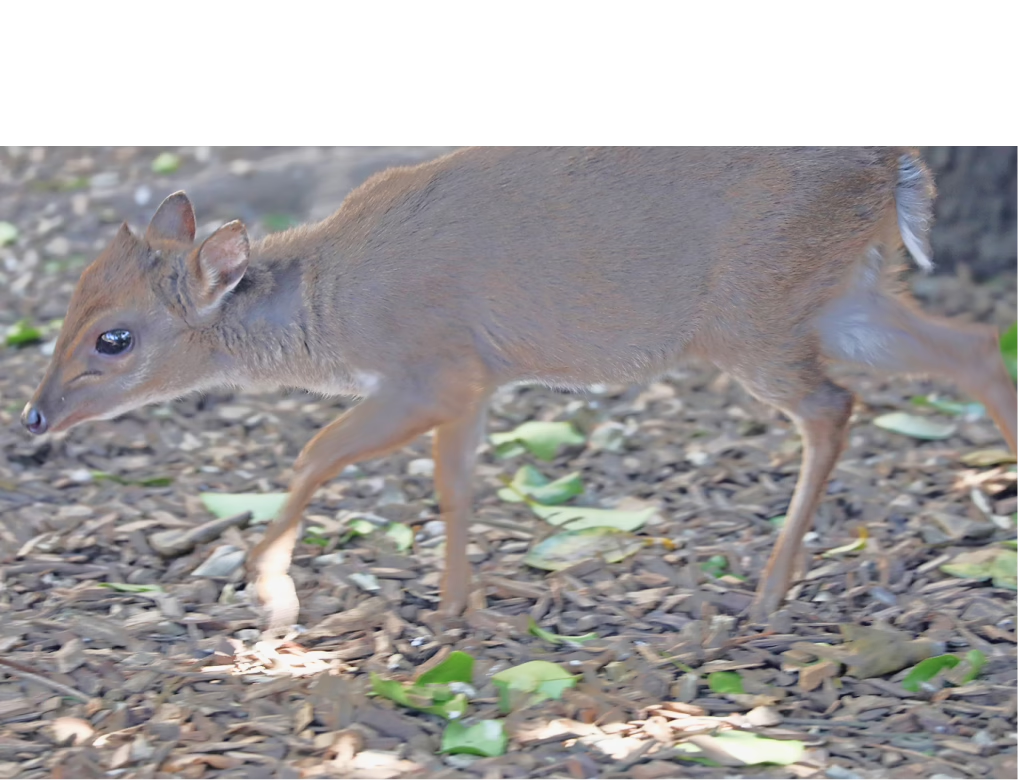
Preocupación menorAl ser la especie de antílope más pequeña del mundo y el duiker más pequeño, desempeñan un papel importante en el ecosistema forestal en el que viven.
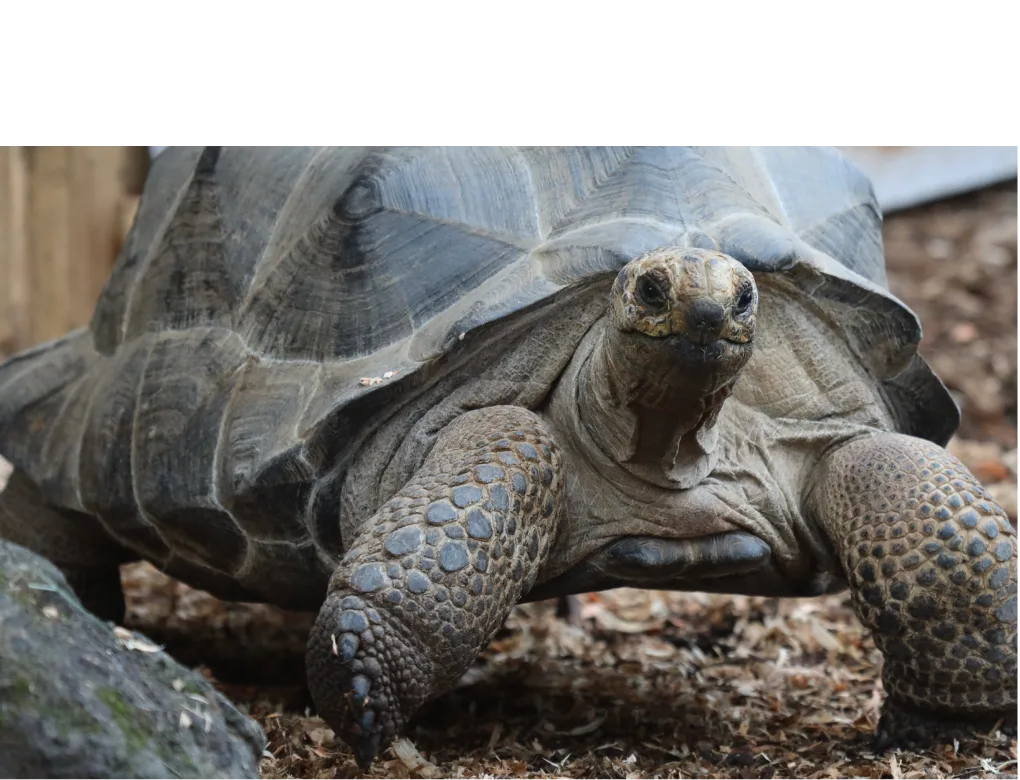
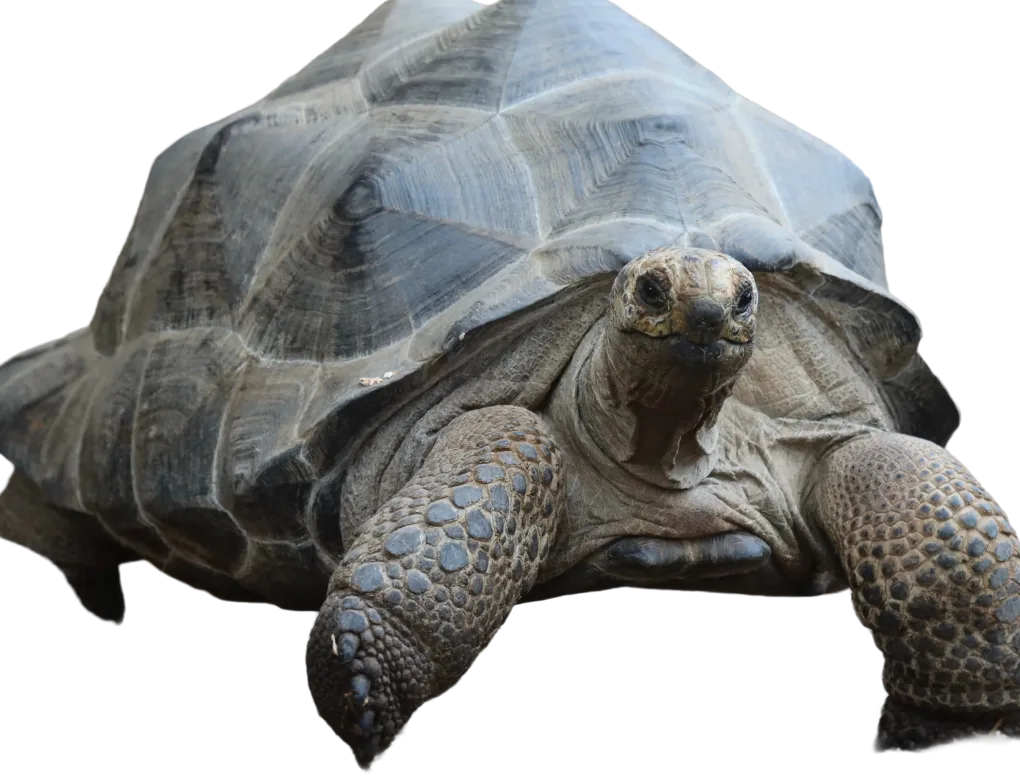
Tortuga de Aldabra
Vulnerable¡Como una de las tortugas terrestres más grandes y longevas del mundo, se sabe que algunas han vivido hasta 170 años!
Tucán toco
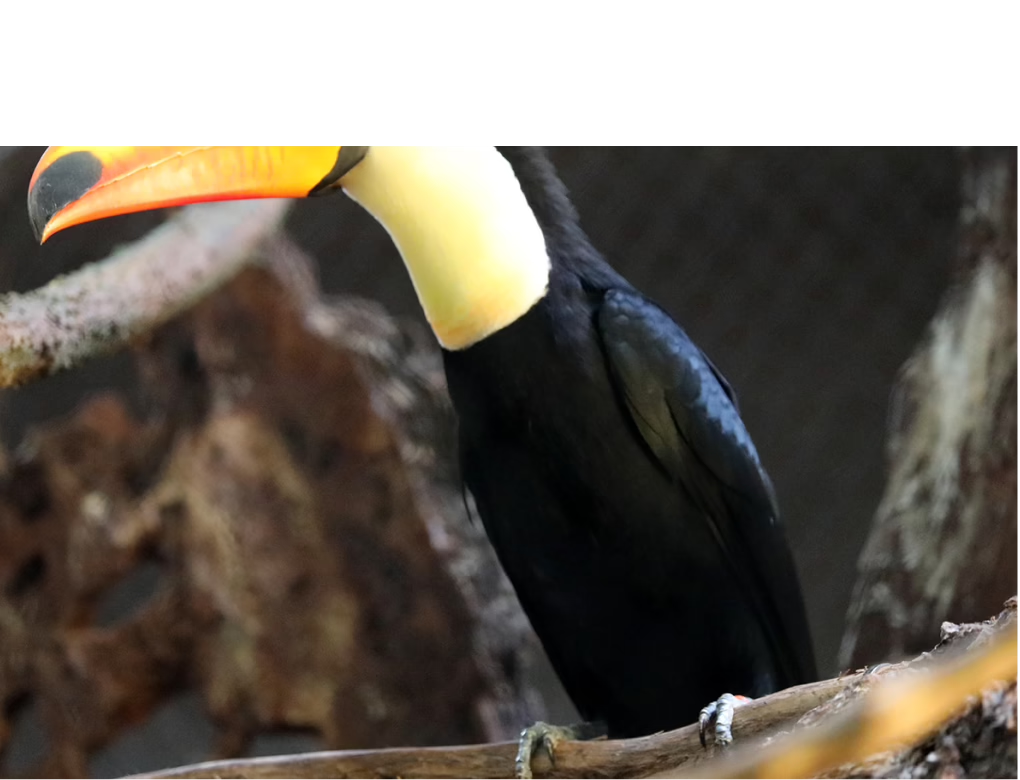
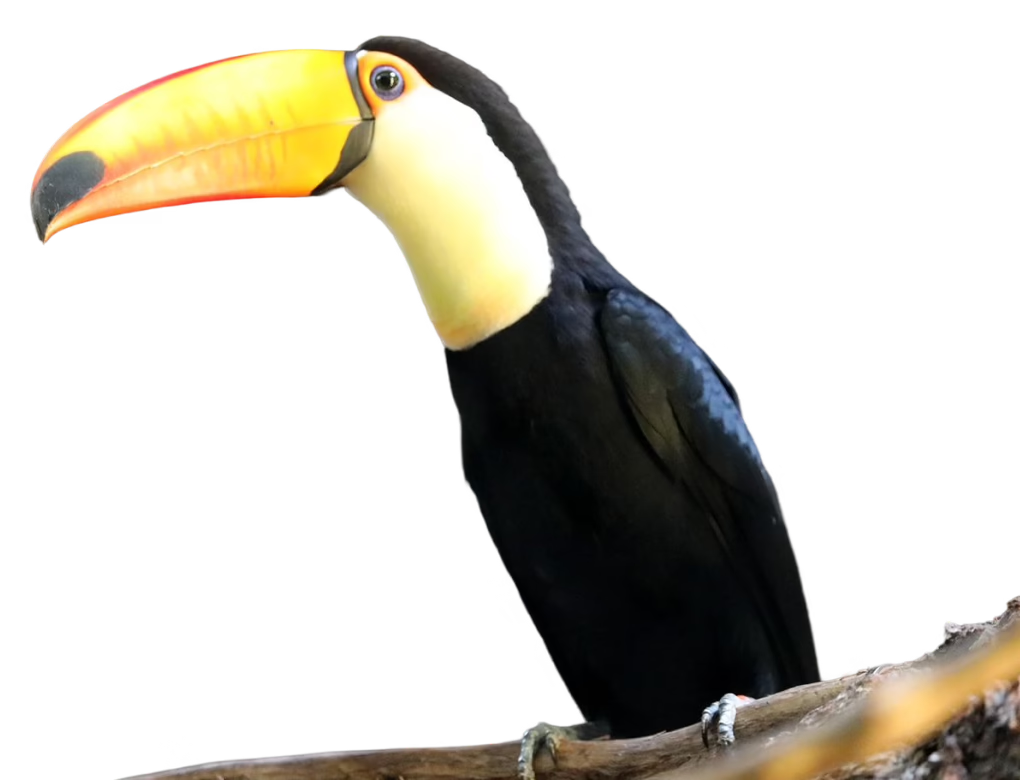
Preocupación menorConocido por su pico grande y colorido y su comportamiento juguetón, es la especie más grande de los tucanes.