




En el Zoo
Bosque tropical tropical y aviario de Sudamérica
Fascinantes hechos
- Emerald tree boas were given the scientific name “caninus” due to their dog-like appearance in profile.
- Emerald tree boas have large heat sensors with which they can sense infrared radiation and detect prey.
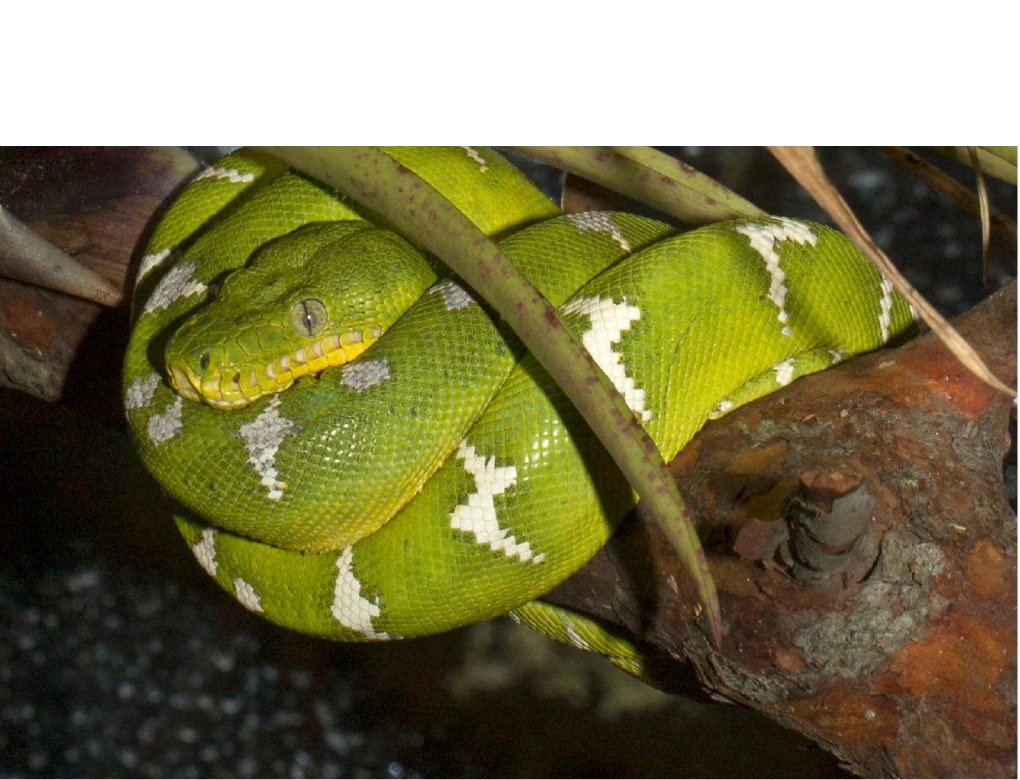
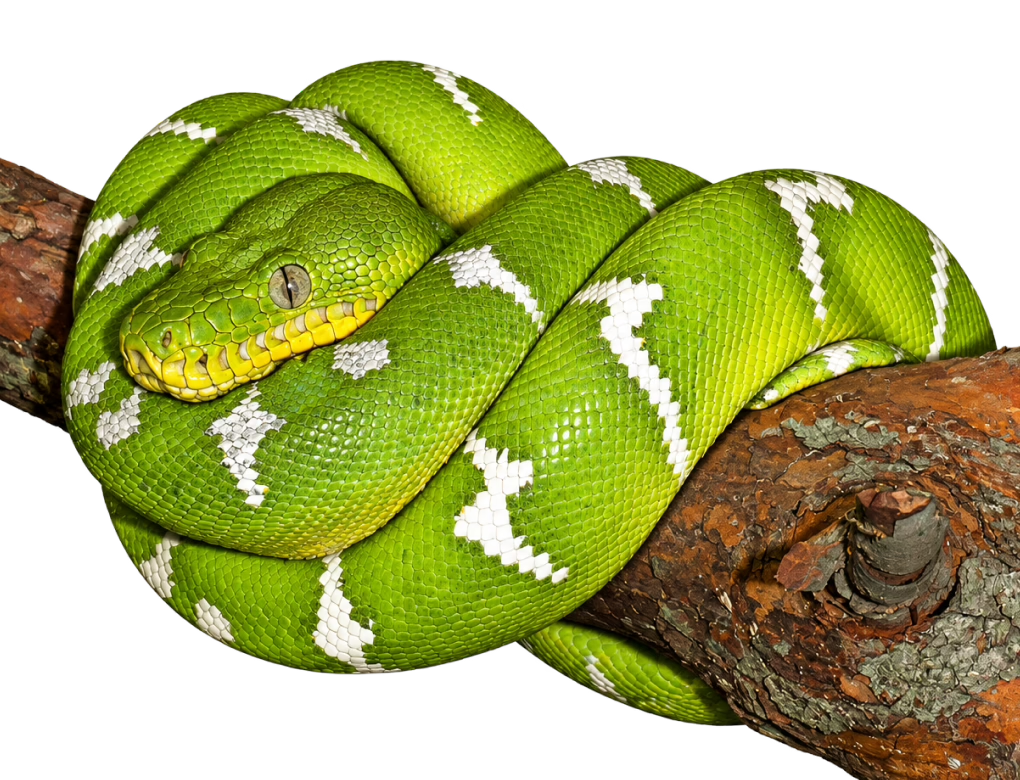
- They have a prehensile tail, which they use to secure themselves in a tree, in their distinctive coiled pose.
- They have sharp teeth, which pierce prey and they will then coil around prey to constrict and kill it.
Características físicas
They have a large head with sharp teeth and vertical pupils similar to a cat. Adults are bright green in color with a white zigzag or diamond pattern and a cream-colored belly. Their size and pattern can vary by location, with some emerald tree boas reaching up to ten feet in length although most are between four and six feet in length. Babies are reddish or orangish in color when born, turning their distinctive emerald shade between six months and a year.
Hábitat y dieta
Emerald tree boas are almost exclusively arboreal and are found in lowland tropical rainforest in the Amazon Basin, in parts of Venezuela, Colombia, Peru, Bolivia, Guyana, French Guiana, Suriname and Brazil.
Comportamiento social
Males become sexually mature between three and four years and females between four and five years. Females will breed every two years. After a seven month gestation period, she will give birth to three to eight live young.
Situación en la naturaleza
No aún evaluado por la IUCN
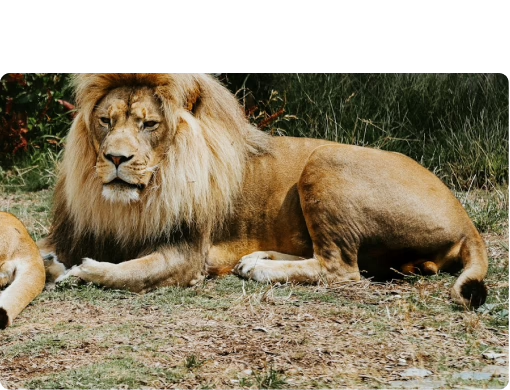
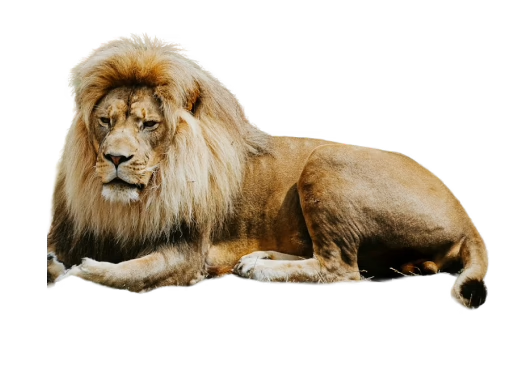
León africano
VulnerableUno de los animales más emblemáticos de la Tierra, el león africano es un símbolo de fuerza, inteligencia social y la África salvaje.
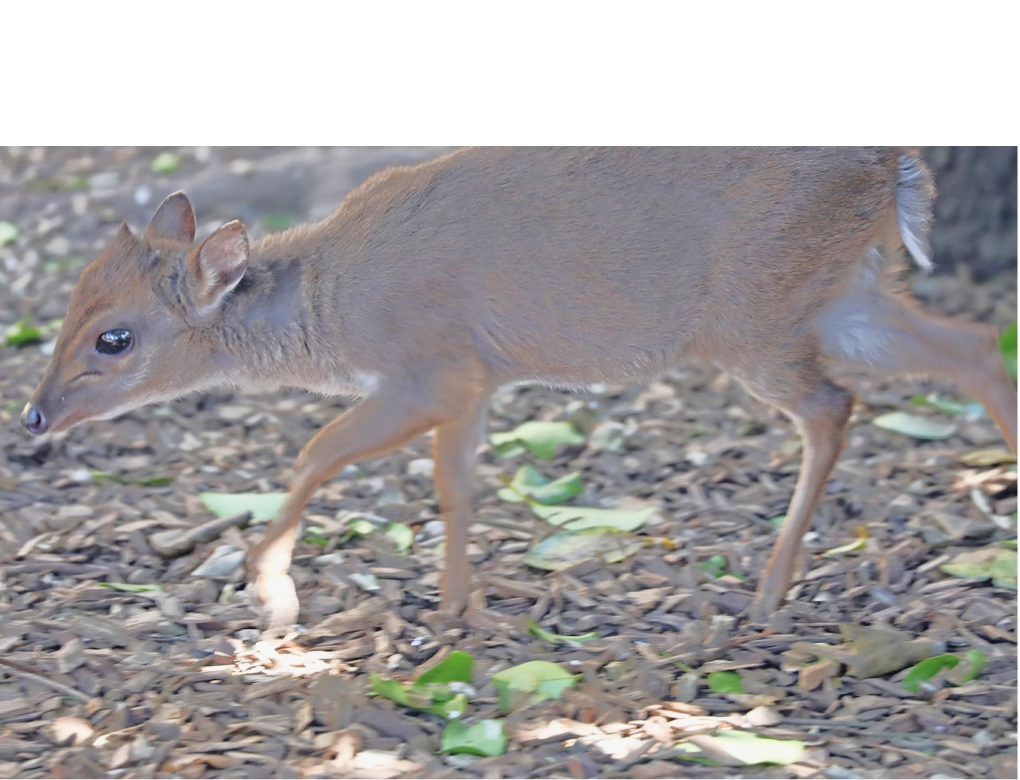
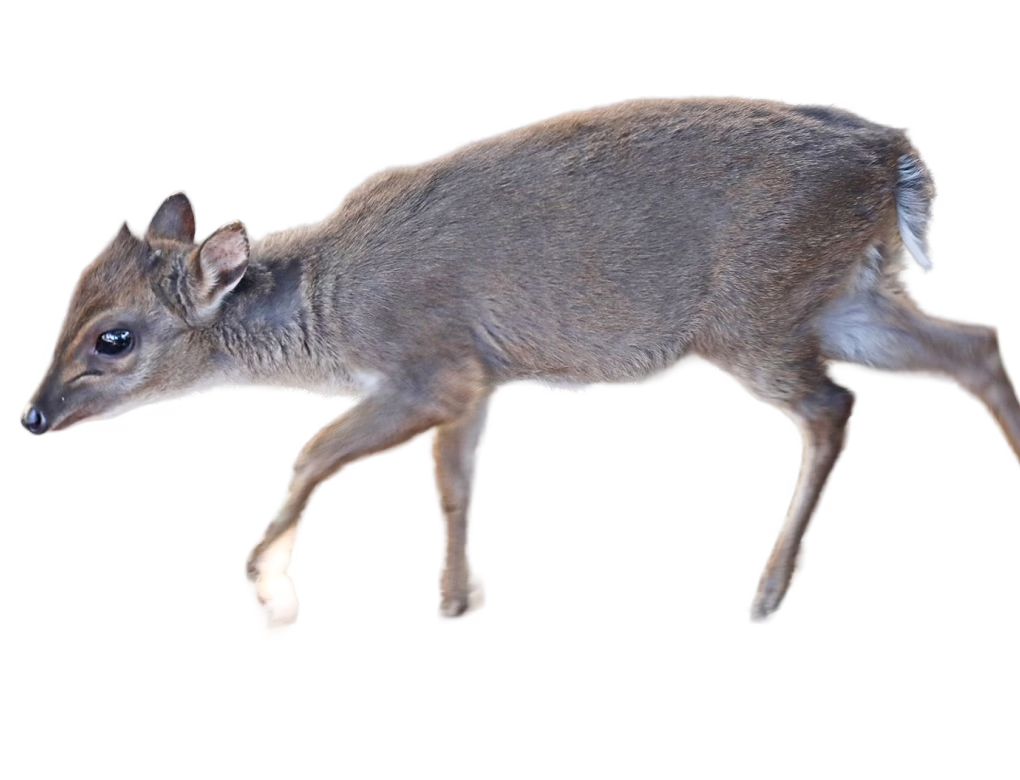
Duque azul
Preocupación menorAl ser la especie de antílope más pequeña del mundo y el duiker más pequeño, desempeñan un papel importante en el ecosistema forestal en el que viven.
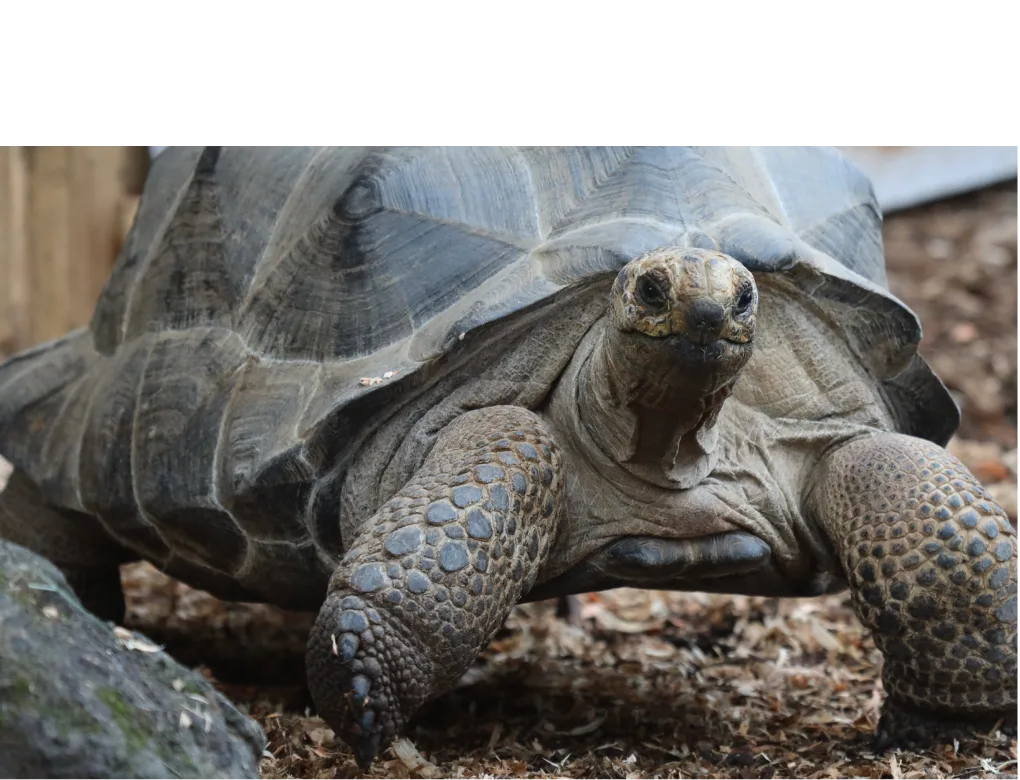
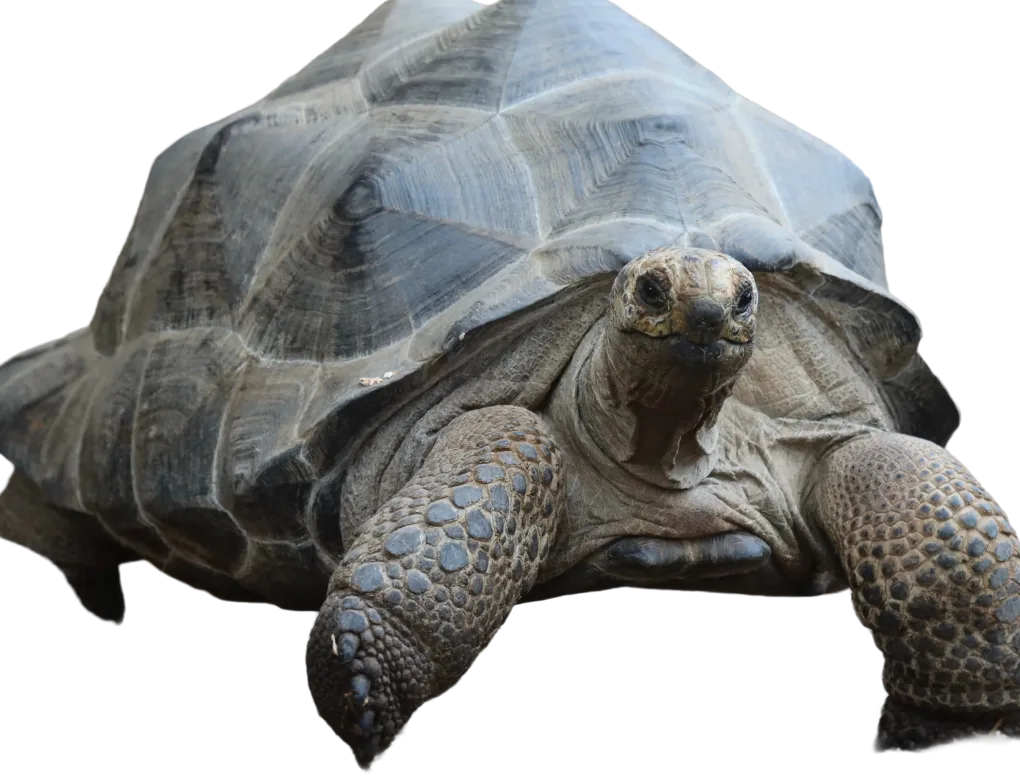
Tortuga de Aldabra
Vulnerable¡Como una de las tortugas terrestres más grandes y longevas del mundo, se sabe que algunas han vivido hasta 170 años!
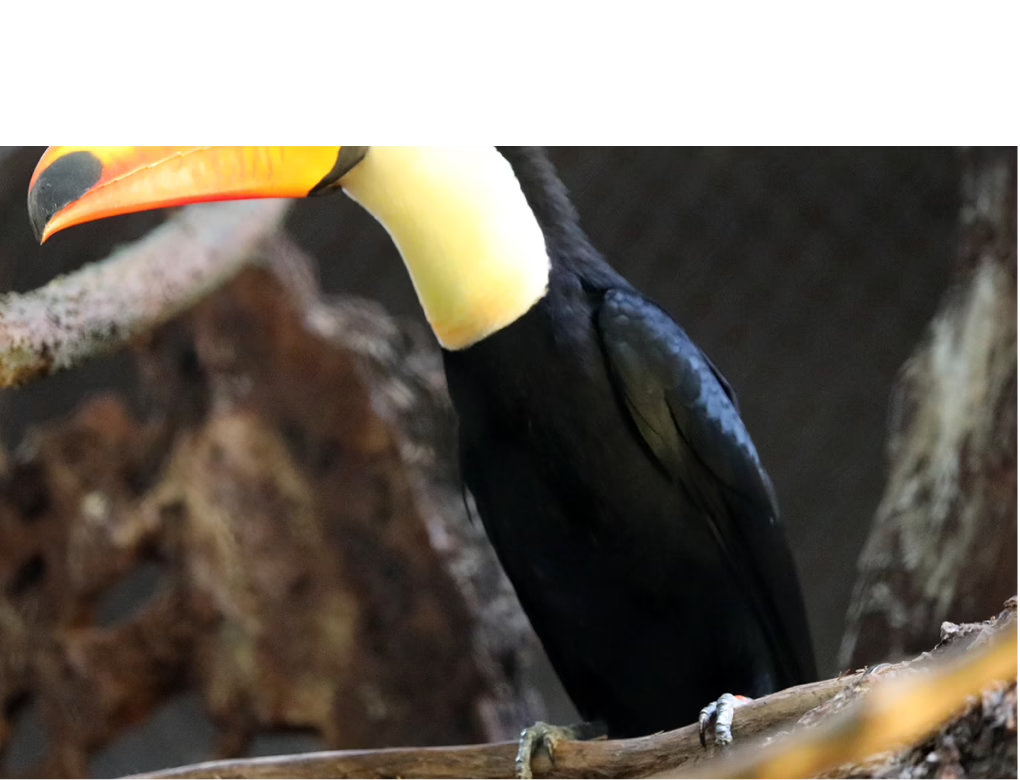
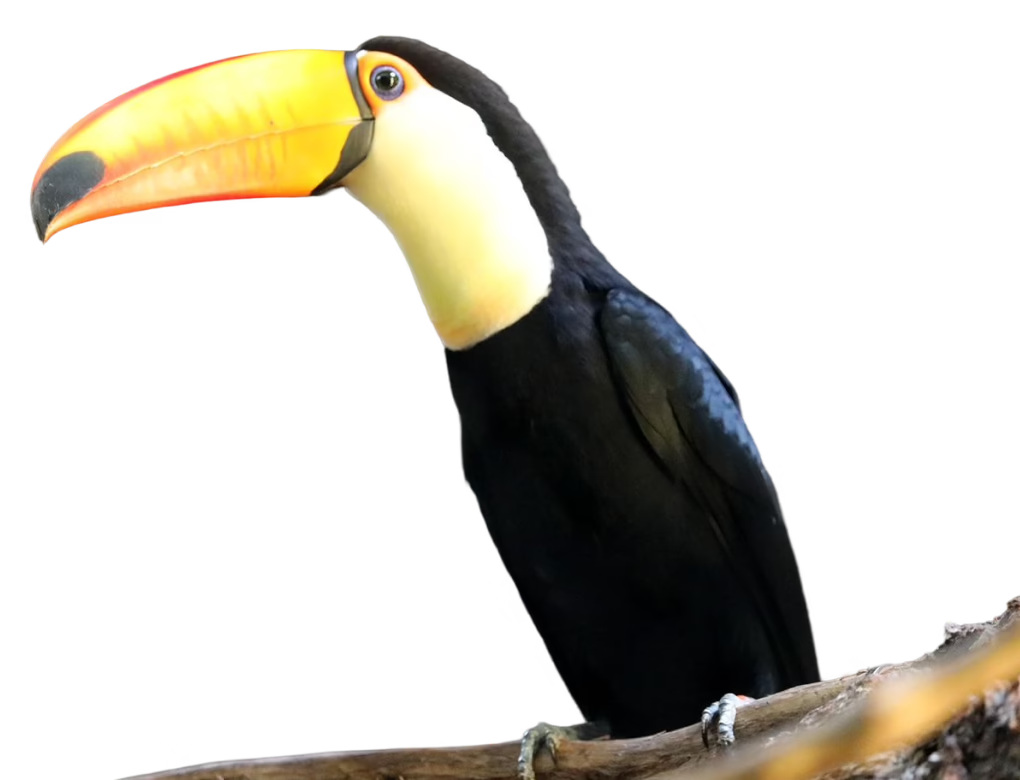
Tucán toco
Preocupación menorConocido por su pico grande y colorido y su comportamiento juguetón, es la especie más grande de los tucanes.