




En el zoológico
Zona de exploración
Fascinantes hechos
They feed primarily on palm nuts and as such, are important seed dispersers. Some species of palm nuts are so hard to crack that the macaws wait until it has passed through the digestive system of cattle before attempting to break open the nut. To crack nuts, their powerful beaks are capable of exerting pressure up to 400 pounds per square inch.
At SF Zoo, hyacinth macaw caretakers feed in shell macadamia nuts as an essential part of their diet, which they can crack with ease.
Características físicas
Hyacinth macaws are the longest parrot species in the world, with a length between 37 – 40 inches, half of which is made up of tail. Their wingspan is between 45 – 50 inches across and they weigh about 3.5 pounds.
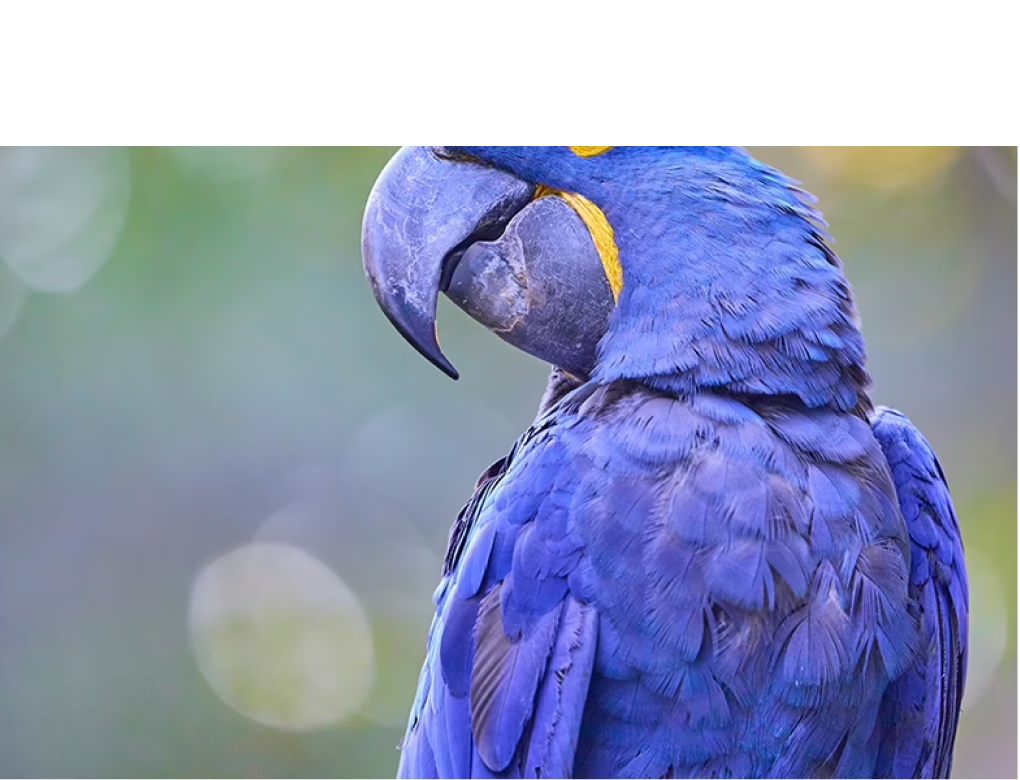
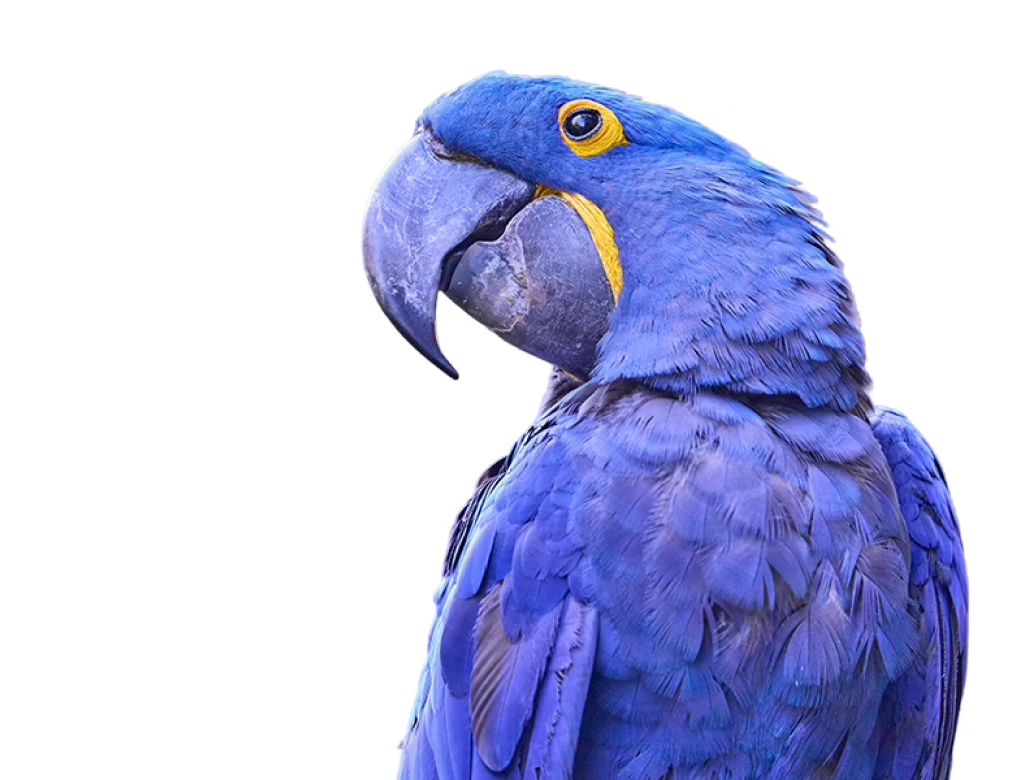
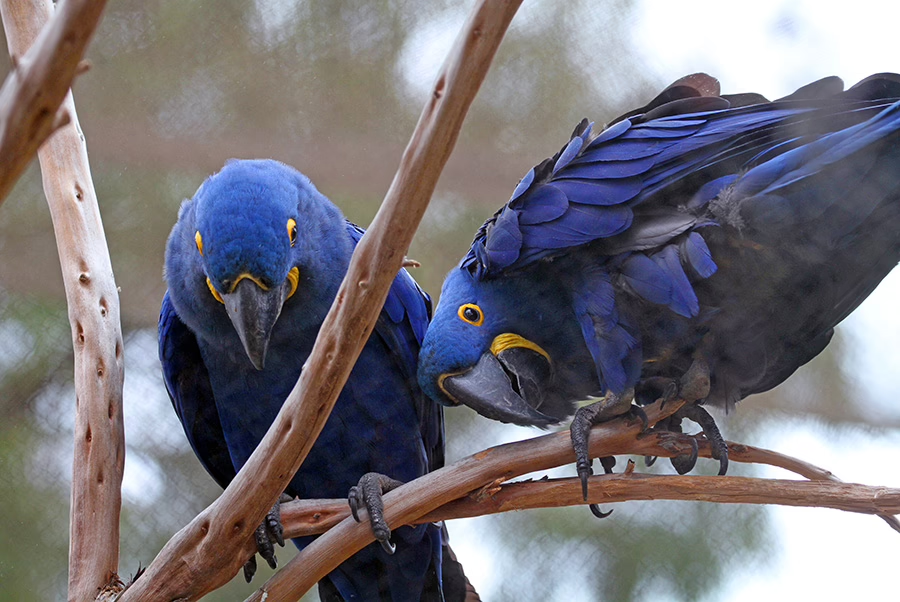
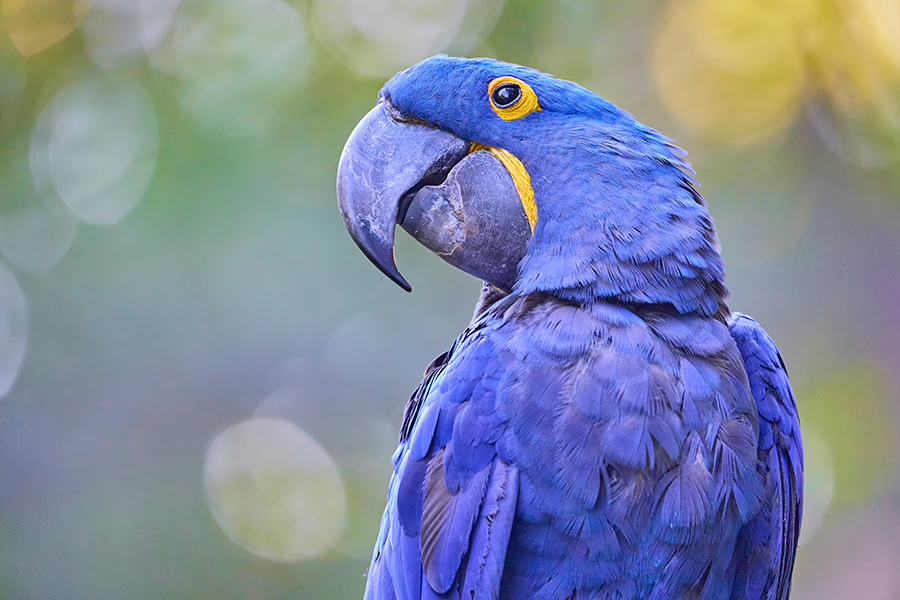
Males and females are similar in appearance. They are bright blue in color, with darker blue coloration on the wings and a yellow patch of skin around the eye and at the base of the beak. The beak is black and curved and they can use it like an extra foot for grasping and climbing. They use their feet for climbing and for holding food items.
Their lifespan is unknown as it is so long, but thought to be at least 50 years.
Dieta
The majority of their diet is made up of palm nuts, but they also will occasionally eat sprouts, seeds or snails.
Hábitat
Hyacinth macaws are found around palm trees, in palm savannas, grasslands and dry forests, unlike other species of macaws.
Rango
There are three distinct ranges: one on the Brazil, Bolivia and Paraguay border, one in east-central Brazil and one in the eastern Amazonia region of Brazil. https://www.iucnredlist.org/species/22685516/93077457
Comportamiento social
Hyacinth macaws are social animals and are most active in the morning to mid-afternoon while foraging for food. At sunset they will fly from the feeding spot to the roosting spot to spend the night in the trees.
They are monogamous and will typically lay a clutch of 2 eggs in a cavity in a tree or cliff face, although typically only one chick will live to maturity. Chicks are preyed upon by coatis, jays and toucans. The chick will fledge at 13 weeks and will stay with its mother for up to 18 months. Hyacinth macaws become sexually mature between 6 – 10 years.
Situación en la naturaleza
IUCN – Vulnerable
Otros
Hyacinth macaws are threatened by habitat destruction as well as being hunted for food and for feathers. Their biggest threat has been from collection for the pet trade.
¿Sabías algo?
As the largest flying parrot, what is a Hyacinth macaw's wingspan ?
León africano
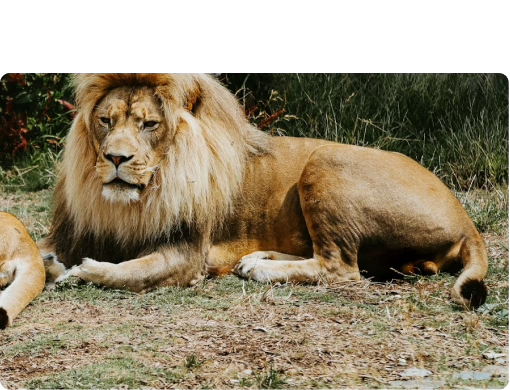
VulnerableUno de los animales más emblemáticos de la Tierra, el león africano es un símbolo de fuerza, inteligencia social y la África salvaje.

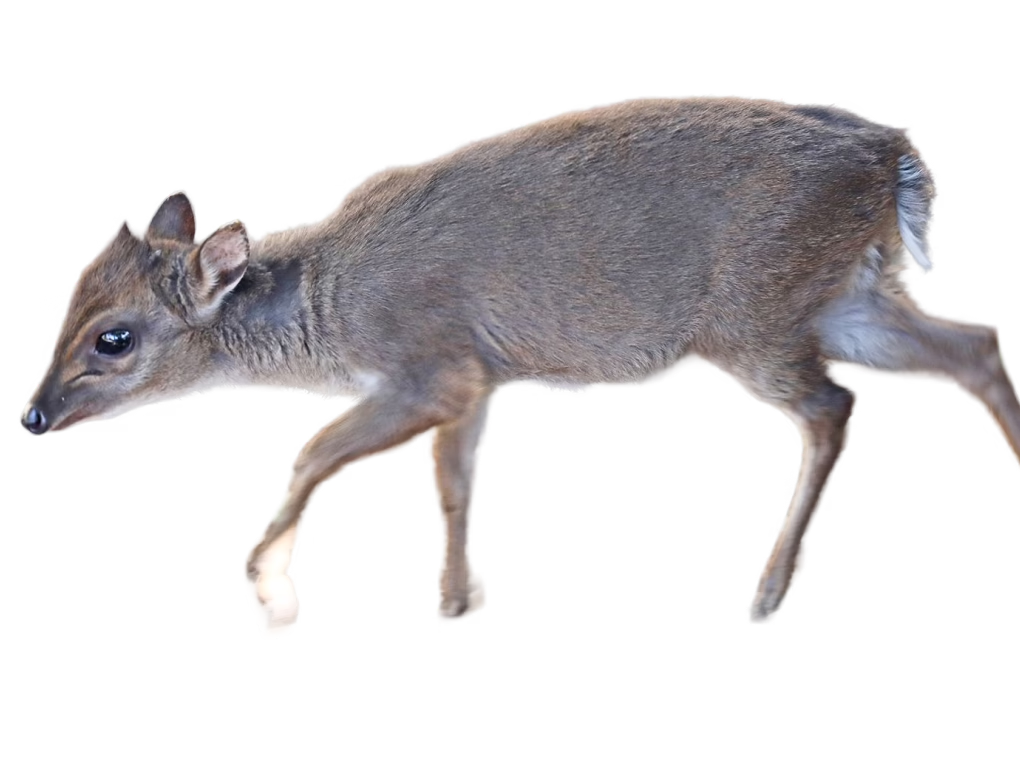
Duque azul
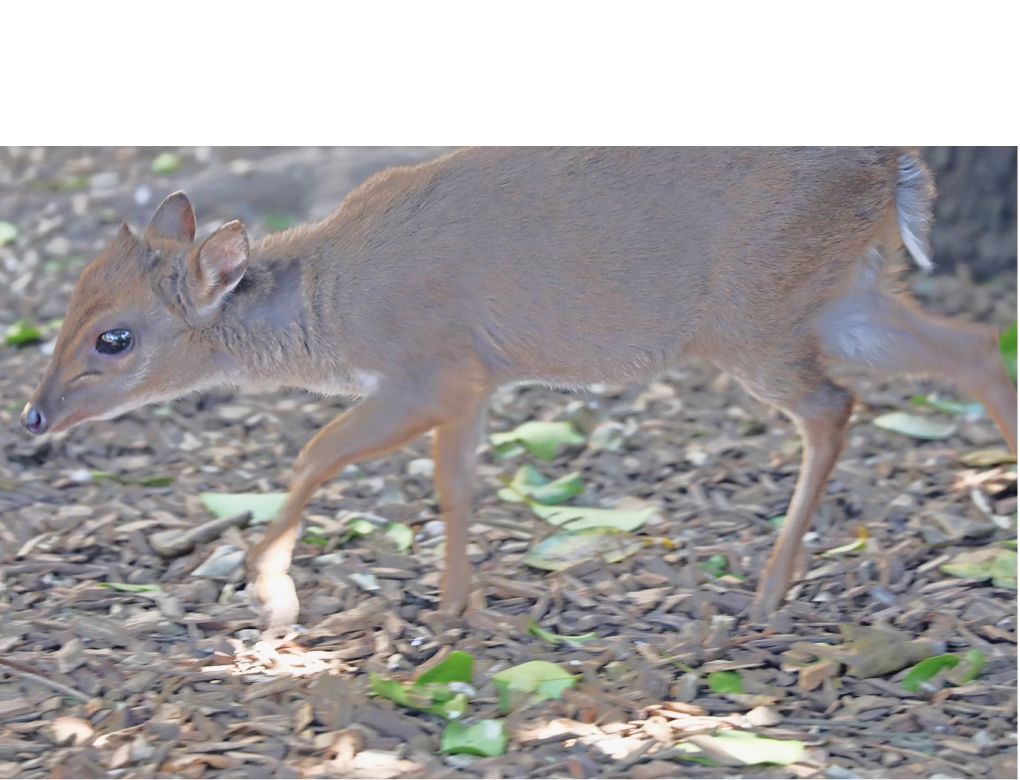
Preocupación menorAl ser la especie de antílope más pequeña del mundo y el duiker más pequeño, desempeñan un papel importante en el ecosistema forestal en el que viven.
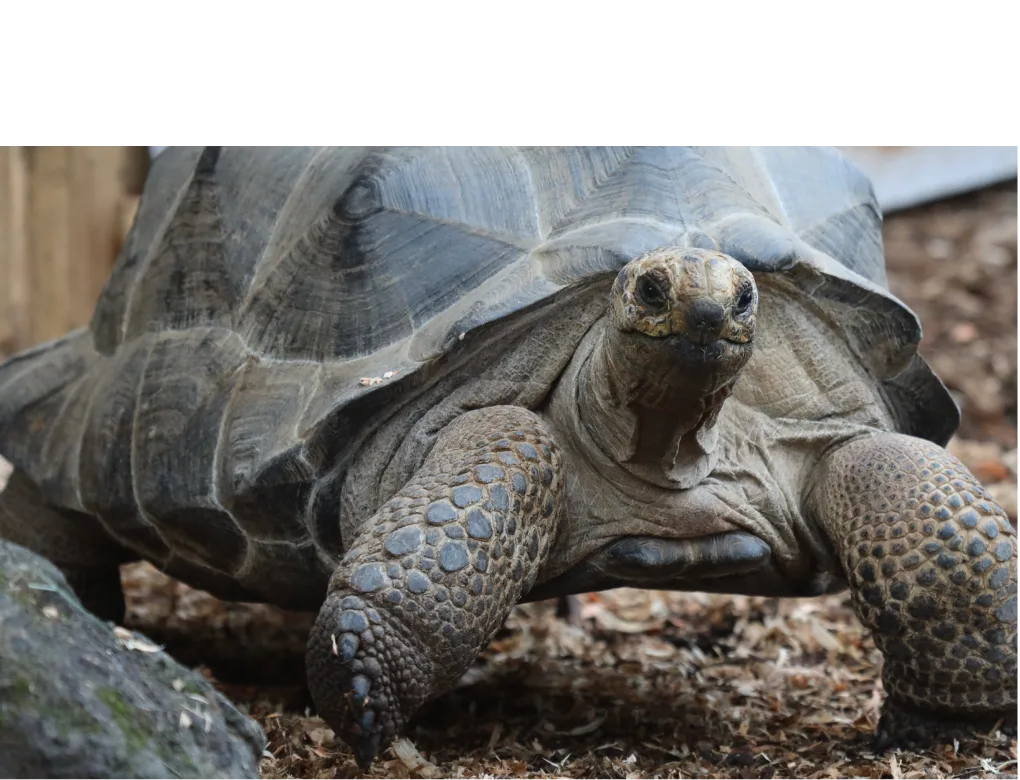
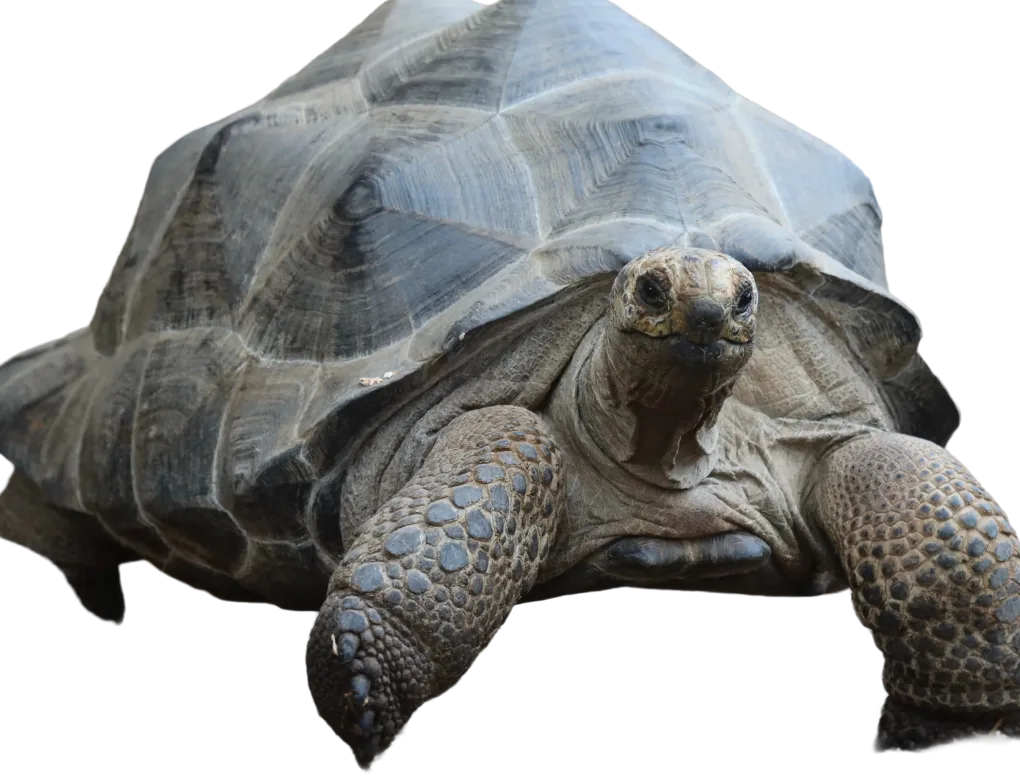
Tortuga de Aldabra
Vulnerable¡Como una de las tortugas terrestres más grandes y longevas del mundo, se sabe que algunas han vivido hasta 170 años!
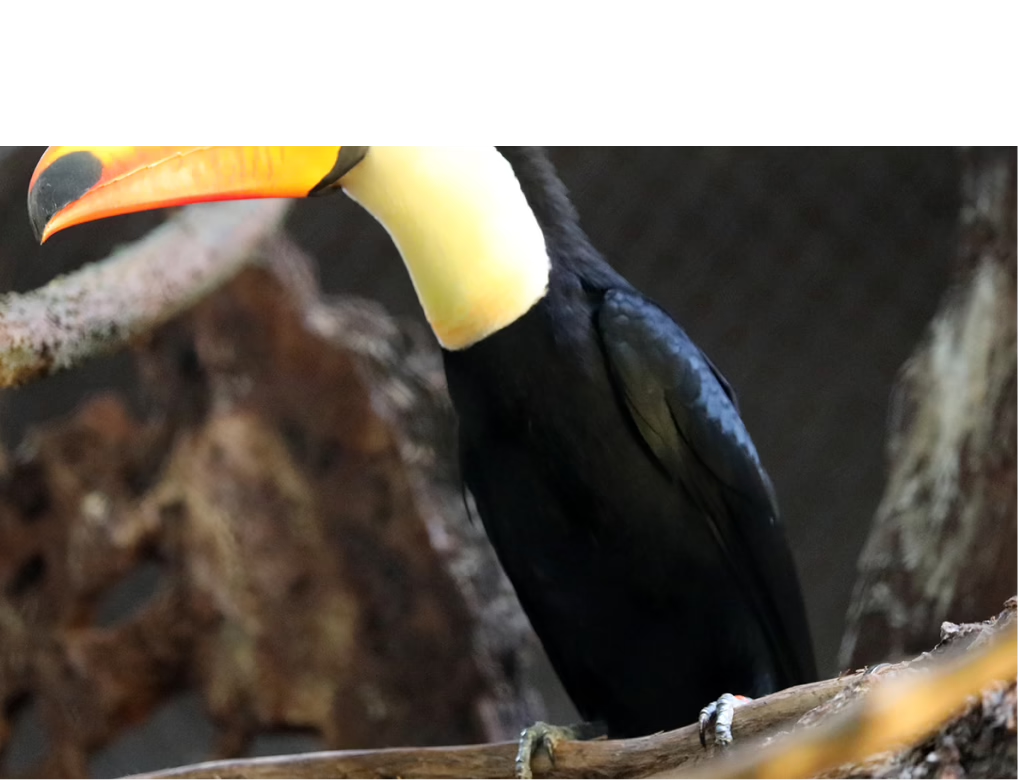
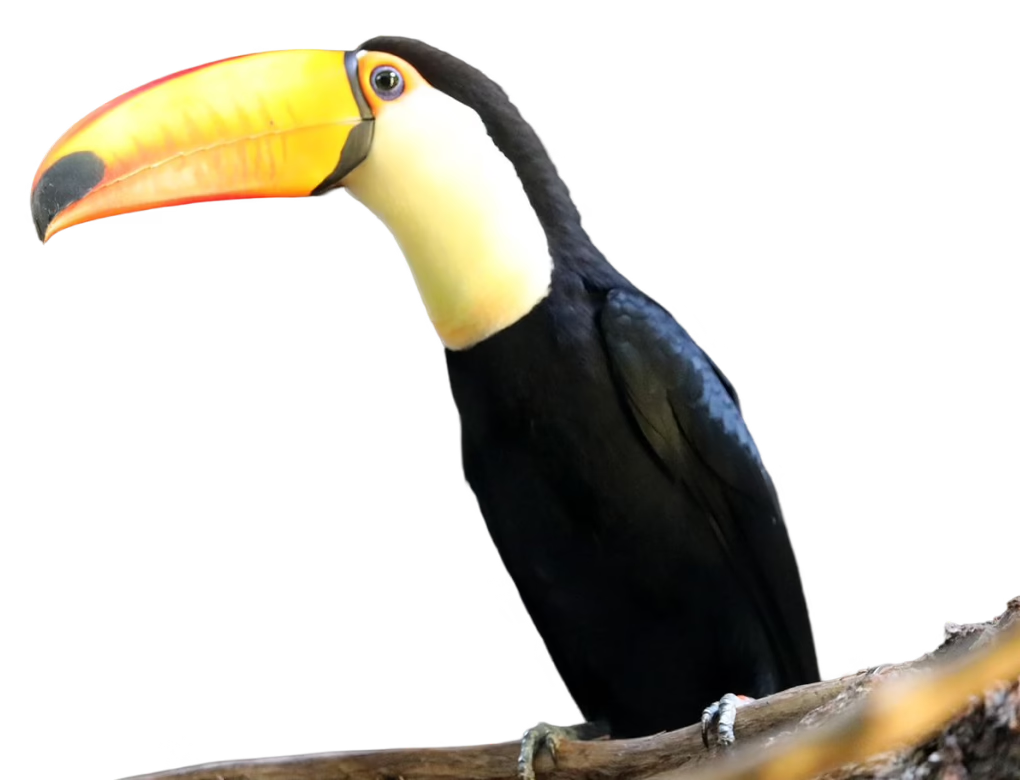
Tucán toco
Preocupación menorConocido por su pico grande y colorido y su comportamiento juguetón, es la especie más grande de los tucanes.