




En el Zoo
Bird Aviary across from Koala Crossing
Datos fascinantes
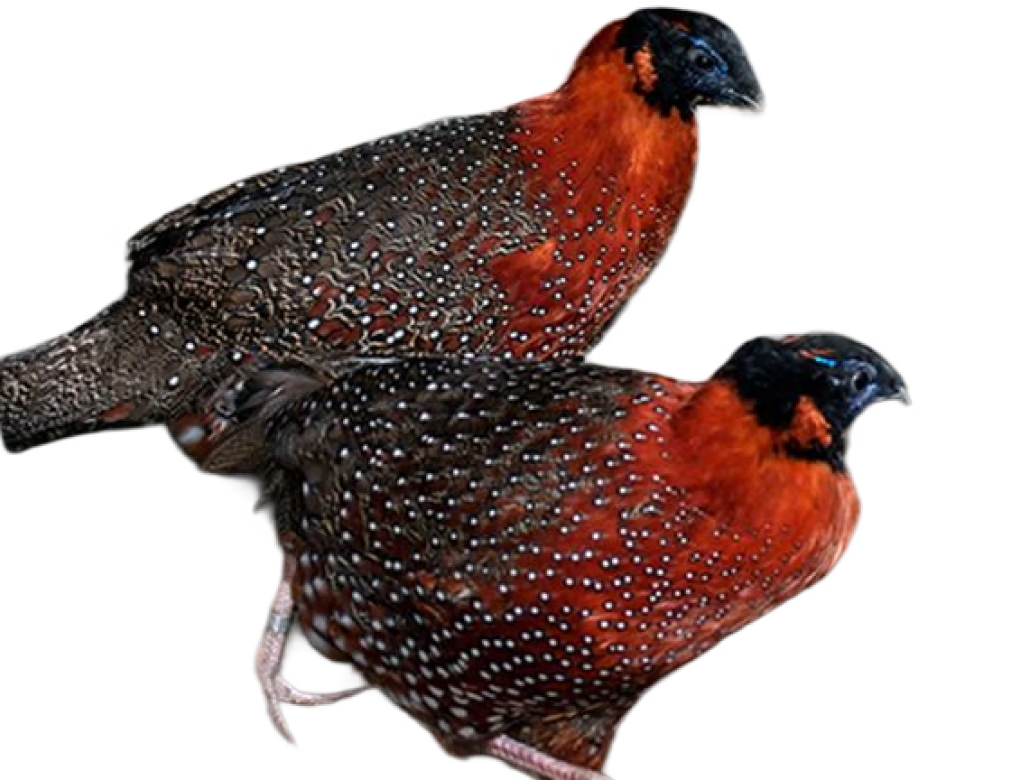
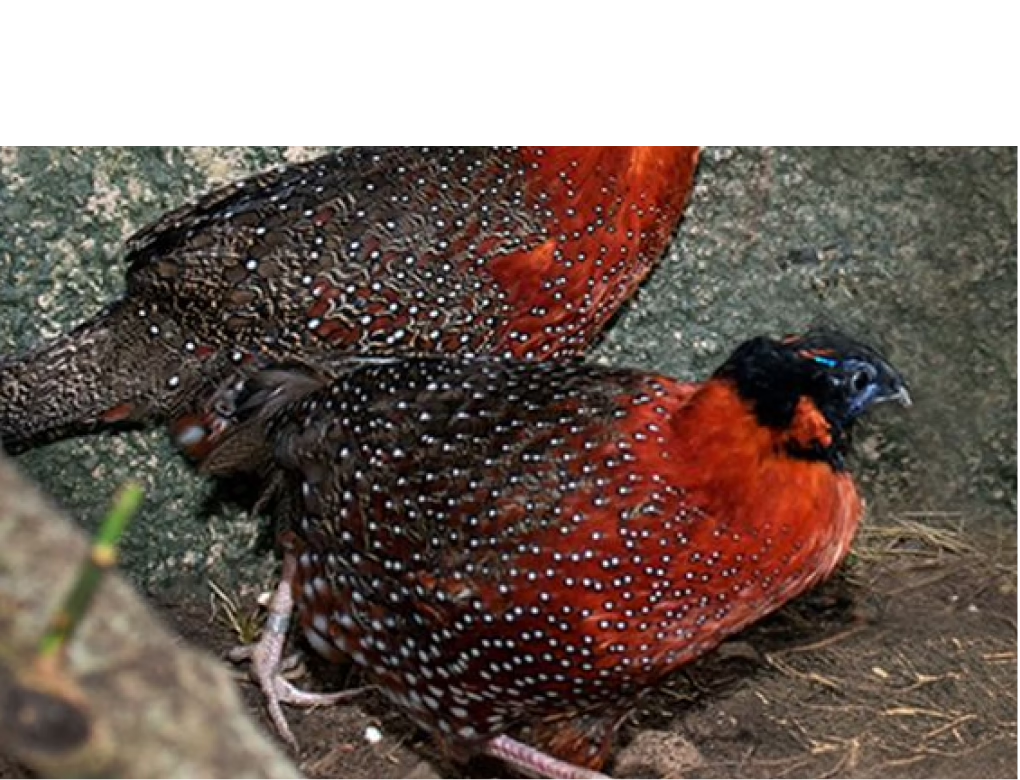
Named after the Dutch zoologist Coenraad Jacob Temminck (1778-1858), a highly influential naturalist who identified many new animal species throughout his career.
Temminck’s tragopans nest in trees, unlike their other pheasant relatives. Young develop quickly and are able to fly just a few days after hatching.
Temminck’s tragopans are threatened by habitat loss, habitat degradation and egg- and feather-collecting.
Características físicas
Length from beak to tail is approximately 2 feet; weight is between 3 – 5 pounds. Females are brown; males have a black and pale blue head, and a russet body with grey and black spots. The “lappet” or bib-like wattle is brilliant blue and red and is expanded during courtship rituals as are two blue “horns” which raise above the eyes.
Hábitat
They are found in Tibet, central China, northern Myanmar, northwest Vietnam, and northeast India.
Mixed evergreen, bamboo and rhododendron forests at high altitudes
Dieta
Seeds, flowers, leaves, mosses, ferns, berries, insects
Comportamiento social
Males perform elaborate courtship displays to attract females which includes tail fanning, lappet inflating and dancing. Unlike most pheasants, they will build nests high up in the trees.
Situación en la naturaleza
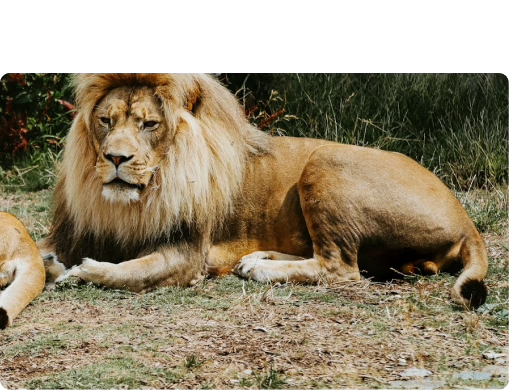
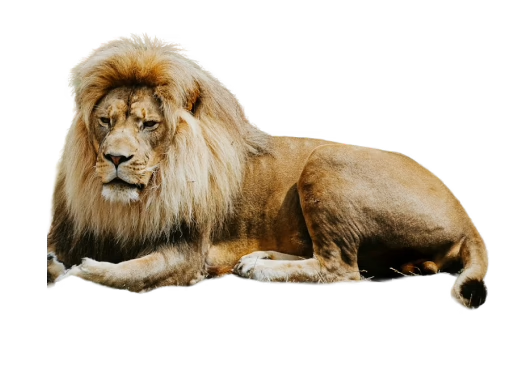
León africano
VulnerableUno de los animales más emblemáticos de la Tierra, el león africano es un símbolo de fuerza, inteligencia social y la África salvaje.
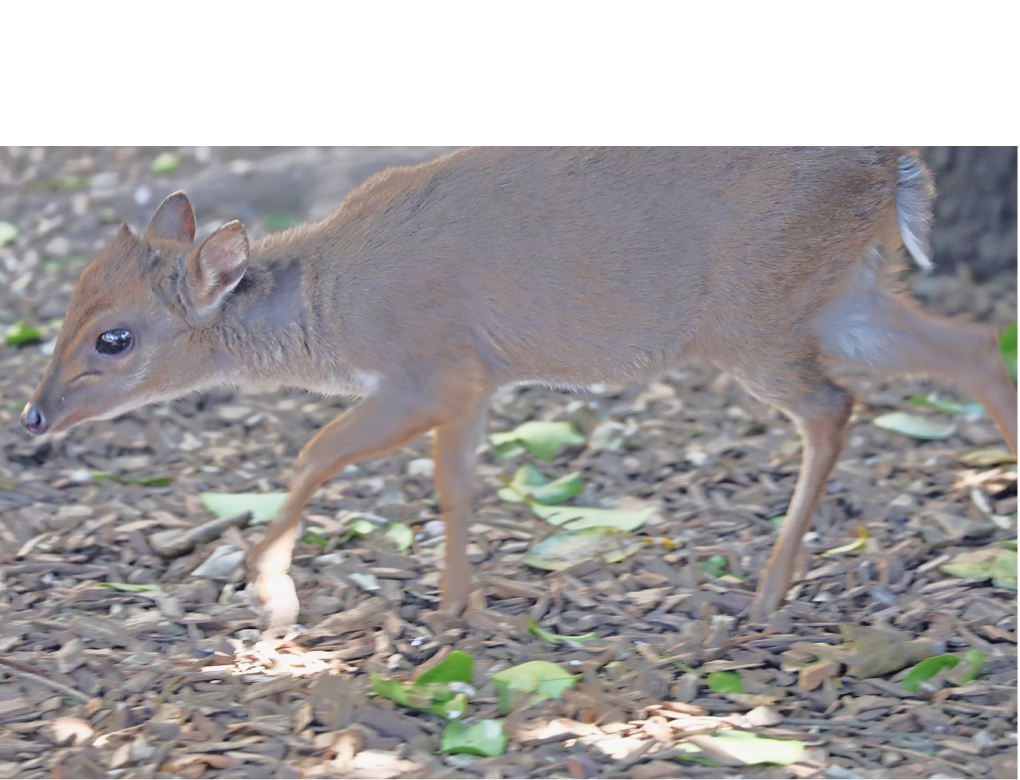
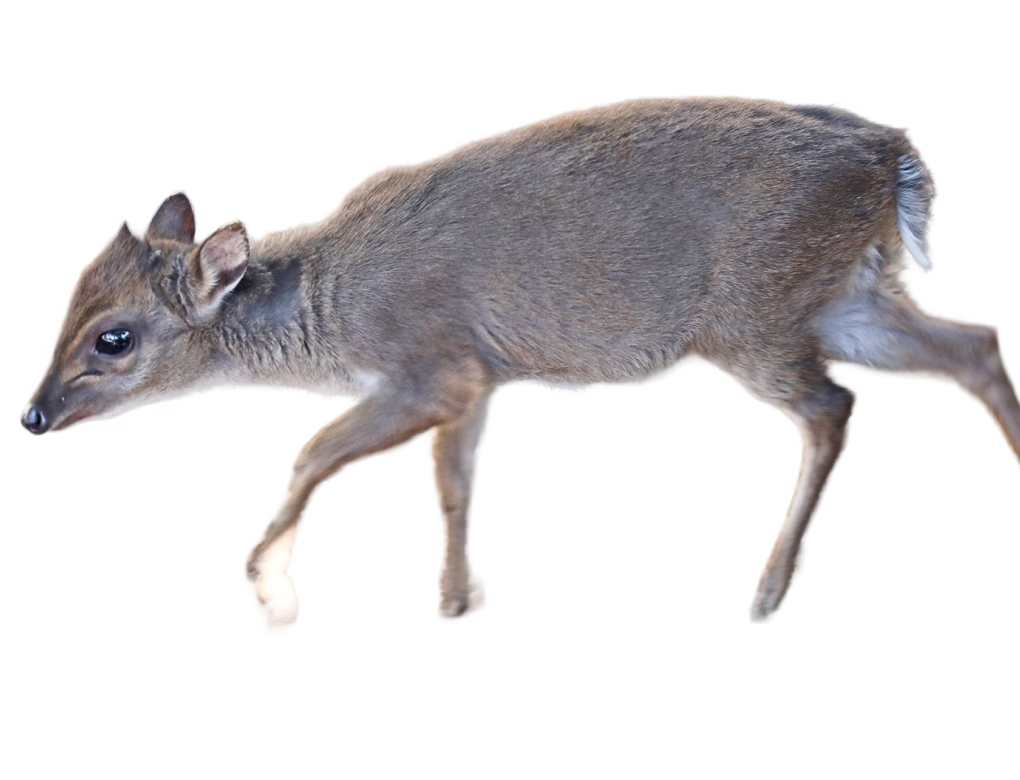
Duque azul
Preocupación menorAl ser la especie de antílope más pequeña del mundo y el duiker más pequeño, desempeñan un papel importante en el ecosistema forestal en el que viven.
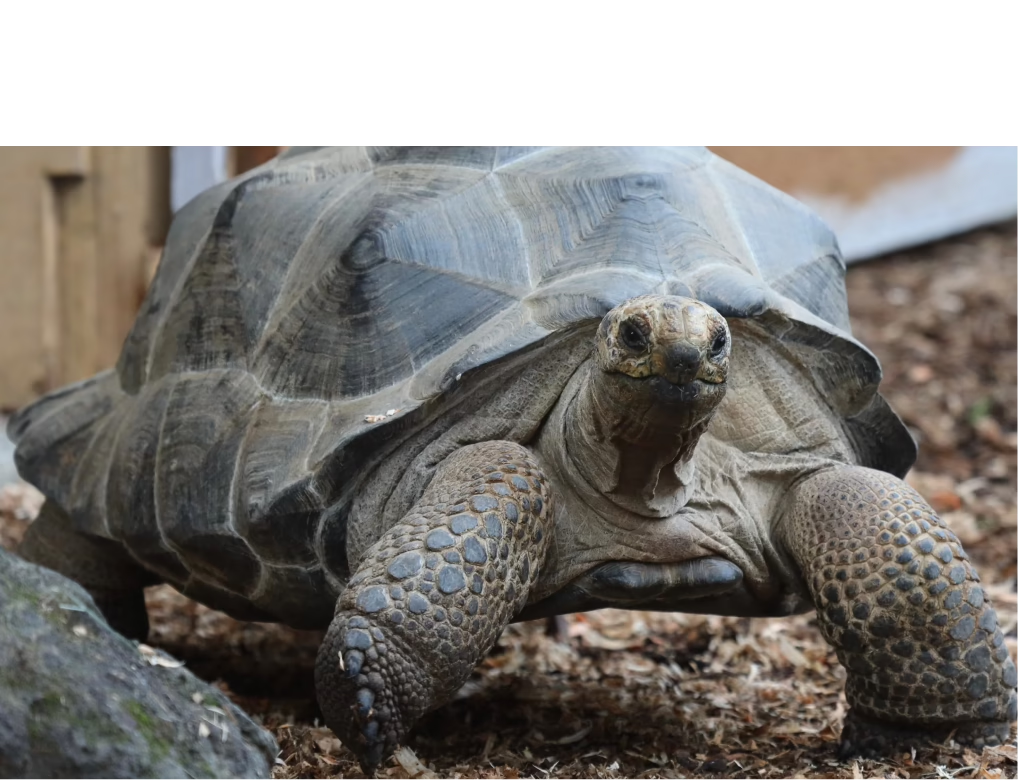
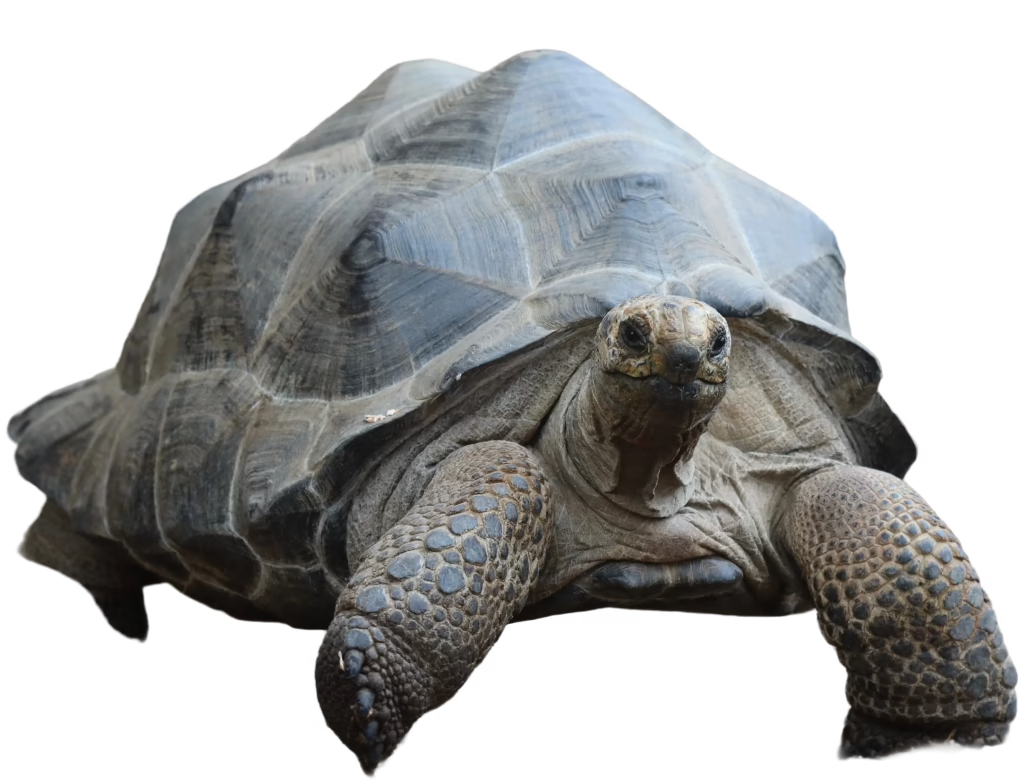
Tortuga de Aldabra
Vulnerable¡Como una de las tortugas terrestres más grandes y longevas del mundo, se sabe que algunas han vivido hasta 170 años!
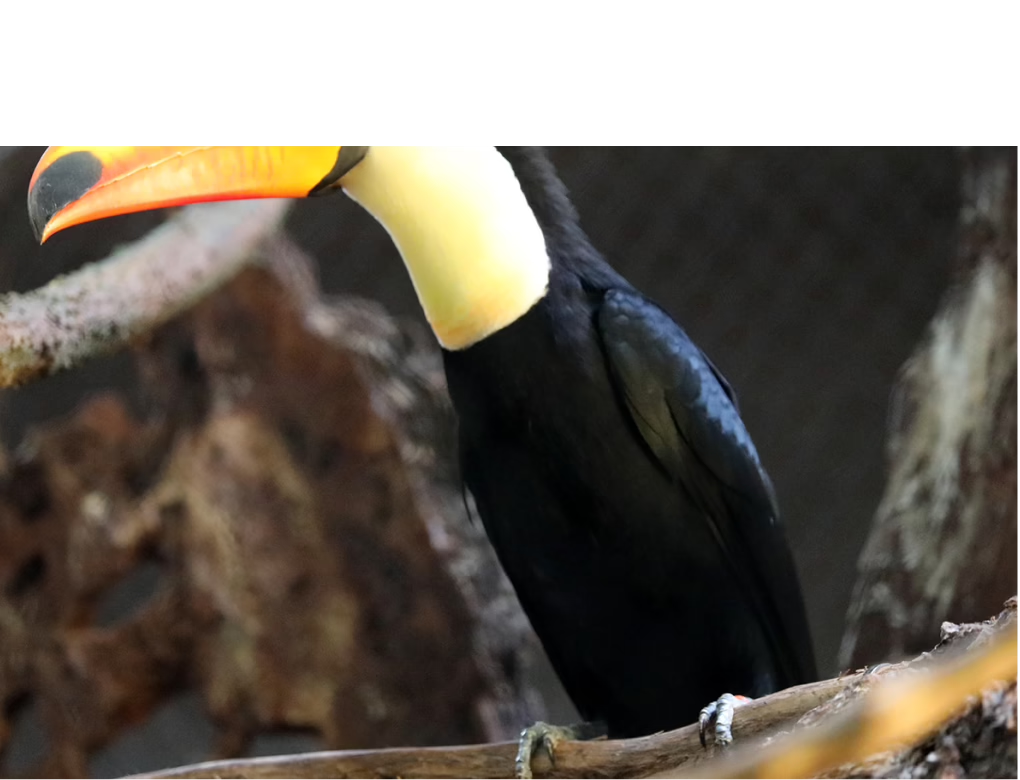
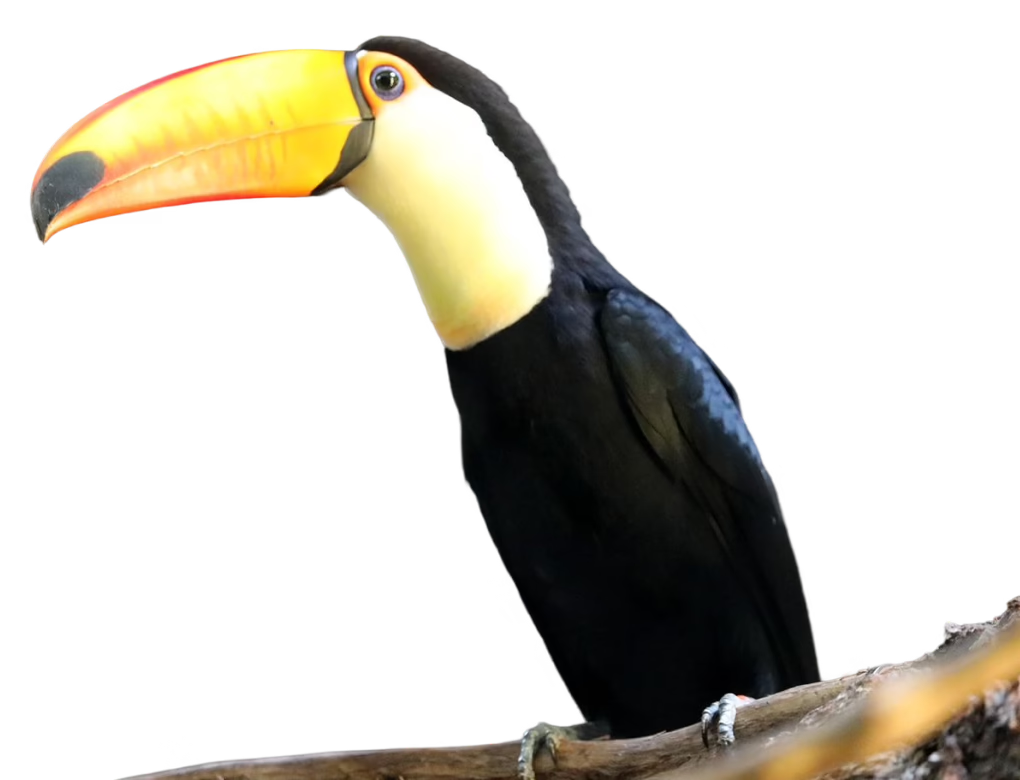
Tucán toco
Preocupación menorConocido por su pico grande y colorido y su comportamiento juguetón, es la especie más grande de los tucanes.
Adopta un animal que adores mientras disfrutas de beneficios exclusivos.