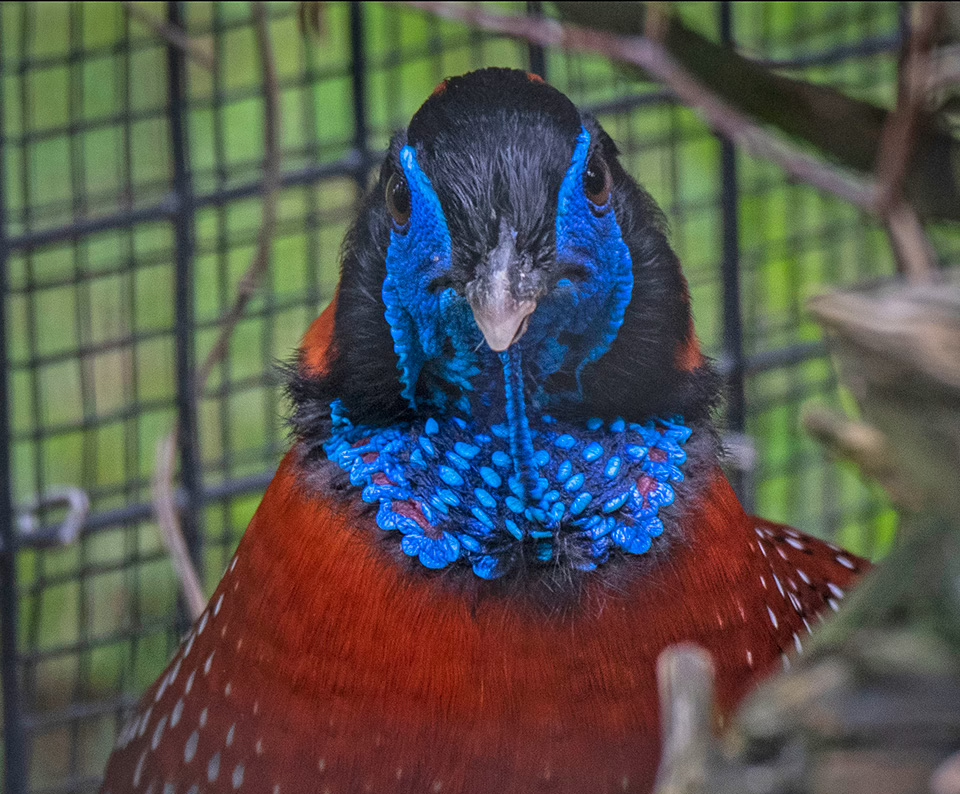





At the Zoo
Bird Aviary across from Koala Crossing
Fascinating Facts
Named after the Dutch zoologist Coenraad Jacob Temminck (1778-1858), a highly influential naturalist who identified many new animal species throughout his career.
Temminck’s tragopans nest in trees, unlike their other pheasant relatives. Young develop quickly and are able to fly just a few days after hatching.
Temminck’s tragopans are threatened by habitat loss, habitat degradation and egg- and feather-collecting.
Physical Characteristics
Length from beak to tail is approximately 2 feet; weight is between 3 – 5 pounds. Females are brown; males have a black and pale blue head, and a russet body with grey and black spots. The “lappet” or bib-like wattle is brilliant blue and red and is expanded during courtship rituals as are two blue “horns” which raise above the eyes.
Diet
Seeds, flowers, leaves, mosses, ferns, berries, insects
Habitat
Mixed evergreen, bamboo and rhododendron forests at high altitudes
Social Behavior
Males perform elaborate courtship displays to attract females which includes tail fanning, lappet inflating and dancing. Unlike most pheasants, they will build nests high up in the trees.
Status In The Wild
Other
They are found in Tibet, central China, northern Myanmar, northwest Vietnam, and northeast India.
DID YOU KNOW?
Lions can sleep up to how many hours a day?
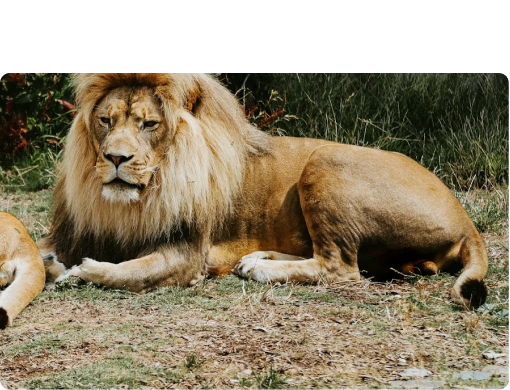
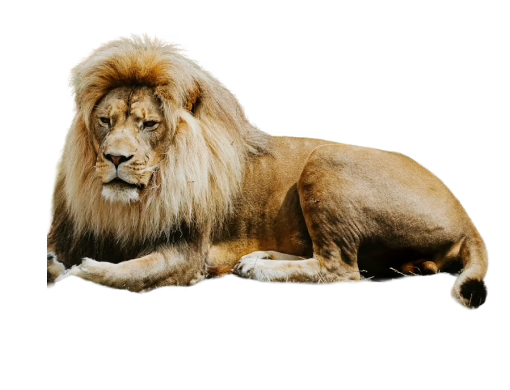
African lion
VulnerableOne of the most iconic animals on Earth, the African lion is a symbol of strength, social intelligence, and wild Africa.
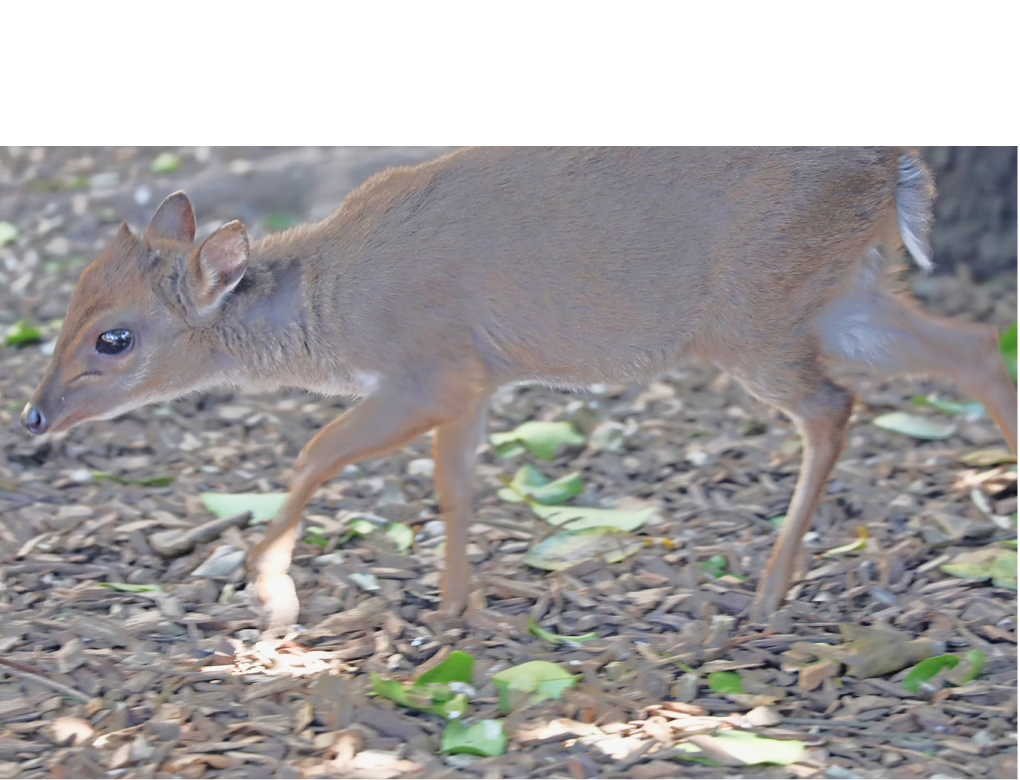
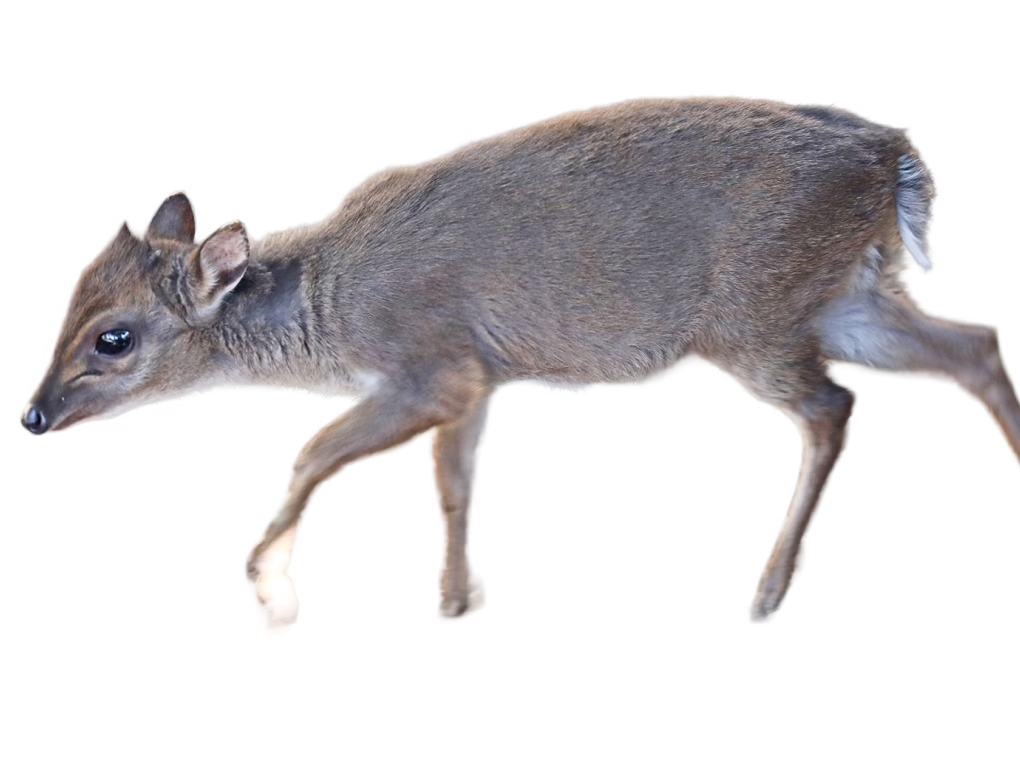
Blue duiker
Least ConcernAs the world's smallest antelope species, and smallest duiker, they play an important role in their forest ecosystem.
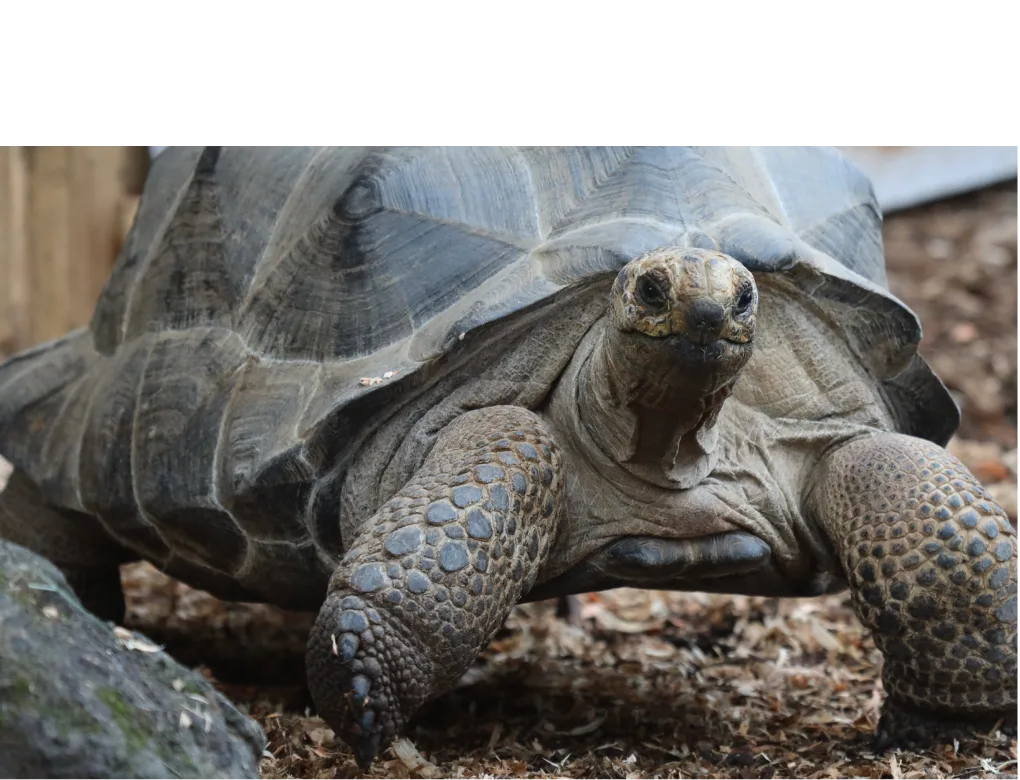
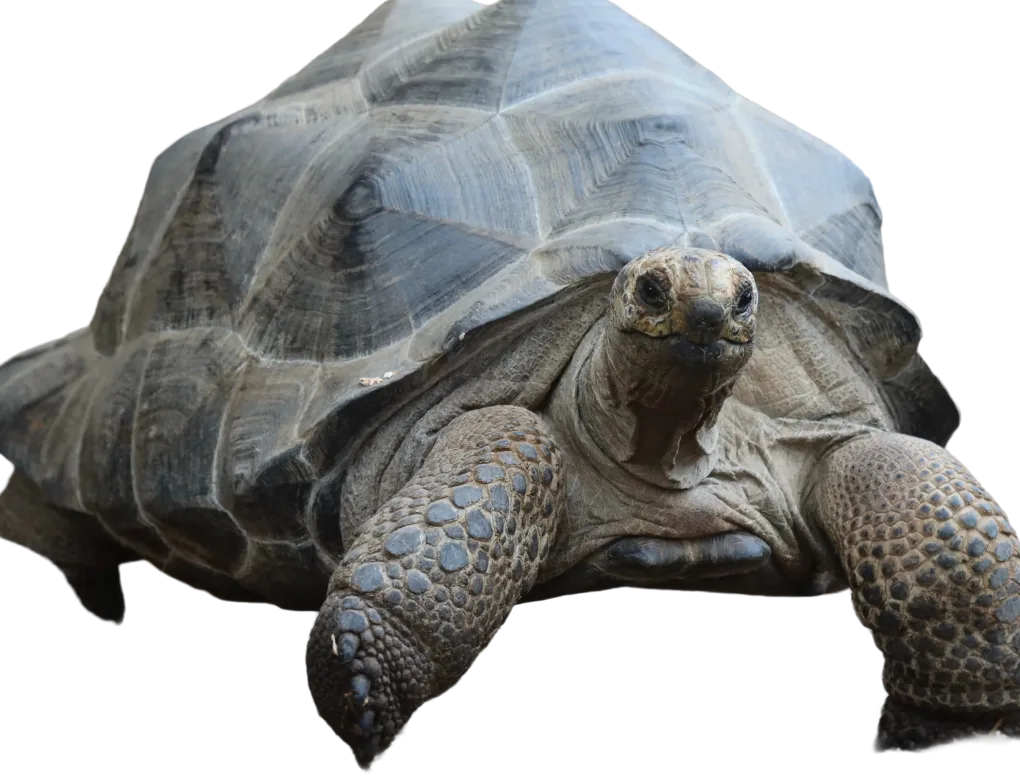
Aldabra tortoise
VulnerableAs one of the largest and longest-lived land tortoises in the world, some are known to have lived up to 170 years!
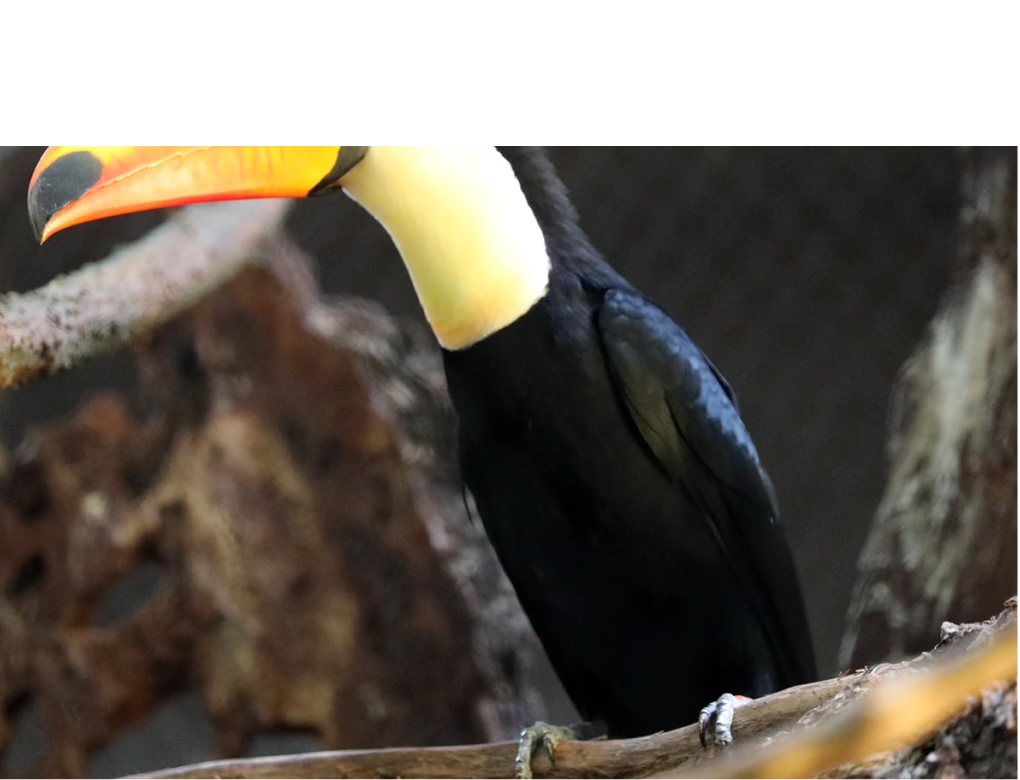
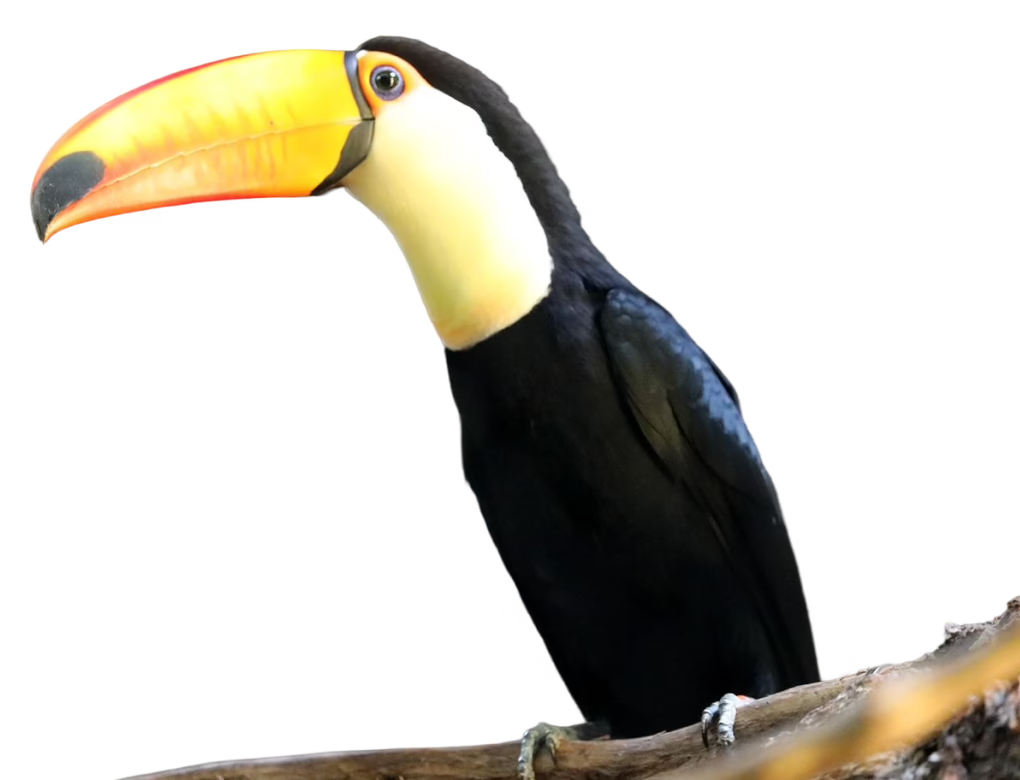
Toco toucan
Least ConcernKnown for their large, colorful bills and playful behavior, this is the largest of the toucan species.
Adopt an animal you love while enjoying exclusive benefits.