




At the Zoo
South American Tropical Rainforest & Aviary
Fascinating Facts
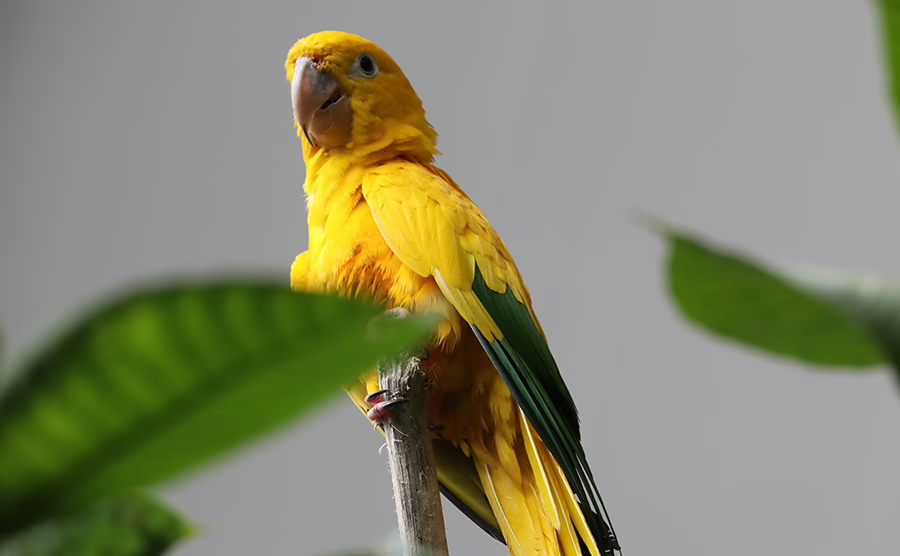
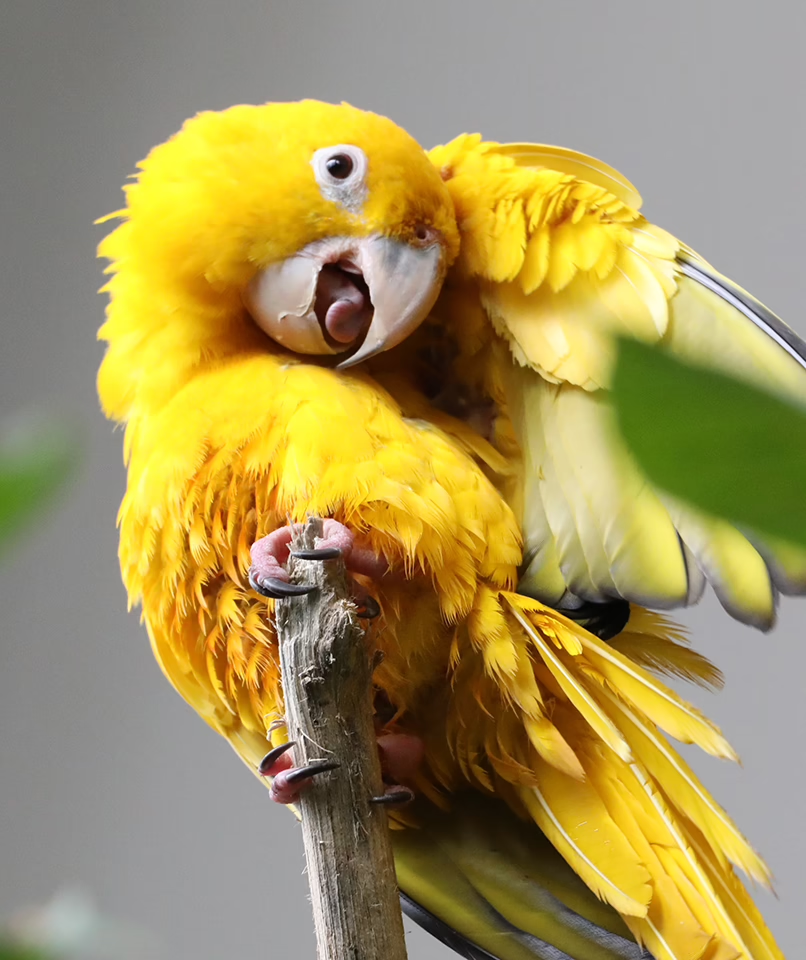
Golden conures are also called golden parakeets or Queen of Bavaria conures. Their scientific name, “Guaruba”, is derived from the Tupi language and means “yellow bird”. Their bright green and yellow plumage matches the national flag of Brazil, their home country.
Physical Characteristics
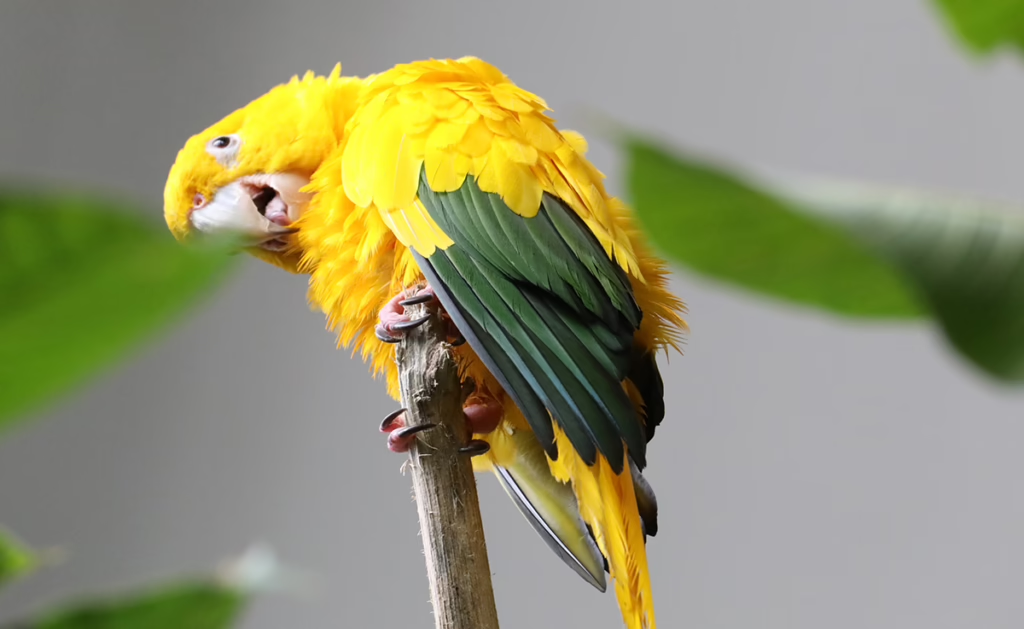
Golden conures are 13 – 14 inches in length and have bright yellow feathers overall and dark green flight feathers, with pale skin surrounding a brown eye. Beak is gray. Males and females are similar in appearance.
Habitat
Golden conures are found in tropical rainforests, seasonally flooded forests and grasslands close to rivers.
Diet
They eat fruits, buds, and flowers and will also eat crops such as maize.
Social Behavior
Golden conures are a social species and live, feed, breed and sleep in flocks. They will build a nest cavity in a tall tree where a clutch of 2-3 eggs is laid and incubation takes around 30 days. Unique to parrot species, various helpers in the flock will also help to raise the chicks, sometimes even laying clutches from different females in the same nest. Both males and females will help to raise the chicks. Golden conures become sexually mature at 3 years of age.
Status In The Wild
They live in the Amazon basin in northeastern Brazil.
Other
Golden conures are threatened by the pet trade, being hunted as a crop pest, as well as habitat destruction and fragmentation. Non-human predators include toucans.
In their native Brazil, it is illegal to hunt, capture, or disturb them.
DID YOU KNOW?
How loud can a golden conure screech?
African lion
VulnerableOne of the most iconic animals on Earth, the African lion is a symbol of strength, social intelligence, and wild Africa.


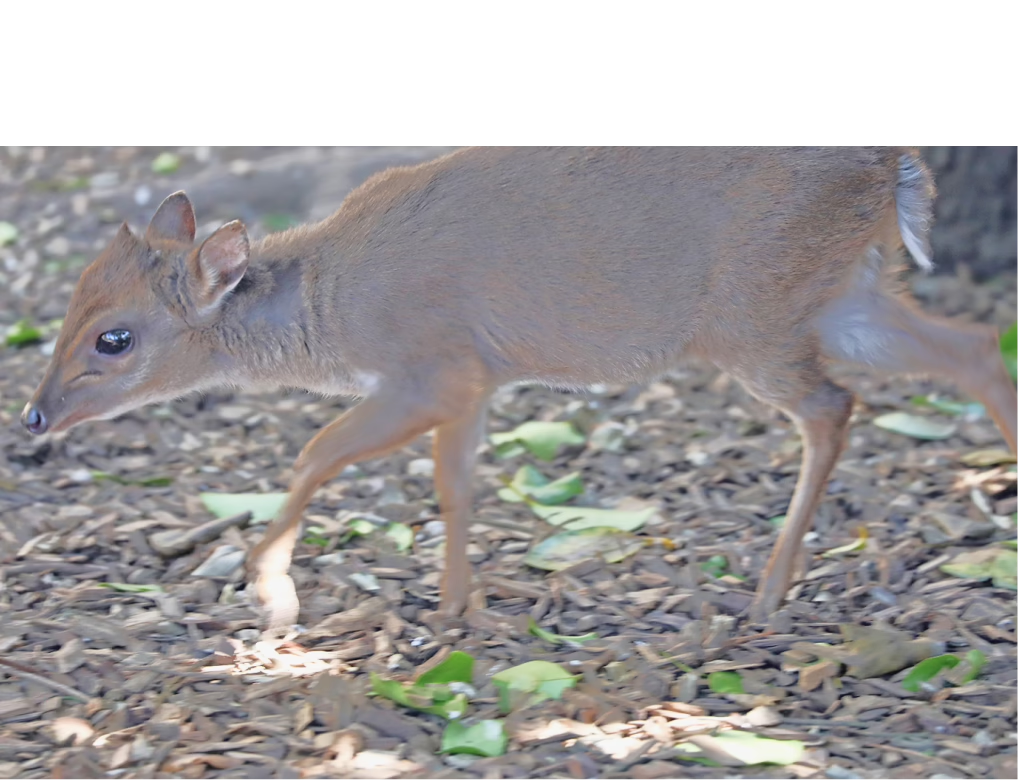
Blue duiker
Least ConcernAs the world's smallest antelope species, and smallest duiker, they play an important role in their forest ecosystem.
Aldabra tortoise
VulnerableAs one of the largest and longest-lived land tortoises in the world, some are known to have lived up to 170 years!


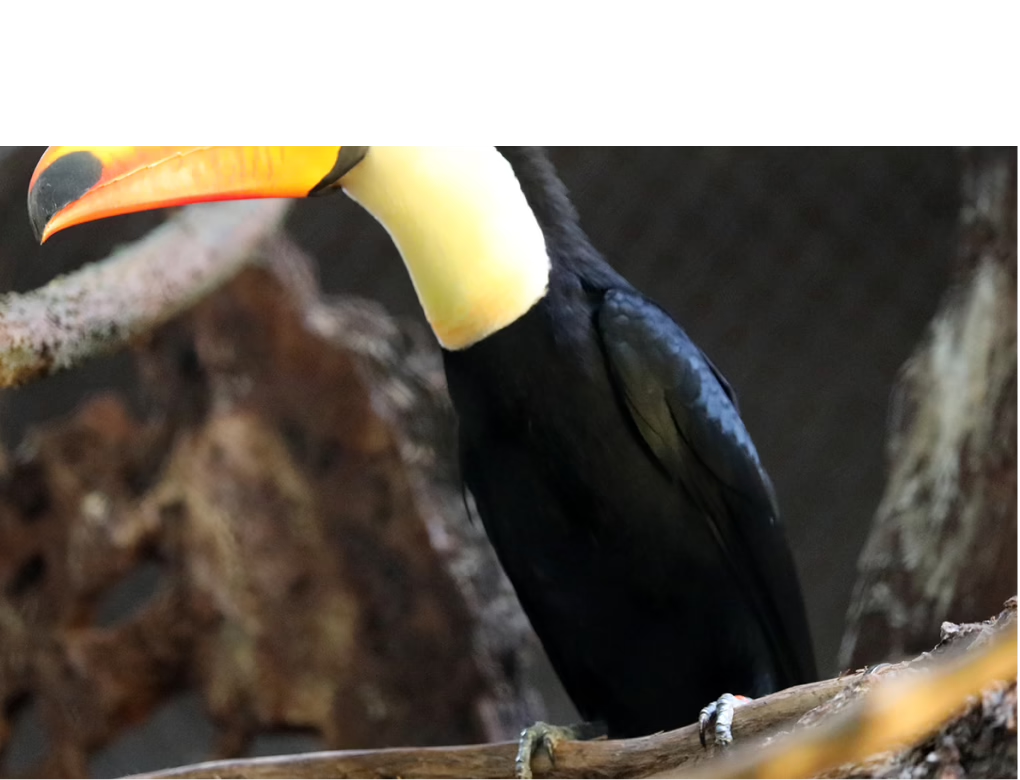
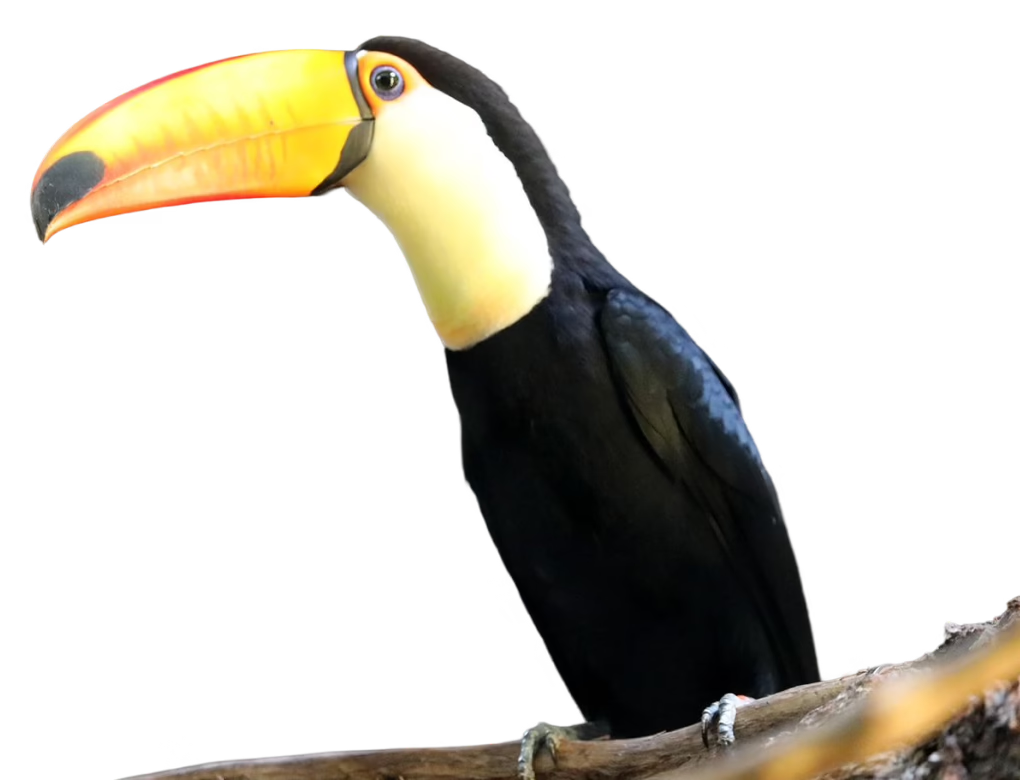
Toco toucan
Least ConcernKnown for their large, colorful bills and playful behavior, this is the largest of the toucan species.