

Conservation programs
Conservation at San Francisco Zoo means active work in the field, on-site, in partnership with organizations in our own backyard, and around the world. Here’s a look at what we’re doing and why it matters.
Protecting wildlife near and far
Conservation is an important part of our mission. We are currently living a “biodiversity crisis” losing species on a daily basis many times quicker under natural circumstances.
Conservation is ongoing work that occurs every day in the Zoo’s habitats, in locally-based ecosystems, and in partnership with organizations working locally and across the globe to protect species and restore the wild places they depend on.
Our approach to wildlife conservation starts here at SF Zoo. We manage endangered species, such as rhinoceroses, lemurs, and Great apes. Through our participation in national programs, such as the Association of Zoos and Aquariums’ Species Survival Plan (SSP) and SAFE (Saving Species from Extinction), our animals are part of the bigger picture.
Our history of work has focused on helping repopulate native ranges – such as the California bald eagle, threatened amphibian and reptile species, and through our support of in situ conservation organizations.
Conservation in action
Repopulating nearly extinct species
Frogs, turtles and other local species are extremely important to the ecosystem and are at risk of being lost forever.
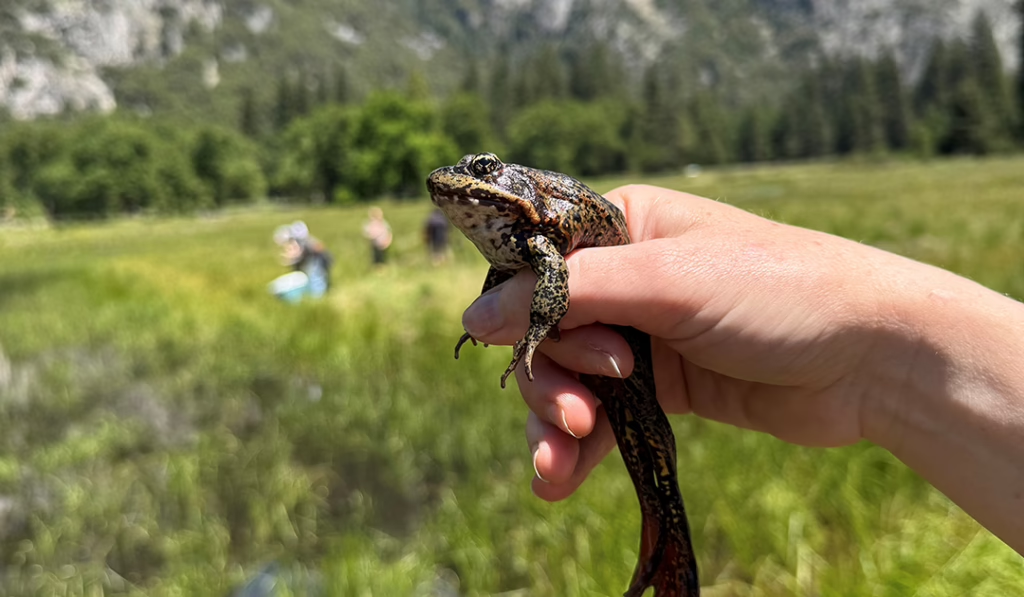
We play a leading role in protecting several species that are threatened in the Bay Area and California, including the Western pond turtle, the Sierra Nevada mountain yellow-legged frog, the California red-legged frog, and the San Francisco gartersnake.
Through head-starting programs, breeding efforts, habitat restoration, and reintroduction work, the Zoo’s conservation team works alongside a range of partners — including the National Park Service, Yosemite National Park, U.S. Fish & Wildlife Service, the Oakland Zoo, and Sonoma State University — to give these species a fighting chance.
Partnering to save snow leopards
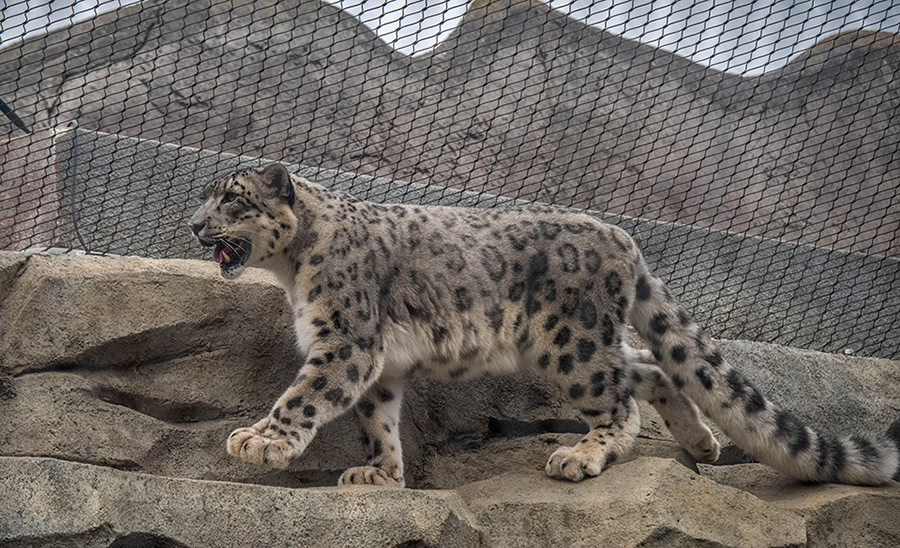
One of the most beautiful cats in the world resides in the rugged mountains of Nepal, but is endangered due to habitat loss and poaching. In partnership with the Snow Leopard Conservancy, we work to conserve wild leopards.
Leading the pack to save wolves
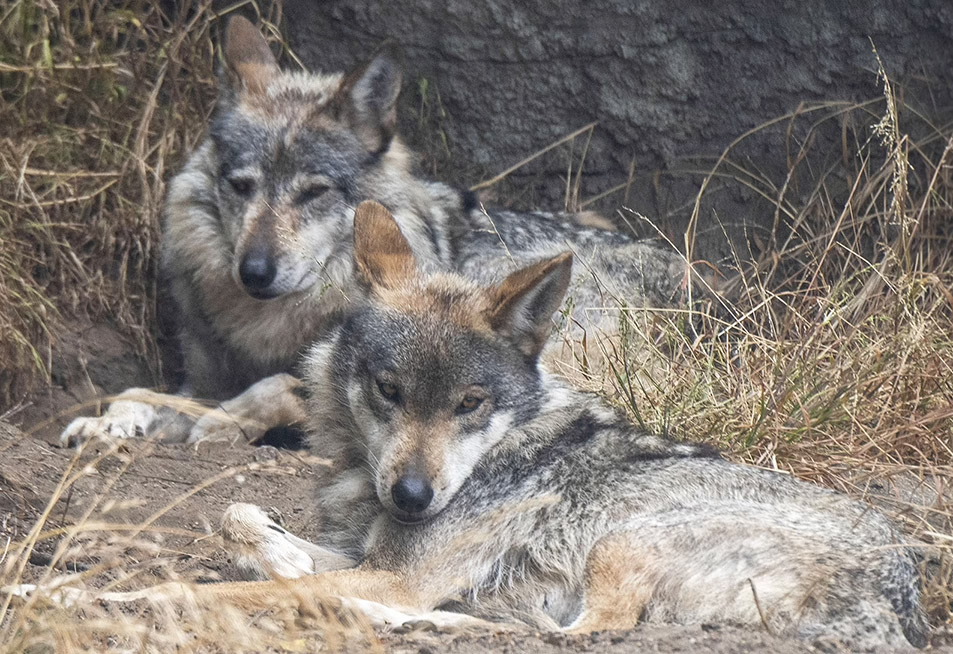
Native to the southwestern United States and Northern Mexico, the Mexican gray wolf were down to a founder population of seven. Assistance from Association of Zoos and Aquariums (AZA) accredited facilities were crucial to their repopulation success. There are now more than 300 living in their native territory.
Bald Eagle Recovery Project
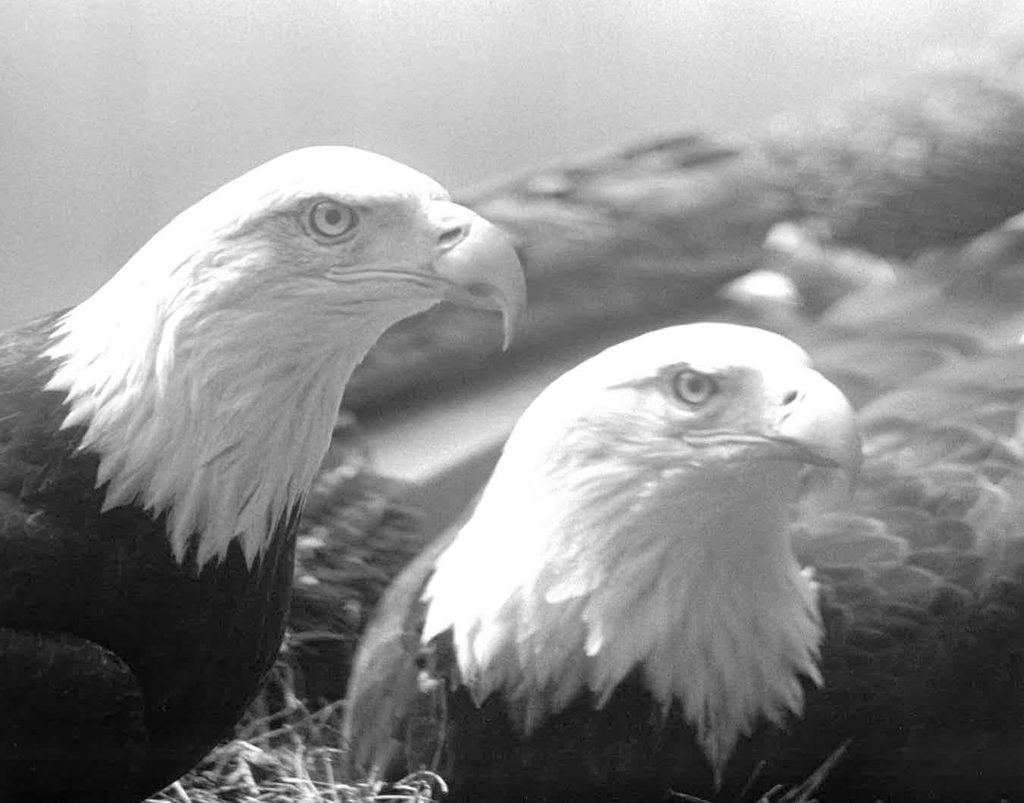
From 1985 to 2007, the Zoo’s Bald Eagle Recovery Project helped to re-establish a species on the brink of extinction, ultimately reintroducing 103 California bald eagles to the Channel Islands and Santa Cruz Island, where the species once ranged.
This successful conservation program, conducted in conjunction with the Institute of Wildlife Studies and U.S. Fish & Wildlife, served as the only large-scale captive breeding program for bald eagles in the United States.
Association of Zoos and Aquariums (AZA)
As an accredited member of the Association of Zoos and Aquariums (AZA), the Zoo participates in Species Survival Plan (SSP) programs, which are coordinated efforts across accredited institutions to manage the responsible care and breeding of threatened species. These initiatives contribute to populations that may one day support wild recovery efforts, and they represent the zoological community’s most direct contribution to preventing extinction.
AZA SAFE (Saving Animals From Extinction) focuses on the collective expertise within AZA-accredited zoos and aquariums and leverages their massive audience to save species. The SAFE programs brings together zoos and field conservation in partnerships that focus on a specific species.
Global partnerships
Beyond our gates, the Zoo is proud to partner with a growing community of conservation organizations working around the world, from the Snow Leopard Conservancy in Nepal, to the Madagascar Fauna Group supporting lemur conservation, to Polar Bears International’s Arctic Ambassador Centers addressing climate change. We are also partners with the Jane Goodall Institute, supporting the protection of chimpanzees.
Local conservation programs
From Bay Area wetlands to Sierra Nevada mountain lakes, here are species the Zoo is actively working to protect, right here in our own backyard.

Mountain Yellow-legged frog
Once pushed to the brink across the Sierra Nevada, this critically threatened frog is being given a fighting chance through the Zoo's head-starting and reintroduction work in Sequoia-Kings Canyon National Park and beyond.
San Francisco forktail damselfly
Found only in a handful of natural water seeps within San Francisco, this is one of the rarest damselflies in the United States. Zoo staff breed, rear, and release Forktail Damselflies into restored city sites in partnership with the National Park Service.
Western pond turtle
In partnership with the Oakland Zoo and Sonoma State University, the Zoo is working to establish a head-starting program for Western pond turtles — helping to determine critical factors for the species' conservation and long-term recovery. Our Conservation & Hospital teams also provide are for triaged turtles from injuries and drought conditions, and partnering on disease research with other institutions.
San Francisco gartersnake
Considered one of the world's most beautiful snakes and critically endangered, we are focusing on repopulating areas in the Bay Area in this first-ever head-start program. Project partners include the Midpeninsula Regional Open Space District, US Geological Survey, National Park Service, Golden Gate National Parks Conservancy, and SF Recreation & Parks.
California Red-legged frog
SF Zoo is the only zoo in the country rearing Red-legged frogs from metamorphosis and releasing juvenile and adult frogs into the wild. Projects include working with Yosemite Conservancy and National Park Service to re-establish populations in Yosemite Valley and other California sites.
Foothill Yellow-legged frog
In partnership with Oakland Zoo, Yosemite National Park, San Francisco Public Utilities Commission, the Bureau of Land Management, Stillwater Sciences, California Department of Fish & Wildlife, and U.S. collected frog eggs for rearing at the Zoo, for eventual release.
Conservation work takes resources. Your support makes it possible.
By the numbers
In an ecological regions, species of all sizes and scope, from insects to amphibians to reptiles, to birds and mammals, play an important part in their environment. Our Conservation Team works to re-establish populations in areas where some species disappeared. Working in tandem with state and federal organizations, our team raises species for release, while our partners monitor their recovery in the area.
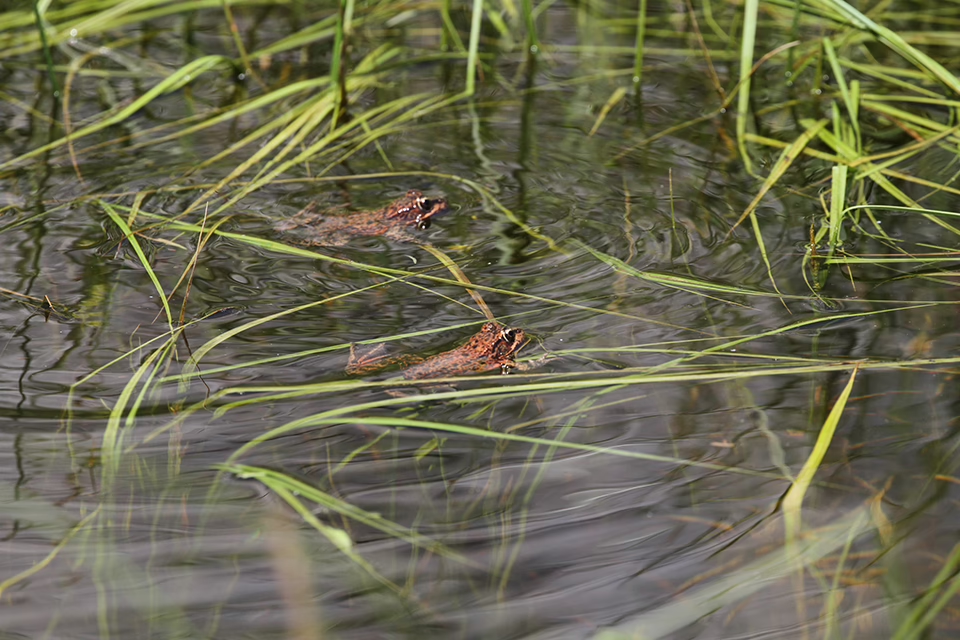
3,952
Number of Sierra Nevada Yellow-legged frog reared and released from 2013-2025.
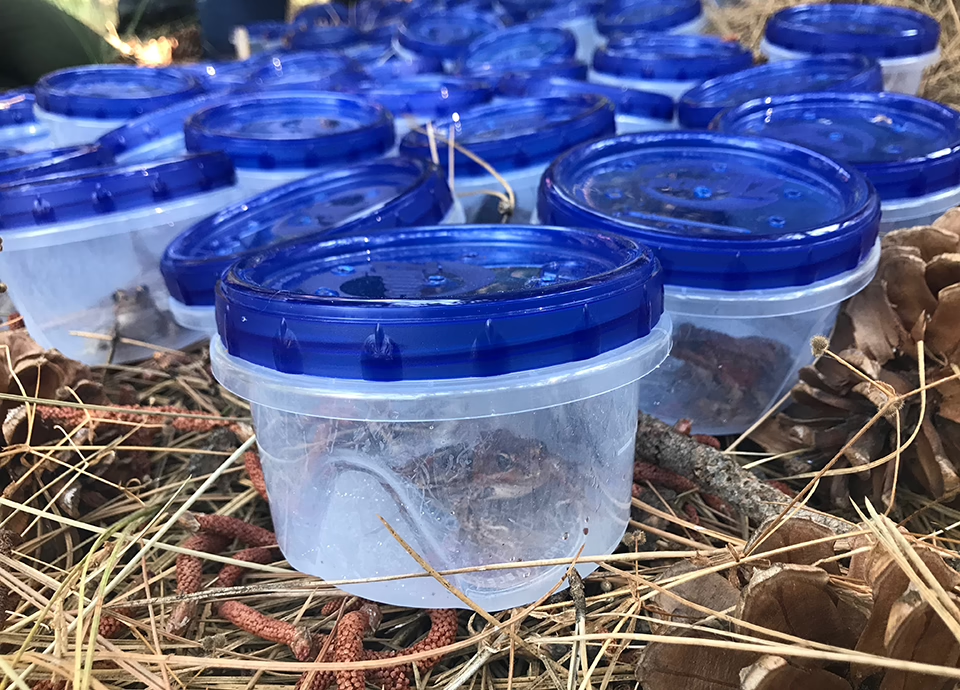
447
Number of Western pond turtles reared and released from 2008-2023.
118
Number of Yosemite toads released over a four year period, 2017, and 2022-2025.
3,377
Number of California Red-legged frogs reared and released between 2016-2025.