


Reptiles
Reptiles have evolved over millions of years, and like their ancient counterparts, serve crucial roles in ecosystems. Learn about their unique adaptations, such as scales, cold-blooded biology and extraordinary hunting skills, and more.

 English
Reptiles have evolved over millions of years, and like their ancient counterparts, serve crucial roles in ecosystems. Learn about their unique adaptations, such as scales, cold-blooded biology and extraordinary hunting skills, and more.
Filter by:
Use the filters to browse by animal group, region, or conservation status, or explore the full directory to discover species you may want to visit next.
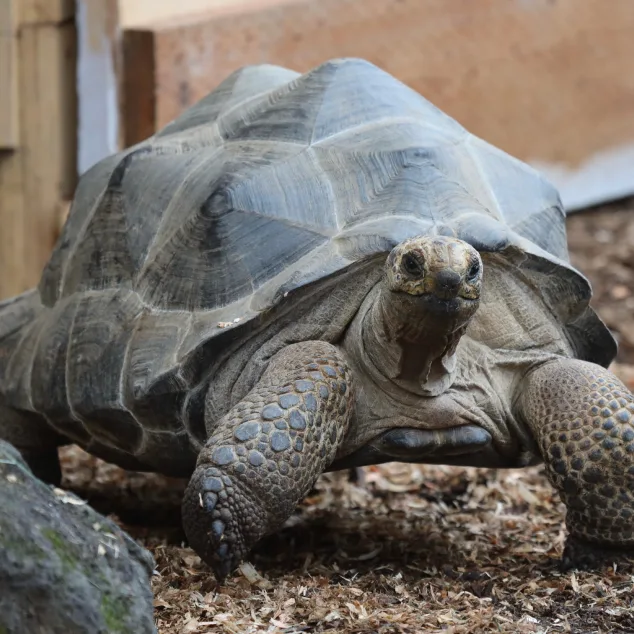
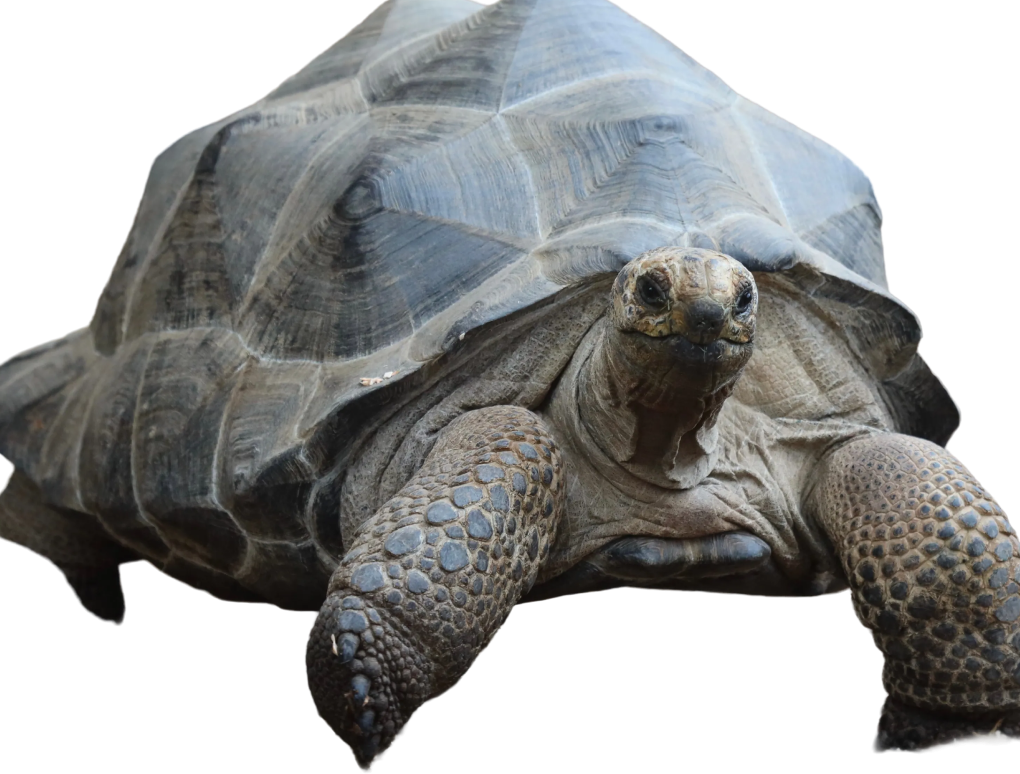
As one of the largest and longest-lived land tortoises in the world, some are known to have lived up to 170 years!
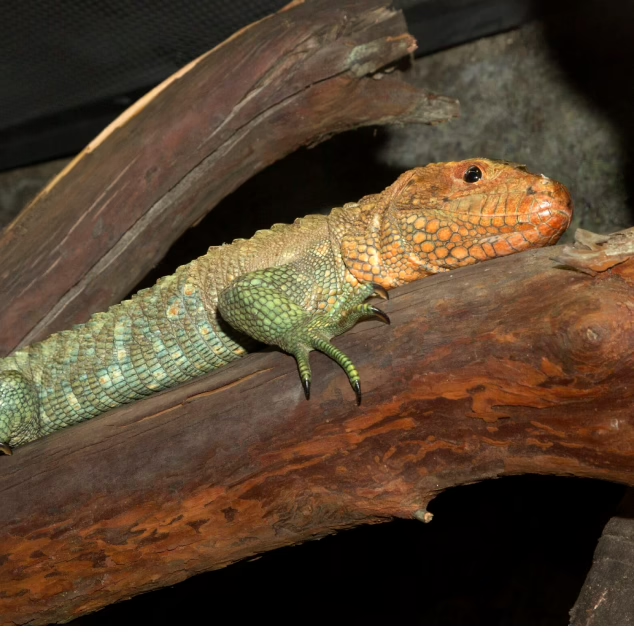
This large, semi-aquatic reptile has a long, flat tail that acts as a powerful swimming paddle.
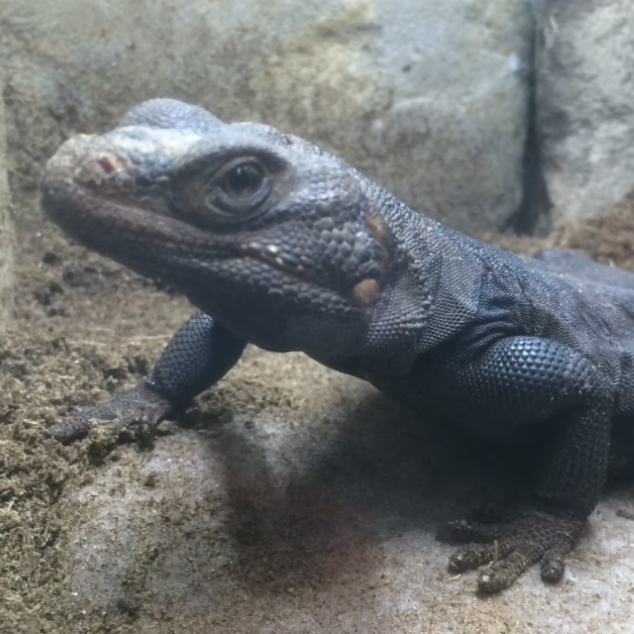
As the second largest lizard that is native to the U.S., and as rock dwellers, are found in arid deserts in the southwest and northwestern Mexico.
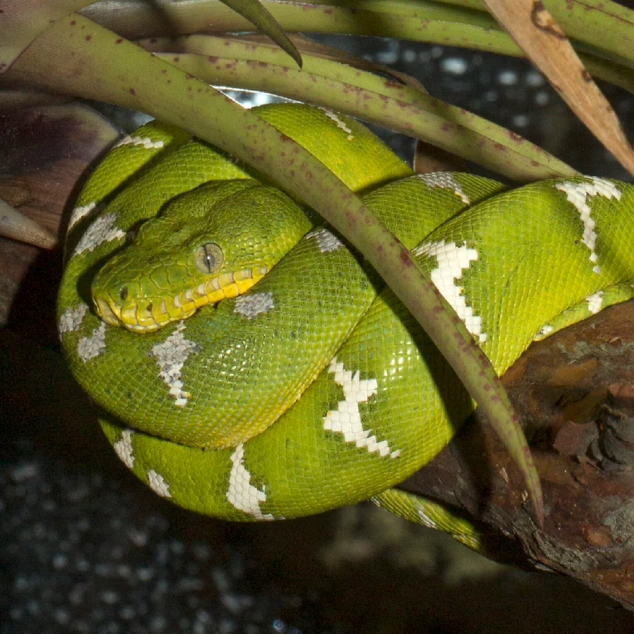
This non-venomous snake’s markings resemble lightning bolt stripes; they spend most of their time coiled around tree brancheds in their rainforest home.
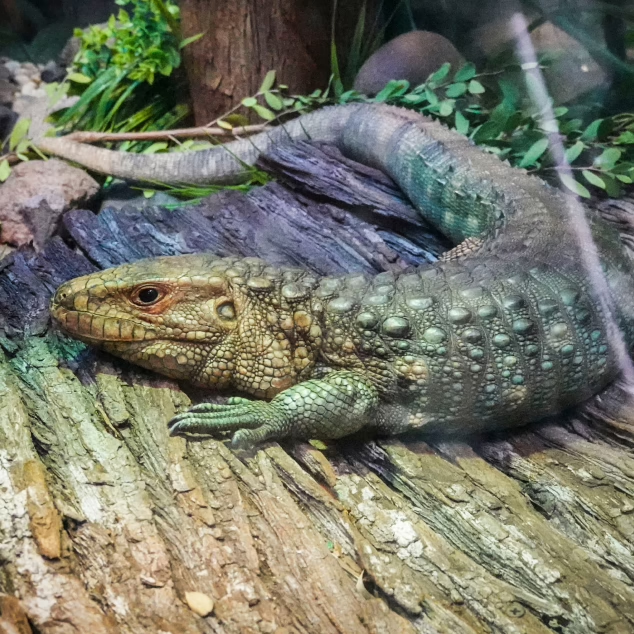
This endangered iguana species is considered small to medium sized, lightweight and can have excellent climbing abilities.
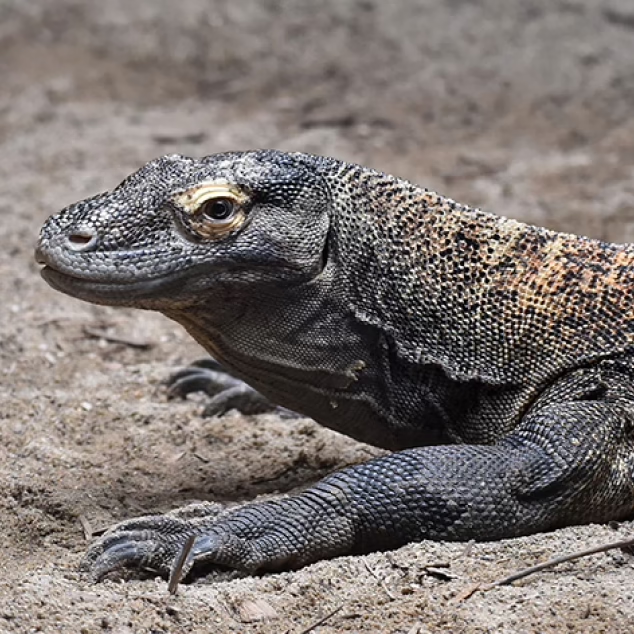
As the world’s largest lizard, males can weigh up to 200 pounds and reach nine-feet long.
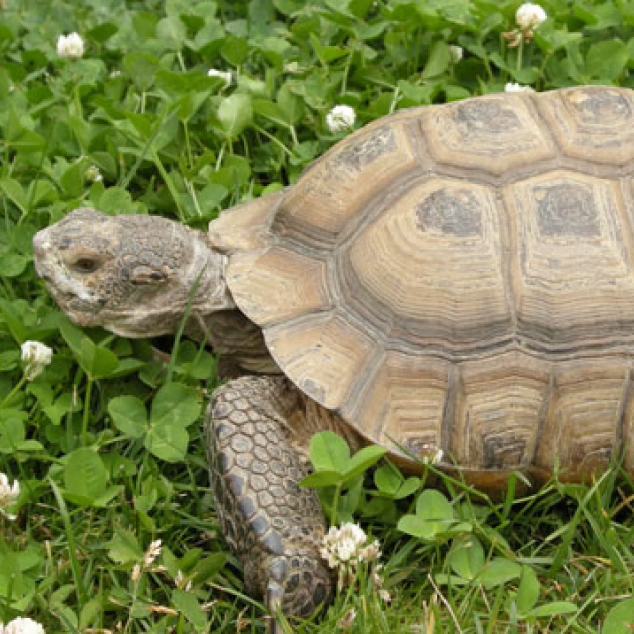
California’s state reptile, and a long-lived species.
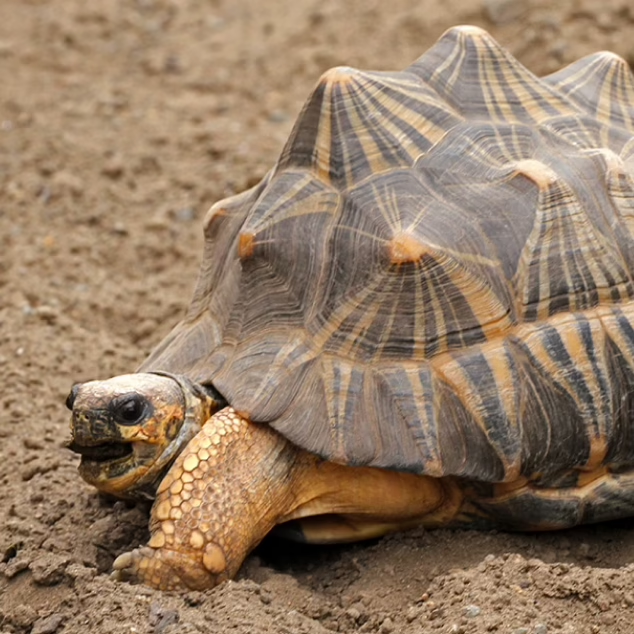
They are so named because of their beautifully patterned shell that looks like a sunburst radiating outward.
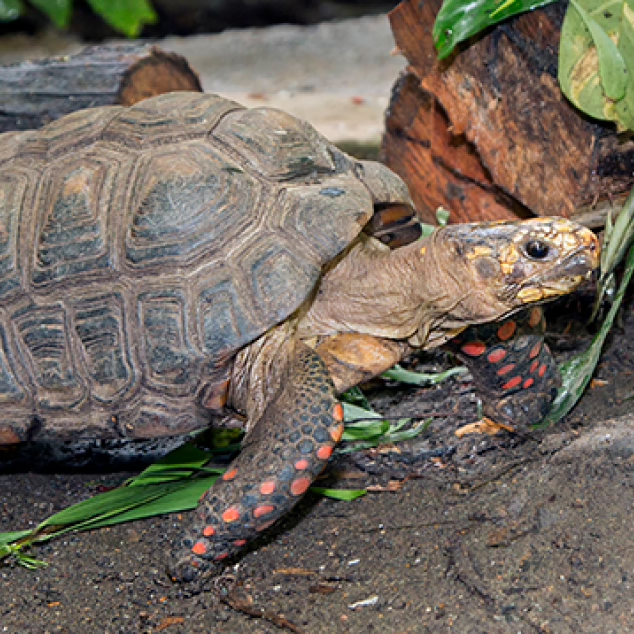
Known for their red, orange and yellow scales on their legs and head, they camouflage well in their forest habitat.