



Our History
From a single grizzly bear in 1889 to one of the West Coast’s most beloved wildlife destinations, discover the people, places, and milestones that shaped San Francisco Zoo & Gardens.
It started with a bear
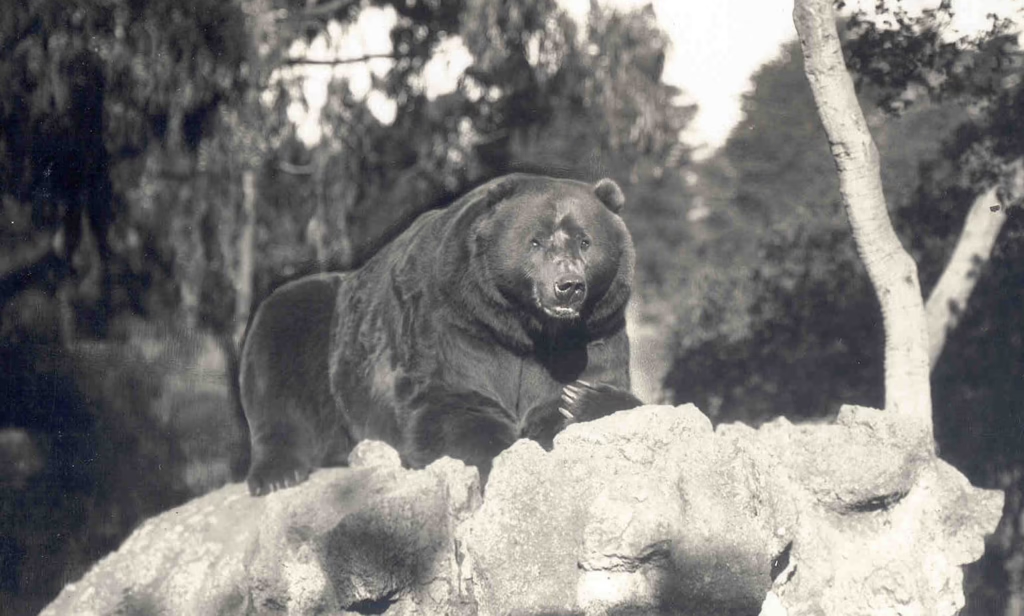
Our story began more than 130 years ago with one man and one bear. Monarch was the last California grizzly, a now extinct subspecies of the grizzly bear. He became an important symbol of the state’s evolving relationship with vanishing wildlife, and a figure of strength and rejuvenation after surviving the great earthquake of 1906.
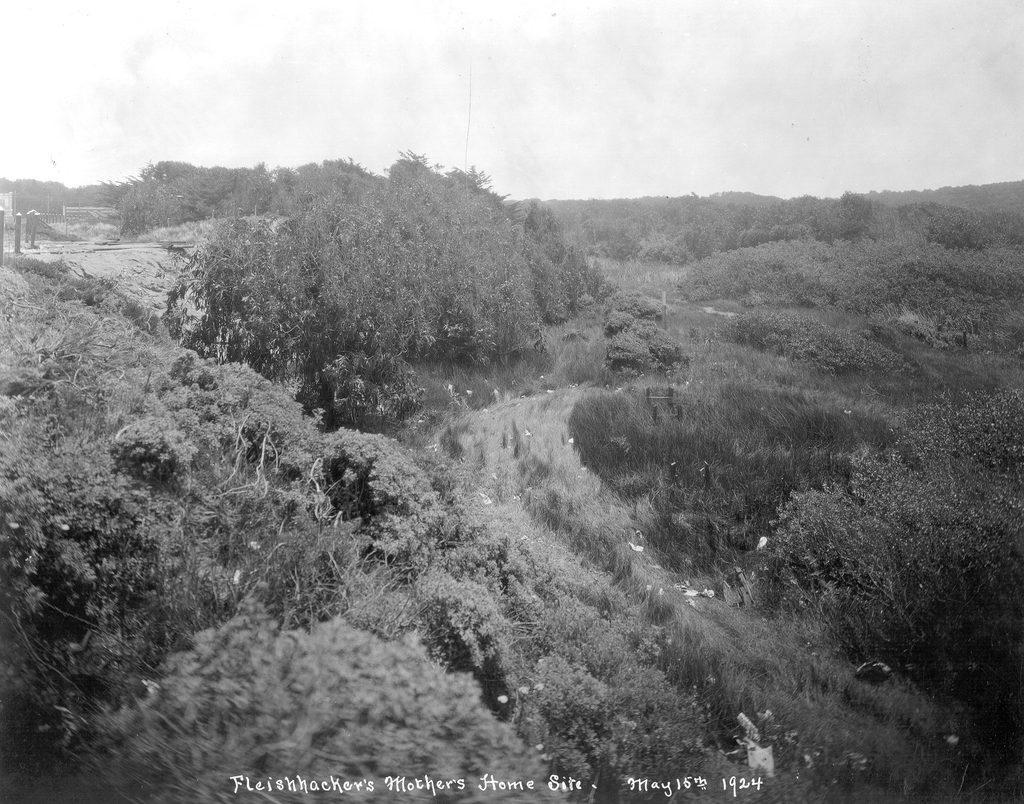
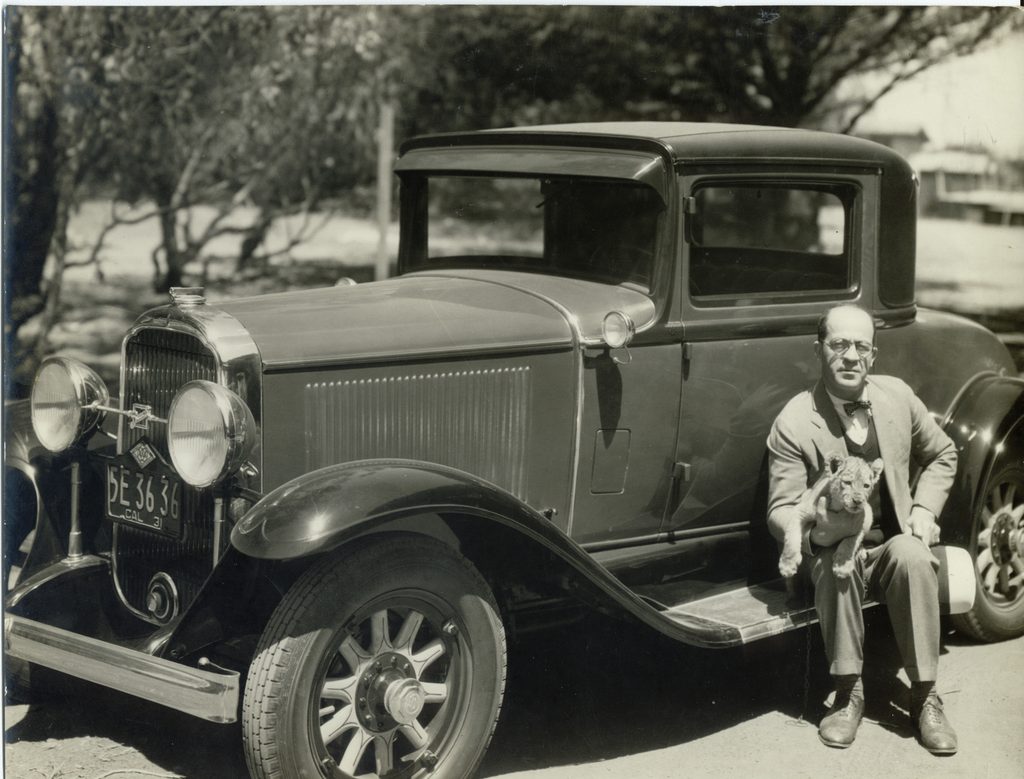
The man was Herbert Fleishhacker, a San Francisco philanthrophist and president of the park commission. Fleishhacker believed that no major city should be without the cultural benefits of a local zoo, especially the burgeoning metropolis of San Francisco.
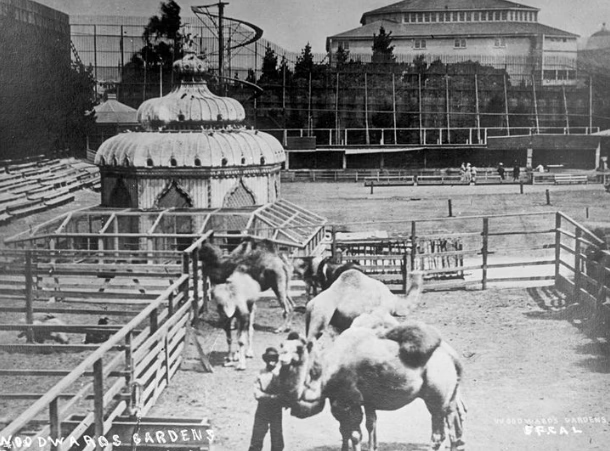
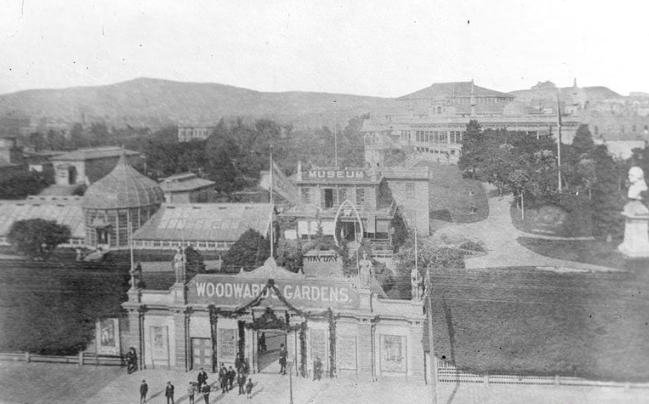
Monarch was a wild grizzly that was brazenly captured in 1889 as proof that the California grizzly bear still existed. He lived 20 years more, first at Woodward’s Garden, then in Golden Gate Park and was the inspiration for the bear on the California state flag. Though he never set “paw” in our current location, he inspired Fleishhacker to build a zoo for the ages.
History in a nutshell
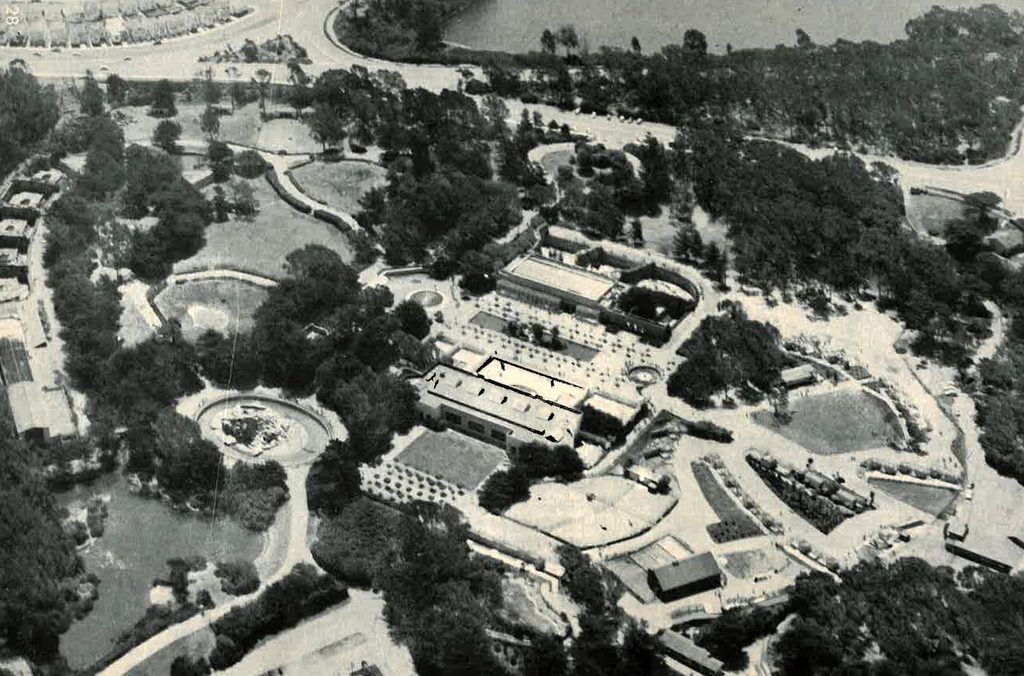
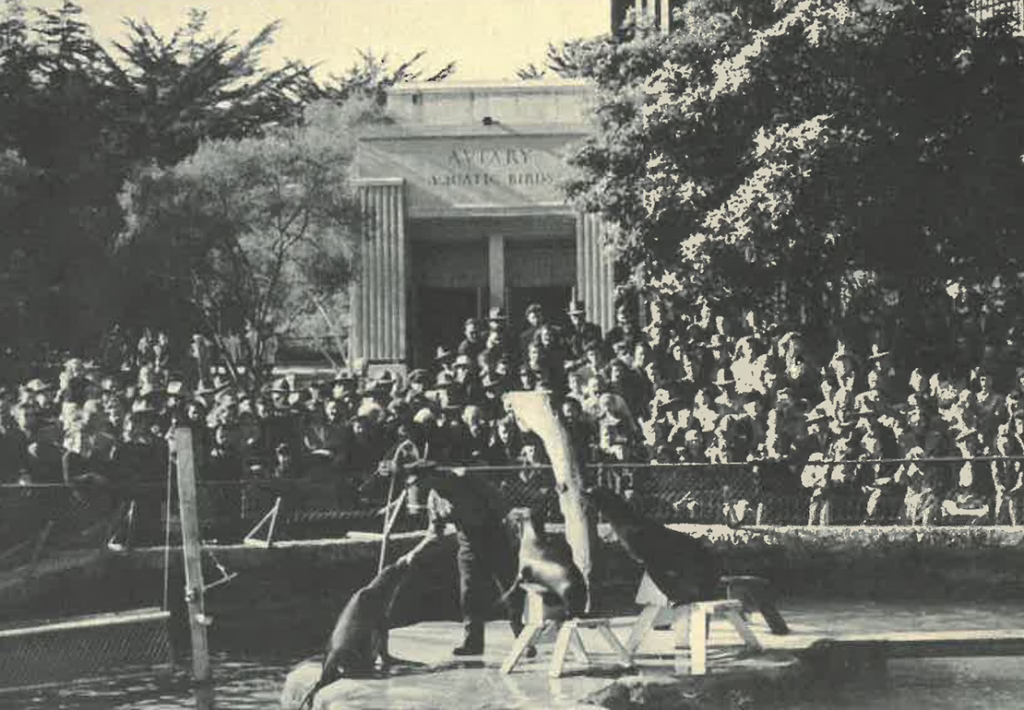
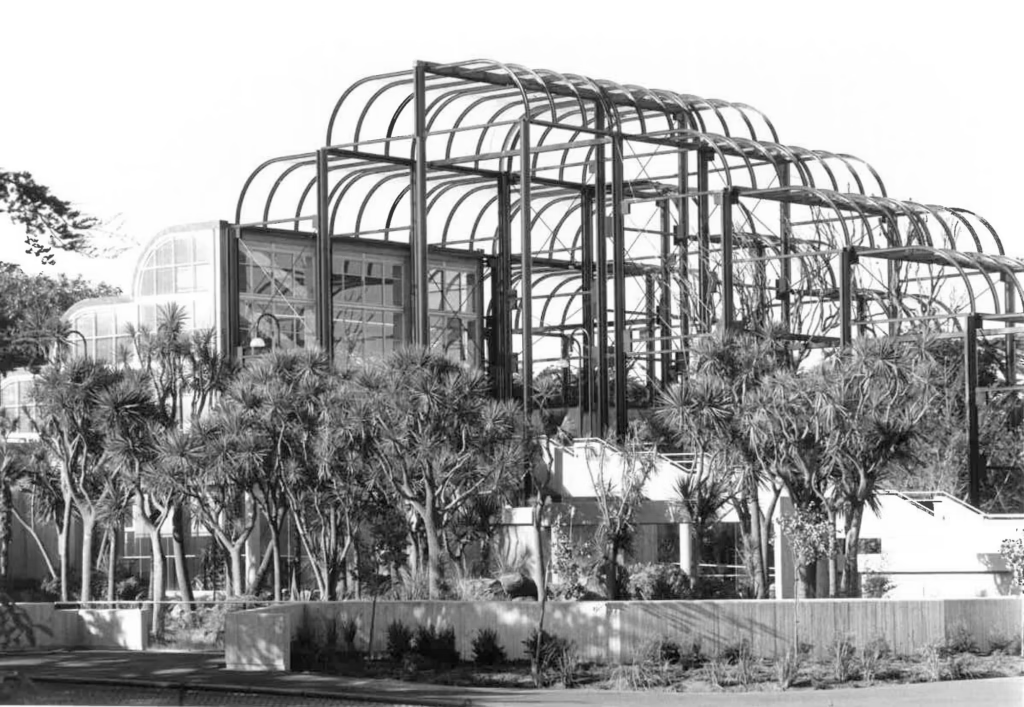
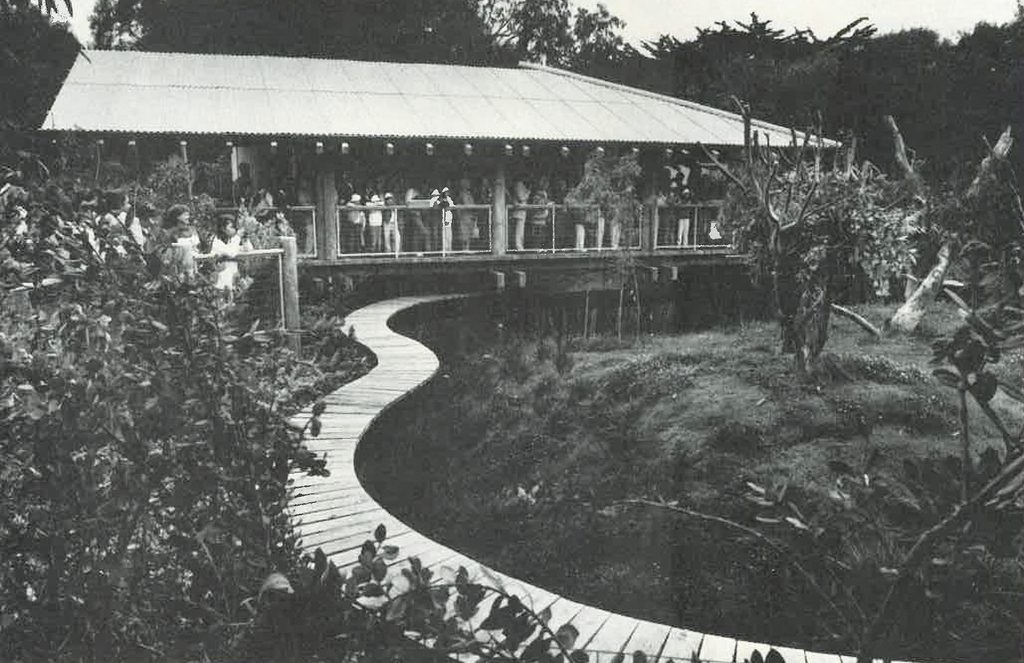
The City of San Francisco has a rich and storied history, filled with interesting characters, dreamers and change-makers. Named after St. Francis of Assisi, the patron saint of animals and the environment, San Francisco was destined to be a place where animals are revered.
Beloved historical attractions
Some of our most cherished attractions and historic structures have been a part of San Francisco Zoo & Gardens as long as the Zoo has been around.
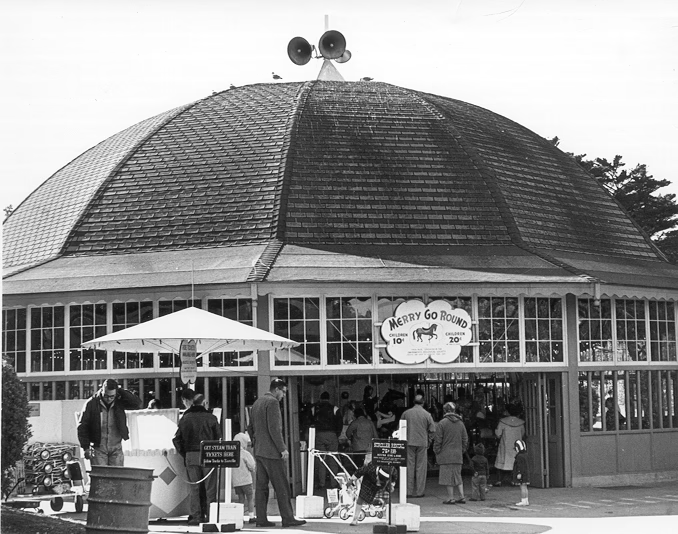
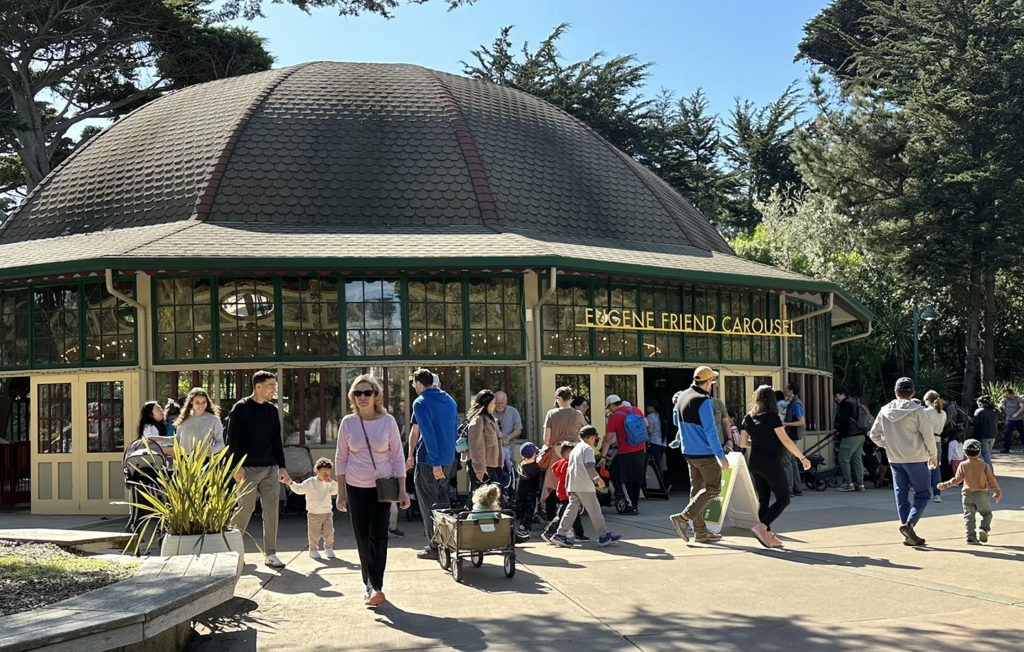
The Dentzel Carousel remains one of the most beloved attractions in all of San Francisco. For generations, the beautifully hand-carved, wooden menagerie carousel has thrilled young and old alike, and continues to this day. It is one of the last existing machines lovingly hand-crafted by renowned carousel builder William H. Dentzel in 1921.
Named to honor Bay Area philanthropist, Eugene Friend, ours is one of the last machines constructed by William H. Dentzel, son of famed German carousel builder Gustov Dentzel, who carried his father’s idea to the U.S. in 1860.
- 1921 – Carousel is built, showcasing the lavish, expensive, intricately detailed, hand-carved wooden artwork that disappeared during the Great Depression of the 1930s (modern carousels are made of cast metal and fiberglass).
- 1925 – Dentzel Carousel is moved to zoo site from the defunct Pacific City Amusement Park in Burlingame. It was one of the Zoo’s first attractions, as well as the first “animal attraction” that visitors saw and heard as they passed through the former Sloat gate entrance.
The Carousel features two chariots and 50 animals. Among them are horses, giraffes, ostriches, tigers, lions, pigs, rabbits, cats and a reindeer. Each are custom and individualized, embellished with whimsical details and jewels. This rare menagerie carousel is one of only 14 in the world, and is one of only 7 Dentzel Carousels remaining in the United States.
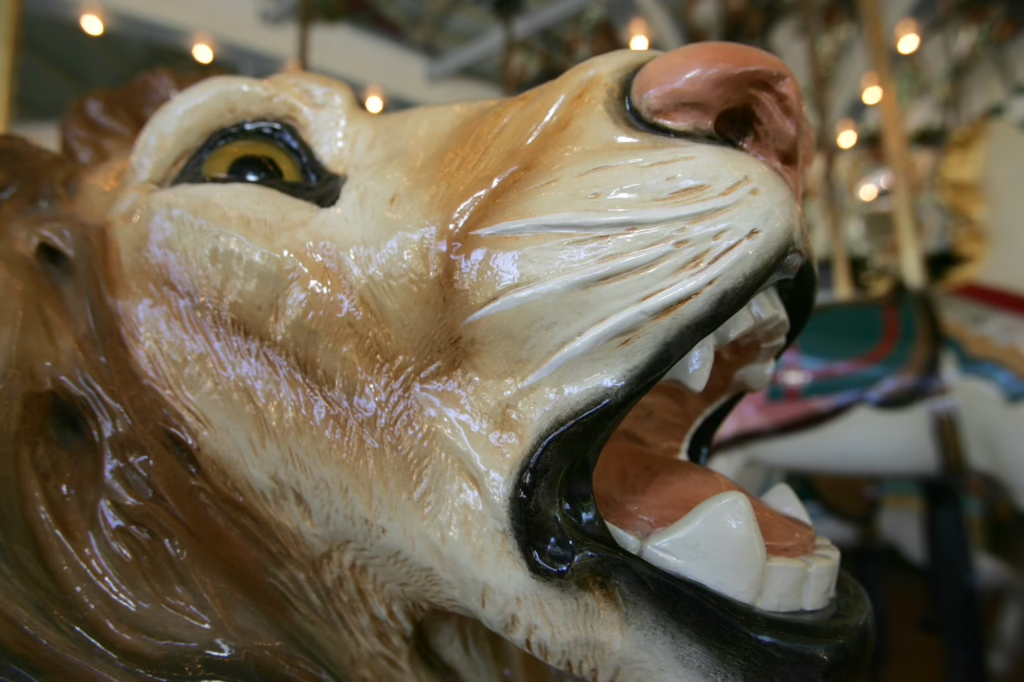
Over the years, the Carousel has undergone several extensive renovations. In 2000, expert carousel restorers, Brass Ring Entertainment dismantled and hand-restored each of the carousel animals in a $1 million restoration project. In conjunction with the San Francisco Arts Commission, work was conducted to document the original colors and color scheme to restore the carousel to its original appearance.
The work rejuvenated color, markings and spots, even matching the stripes of the tiger with those of one of the Zoo’s own Sumatran tigers. The restorers spent nearly 1,000 hours on each animal, painstakingly and lovingly recreating each as originally intended. Hardened steel gears cut to the original Dentzel specifications were installed, plus a new drive system with electronically controlled motors and new steel bearings. Lastly, the interior and exterior building and roof were repaired and repainted.
In 2006, the Carousel received more upgrades, including beautification of the surrounding plaza, to serve the Zoo’s increasing number of visitors.
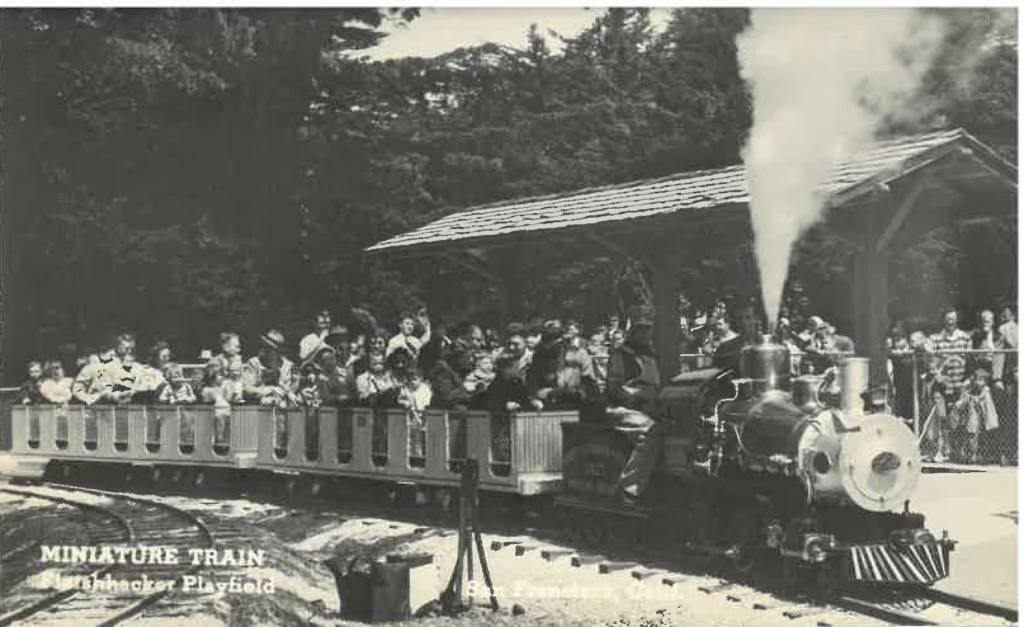
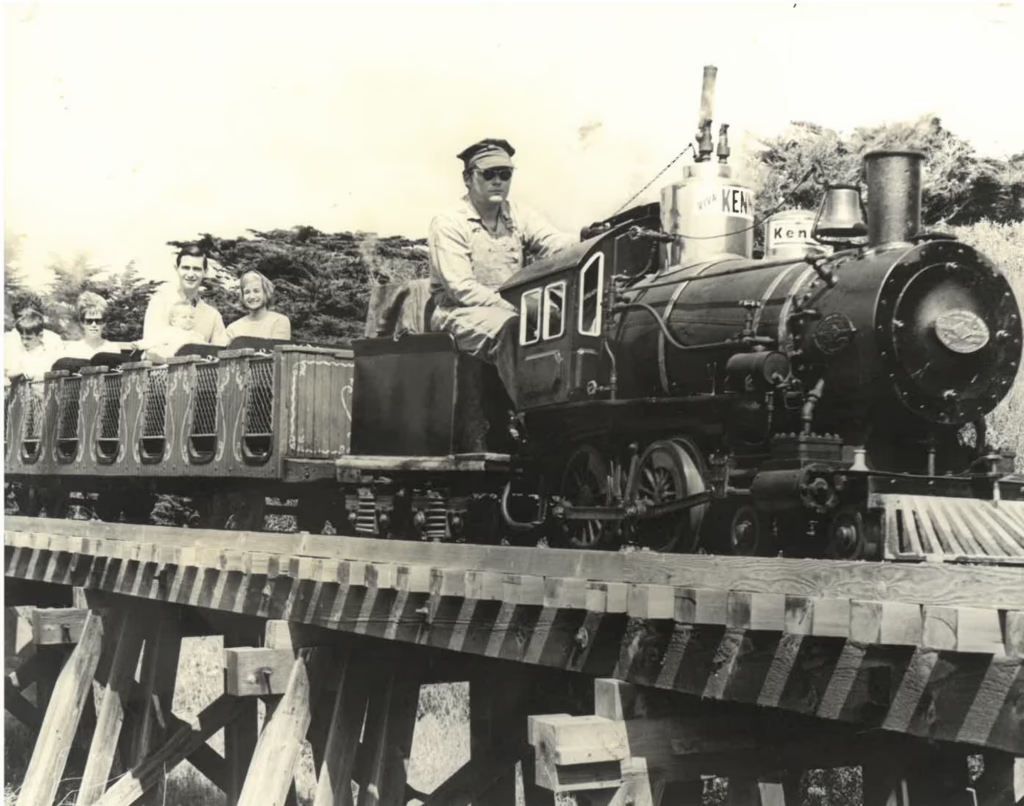
One of San Francisco Zoo & Gardens’ most unique attractions isn’t an animal, instead it’s a rare miniature steam train known affectionately as “Little Puffer.” And for those who know its history, it’s also the “little engine that could.”
Called the Fleishhacker Playfield Limited and nicknamed Little Puffer, the train chugged around the Zoo for 50 years before being relegated into storage in 1980 for almost 20 years. Its return in 1998 delighted all.
When you see the Little Puffer today, you’d never guess that this fully functional, pristine miniature steam train is over 105 years of age, a throwback to a time when a movie cost a quarter and bottle of Coke was only five cents. It is one of only three remaining 22-inch gauge engines left in the world. Little Puffer is an integral part of SF Zoo’s history and still an important part of the Zoo today.
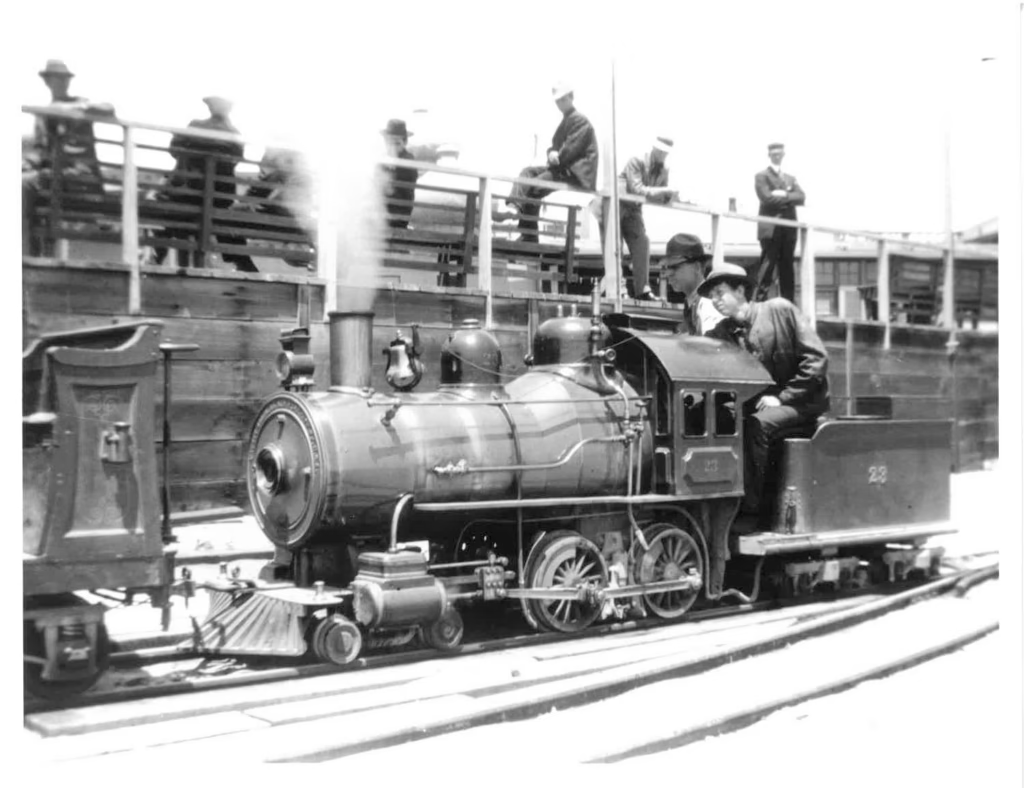
- 1904 — the renowned Cagney Brothers’ Miniature Railroad Company, based in New York City, manufactured a few 22-inch gauge “Class E” miniature steam locomotives. One of these won the Grand Prize for Freight and Passenger Locomotives at the 1904 Louisiana Purchase Exposition. It is believed that only six or seven of these remarkable trains were built. Though some were sold for mining operations, mills and amusement rides, the Zoo train may indeed have actually operated at Louisiana Purchase Exposition.
- 1907-1915 — Records indicate that the train was in service along a sandy beach in Santa Cruz from 1907 to 1915. After this, it is believed that the train was almost destroyed in a warehouse fire.
- 1920s — Ford car dealer Joseph Cornelius Hayes purportedly purchases the train. It had been sold for scrap by the operation in Santa Cruz when Hayes and a partner discovered the train in a scrap yard near Third and Brannan Streets in San Francisco. The story suggests that the train was purchased as scrap metal in exchange for “three cases of gin and an old Oldsmobile.”
- 1920-1924 — Around that time the train was thought to be restored for relocation to San Francisco’s Ocean Beach. However, after Fire Commissioners would not issue a permit as the locomotive was a coal burner and consequently a fire hazard, another site was considered. This more promising site was an amusement park in San Mateo, CA called Pacific City but it closed due to financial woes soon after it opened in 1924. To avoid having the train impounded, it was removed and hidden for two years in an old abandoned livery stable in Burlingame.
- 1925 — Herbert Fleishhacker purchases the train and installs it at the new Herbert Fleishhacker Zoo, where it remains for 53 years,
- 1935 — Newspapers tout the Fleishhacker Playfield Limited as the only train in San Francisco to make daily runs with full passenger loads every trip. The operating costs consisted of the coal burned by the locomotive and the salary of one man who served as engineer, conductor, fireman, oiler and shop man.
- 1965 — Little Puffer is renamed “The California Zephyr” after Western Pacific Railroad sponsors a restoration of the train and its tracks.
- 1971 — According to a newspaper article, plans were made to retire the train and replace it with a larger train on a bigger, longer track, powered by a Ford tractor engine. The new train and tracks were to cost $300,000, but plans fell through.
- 1978 — Although it had then been scheduled to retire in 1971, it wasn’t until 1978 that the train was finally packed away to make room for Gorilla World, an exhibit that opened in 1980.
Back in Service
The little train languished in storage for 20 years until the tired and dilapidated steamer was dusted off and taken out of storage in The Pachyderm House with two Asian elephants, a grey seal and a pygmy hippo. Time had not been kind to Little Puffer. She was in a sad state of disrepair, with parts missing and splintered and chipped wood in the passenger cars.
It was 1997, and through the generous support of the Richard and Rhoda Goldman Fund, California Federal Bank and the GGRM, the Zoo had what it needed to bring Little Puffer back to life. San Francisco’s GGRM, a nationally-recognized organization dedicated to the preservation and exhibition of historic railroad equipment, went to work to restore the historic steam train.
Working with outside contractors, such as PG&E, track architects, bodywork and boiler specialists, the reconstruction team took to the challenge. GGRM members, all volunteers, disassembled, reassembled, painted, welded, sandblasted, fitted and created train gears, parts and pieces to recreate the miniature train. They also retrofitted it to run on cleaner-burning natural gas. Meanwhile, the Zoo started laying track for the new, longer route. The cost to renovate the train, which sold for just $15,000 in a 1905 Cagney catalog, was approximately $75,000. The addition of the new depot, plaza area, track layout, landscaping and storage barn facility, brought the cost to $700,000.
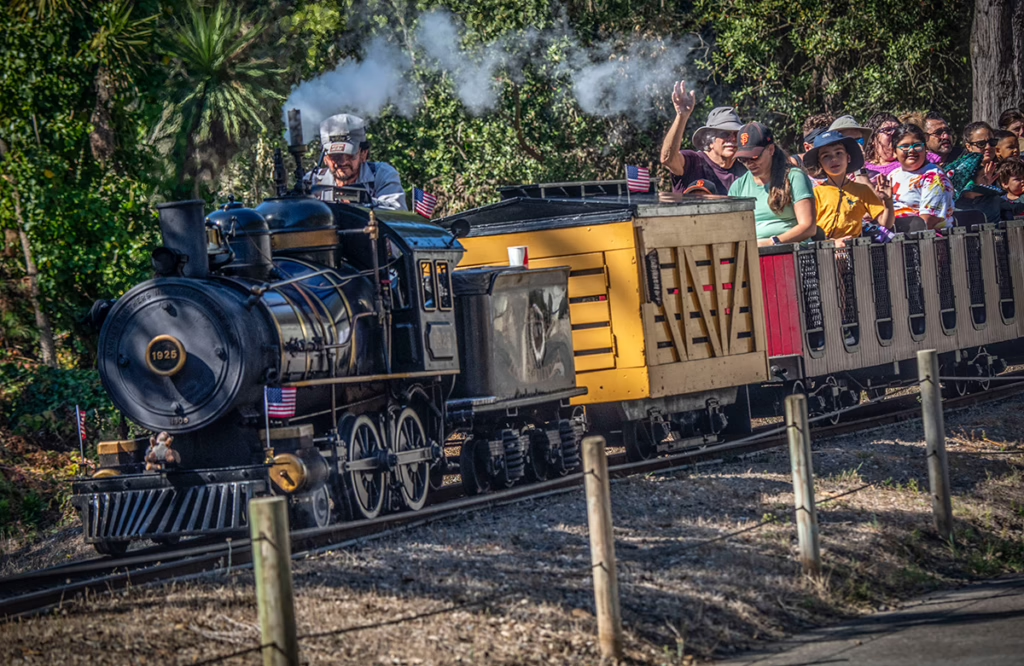
Currently, Little Puffer is offline, as work to retrofit it yet again continues. Today you can ride the “Cobby” locomotive, named after our beloved male chimpanzee, who passed away in 2021 at the age of 63, the oldest living male chimpanzee in zoos at the time.
The Zoo was once the site of the world’s largest swimming pool in an age when civic leaders created attractions that were billed as the biggest, longest, tallest, and most original.
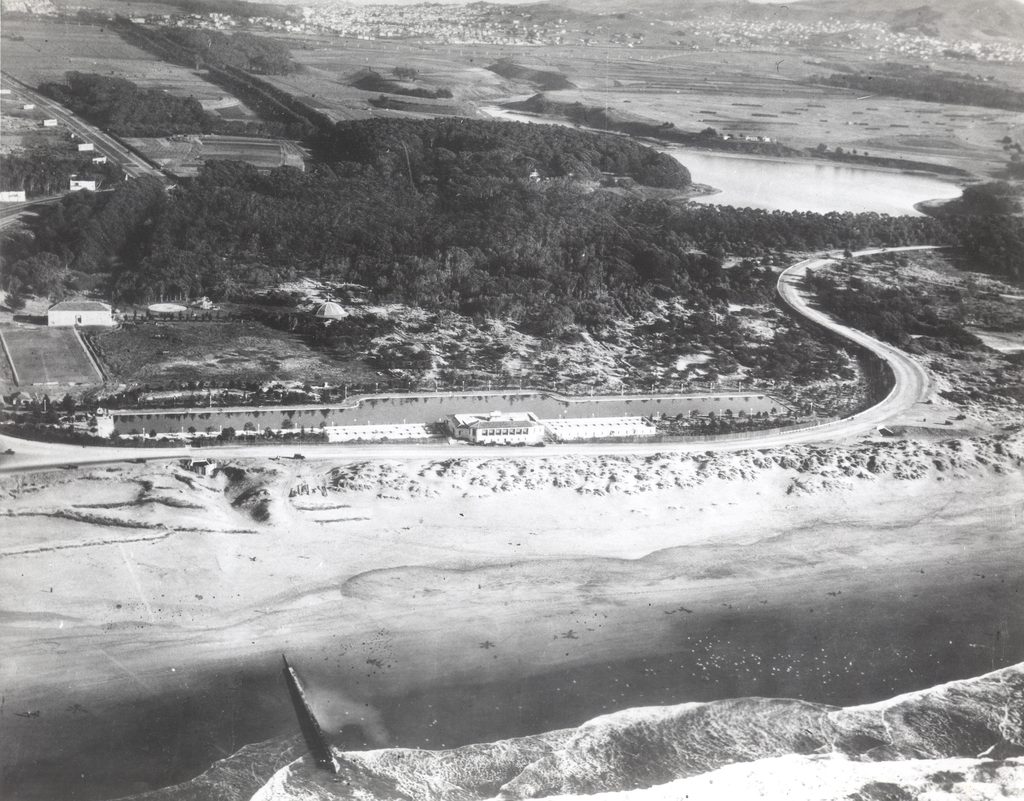
Fleishhacker Pool, the largest swimming pool in the United States, was located right next to SF Zoo for 47 years. Its storied history includes movie stars from the Hollywood’s golden era, such as Johnny Weismuller, Esther Williams and Ann Curtis. The pool — so large that lifeguards used wooden row boats to make their way across — was also used by the military for drills and exercises, and was an ideal pool to host swimming meets and races. The pool holds fond memories for many San Franciscans, who to this day can recall when they swam in this colossal pool.
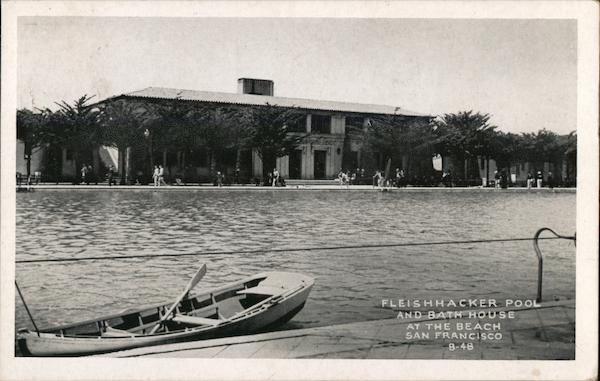
- 1924 – Philanthropist and civic leader Herbert Fleishhacker conceived of and builds the world-renowned pool. Under Fleishhacker’s leadership, the Park Commission persuaded the City to purchase 30 acres of oceanside land from the Spring Valley Water Company to establish a site for the present zoo.
- 1925 – Fleishhacker Pool opens on April 23, 1925. The pool was 1,000 feet long and 150 feet wide. A diving pool measured 50 feet square and 14 feet deep with a tiered diving tower. The main pool had a capacity of six million gallons and could accommodate 10,000 swimmers. Salt water was pumped into the pool at high tide through a pipeline from the ocean and then pumped out at low tide.
- 1971 – Fleishhacker Pool closes after years of deterioration and a lack of modern operational systems; the pool could not meet modern health standards. Though consideration was made to refurbish and reopen this historic landmark, studies showed that public usage was extremely low (22,140 in 1970), annual operating costs were very high ($56,000), and there was little revenue ($6,000) to offset these costs.
- 2002 – The pool lay dormant for several years until it was filled with sand and gravel to serve as an access road for maintenance trucks and as an employee parking lot. In 2002, it was transformed as the site of a guest parking area and to service a new ADA accessible main entrance.
- 2012 – The last vestige of the Fleishhacker Pool — the poolhouse — burned down on December 1, 2012, after a two-alarm fire destroyed the poolhouse roof and interior. Due to safety hazards, the poolhouse was demolished that same month. What remains is a small facade that stands on the westside of the parking lot.
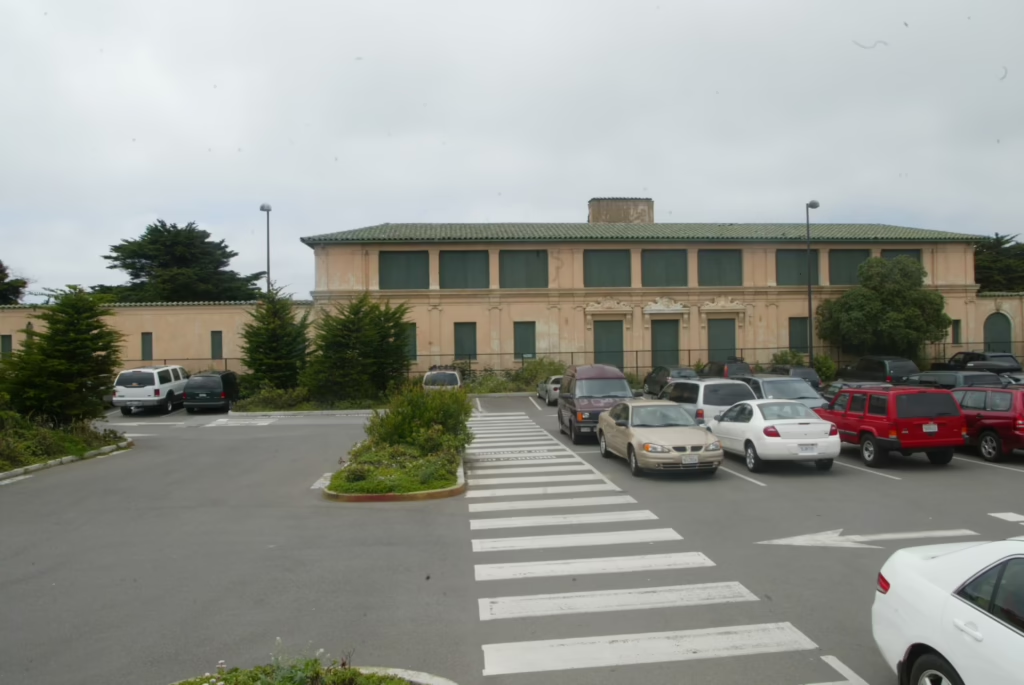
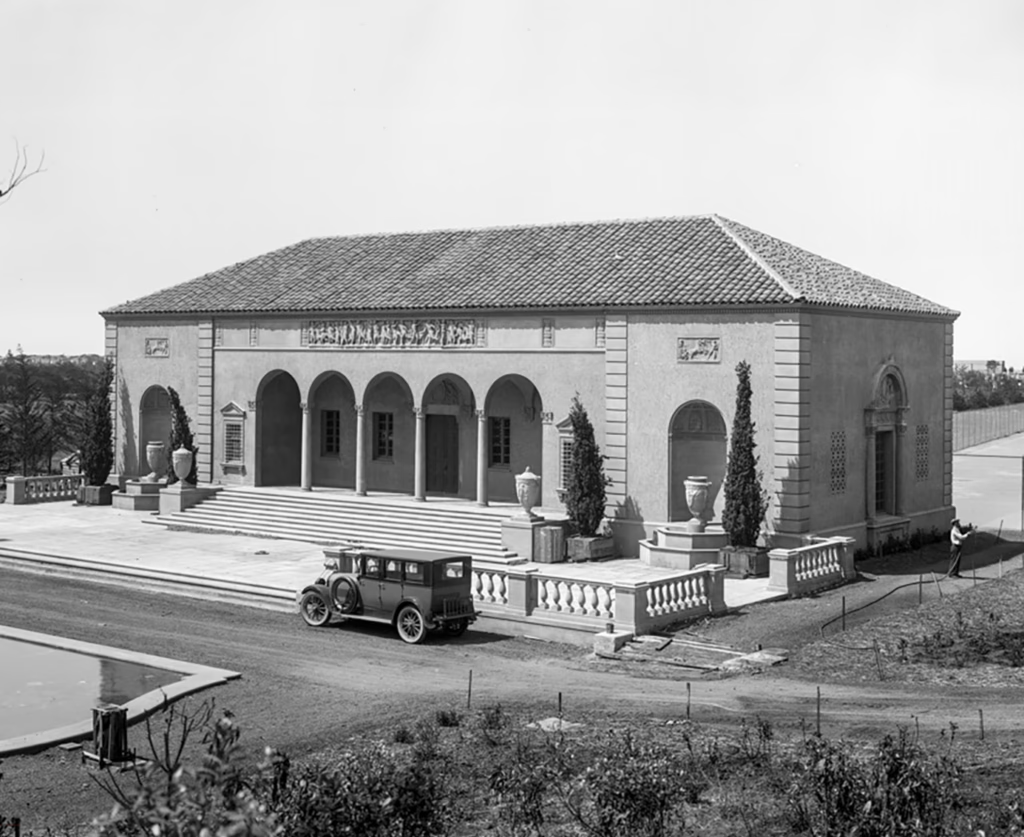
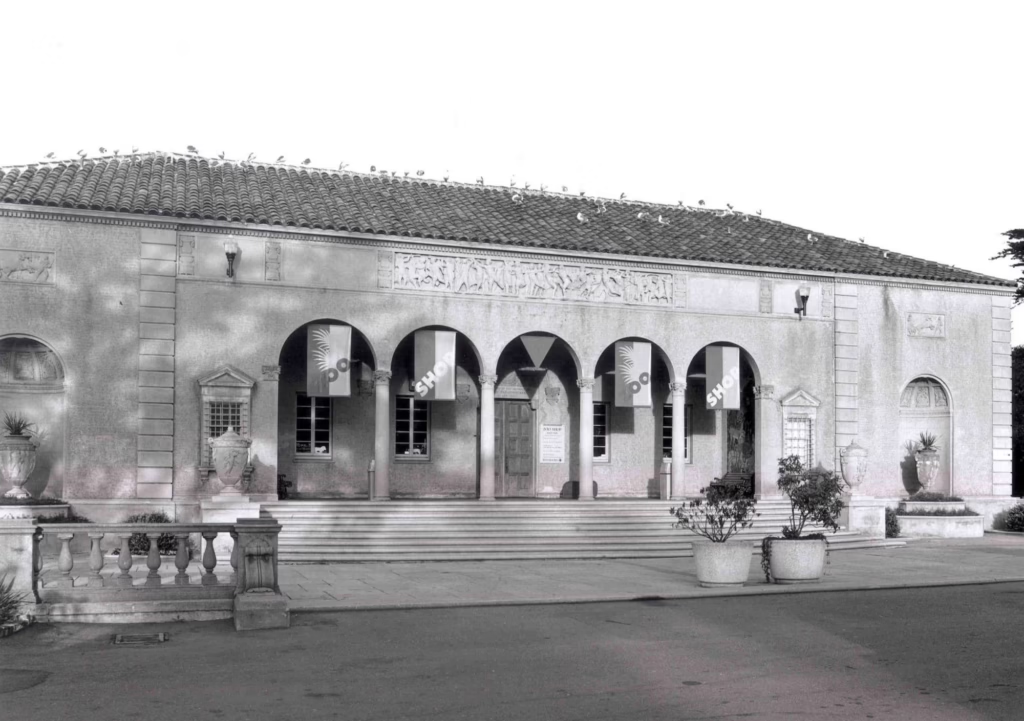
The Mother’s Building opened in 1925 as a dedicated haven for mothers to relax. It was situated adjacent to the Fleishhacker Pool and Playfield, four years before the Fleishhacker Zoo (now San Francisco Zoo & Gardens) was established. Designed by noted San Francisco architect George W. Kelham in the Italian Renaissance Revival style, the building featured restrooms, nurseries, and refreshments; notably, no boys over the age of 6 were permitted inside. When it was first built, a small children’s wading pool was located outside its front entrance.
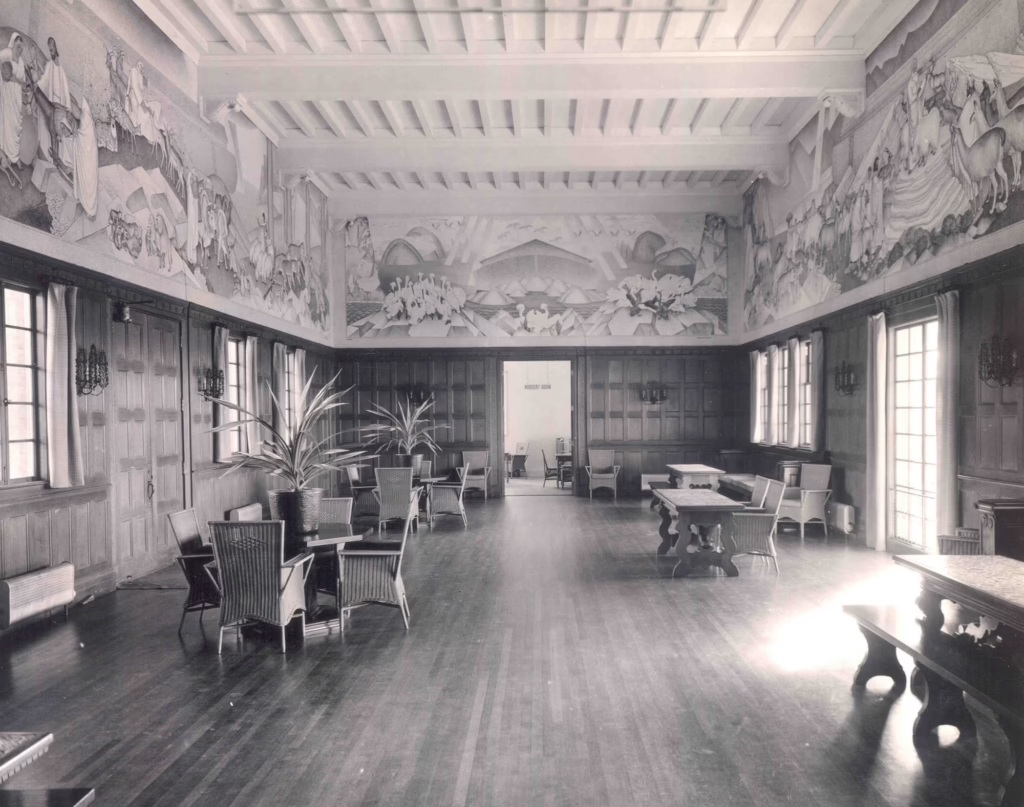
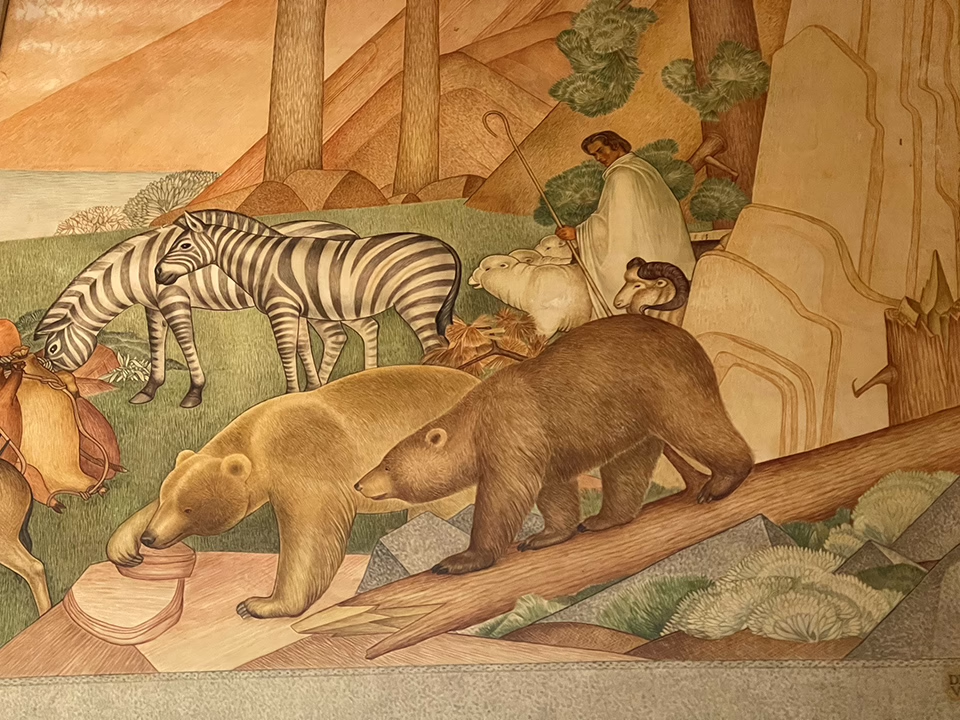
As part of the Public Works of Art Project in the 1930s, sisters Helen, Margaret, and Esther Bruton created the building’s exterior mosaics, which depict animals and Saint Francis. Inside, murals covering 1,200 square feet of the upper walls were commissioned by the Federal Art Project. Painted by Helen Forbes and Dorothy Puccinelli, these extensive works utilized egg tempera over a fresco plaster base to illustrate vivid scenes from Noah’s Ark.
In later years, the Mother’s Building served as a zoo gift shop. However, it was badly damaged during the 1989 Loma Prieta earthquake and remains closed to the public. Today, it is recognized for its immense historical and architectural value as a San Francisco Designated Landmark, a California Historical Landmark, and a listing on the National Register of Historic Places.
In 1959, the 3-acre Storyland debuted as an outdoor playground area featuring life-sized scenes from nursery rhymes and fairy tales with play equipment. Storyland was developed, opened, and operated by the San Francisco Recreation and Park Department. Considered a unique concept in family entertainment, it consisted of 26 animated action and audio sets in 2 and 3 dimensions.
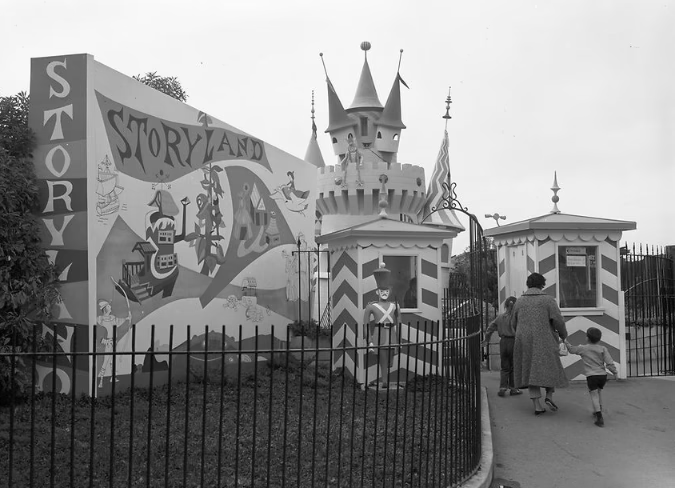
Animated fairy tale sets depicted scenes from Old King Cole, Little Red Riding Hood, Snow White, Humpty Dumpty, Hansel and Gretel, and Old Mother Hubbard. A playground featured See Saw Marjorie Daw (teeter totter), Jack and Jill (slide), Ring-around a Rosie (merry-go-round), Old Woman in a Shoe (circular ride), and more.
The Mad Hatter’s Munch Bar, a themed food stand, provided refreshments visitors could purchase. At the Sugar Plum Party Area, four party courts were arranged in the form of a four leaf clover around a 12-foot high Sugar Plum Tree. These areas could be reserved for children’s parties at a minimal cost. And while admission to the main Zoo was free, Storyland admission was not: children 12 and under were 10¢, and 15¢ for all persons over 12.