


Amphibians
Step into the fascinating world of amphibians, where vibrant colors, unique adaptations, and extraordinary life cycles come together to showcase nature’s incredible diversity.

 English
Step into the fascinating world of amphibians, where vibrant colors, unique adaptations, and extraordinary life cycles come together to showcase nature’s incredible diversity.
Filter by:
Use the filters to browse by animal group, region, or conservation status, or explore the full directory to discover species you may want to visit next.
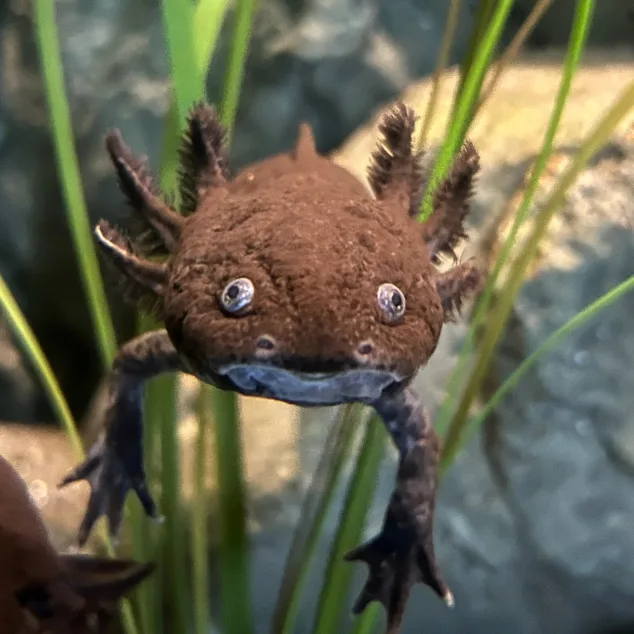
These aquatic salamanders are native only to Mexico, where they are critically endangered.
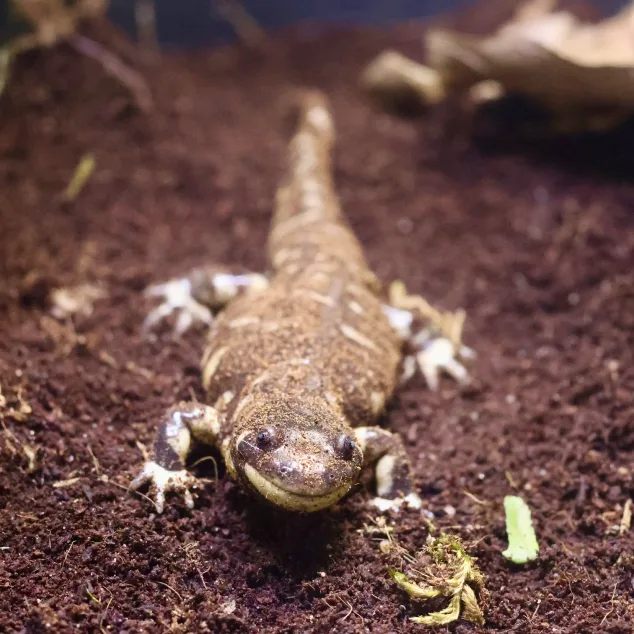
As North America’s largest land-dwelling salamander, their stripes give them their name.
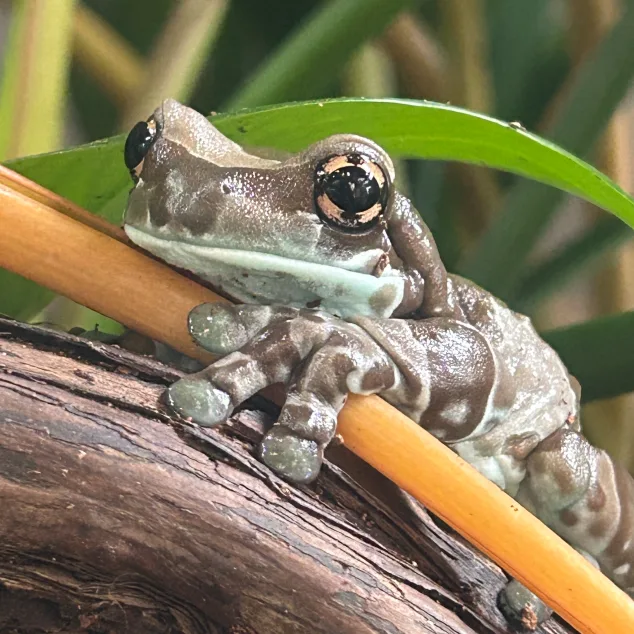
These rainforest amphibians are primarily nocturnal, and secretes a foul-smelling, milky fluid to deter predatorcs.
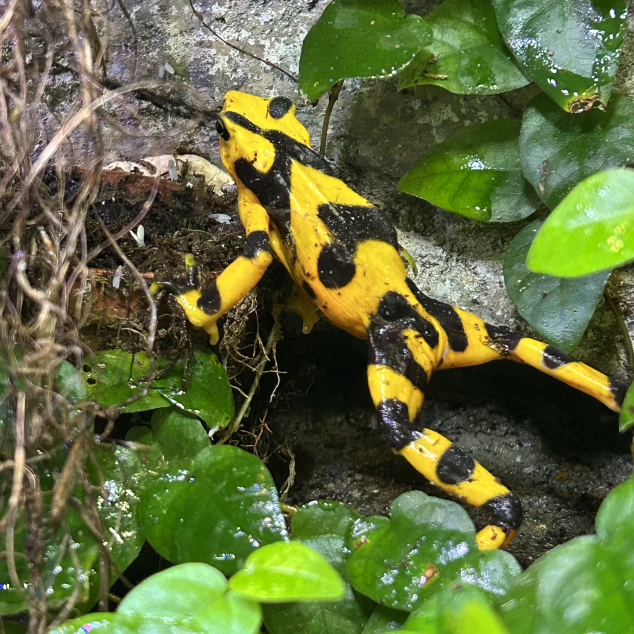
Considered extinct in the wild, the survival of this critically endangered frog is dependent on zoos and conservation organizations.
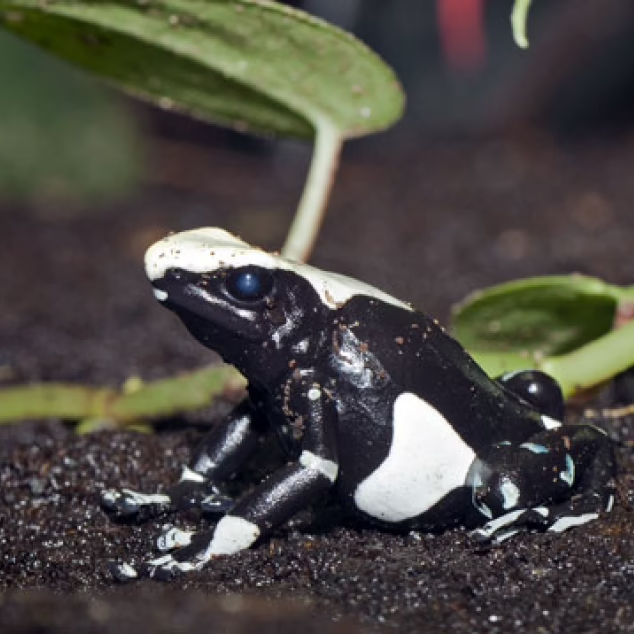
Poison dart frogs get their toxicity from some of the insects they eat. The insects feed on plants that have toxins and those toxins build up within the frog.
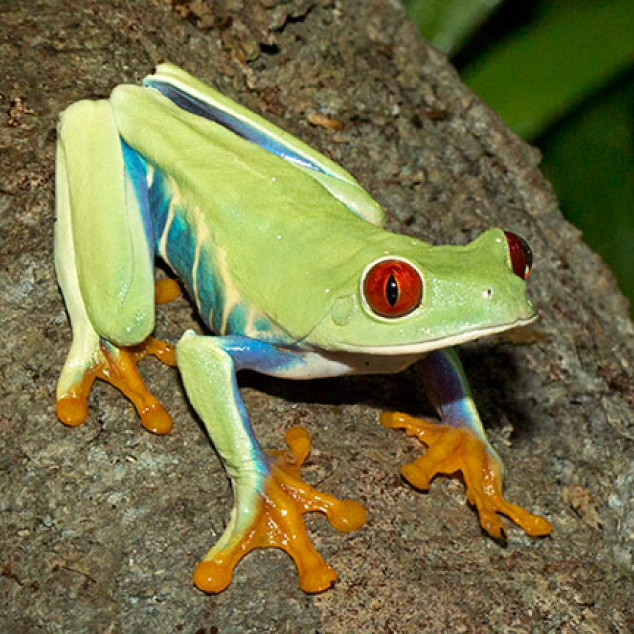
This multi-colored nocturnal rainforest frog is known for it’s bright green body and bulging red eyes, with sticky toes that let them climb on smooth surfaces.
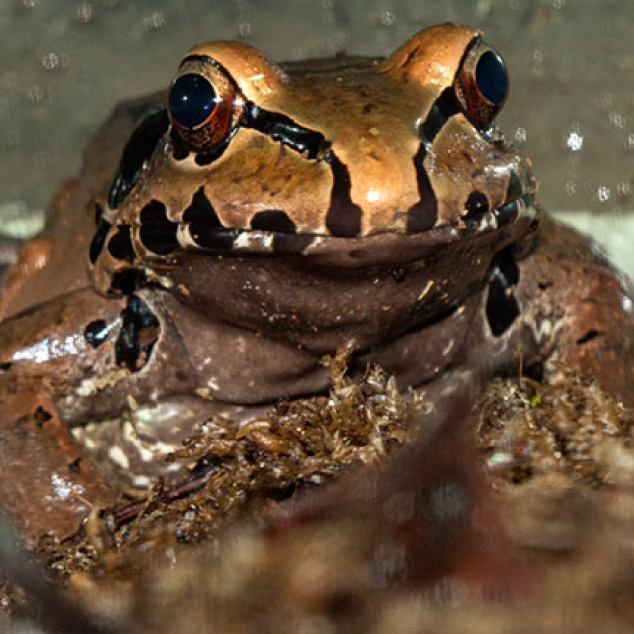
When threatened, smoky jungle frogs will try to appear larger by inflating their lungs and standing tall on all four legs. They release a slippery, mucus-like secretion from their skin, which is noxious to many animals and will also emit a high-pitched shriek.
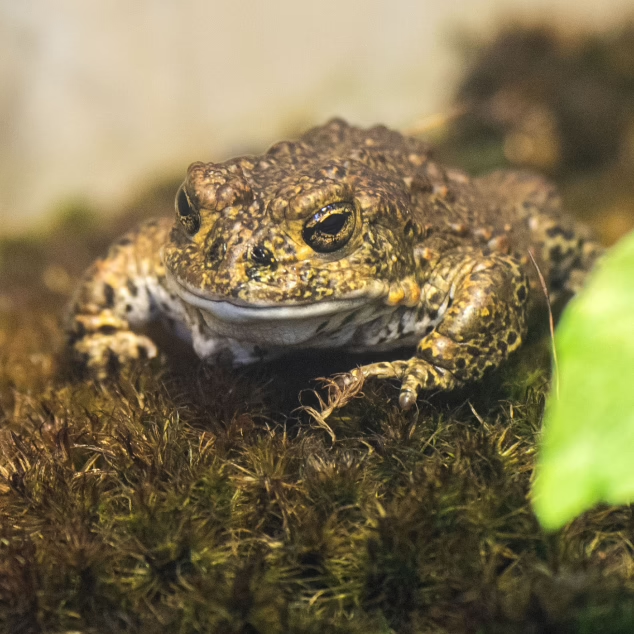
Found only in the Sierra Nevada mountains, SF Zoo has worked to restore populations in Yosemite National Park.