
Invertebrates
Celebrating the small, yet mighty animals that make up the vast majority of life on Earth. From industrious ants to iridescent beetles, to archnids and myriapods, find them at the country’s first ever Insect Zoo and beyond.

 English
Celebrating the small, yet mighty animals that make up the vast majority of life on Earth. From industrious ants to iridescent beetles, to archnids and myriapods, find them at the country’s first ever Insect Zoo and beyond.
Filter by:
Use the filters to browse by animal group, region, or conservation status, or explore the full directory to discover species you may want to visit next.
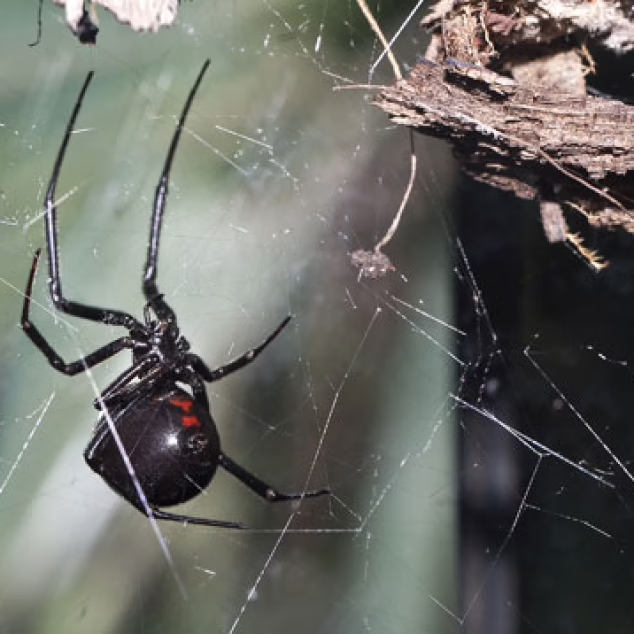
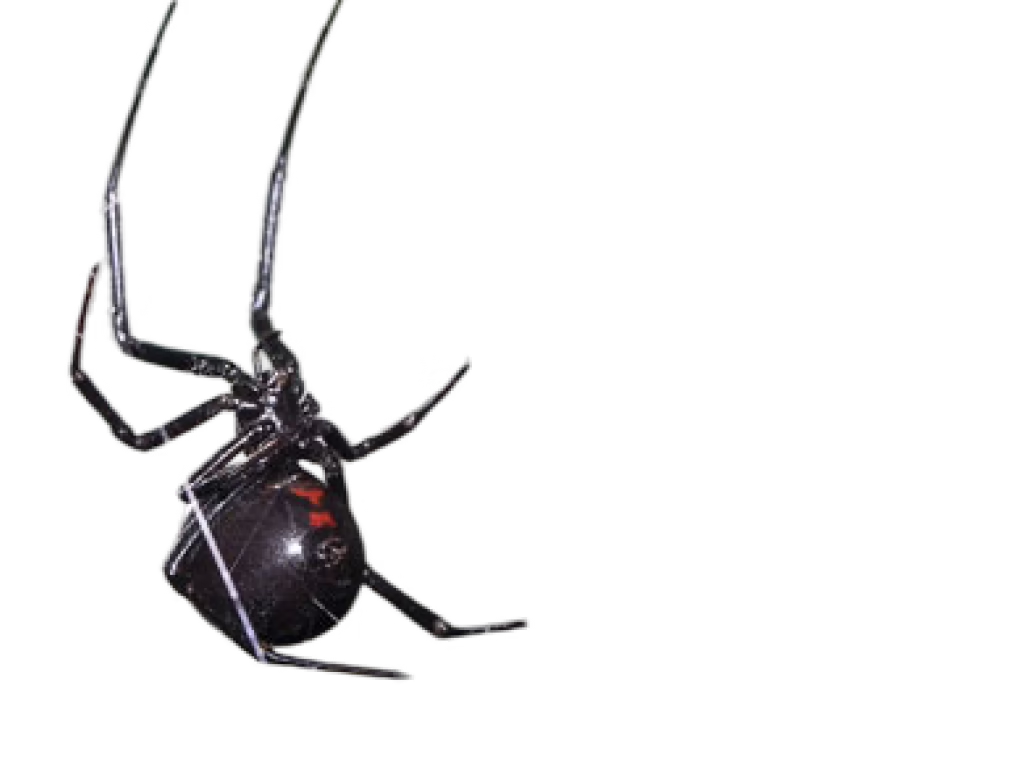
The females of the only ones that bite and this is for self defense only. The venom is neurotoxic and is reported to be fifteen times as poisonous is that of a rattlesnake. Symptoms include a painful tightening of the abdominal, wall muscles, increased blood pressure and body temperature nausea loc…
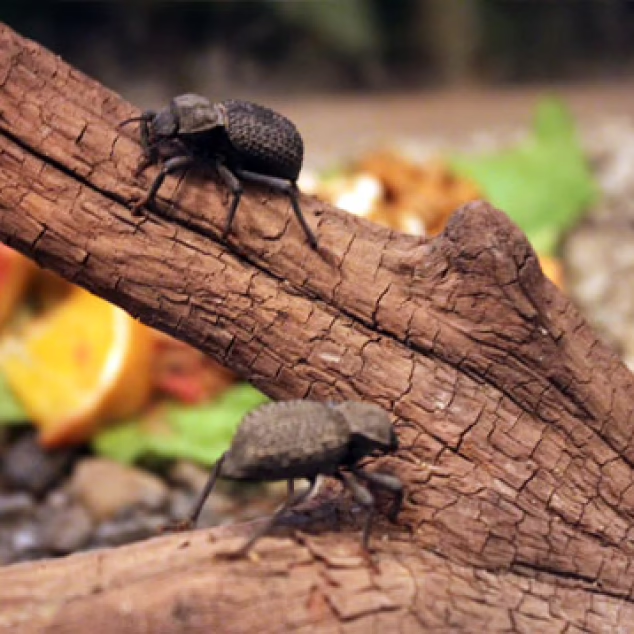
Blue Death Feigning BeetleCryptoglossa verrucosus
Giant CockroachBlaberus spp.
Giant Prickly Stick InsectsExtatosoma tiaratum
Giant Thorny Walking StickHeteropteryx dilatata
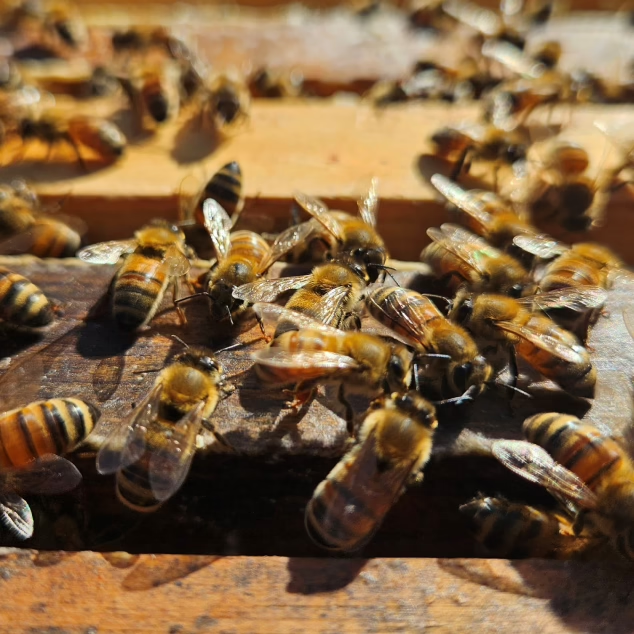
Honey is a thick liquid produced by certain types of bees from the nectar of flowers. Honey bees refine and concentrate nectar to make honey. Honeybees are not aggressive by nature, and will not sting unless protecting their hive from an intruder or are unduly provoked.
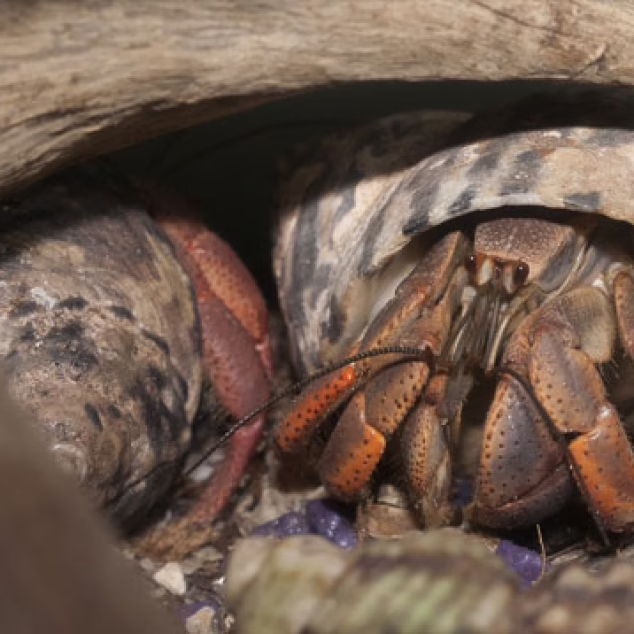
As the hermit crab grows in size, it has to find a larger shell and abandon the previous one. This habit of living in a second hand shell gives rise to the popular name “hermit crab”, by analogy to a hermit who lives alone.
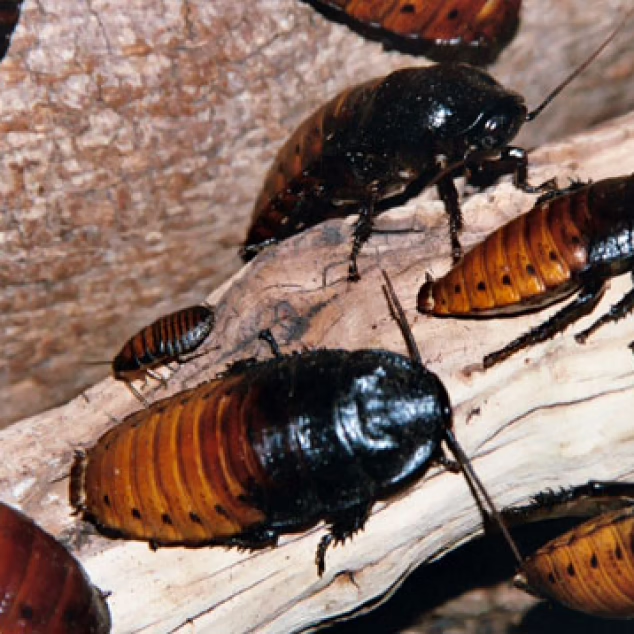
The Madagascar hissing cockroach is believed to be the only insect that can hiss. They are excellent climbers and can scale smooth glass. The hissing cockroach is one of the largest species of cockroach, reaching 2–4 inches at maturity.
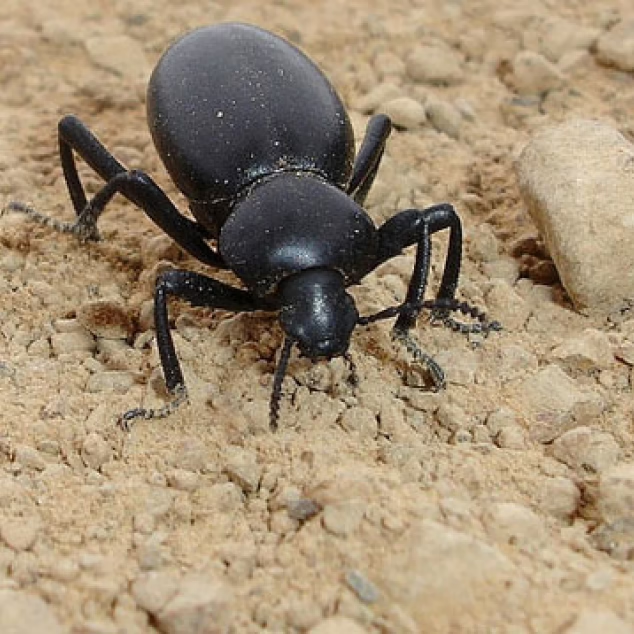
Pinnacate BeetleEleodes