





Landmark multi-agency conservation effort marks first release of critically endangered species raised through collaborative head-starting program
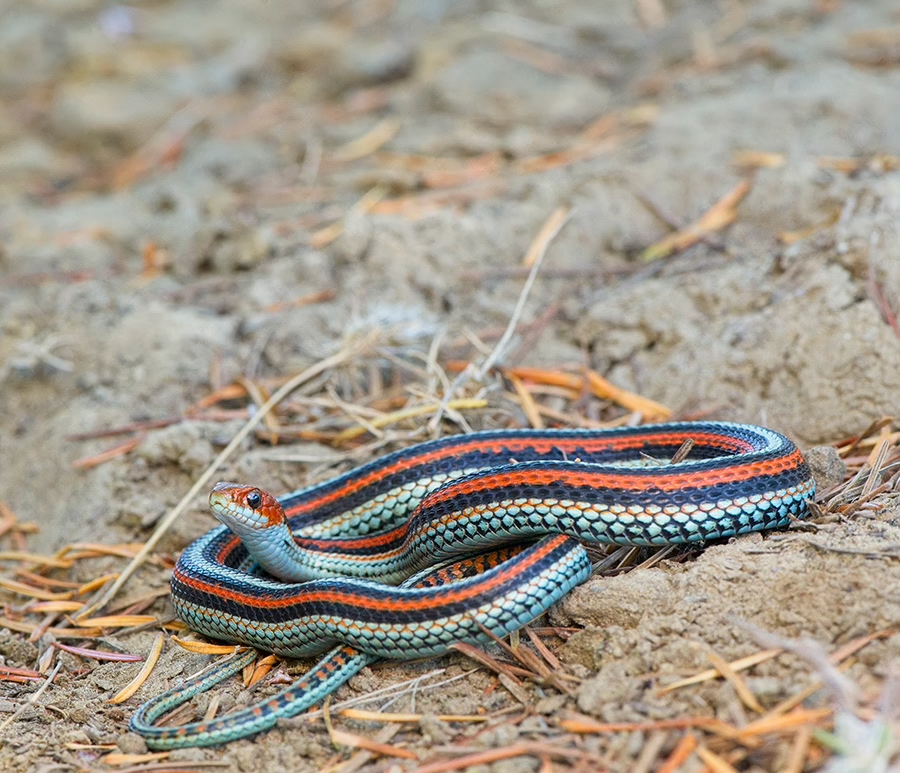
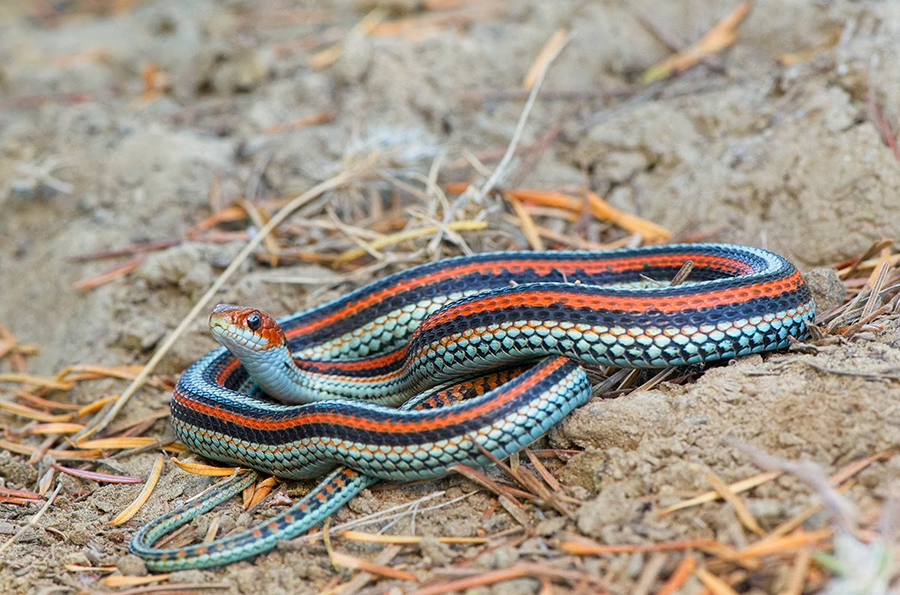
For the first time, San Francisco garter snakes (Thamnophis sirtalis tetrataenia) raised through a collaborative head-starting conservation program have been released into the wild, marking a major milestone in a decades-long effort to bring one of the region’s most endangered – and most beautiful – reptiles back from the brink of extinction.
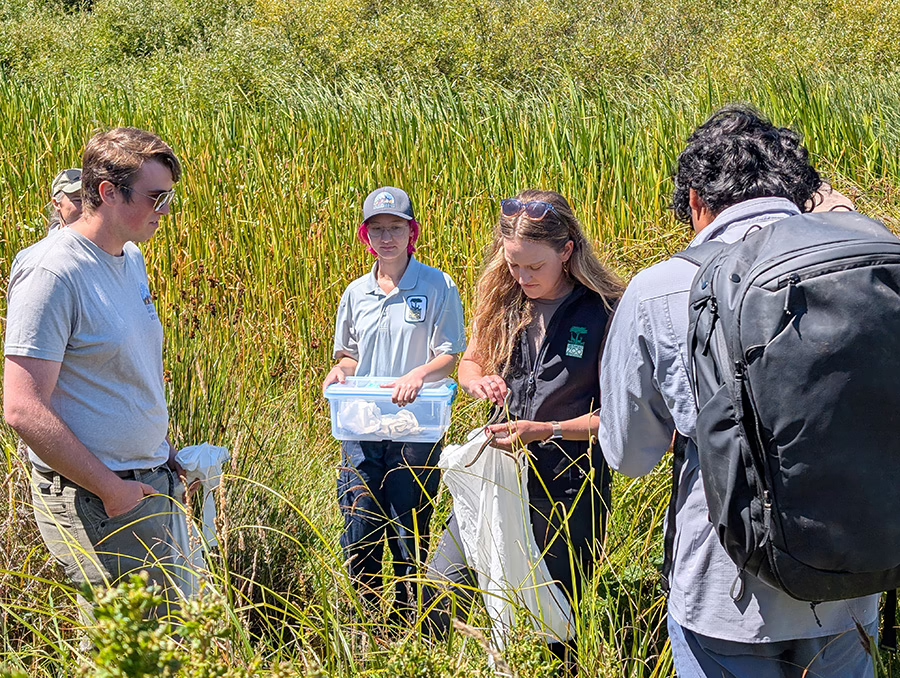
Sixty-two young San Francisco garter snakes born and raised at the San Francisco Zoo were released this fall at carefully selected sites in San Mateo County. This inaugural release is a milestone made possible by years of collaboration among project partners: Midpeninsula Regional Open Space District (Midpen), San Francisco Zoo & Gardens, United States Geological Survey (USGS), National Park Service-Golden Gate National Recreation Area (NPS), U.S. Fish and Wildlife Service, California Department of Fish and Wildlife (CDFW), Golden Gate National Parks Conservancy and San Francisco Recreation and Park Department, along with other federal, state and local agencies. Together, the partners are combining scientific research, habitat protection and restoration and hands-on animal care to help secure a future for this remarkable species.
“This is an extraordinary accomplishment for everyone who has worked for generations to
protect this remarkable species,” said Midpen biologist Karine Tokatlian. “Seeing these young snakes returning to the wild represents years of research, collaboration, habitat restoration and careful conservation work. This first release is an important step toward building healthy, resilient populations that can sustain themselves over the long term.”
Endemic, endangered and exceptional
The San Francisco garter snake is found only in San Mateo County and a small portion of Santa Cruz County, and nowhere else on Earth. The species was among the first protected by the federal Endangered Species Act and also appeared on the U.S. Fish and Wildlife Service’s first endangered species list in 1967. Nearly 60 years later, only a couple thousand individuals are estimated to remain in the wild.
“This effort illustrates what can be achieved when partners prioritize rigorous scientific
research, genetic testing, habitat conservation, and specialized care,” said Justin Sloan, acting deputy field supervisor for the U.S. Fish and Wildlife Service’s Sacramento Fish and Wildlife Office. “It represents a significant step toward the recovery of the San Francisco garter snake and underscores the continued importance of partnerships and the Endangered Species Act.”
San Francisco garter snakes depend on unique habitats that have become increasingly rare and fragmented, while the species’ recovery has also been challenged by drought, disease, low genetic diversity, declining prey populations, invasive species, vehicle strikes and illegal poaching. Habitat restoration and protection efforts across the parks, led by Midpen, NPS, San Francisco Recreation and Park Department and the Parks Conservancy, are improving conditions for both the snakes and the threatened California red-legged frogs they rely on for food.
“This important milestone would not have been possible if not for all the scientific data
collected ahead of time that were integral in making decisions about collection and release sites,” said Laura Patterson, CDFW’s Statewide Amphibian and Reptile Conservation Coordinator. “Information derived from a CDFW-led statewide surveillance for Snake Fungal Disease, funded in part by a federal State Wildlife Grant, aided in the selection process.”
This project represents the first successful head-starting program for the San Francisco garter snake. Head-starting is a conservation technique where young animals are raised in captivity during the period of their lives when they are most vulnerable to threats in the wild. By providing basic needs and a safe place for animals to survive and grow to a minimum size, head-starting can increase their chances of reaching breeding age.
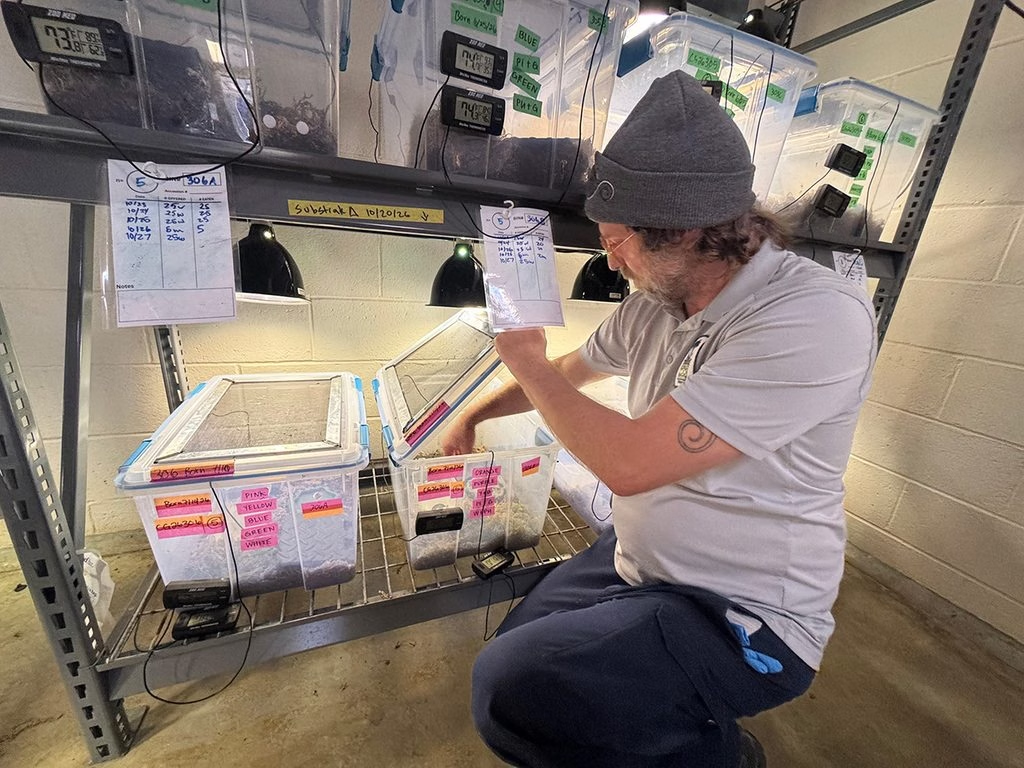
In 2025, USGS biologists collected gravid (pregnant) female snakes from a healthy population in a Midpen preserve and transferred them to the San Francisco Zoo. After giving live birth, the mothers were returned to the wild while the Zoo’s Conservation Team carefully raised their offspring until they reached a size large enough to better withstand challenges they may face in the wild, such as predation and competition for prey.
Before release, every snake born at the Zoo underwent genetic testing. The results were used to determine ideal release locations for each snake in order to increase genetic diversity. About one-third of the snakes were returned to the area where their mothers originated to reduce the impact on the host population. The remaining two-thirds were strategically distributed among several other populations in need of both additional individuals and greater genetic diversity.
“For our team at the San Francisco Zoo, watching these snakes grow from newborns into
healthy juveniles ready for release has been incredibly rewarding,” said Dr. Rochelle Stiles,
Director of Field Conservation at San Francisco Zoo & Gardens. “By providing these young
snakes with a safe environment during their most vulnerable stage of life, we’re giving them a stronger start in the wild. This first release represents years of dedication from our team and our partners, and an exciting step toward the recovery of an endangered species found right here in our own backyards.”
For the San Francisco garter snake to be removed from the endangered species list, there must be at least ten viable, self-sustaining breeding populations, each containing at least 200 individual snakes. Release locations are not being disclosed to help protect the snakes from illegal collection, vehicle mortalities, and exposure to disease.
“This species is special in many ways, but unfortunately its critical status is not unique,” said Ariel Starr, a Midpen wildlife ecologist. “The success of this project and the associated research will not only benefit the San Francisco garter snake but will also hopefully inform the recovery of many imperiled reptile species.”
The next generation
Work is already under way to prepare for the next generation of head-started snakes. In 2026, over 130 additional baby garter snakes were born at the San Francisco Zoo and are currently being raised for another round of releases planned for 2027. Post-release monitoring will be critical to understanding how well these two rounds of releases improved San Francisco garter snake populations at their release sites—with the “lessons-learned” helping shape future headstart activities.
Meanwhile, project partners will continue to collaborate to protect and restore habitat,
strengthen connections between populations, monitor wild snake populations, advance genetic research and educate the public on how to help protect this remarkable species.
“Releasing these snakes is a significant moment, but it is one step of many in a much larger recovery effort,” said Rachel Townsend, a NPS wildlife biologist. “The future of the San Francisco garter snake depends on sustained collaboration and support from partners all across the region, as well as continued action to protect and restore the habitats this species relies on.”
The long-term goal of the program is to build healthy, genetically diverse, resilient populations of San Francisco garter snakes so that ultimately, the species can recover to the point where it can be removed from the endangered species list.
Field photos courtesy of Vishal Subramanyan and Midpeninsula Regional Open Space
About the Midpeninsula Regional Open Space District (Midpen)
The Midpeninsula Regional Open Space District is a public agency with the mission to acquire and preserve a regional greenbelt of open space land in perpetuity, protect and restore the natural environment and provide opportunities for ecologically sensitive public enjoyment and education. On the San Mateo County coast, Midpen’s mission also includes preserving rural character and agricultural land of regional significance, and encouraging
viable agricultural use of land resources. Midpen has protected more than 70,000 acres of public open space land in the greater Santa Cruz Mountains region since 1972.
About the U.S. Fish and Wildlife Service
The U.S. Fish and Wildlife Service works with others to conserve, protect and enhance fish, wildlife, plants and their habitats for the continuing benefit of the American people.
About the California Department of Fish and Wildlife
The California Department of Fish and Wildlife’s mission is to protect California’s diverse fish, wildlife and plant resources, and the habitats upon which they depend, for their ecological values and enjoyment by the public today and for generations to come.
About the National Park Service- Golden Gate National Recreation Area
The National Park Service is dedicated to conserving unimpaired the natural and cultural resources and values of the National Park System for the enjoyment, education, and inspiration of this and future generations. The purpose of the Golden Gate National Recreation Area is to offer national park experiences to a large and diverse
urban population, while preserving and interpreting the park’s outstanding natural, historic, scenic, and recreational values.
About the Golden Gate National Parks Conservancy
The Golden Gate National Parks Conservancy is the nonprofit partner of the National Park Service at the Golden Gate National Recreation Area. The GGNRA spans more than 82,000 acres, including iconic park sites such as Muir Woods, Ocean Beach and Alcatraz Island. The Parks Conservancy works to preserve these parks, enhance visitor
experiences and foster a community dedicated to conserving the parks for the future.
About the San Francisco Recreation and Park Department
The San Francisco Recreation and Park Department manages more than 230 parks, playgrounds, and open spaces, including Sharp Park in Pacifica and Camp Mather in the High Sierra. Our system features recreation centers, swimming pools, golf courses, and athletic fields, including iconic landmarks like Golden Gate Park and Coit Tower. More than a quarter of the park system is managed as natural areas under the direction of Natural Resources Management Plan, with the goal of preserving these landscapes for the benefit of habitat and wildlife.
About the U.S. Geological Survey (USGS)
The USGS provides science for a changing world, responding to society’s continuously evolving needs. USGS research focuses on the natural hazards that threaten lives and livelihoods, the health of our ecosystems and environment, and the water, energy, minerals, and other natural resources we rely on. USGS scientists also develop new methods and tools to enable timely, relevant, and useful information about the Earth and its processes.