




In the Zoo
South American Tropical Rainforest & Aviary
Fascinating Facts
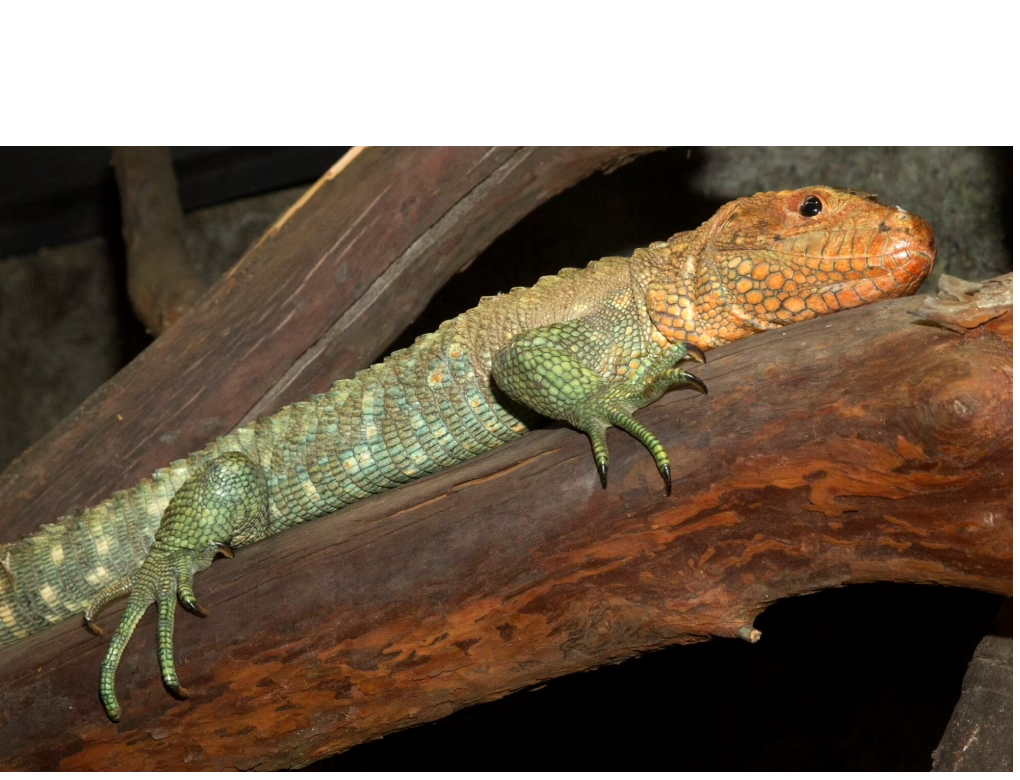
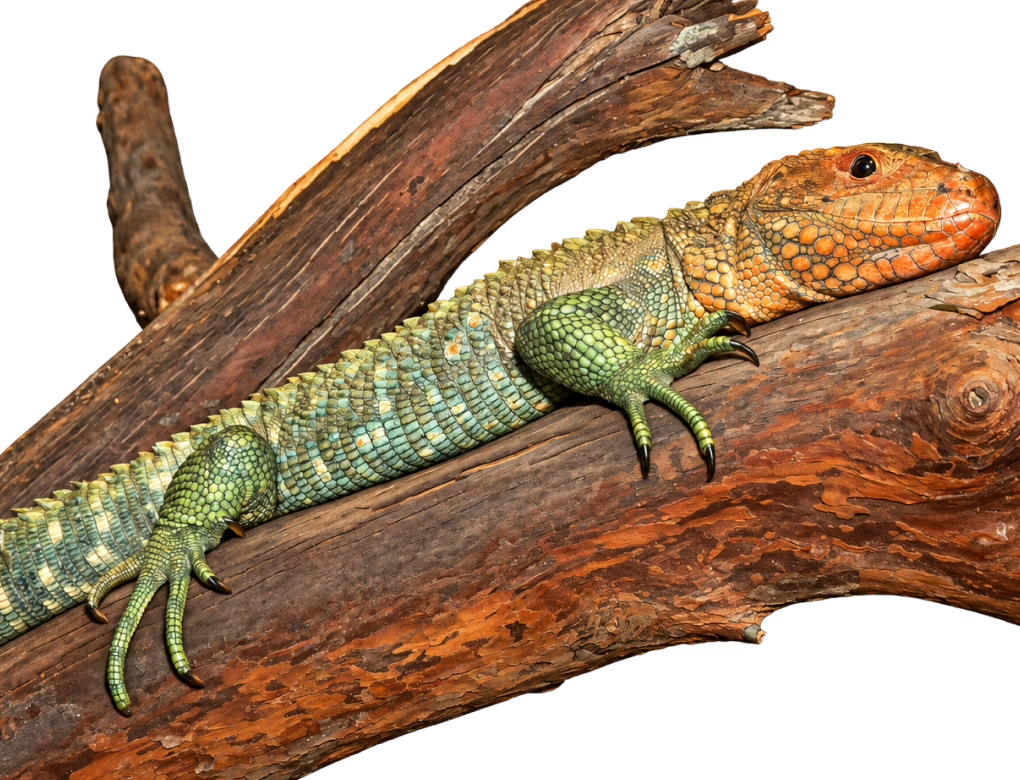
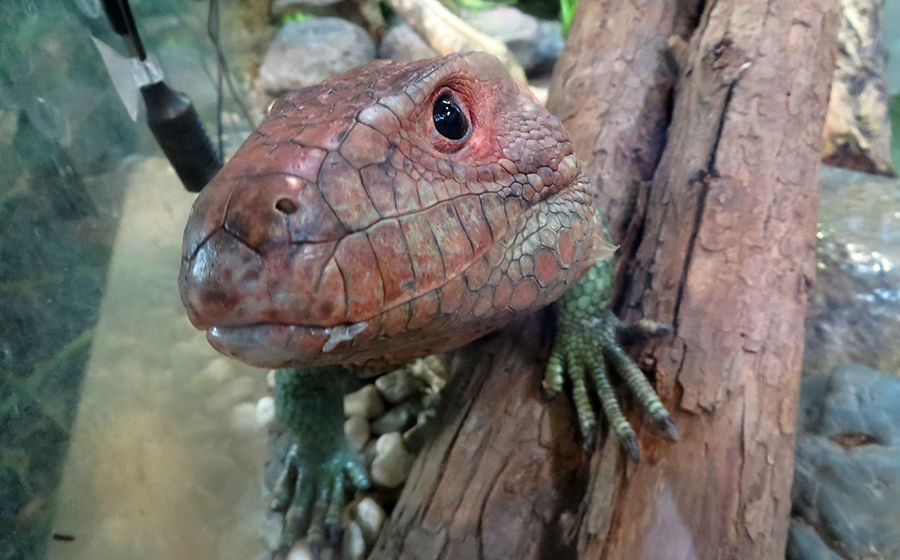
Caiman lizards are semi-aquatic and will rest on tree branches above rivers. When threatened, they will drop from the branch into the water and swim away from danger. When further threatened they can deliver both a powerful bite from their strong jaws and a forceful blow from their muscular tail.
In addition to being excellent swimmers, they are also excellent climbers.
Physical Characteristics
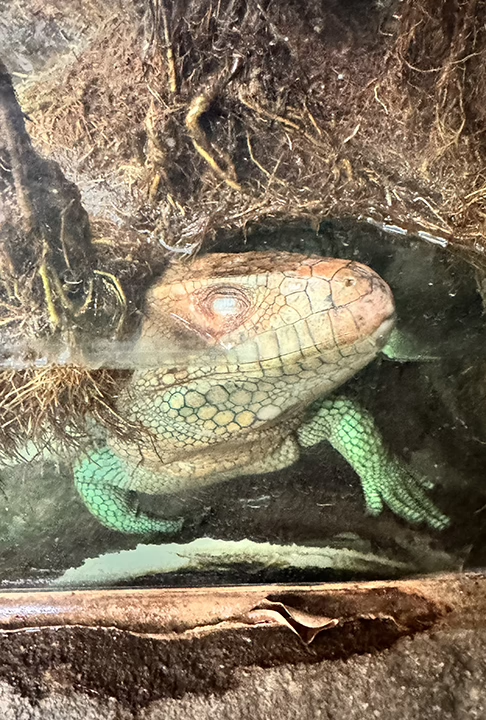
Adults grow to lengths of 2 – 4 feet and weigh between 3 – 6 pounds. They have green bodies and reddish-colored heads. Males and females are similar in appearance. They were named “caiman lizard” after the caiman crocodile, due to the crocodile-like scales on their backs, as well as their long flat tail, which helps them to swim. They have a clear third eyelid that they use like goggles while swimming.
Lifespan is between 8 – 12 years.
Habitat
Caiman lizards are found in the riparian zone of tropical forests in Ecuador, Colombia, Brazil and Peru.
Diet
They feed primarily on snails, as well as clams, and have a powerful jaw that crushes the shells. Once they have extracted the meat, they will spit out the shells.
Social Behavior
After mating, the female will lay eggs in a hole she has dug from a riverbank. There is no parental care.
Status In The Wild
Not yet assessed by IUCN.
In the mid-to-late 20th century, they were heavily hunted for their thick, crocodile-like skin used for leather products. By the 1970s after the passage of strict regulations and a ban on exports in the 1990s, wild populations were able to recover. They are still threatened by the illegal pet trade, in addition to habitat loss and climate change.
DID YOU KNOW?
Caiman lizards have a third eyelid used for what purpose?
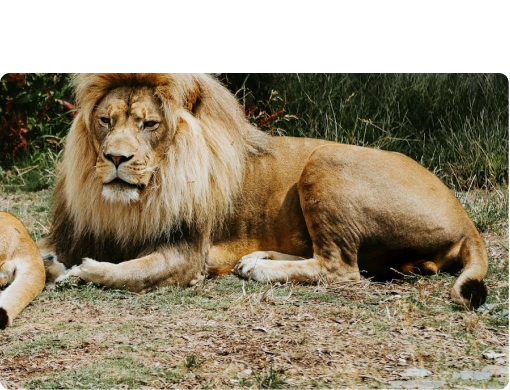
African lion
VulnerableOne of the most iconic animals on Earth, the African lion is a symbol of strength, social intelligence, and wild Africa.
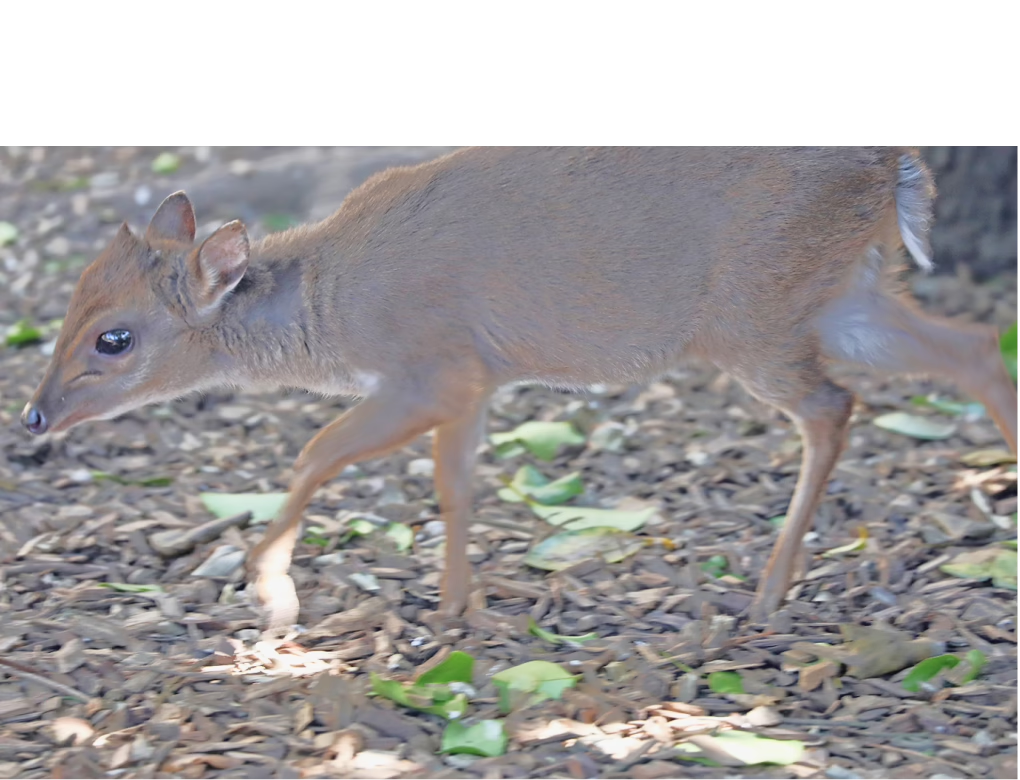
Blue duiker
Least ConcernAs the world's smallest antelope species, and smallest duiker, they play an important role in their forest ecosystem.
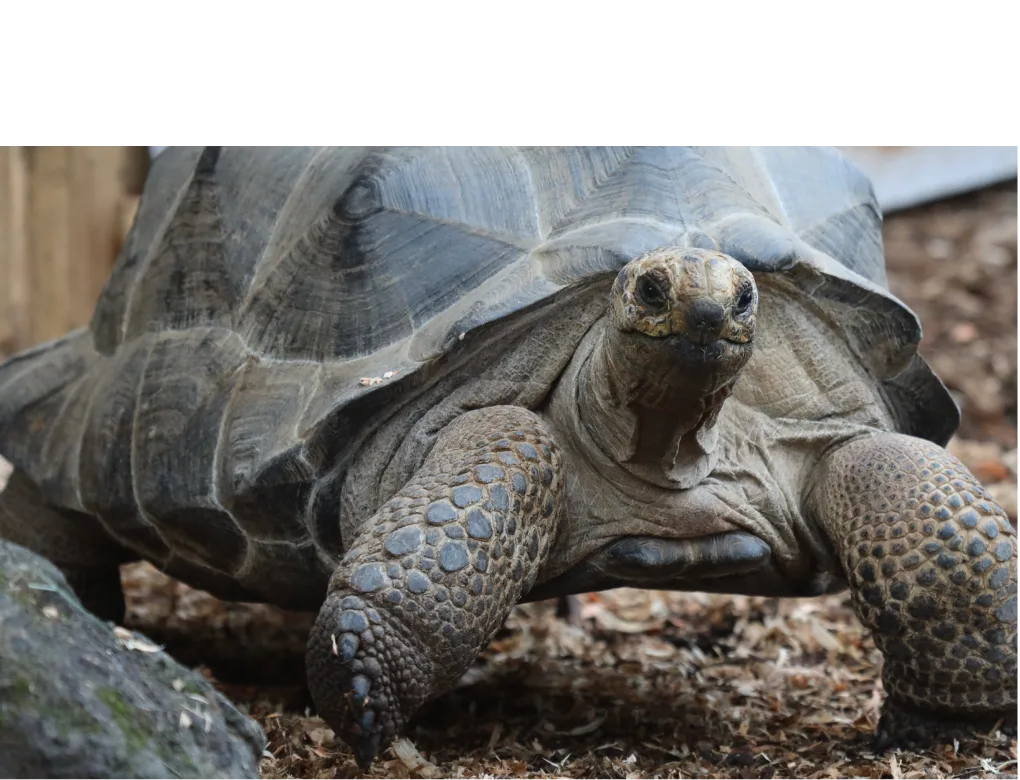
Aldabra tortoise
VulnerableAs one of the largest and longest-lived land tortoises in the world, some are known to have lived up to 170 years!
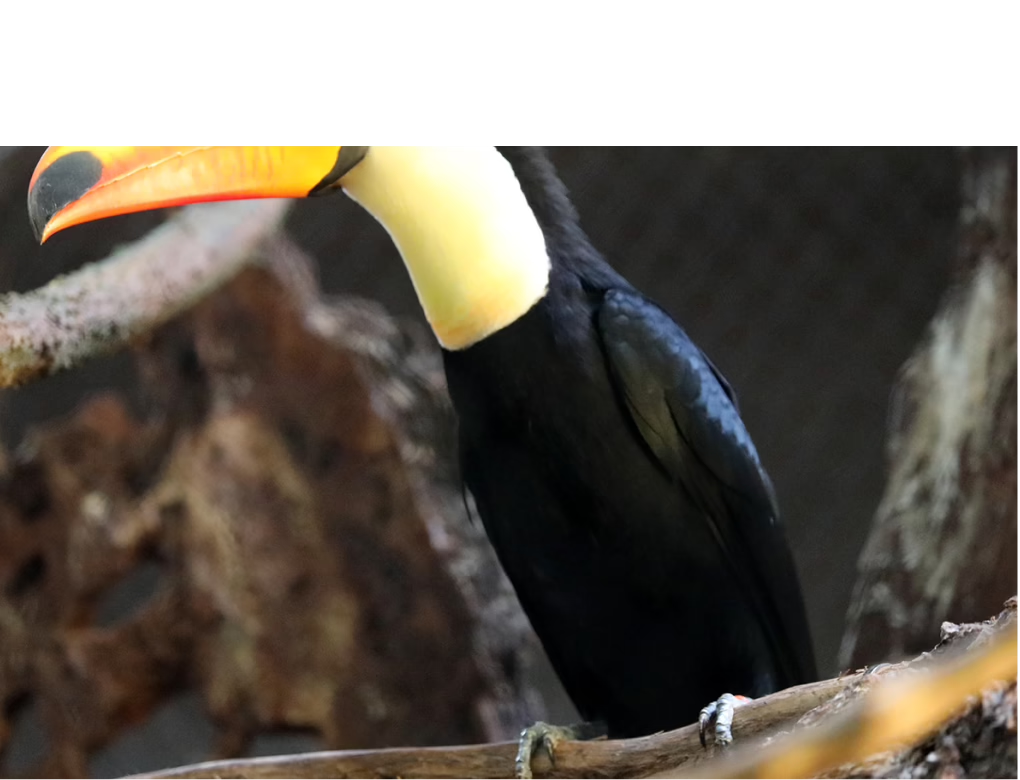
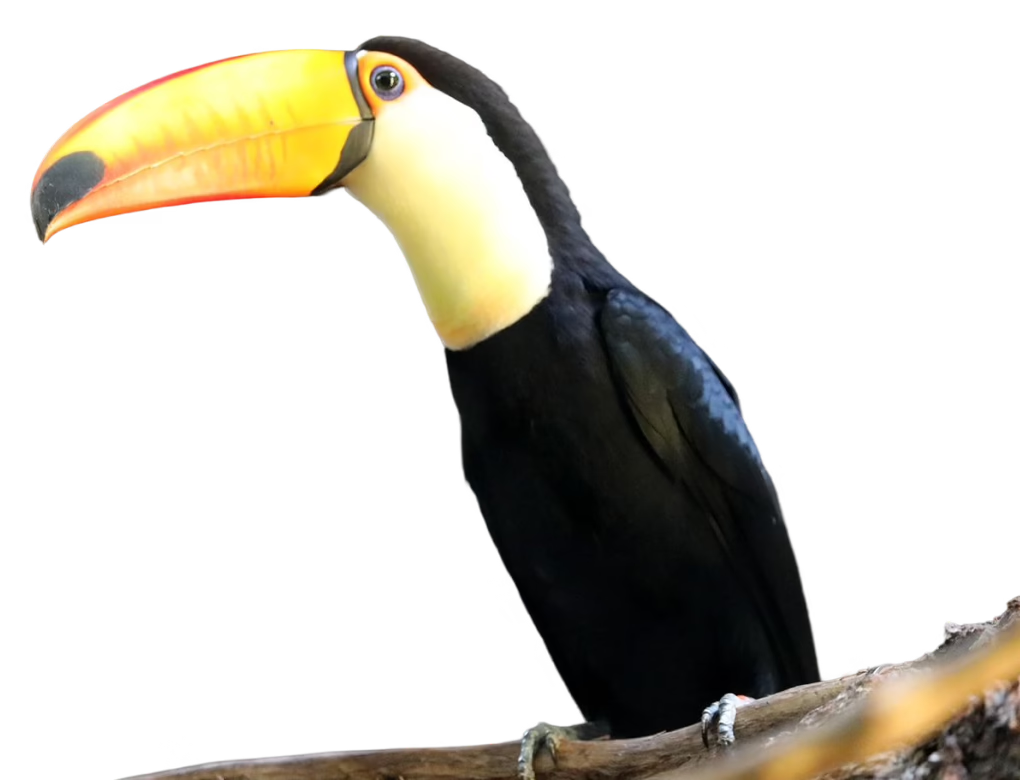
Toco toucan
Least ConcernKnown for their large, colorful bills and playful behavior, this is the largest of the toucan species.