




At the Zoo
Lion House
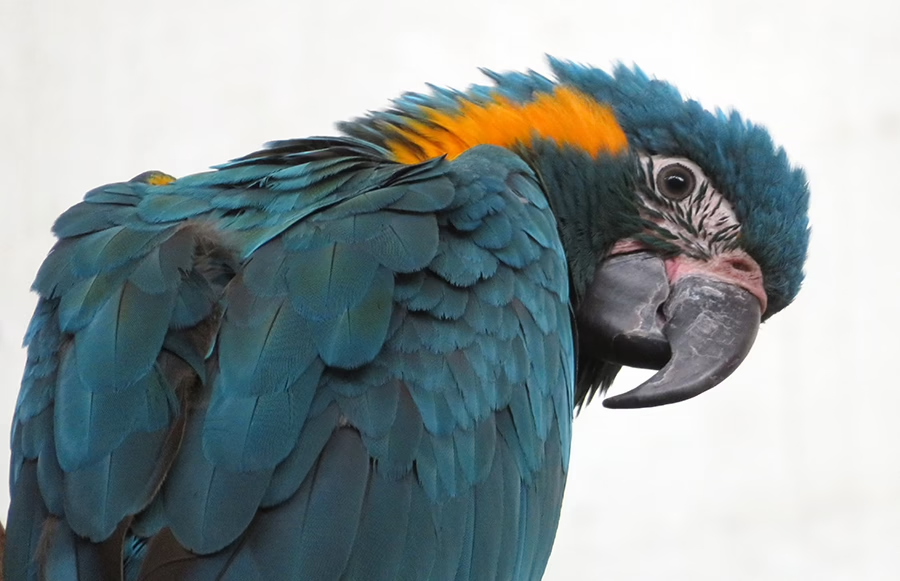
Fascinating Facts
- Blue-throated macaws are one of the most endangered macaw species in the wild. As of 2021, there were an estimated 200 – 300 mature individuals living in a small area of north central Bolivia.
- They were rediscovered from extinction, after scientists unexpectedly discovered a wild population in 1992.
Physical Characteristics
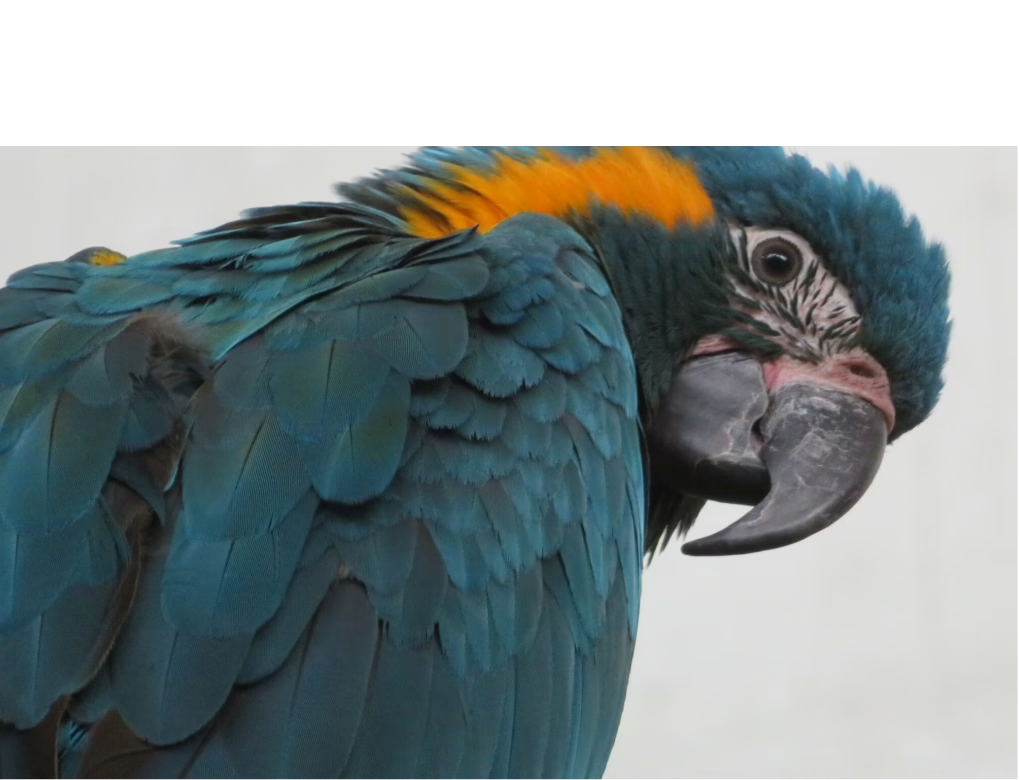
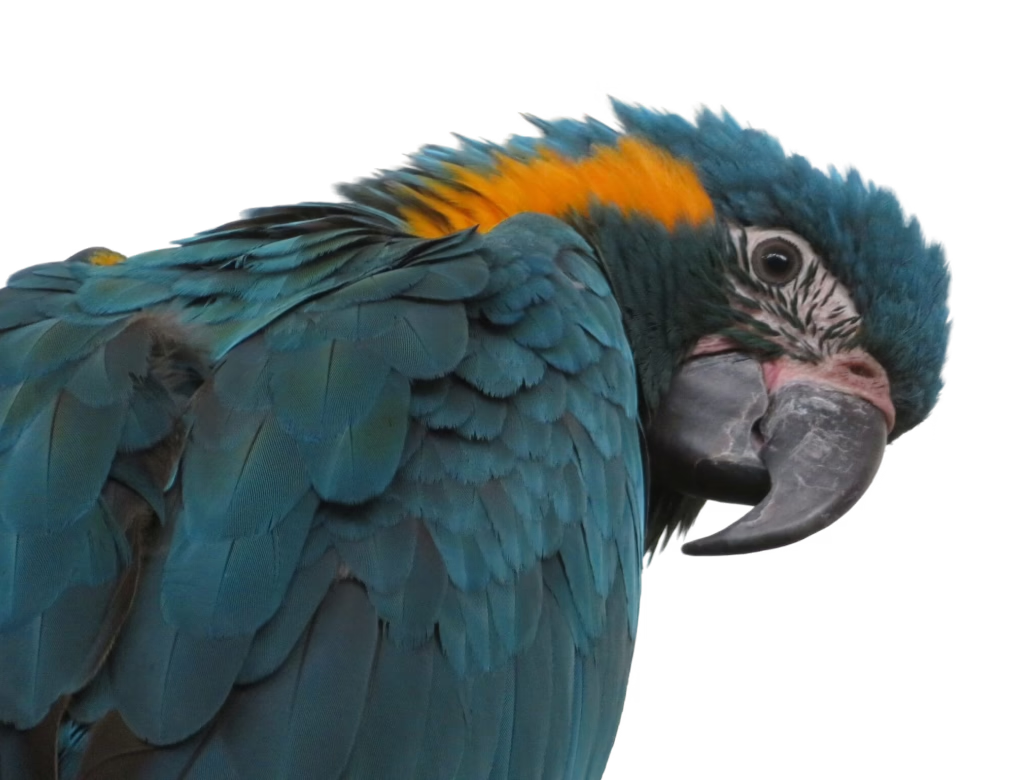
Blue-throated macaws are approximately 33 inches long with a wingspan of 3 feet and weighing around 1.5 pounds. Males are just slightly larger than females, but similar in all other aspects. The have bright blue feathers on their head and wings, bright yellow feathers on their chest and tail, and a distinctive patch of blue on the throat, which gives the species its name and differentiates it from the similar looking blue and yellow macaw. They have five or six stripes on their face, below the eye, with the pattern unique to each macaw. As they mature, their eyes change color and can be used to determine the age of an individual.
They can live up to 50 years under human care.
Habitat
Blue-throated macaws are found in forests and savannas.
Diet
They feed on the fruit of several types of palm trees.
Range
They are found in a small area of north central Bolivia.
Social Behavior
Blue-throated macaws live in small groups. They are monogamous and will nest in a hole in a palm tree, with competition for the best nesting spots. While the female incubates the 2 – 3 eggs, the male will feed her. Once the chicks hatch, both parents will feed the chicks. Juvenile blue-throated macaws live with their parents for up to one year. Young become sexually mature at 5 years. They are active during the day and have a loud alarm call. Parents will also vocalize to chicks and partners. Mating couples will preen to maintain pair bonds.
Status In The Wild
Critically endangered
Other
Blue-throated macaws are threatened by habitat loss, specifically logging and burning of habitat. They are also threatened by the illegal pet trade.
Currently the World Parrot Trust is working with local landowners to protect this critically endangered species. Predators include raptors, coatis and brown capuchin monkeys.
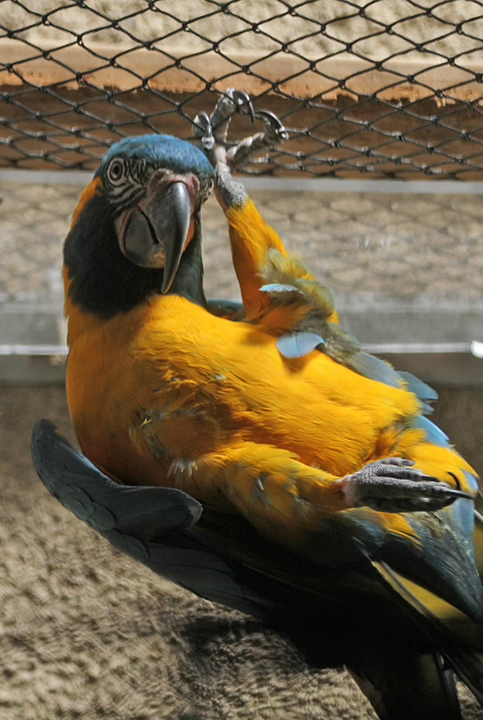
DID YOU KNOW?
You can tell how old this species is by their eye color. How old are they when their eyes are yellow?
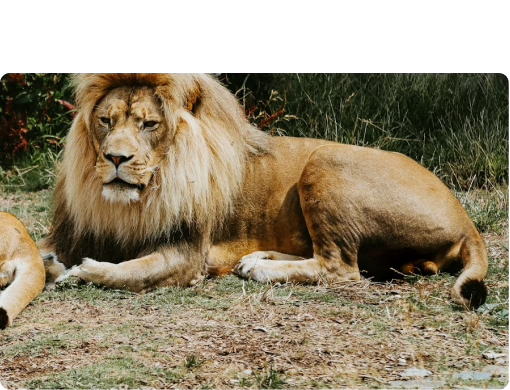
African lion
VulnerableOne of the most iconic animals on Earth, the African lion is a symbol of strength, social intelligence, and wild Africa.

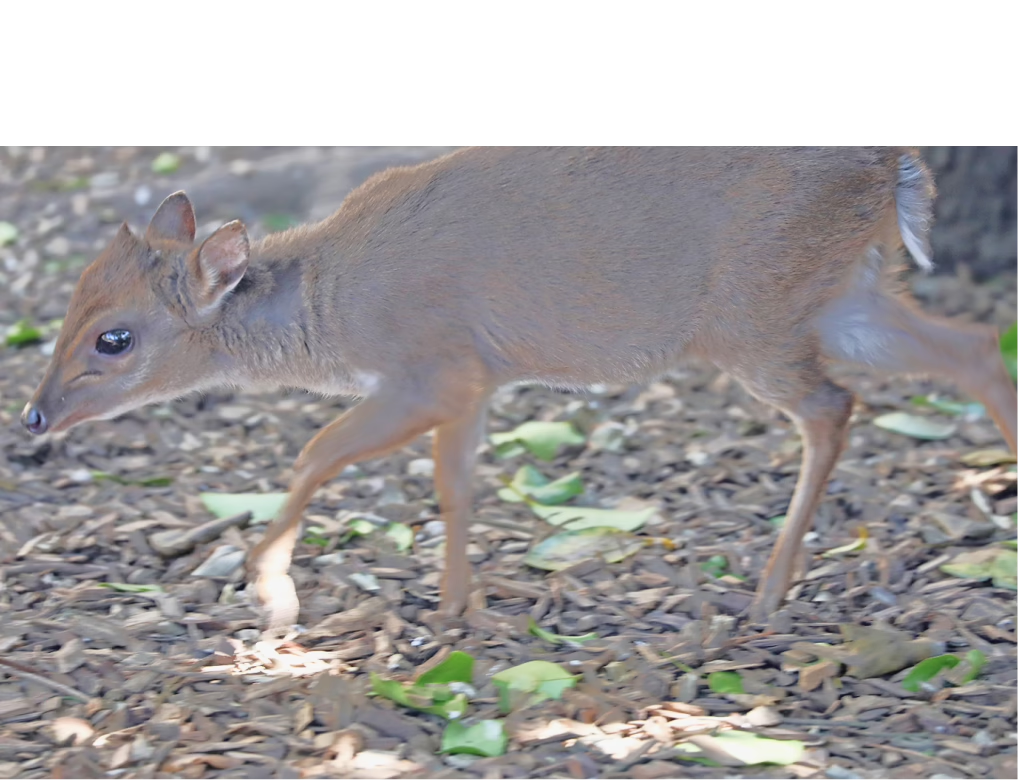
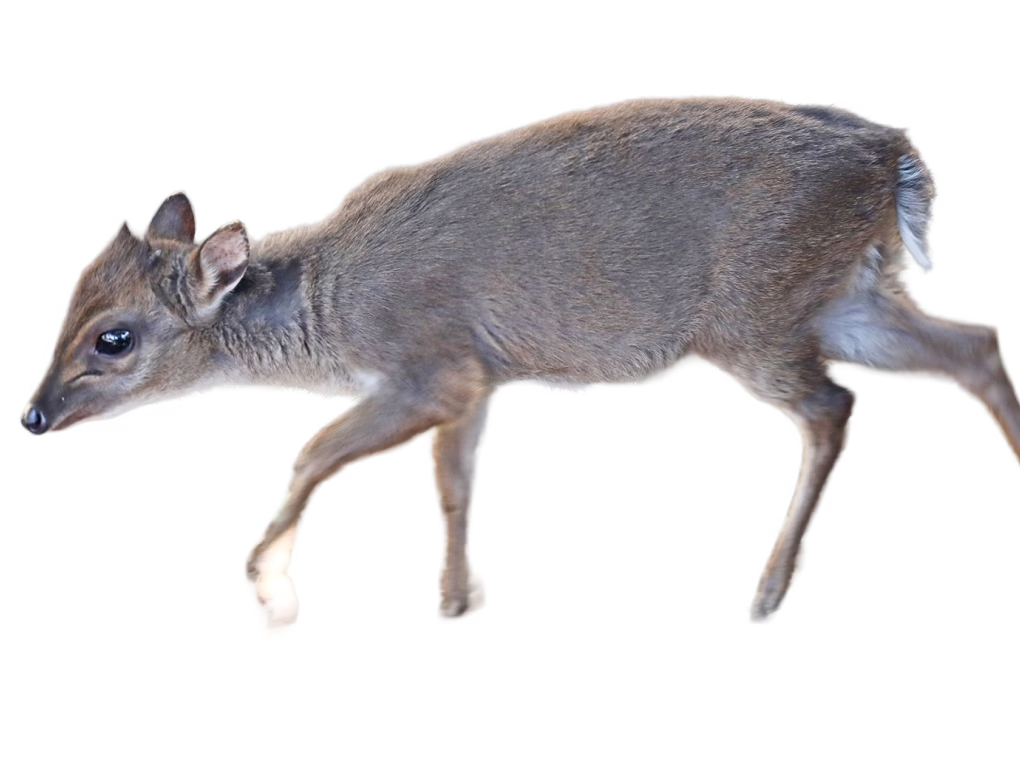
Blue duiker
Least ConcernAs the world's smallest antelope species, and smallest duiker, they play an important role in their forest ecosystem.
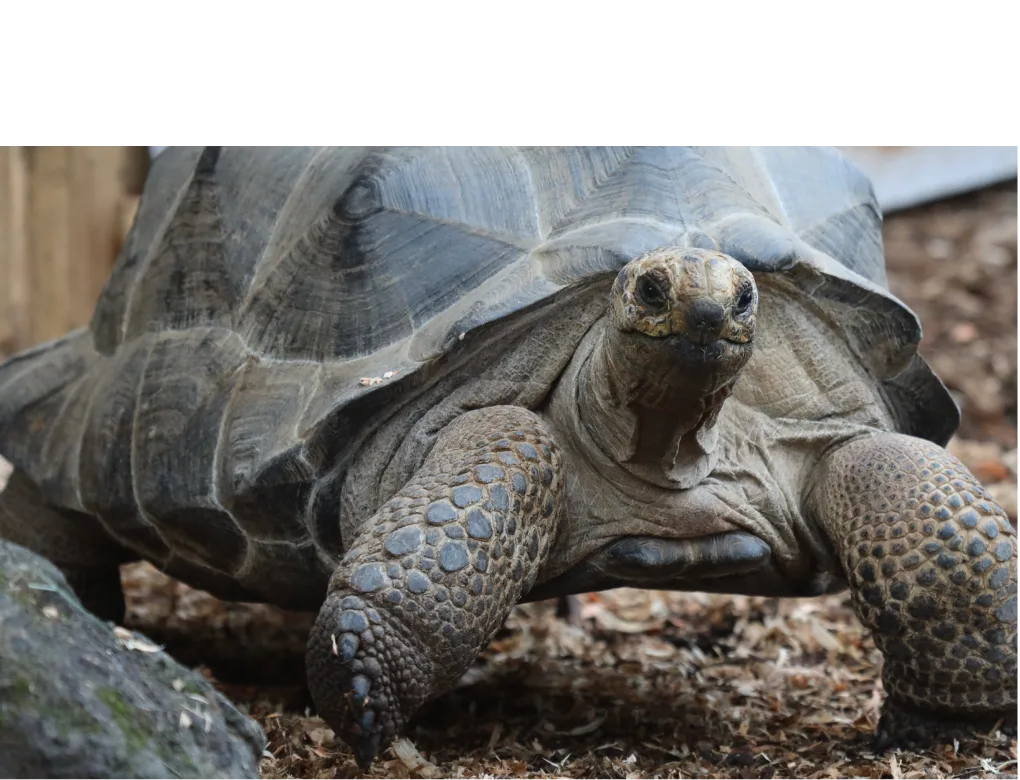
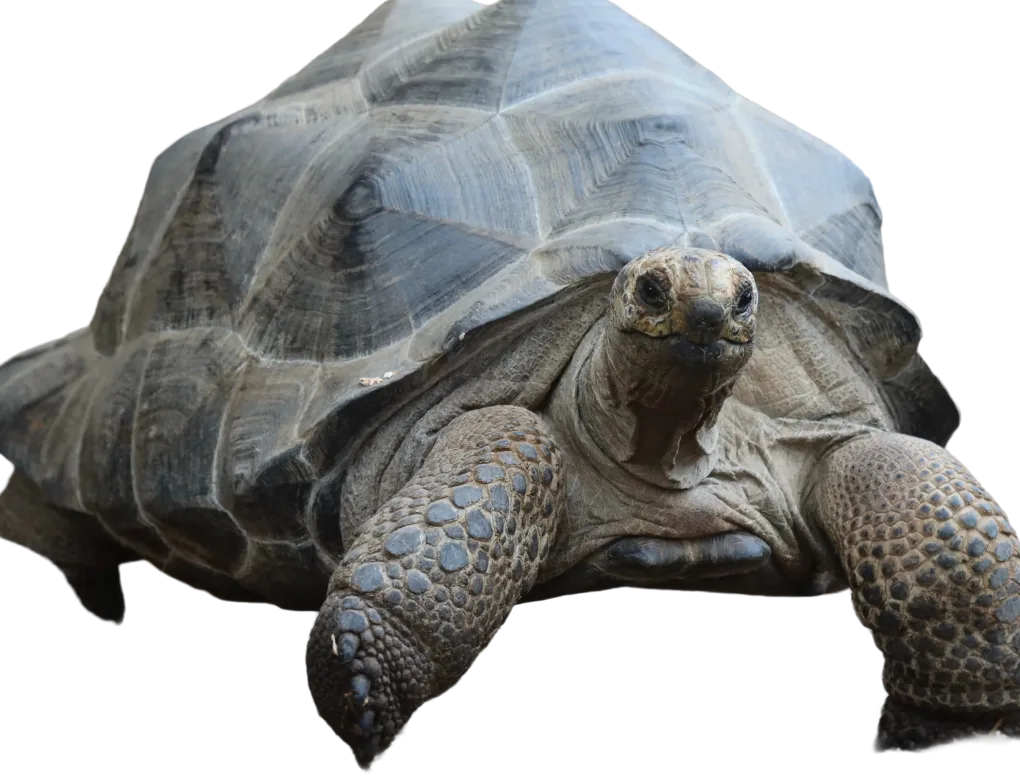
Aldabra tortoise
VulnerableAs one of the largest and longest-lived land tortoises in the world, some are known to have lived up to 170 years!
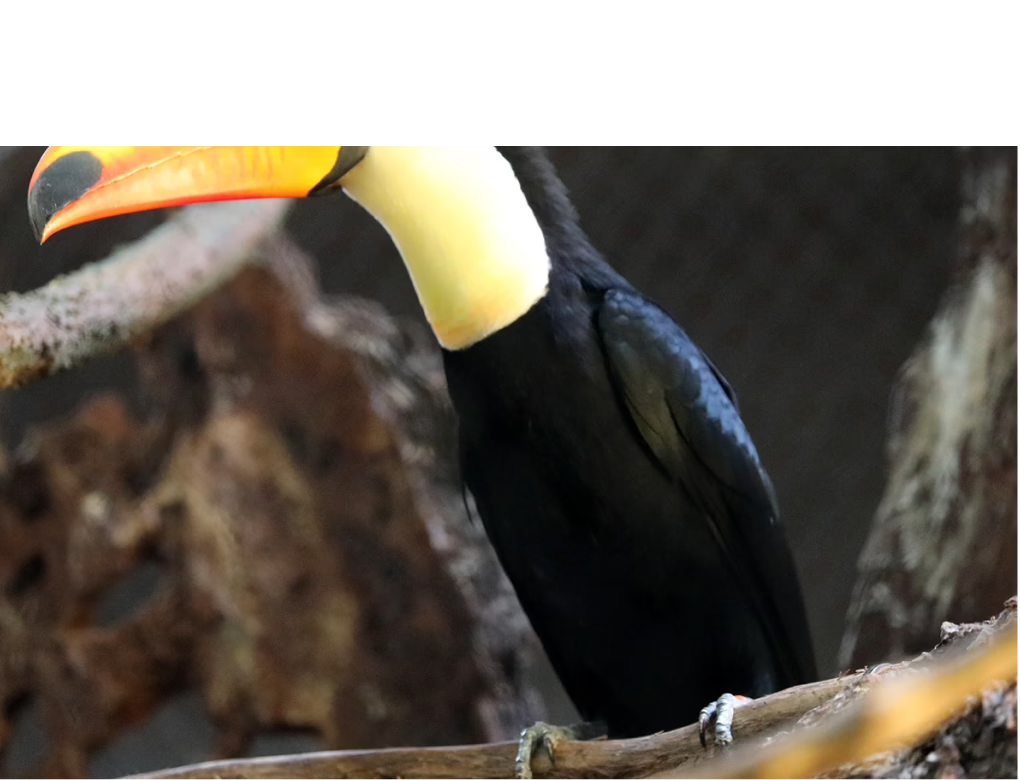
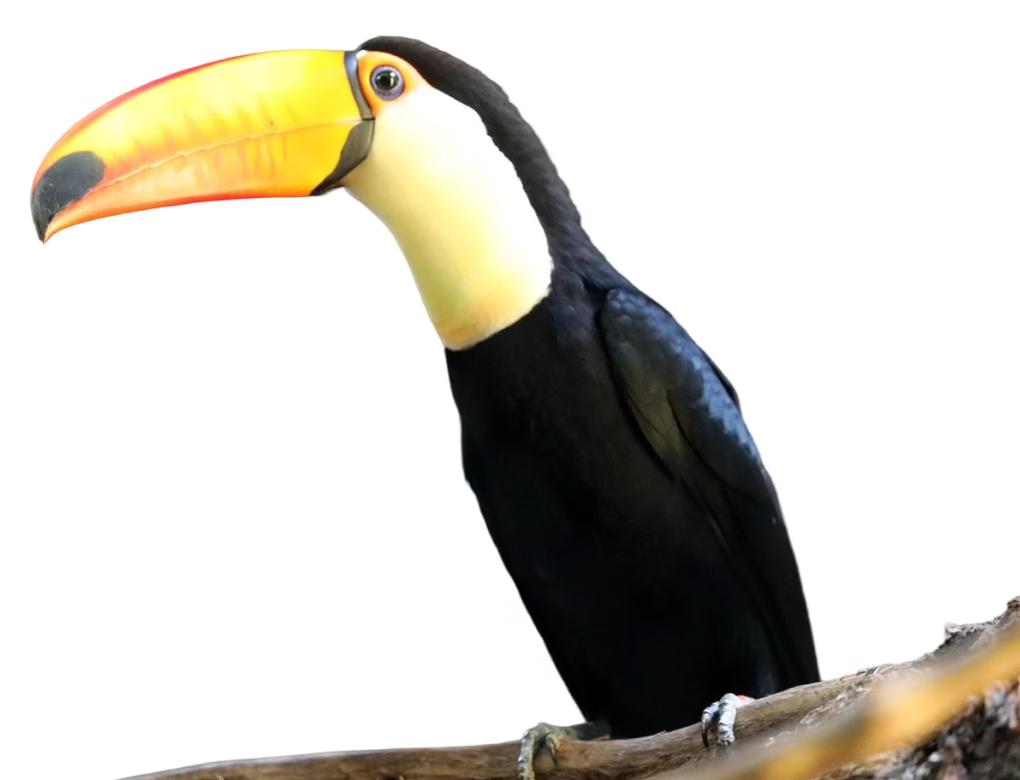
Toco toucan
Least ConcernKnown for their large, colorful bills and playful behavior, this is the largest of the toucan species.