



At the Zoo
Insect Zoo
Fascinating facts
- Also known as a Southeast Asian jungle nymph.
- These insects can snap the two long sections of a rear leg together to defend themselves with a powerful, barbed pinch!
- Some walking sticks can reproduce asexually! In a process called parthenogenesis, the females lay eggs that are clones of themselves!
Physical characteristics
A mature female has a bright, light green color and a length of about 7 inches (18 cm). She can’t fly, but uses her small, pinkish colored wings to make a startling hissing sound, or hides them under leaflike wing cases. Her abdomen broadens from a slender mesothorax, then narrows to a point. A slight, toothed flare along each side of her exoskeleton, plus many thornlike spines dotting her body and legs, effectively mimic thorny vegetation.
Males are smaller, growing to about 4 inches (10 cm) in length, and can fly. Brown wing cases with a bark-like appearance cover their mottled brown, cylindrical bodies and conceal large, reddish-purple wings. Both males and females have thin antennae, small heads and strong legs.
Habitat
Giant thorny walkingsticks live in tropical rainforests where they are found in Southeast Asia – Malaysia, Thailand, Singapore, and the island of Sumatra.
Diet
They eat bramble, oak and other leaves.
Social behavior
Generally this species is quiet during the day and active during the night. When threatened it will display a defense mechanism that can actually hurt you. When the female feels threatened, she will stand on her four front legs while keeping her hind legs and abdomen up in the air. If you touch it she will fiercely snap her hind legs together, which have very large spines on them.
Status in the wild
These insects are very common in their habitat.
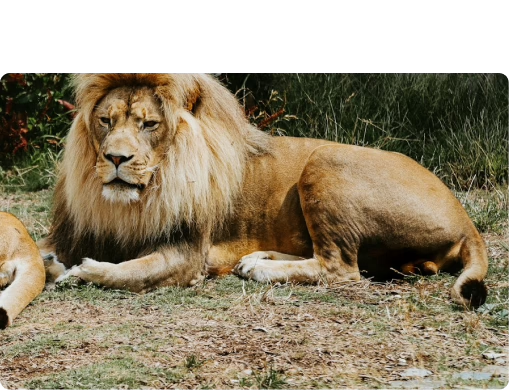
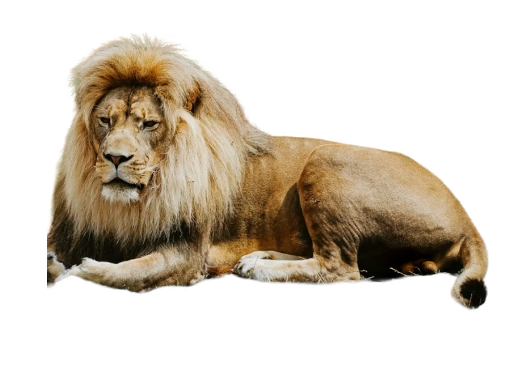
African lion
VulnerableOne of the most iconic animals on Earth, the African lion is a symbol of strength, social intelligence, and wild Africa.
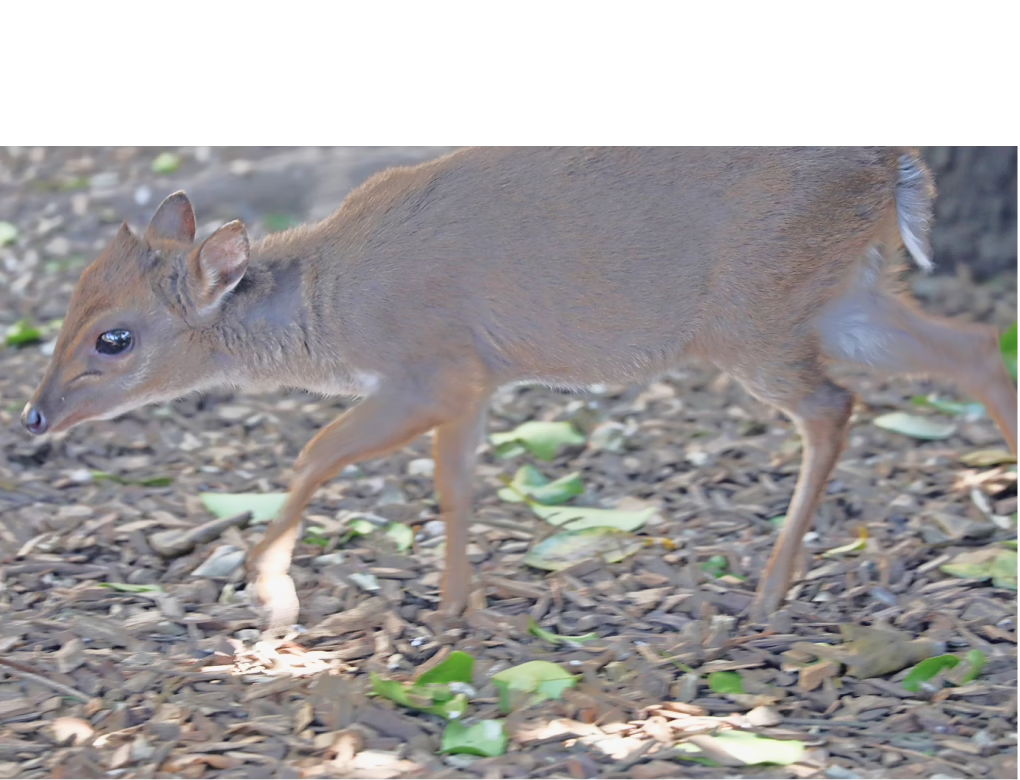
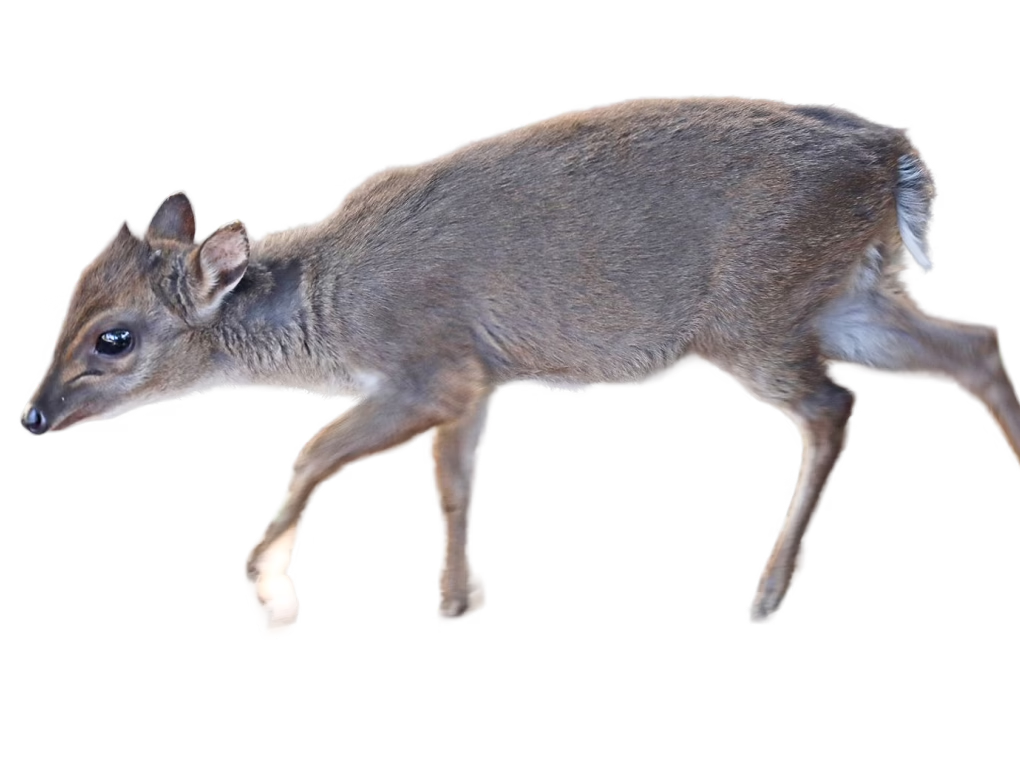
Blue duiker
Least ConcernAs the world's smallest antelope species, and smallest duiker, they play an important role in their forest ecosystem.
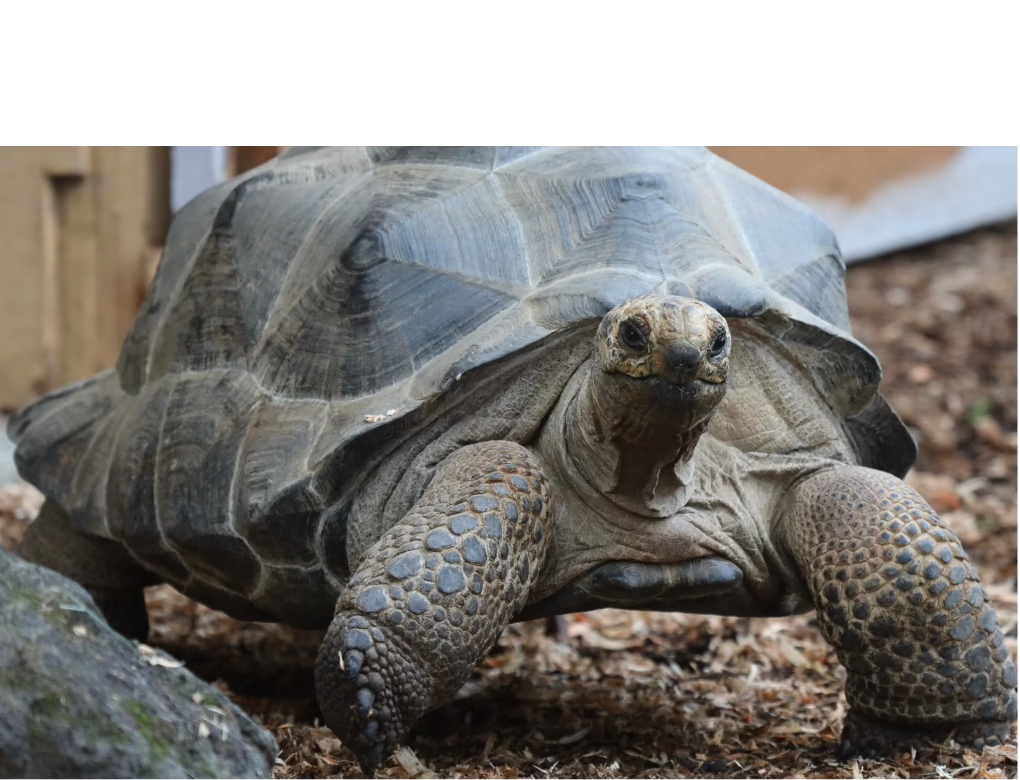
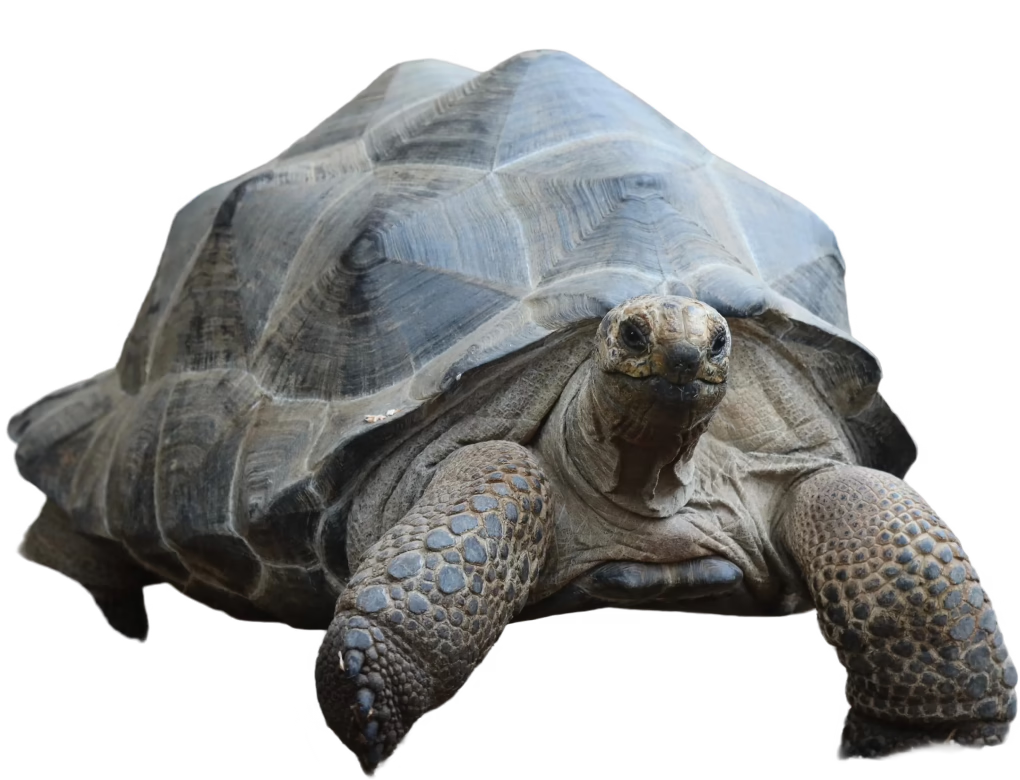
Aldabra tortoise
VulnerableAs one of the largest and longest-lived land tortoises in the world, some are known to have lived up to 170 years!
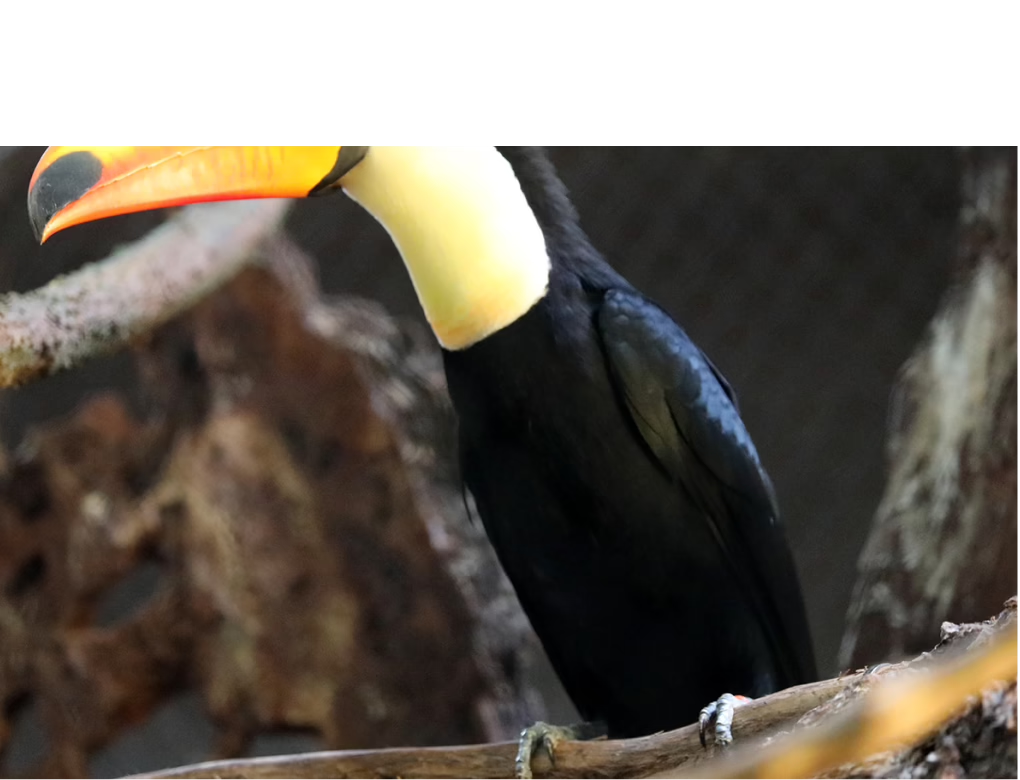
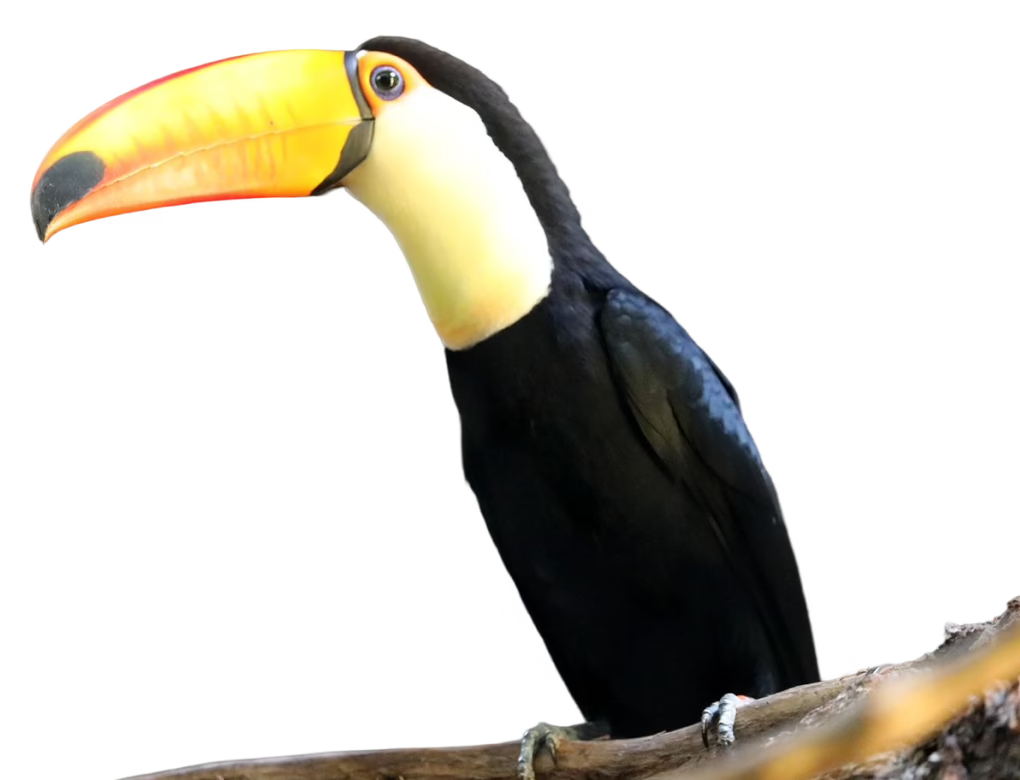
Toco toucan
Least ConcernKnown for their large, colorful bills and playful behavior, this is the largest of the toucan species.