




At the Zoo
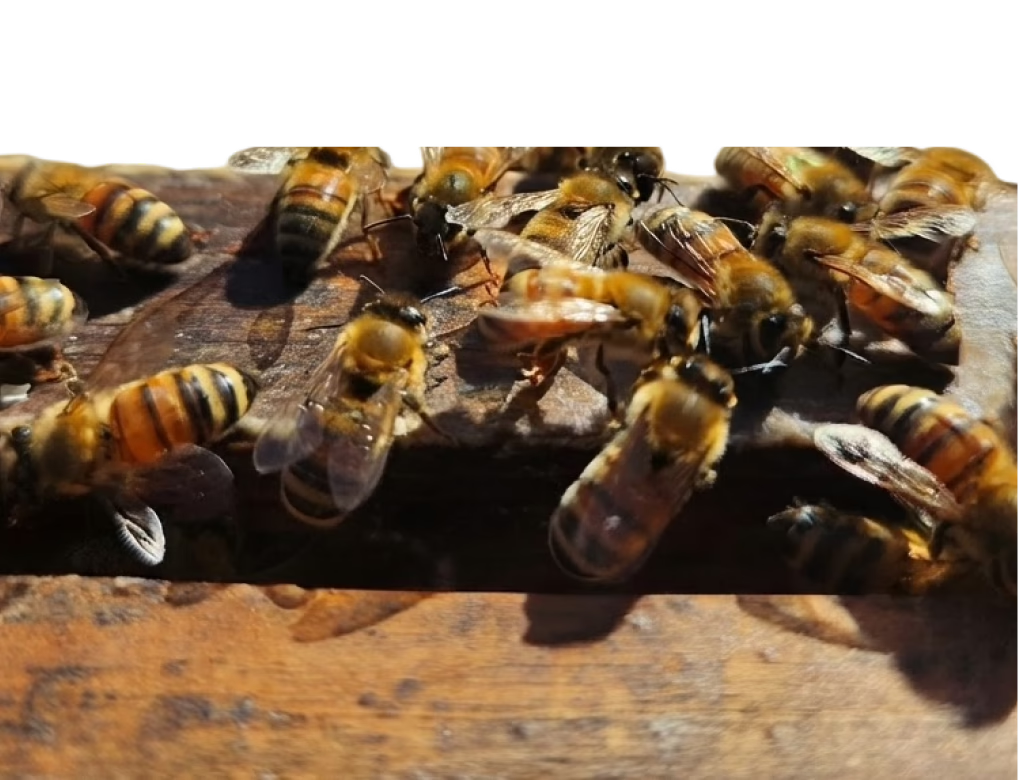
There are bee hives located around the Zoo, including Greenie’s Conservation Garden and the Exploration Zone.
Fascinating facts
- Honey is a thick liquid produced by certain types of bees from the nectar of flowers.
- Honey bees refine and concentrate nectar to make honey.
- Honeybees are not aggressive by nature, and will not sting unless protecting their hive from an intruder or are unduly provoked.
Physical characteristics
Honey bees have a bright color pattern. Like most insects, look at the world through compound eyes.
Habitat
The western honey bee is native to the continents of Europe, Asia, and Africa. As of the early 1600s, the insect was introduced to North America, with subsequent introductions of other European subspecies two centuries later. Since then, they have spread throughout the Americas.
Diet
They live off of flower nectar and honey.
Social behavior
In the wild, they create elaborate nests called hives containing up to 20,000 individuals during the summer months. They work together in a highly structured social order. Each bee belongs to one of three specialized groups called castes. The different castes are: queens, drones and workers.
Status in the wild
Honey Bees are common and not endangered.
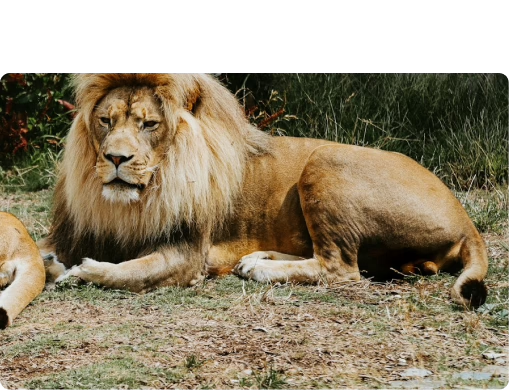
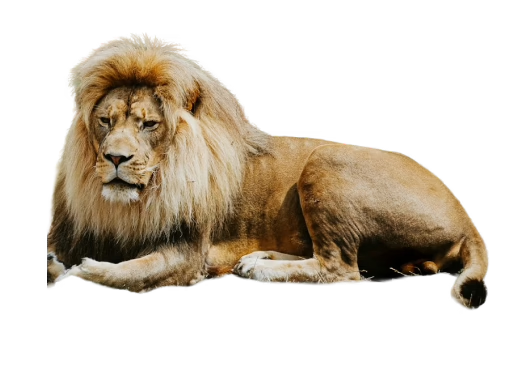
African lion
VulnerableOne of the most iconic animals on Earth, the African lion is a symbol of strength, social intelligence, and wild Africa.
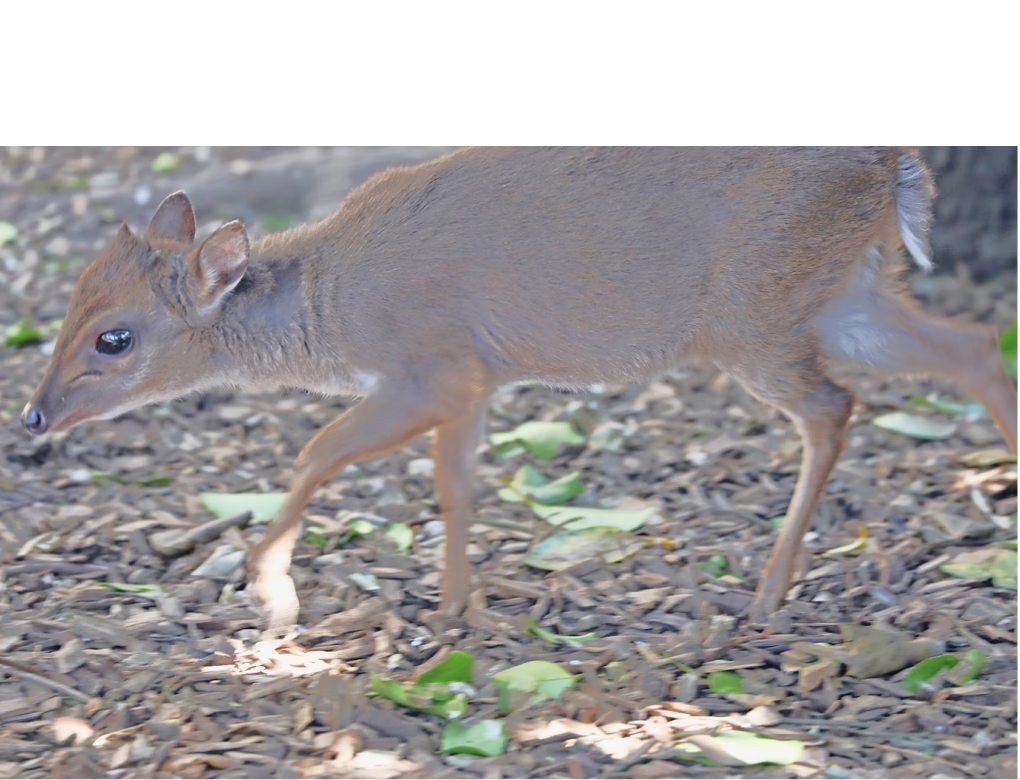
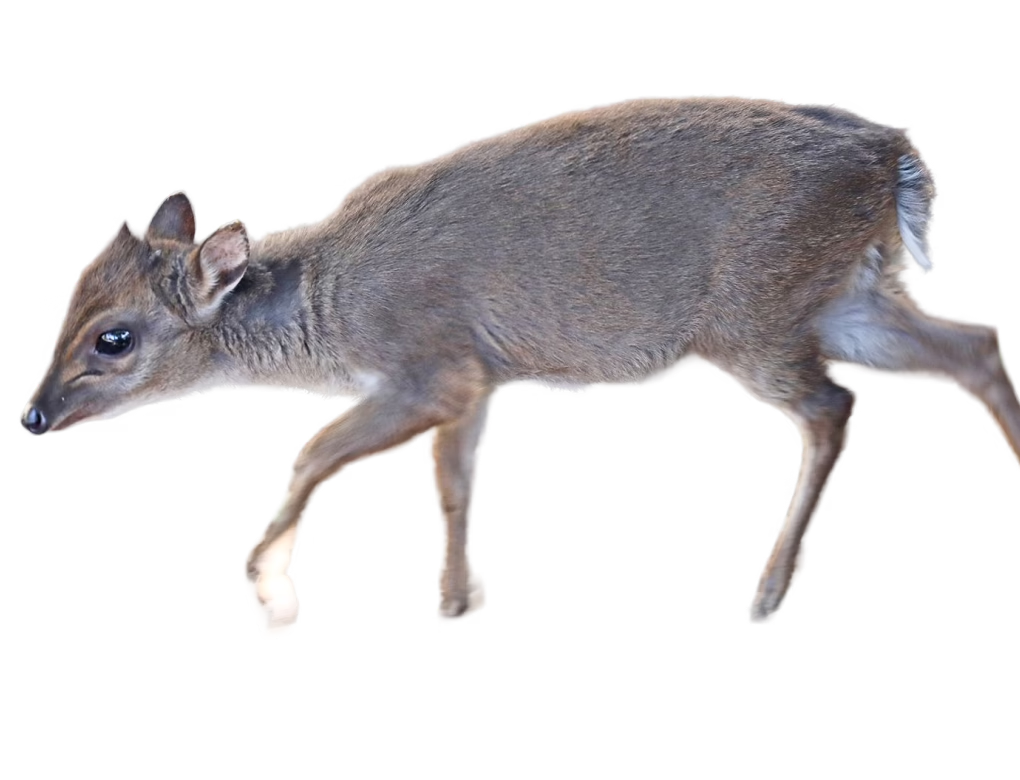
Blue duiker
Least ConcernAs the world's smallest antelope species, and smallest duiker, they play an important role in their forest ecosystem.
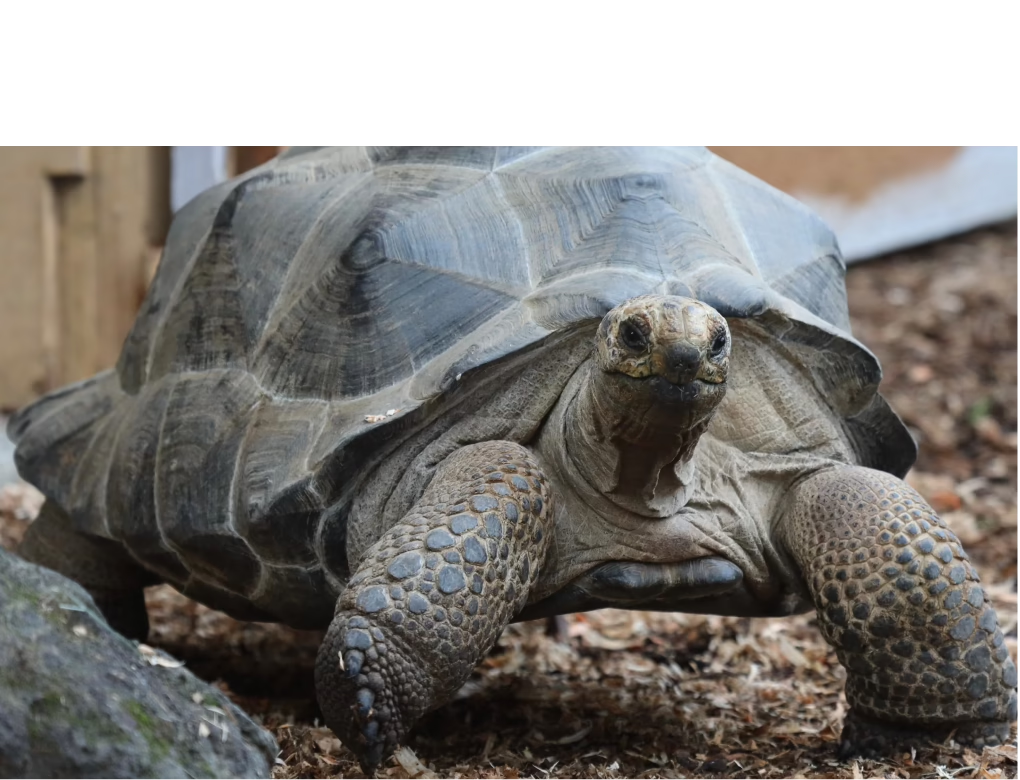
Aldabra tortoise
VulnerableAs one of the largest and longest-lived land tortoises in the world, some are known to have lived up to 170 years!

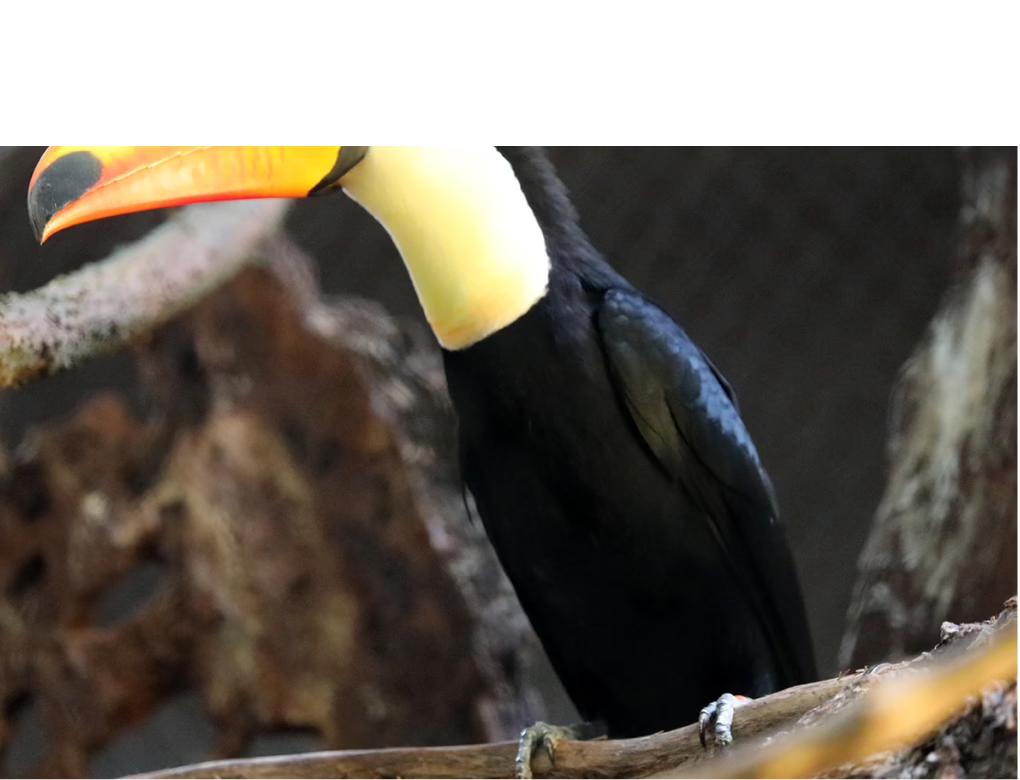
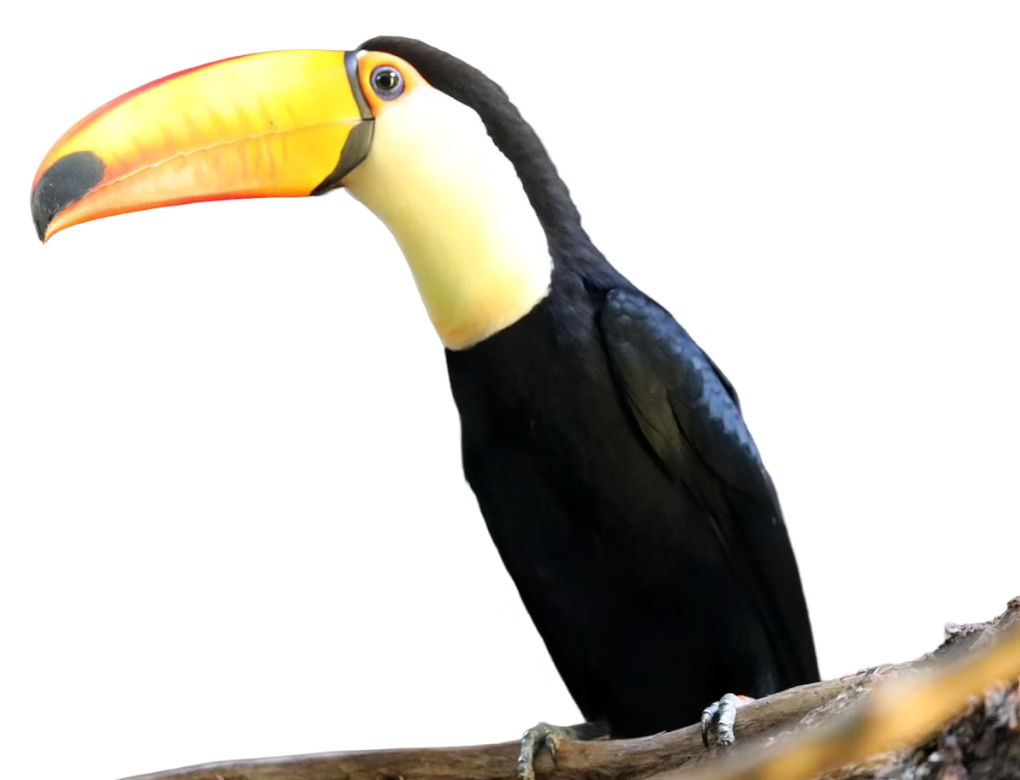
Toco toucan
Least ConcernKnown for their large, colorful bills and playful behavior, this is the largest of the toucan species.