



At the Zoo
African Aviary
Fascinating Facts
- Ancient Egyptians held the sacred ibis in high regard, depicting them in art as the embodiment of the god Thoth and mummifying them for the afterlife. Sacred ibis are now only very rarely found in Egypt.
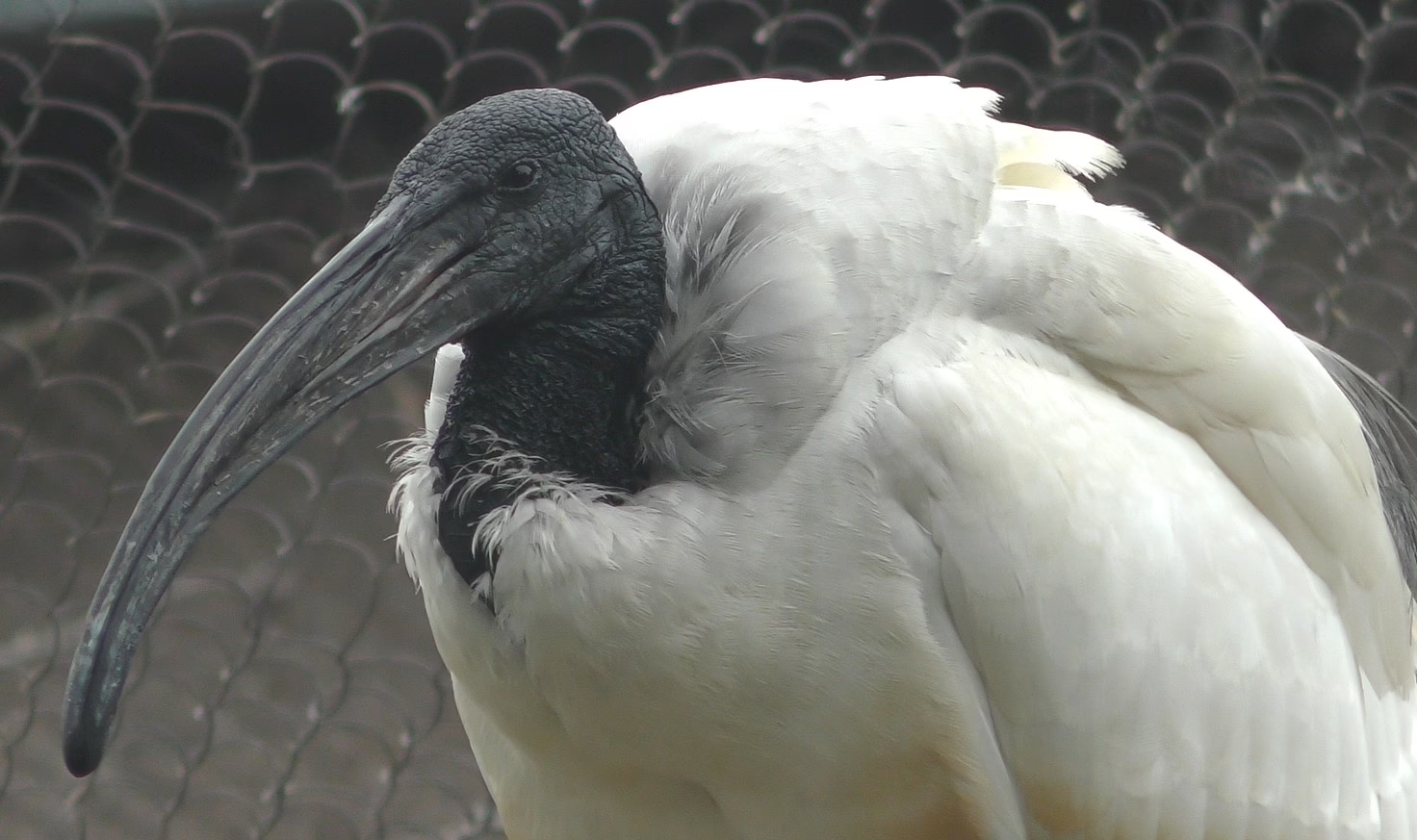
- They have featherless, black heads.
- Sacred ibis fly in V-formations to save energy. When the lead bird gets tired, it moves to the back of the group, and a new bird will take the front.
Physical Characteristics
Sacred ibis have mostly white plumage, with black on the tips of the wings, the legs, and the head and beak. Males and females are similar in appearance, with males slightly larger. Juveniles have black down with white on the head; legs and feet are grey. Adult plumage will appear at three years of age. They are 25 – 35 inches in length, with a wingspan between 44 – 49 inches and weigh about 3 pounds.
Sacred ibis may live up to 20 years.
Habitat
Sacred ibis are found near wetlands, mangroves, rivers, coastlines. As opportunistic feeders, they can also be found near areas of human habitation, including garbage dumps.
Diet
They are opportunistic carnivorous feeders, feeding on a wide range of prey, including insects, worms, eggs, small amphibians, reptiles and mammals. They also will feed on carrion. They use their long beaks to probe mud and water searching for food.
Social Behavior
The breeding season takes place after the rainy season and males battle for breeding rights. Sacred ibis breed in colonies and males will collect nesting materials while the female builds the nest. 2 – 3 eggs are laid and the male and female take turns incubating the eggs and will help raise the chicks together. Sacred ibis are a social species and they roost and forage in groups.
Range
Native to Sub-Saharan Africa and parts of Iraq. Introduced in France.
Status In The Wild
IUCN – Least Concern Threats to sacred ibis include draining wetlands and
disturbances to nesting and feeding sites.
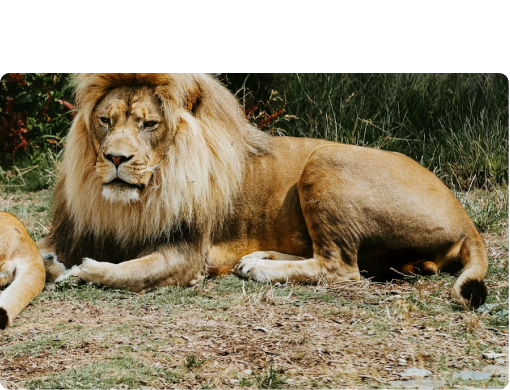
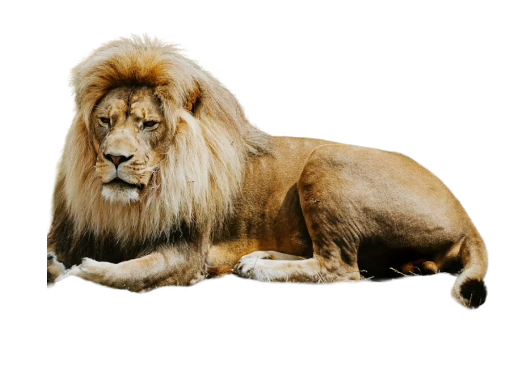
African lion
VulnerableOne of the most iconic animals on Earth, the African lion is a symbol of strength, social intelligence, and wild Africa.
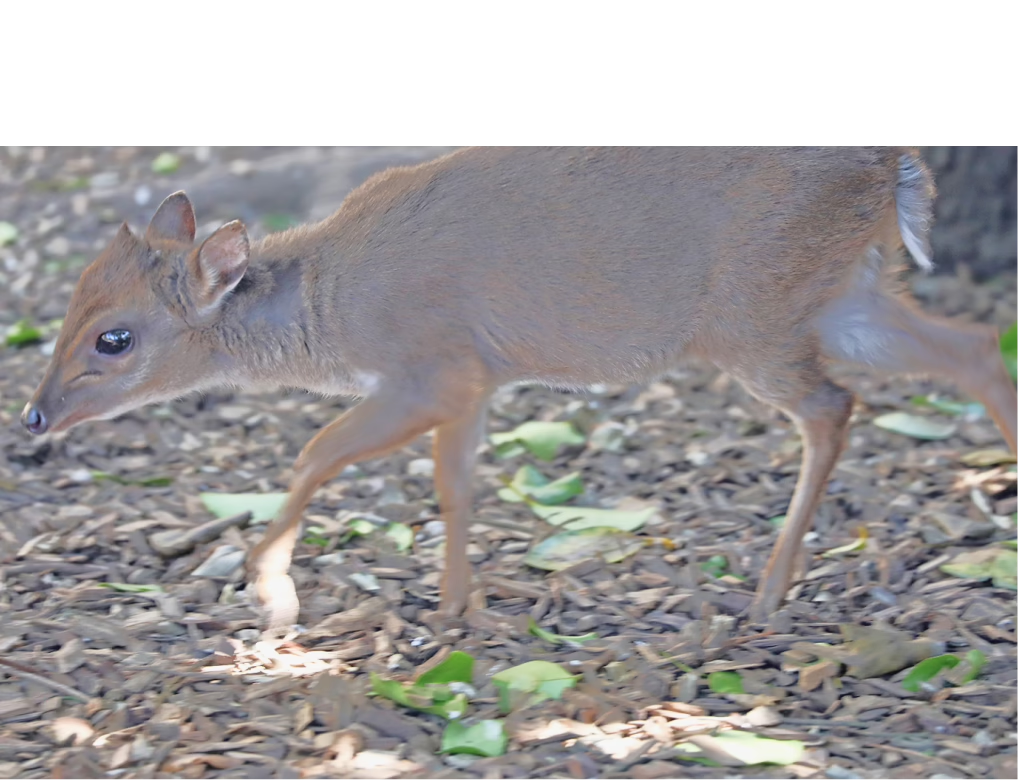
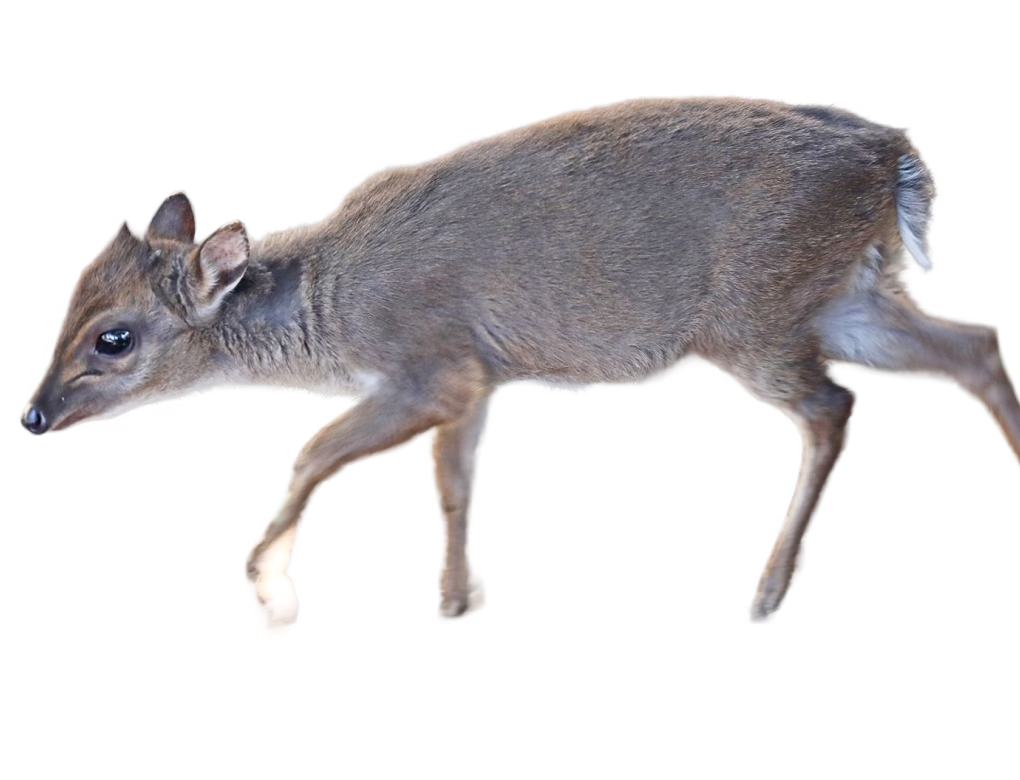
Blue duiker
Least ConcernAs the world's smallest antelope species, and smallest duiker, they play an important role in their forest ecosystem.
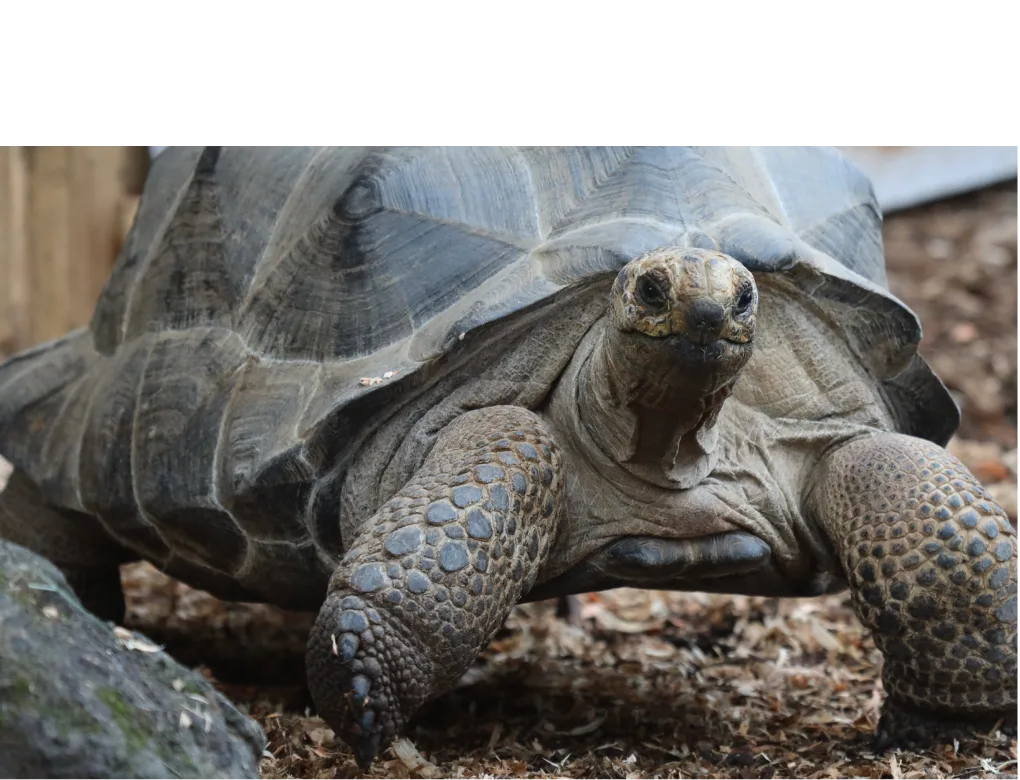
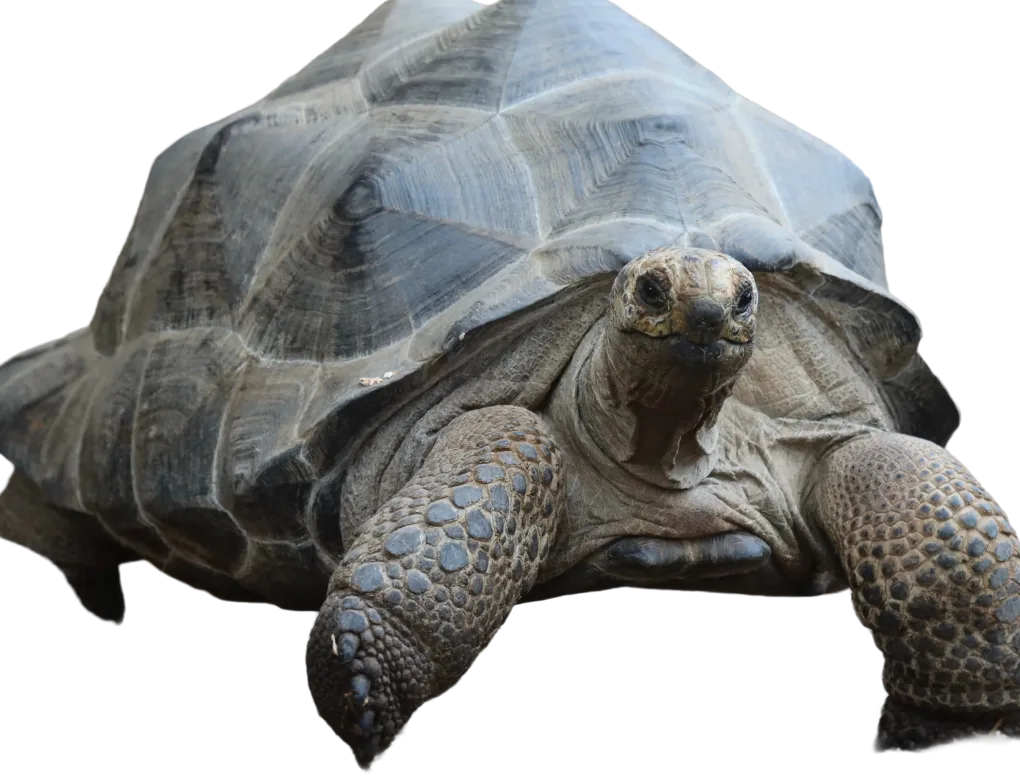
Aldabra tortoise
VulnerableAs one of the largest and longest-lived land tortoises in the world, some are known to have lived up to 170 years!
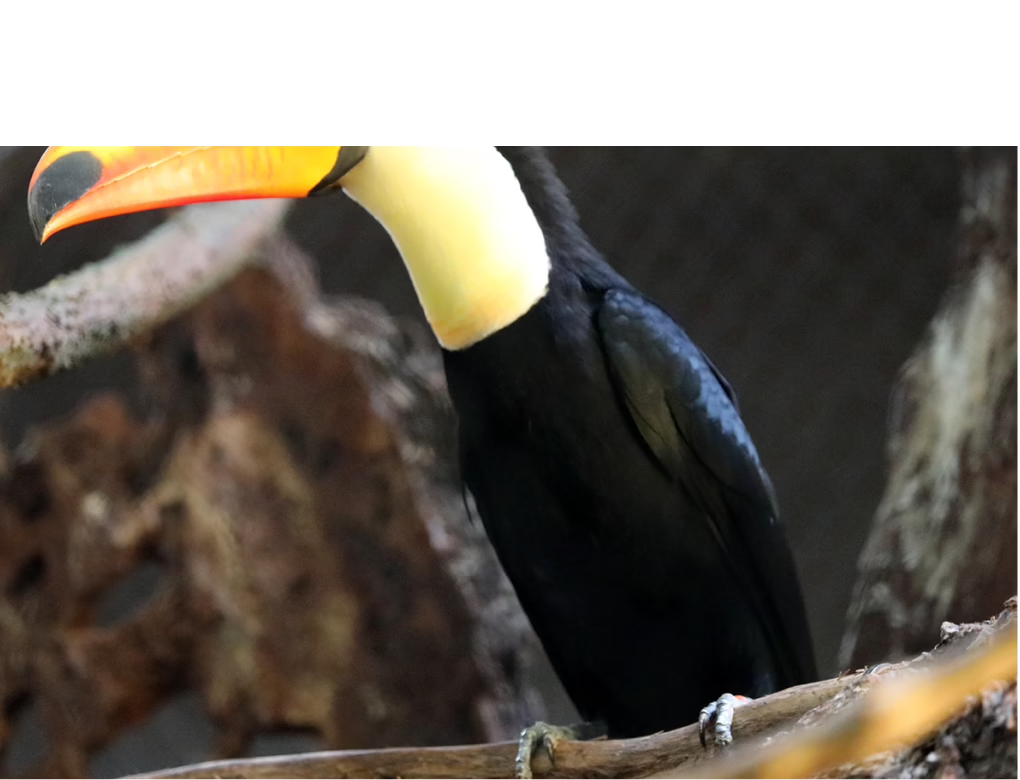
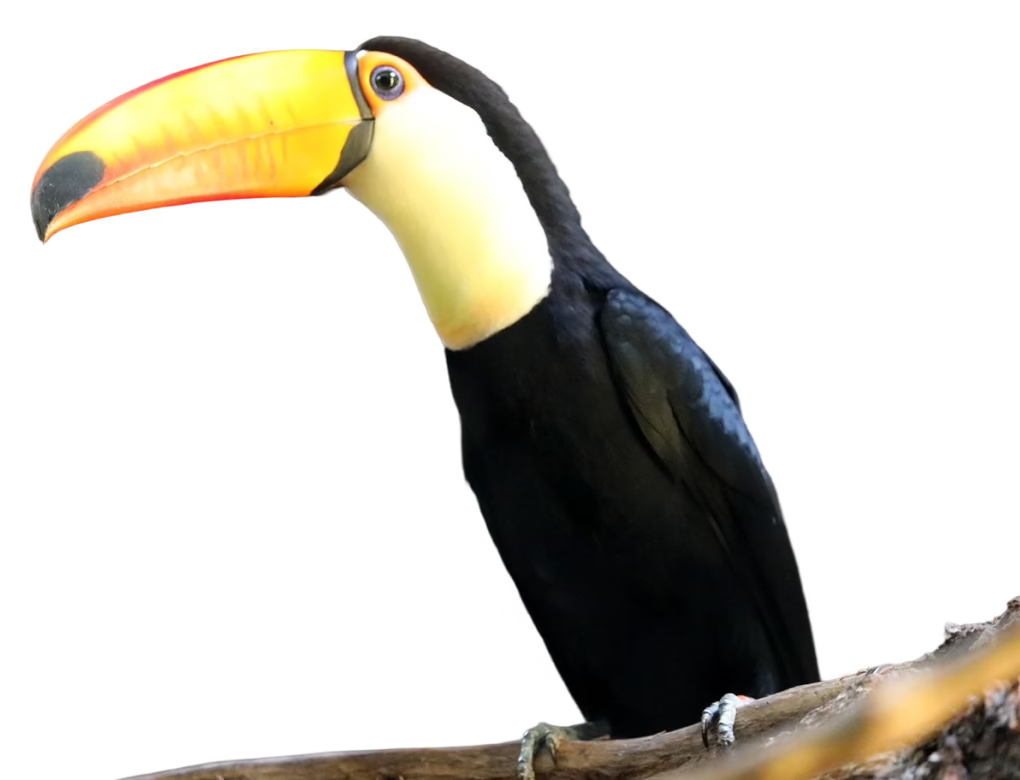
Toco toucan
Least ConcernKnown for their large, colorful bills and playful behavior, this is the largest of the toucan species.