

At the Zoo
Insect Zoo.
Fascinating facts
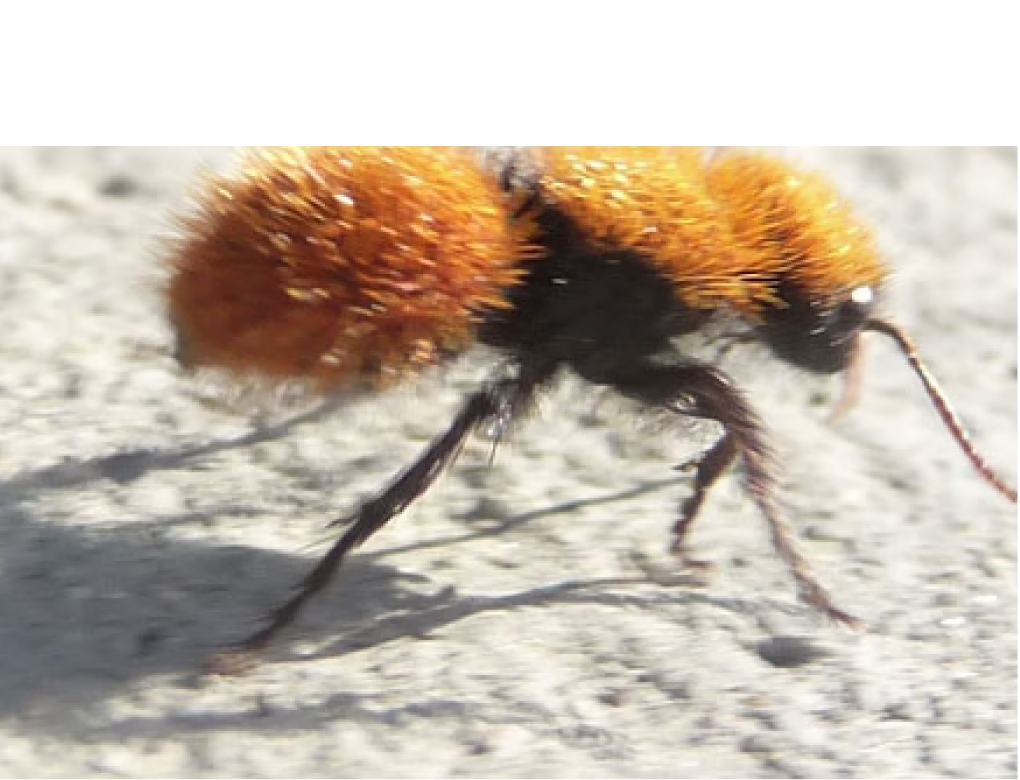
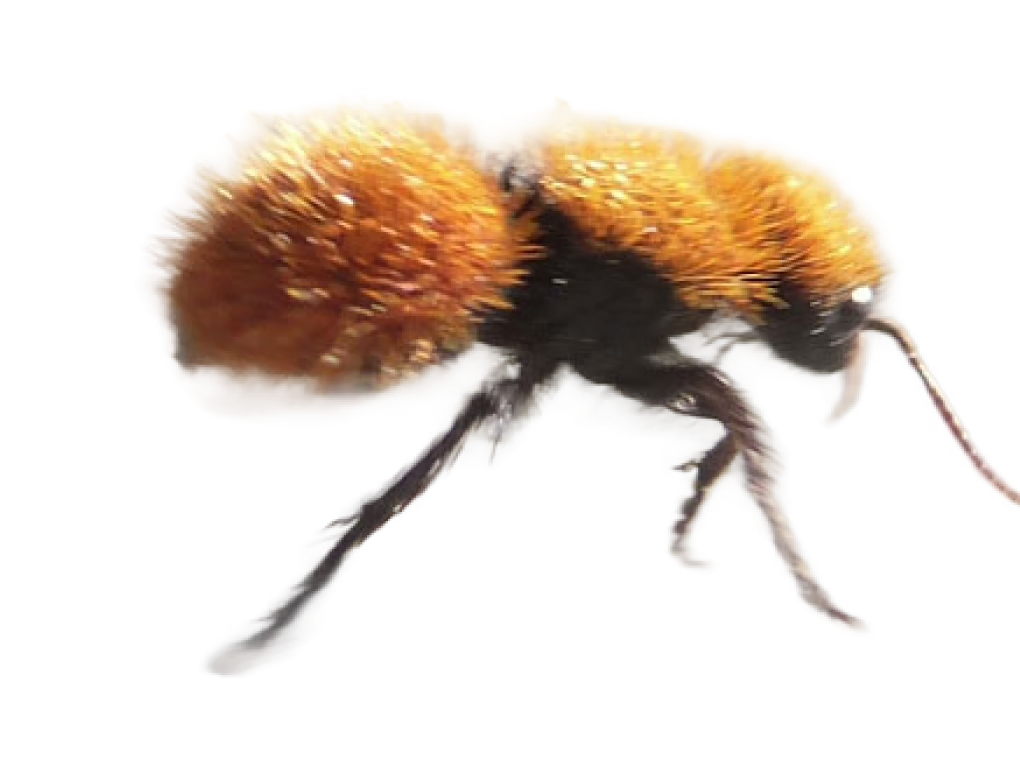
- Mutillidae are a family of more than 3,000 species of wasp whose wingless females resemble large, hairy ants.
- Their common name velvet ant refers to their dense pile of hair which most often is bright scarlet or orange but may also be black, white, silver, or gold.
- Velvet ants are also known as cow killers or mule killers because of their extremely painful sting. Like all wasps, they can sting multiple times.
Physical characteristics
The exoskeleton of all velvet ants is unusually tough. This characteristic allows them to successfully invade the nests of their prey and also helps them retain moisture. Velvet ants range in size from 1/8 inch to one inch. Red, orange, yellow, black or white bristle-like hairs, known as setae, cover the entire body. Males have wings but no stingers, while females have stingers but lack wings.
Habitat
Over 150 species of velvet ants occur throughout the United States, southern Canada and Mexico, although this is a rough number. They live in all parts of the desert from hot and dry to semiarid areas to scrublands.
Diet
Nectar is their preferred food.
Social behavior
Velvet ants are active during the day, and they may be some of the first insects to hit the trail in the morning and last to settle in for the night. They retreat from high ground temperatures in the middle of the day by burrowing under debris or climbing into plants.
Status in the wild
They are especially common.
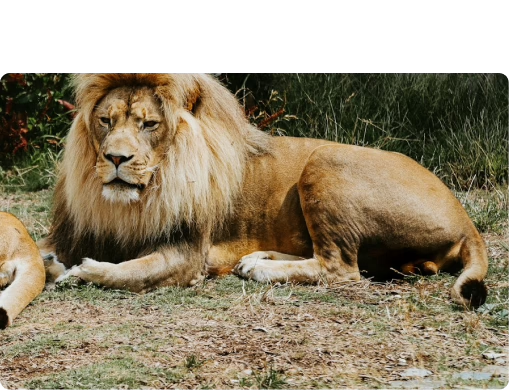
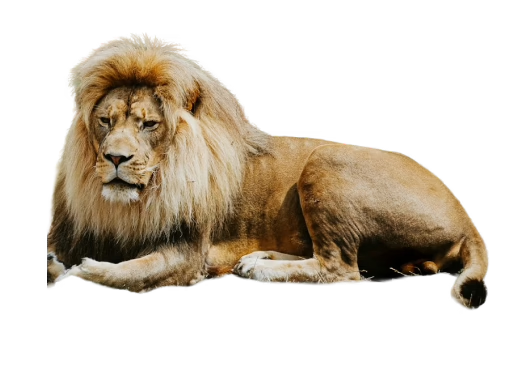
African lion
VulnerableOne of the most iconic animals on Earth, the African lion is a symbol of strength, social intelligence, and wild Africa.
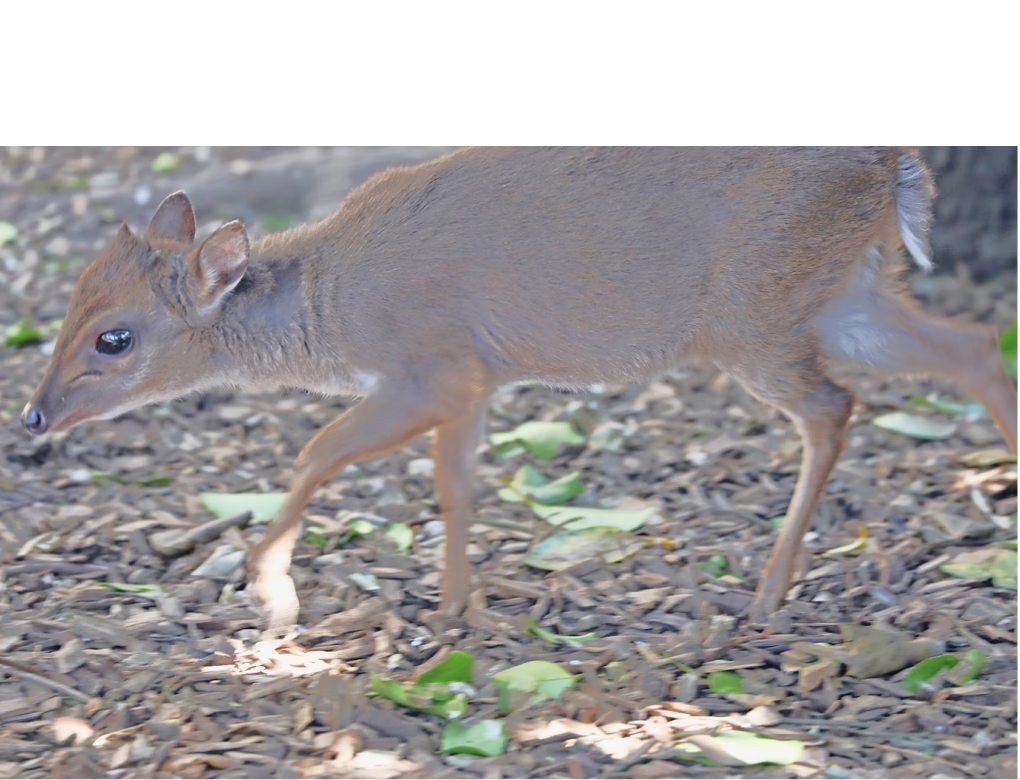
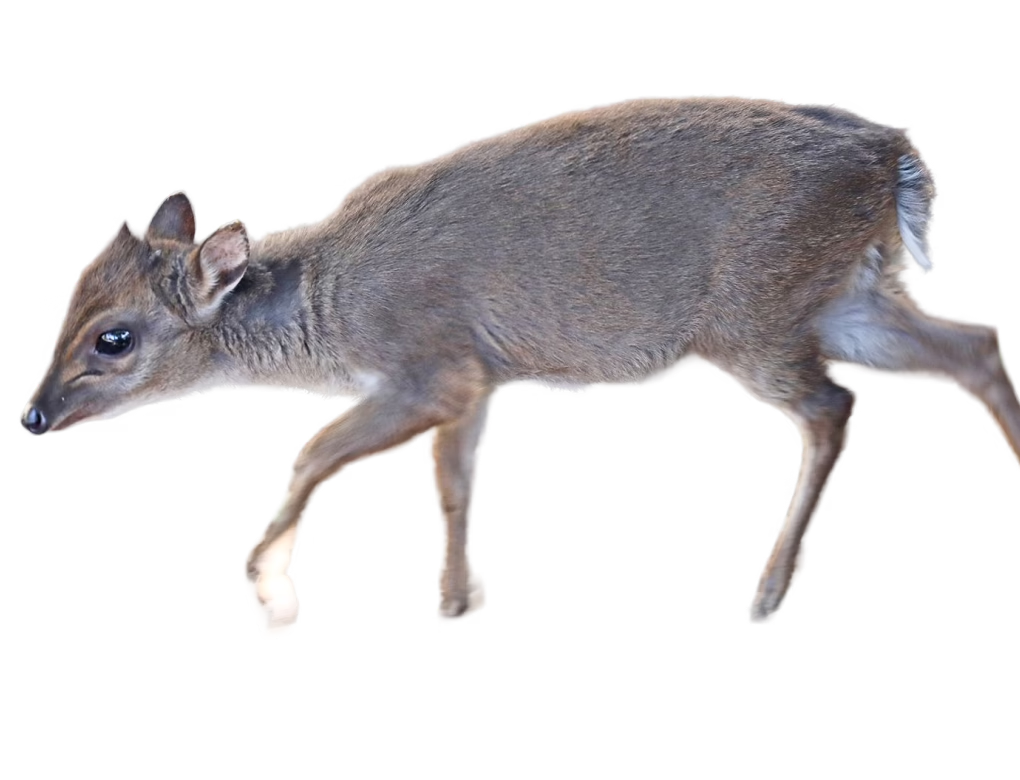
Blue duiker
Least ConcernAs the world's smallest antelope species, and smallest duiker, they play an important role in their forest ecosystem.
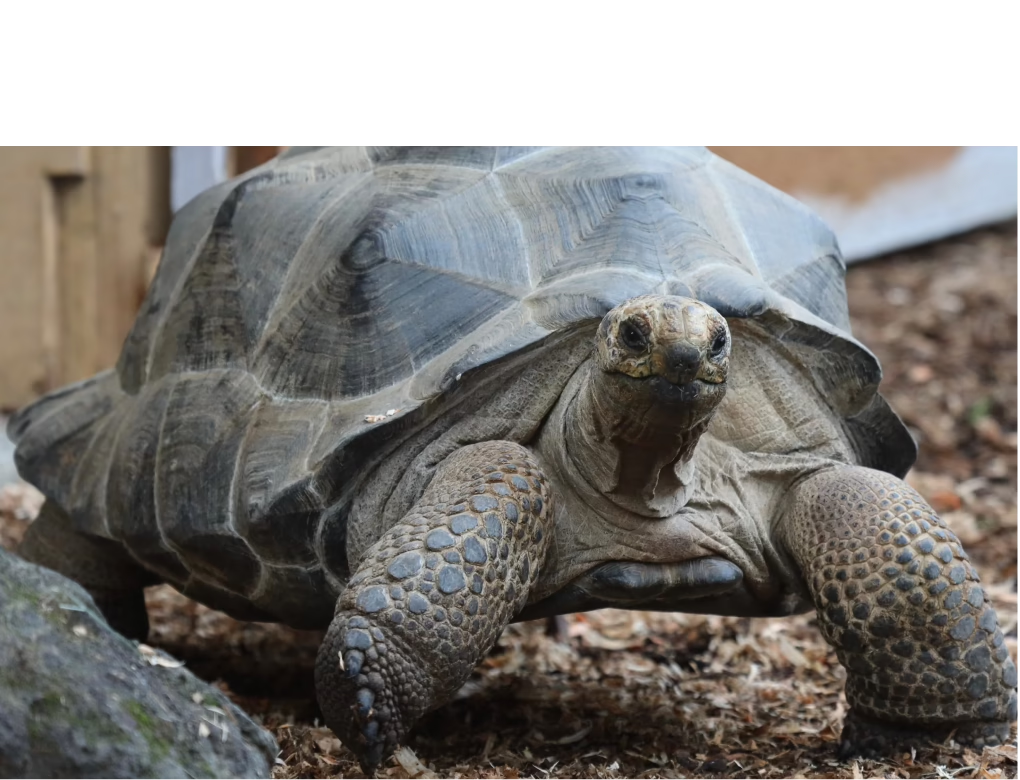
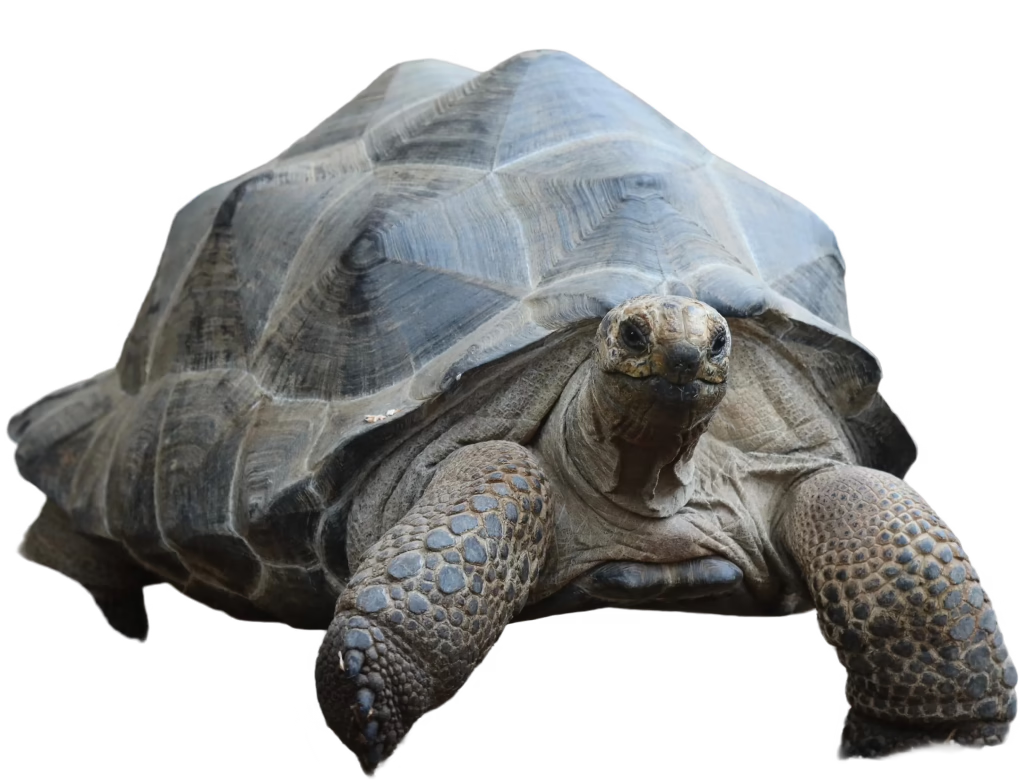
Aldabra tortoise
VulnerableAs one of the largest and longest-lived land tortoises in the world, some are known to have lived up to 170 years!
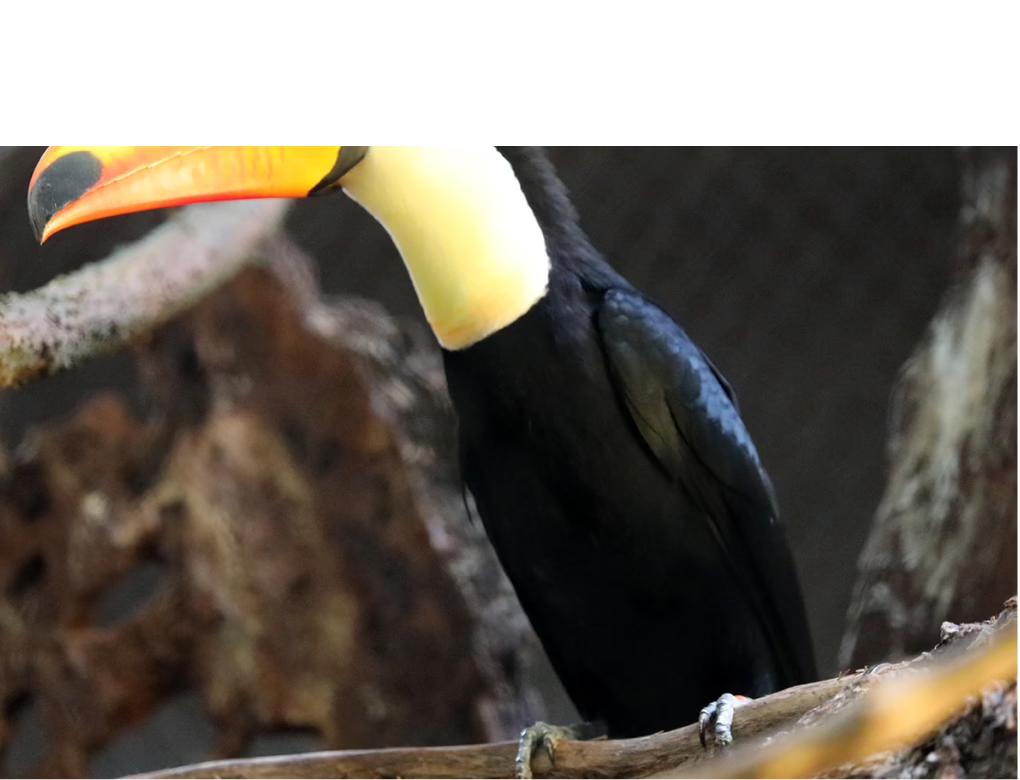
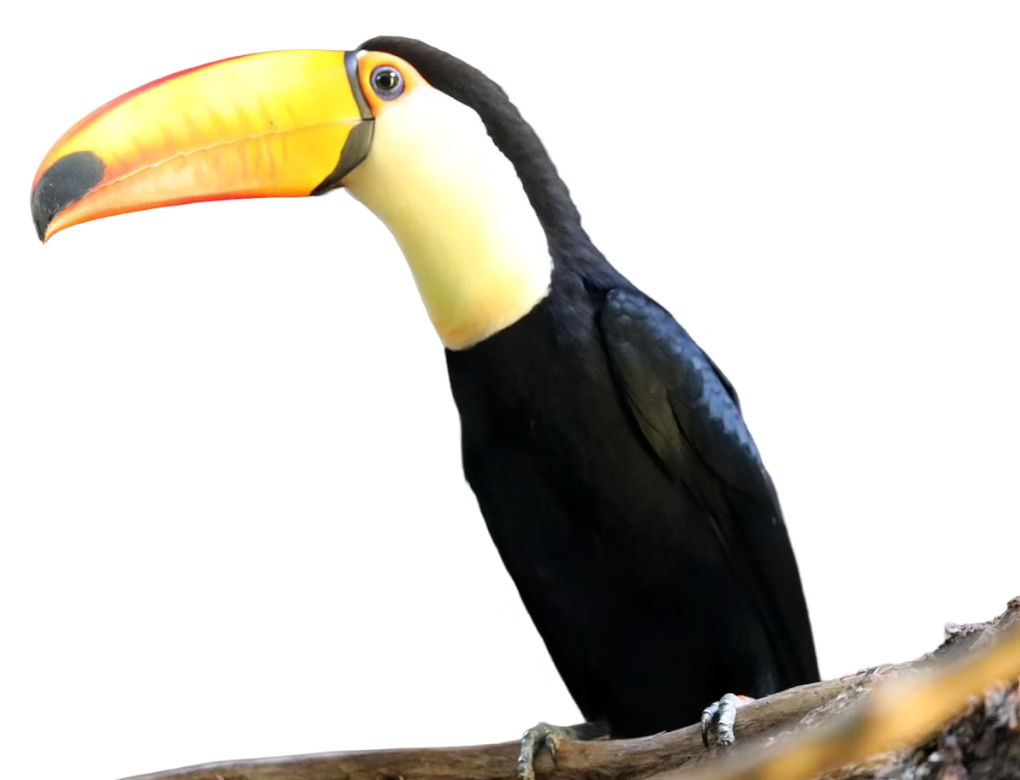
Toco toucan
Least ConcernKnown for their large, colorful bills and playful behavior, this is the largest of the toucan species.